Home/Exhibits/Aerospace & Astronomy/Chang'e orbits the moon

Chang'e orbits the moon

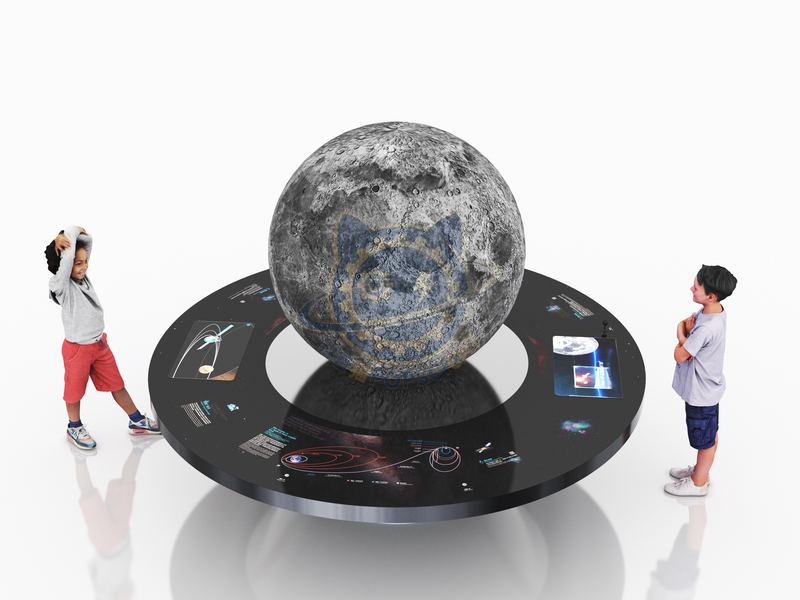
The Chang'e lunar mission is an important part of China's lunar exploration project.

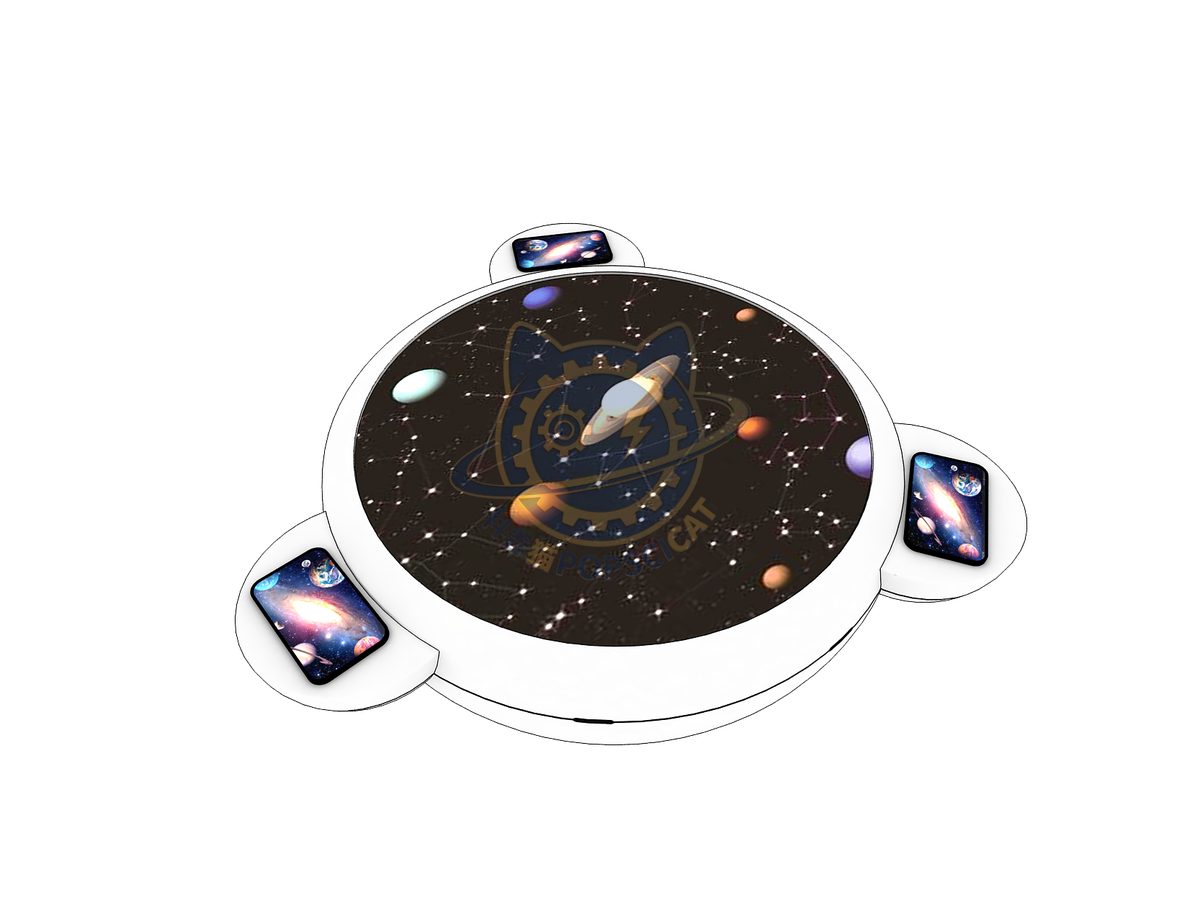
Chang'e orbits the moon — Aerospace & Astronomy exhibit for science museums
Studio rendering
CategoryAerospace & Astronomy
Standard sizeCustom size
SupplySingle unit or batch · OEM to your drawing
Lead timeStandard 4–8 weeks after deposit (confirmed per contract)
Warranty1 year, structure and control
DocumentsSpecification sheet · control diagram · spare-part list

A standard catalogue model: the dimensions, control package and finish are fixed, which is what keeps the price and the lead time predictable. Size, colour and interface language can be adapted without a new design cycle.

Ask about this model → Email us

Standard models from this range are also listed in our online store, priced in USD — see the price yourself ↗
01 / Overview

The Chang'e lunar mission is an important part of China's lunar exploration project. After entering lunar orbit, the probe performs scientific exploration of the terrain, geology, and lunar soil on the lunar surface, while verifying key technologies such as orbit design, flight control, and communication, laying the foundation for subsequent lunar landing and exploration missions. Chang'e-1 and Chang'e-2: Evolution of Orbital Strategy from 'Throwing a Hammer' to 'Throwing a Spear' Chang'e-1 adopted multiple accelerations and orbit changes near Earth, gradually increasing its orbital altitude, and finally entering the lunar orbit (Earth Moon Transfer Orbit). This process is similar to a "throw chain ball", which accelerates through multiple rotations of the Earth's orbit and ultimately lands on the Moon. Chang'e-2, on the other hand, benefited from the increased rocket capacity and more precise orbit design, allowing it to directly enter the lunar orbit and fly from Earth to the moon. This process is likened to throwing a javelin, meaning it can reach the moon in a more direct and faster way. Flying over".

02 / How visitors use it

The unit is designed for unsupervised public use: controls are recessed or shielded, moving parts are enclosed, and the interface is operable by a child of about six with no instruction. Where a screen is used, the language can be switched without changing the hardware, and the content can be replaced on site.

03 / The science behind it

The orbits of Chang'e-1 and Chang'e-2: Scientists have designed a unique lunar exploration orbit, which first uses a rocket to send the satellite to a lower orbit, and then finds the right timing to accelerate the satellite multiple times. This allows the satellite to escape the Earth's gravity and fly towards the moon like a "chain throw". After being captured by the moon's gravity, it uses an engine to slow down and descend until it reaches the predetermined orbit. Unlike Chang'e-1's "hammer throw", Chang'e-2 can fly directly from Earth to the Moon like throwing a javelin, thanks to the improved rocket capacity and more precise orbit design. The expansion mission of Chang'e-2: Chang'e-2 will rendezvous and explore the asteroid "God of War" with the number 4179 at a distance of 7.02 million kilometers from Earth, accumulating experience for future small body exploration. Near month braking: also known as "space braking", solves the problem of "circling". If it doesn't slow down, Chang'e-1 may.

04 / Built for a public floor

Every unit leaves the factory after a running test: mechanisms cycled, electronics burned in, edges dressed, fixings torqued and marked. Wear parts — bearings, sliders, lamps, belts, touch panels — are modular and listed on the spare-part sheet, so a venue technician can replace them without returning the exhibit. Crating is plywood with foam blocking; the loading plan and packing list travel with the shipment.

Same category

More in Aerospace & Astronomy

Other models from the Aerospace & Astronomy line, all held to the same specification and the same control package.

Start a project

Send us your exhibit list.
We will come back with a price.

Attach a theme outline, a floor plan, or nothing at all — a photo of the space is enough to start. Quotations are issued against a real exhibit list, not per-square-metre guesses.

WeChat QR code — scan to message us Scan to add us
on WeChat