The curvature engine is a superluminal propulsion system based on general relativity, created by Mexican theoretical…
| Category | Aerospace & Astronomy |
|---|---|
| Standard size | Custom size |
| Supply | Single unit or batch · OEM to your drawing |
| Lead time | Standard 4–8 weeks after deposit (confirmed per contract) |
| Warranty | 1 year, structure and control |
| Documents | Specification sheet · control diagram · spare-part list |
A standard catalogue model: the dimensions, control package and finish are fixed, which is what keeps the price and the lead time predictable. Size, colour and interface language can be adapted without a new design cycle.
Standard models from this range are also listed in our online store, priced in USD — see the price yourself ↗
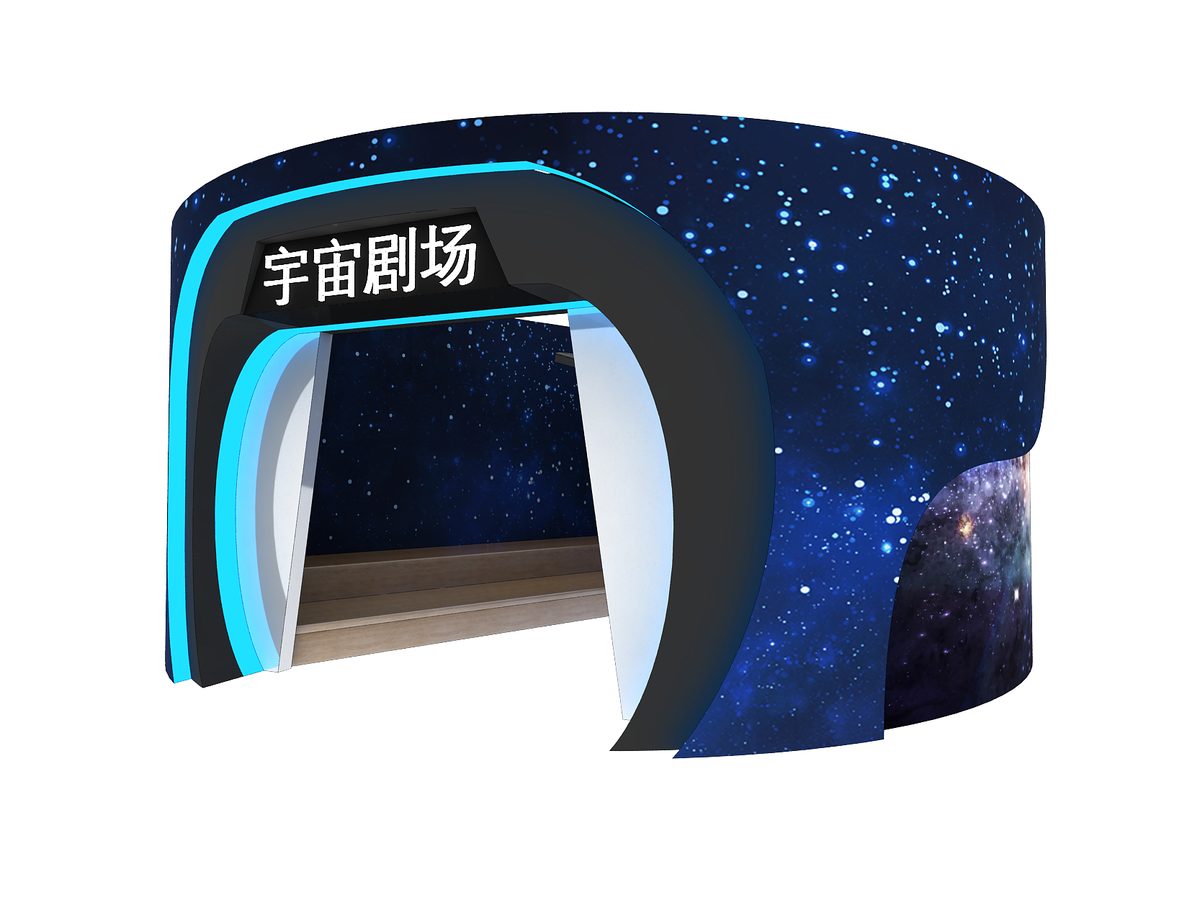
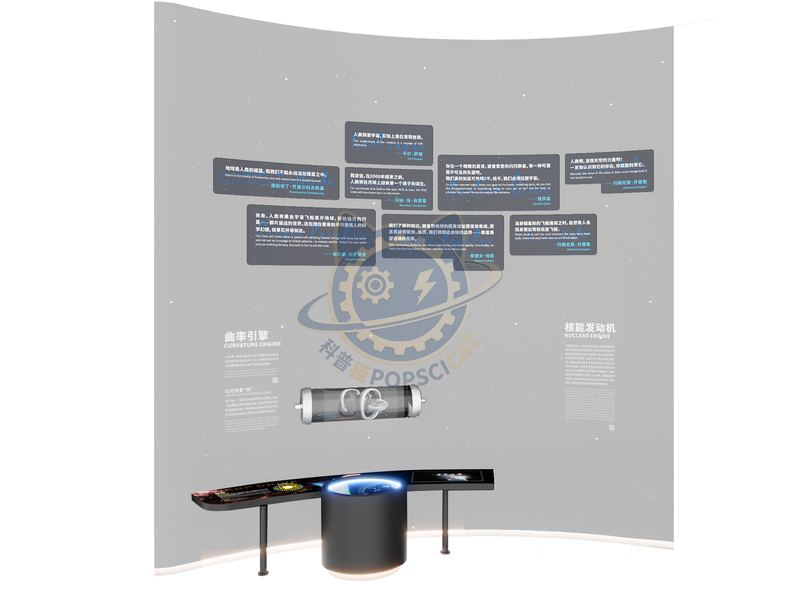
The curvature engine is a superluminal propulsion system based on general relativity, created by Mexican theoretical physicist Mingo Alcubelli. This theory suggests that by creating a configurable energy density field below vacuum, spacecraft can contract the space ahead and expand the space behind, achieving speeds faster than the speed of light. In science fiction works, this engine creates "curvature bubbles" or "curvature fields" by distorting spacetime, enabling spacecraft to navigate at high speeds. Although Einstein's theory of general relativity states that objects cannot be accelerated from below the speed of light to above the speed of light, this limitation only applies to the motion of objects in spacetime and not to spacetime itself. Therefore, it is possible for a warp engine to exist in scientific theory.
The unit is designed for unsupervised public use: controls are recessed or shielded, moving parts are enclosed, and the interface is operable by a child of about six with no instruction. Where a screen is used, the language can be switched without changing the hardware, and the content can be replaced on site.
The principle of curvature engine is based on Einstein's theory of relativity. According to relativity, spacetime can bend, expand, or twist at any speed. In 1994, physicist Alcubelli proposed to drive spacecraft by modifying spacetime itself, using loopholes in the laws of physics to break the limit of the speed of light that cannot be exceeded. The concept of the Alcubia warp engine is basically to create a warp bubble in front of the spacecraft to bend space-time. In his theory, if a configurable energy density field lower than vacuum (negative mass) can be created, spacecraft can reach speeds faster than the speed of light. The movement of a spacecraft is not to exceed the speed of light, but to contract the space ahead and expand the space behind, which will make it move at a speed faster than the speed of light. Further calculations indicate that maintaining the Alcubeli bubble requires a significant amount of negative energy. The faster the bubble moves, the greater the negative energy required; The larger the mass contained in the bubble, the more it needs to be.
Every unit leaves the factory after a running test: mechanisms cycled, electronics burned in, edges dressed, fixings torqued and marked. Wear parts — bearings, sliders, lamps, belts, touch panels — are modular and listed on the spare-part sheet, so a venue technician can replace them without returning the exhibit. Crating is plywood with foam blocking; the loading plan and packing list travel with the shipment.
Other models from the Aerospace & Astronomy line, all held to the same specification and the same control package.

A curved screen and twelve seats for a six-minute flight.

Move a planet across the band and watch liquid water survive or boil.

A comet model whose tail always points away from the light source.

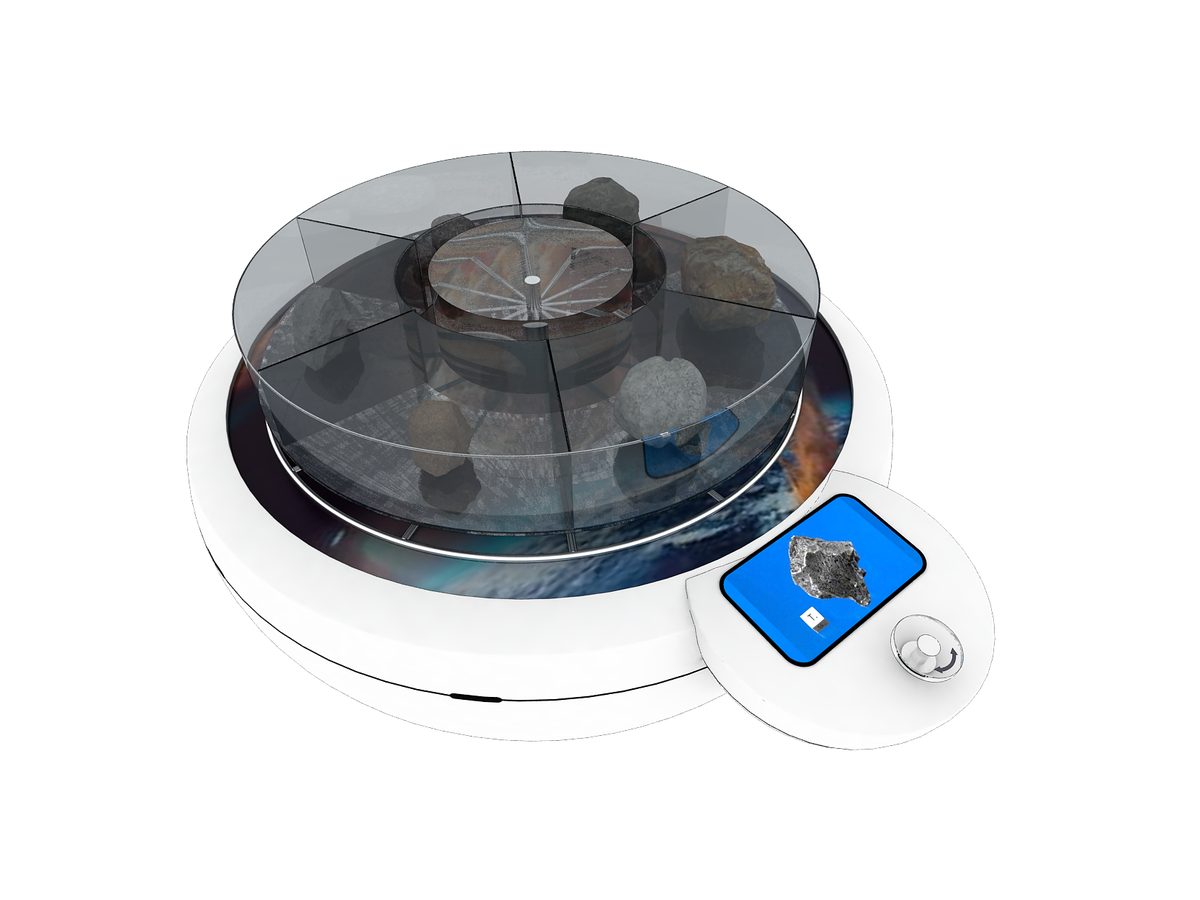
Real meteorite samples beside a simulated entry trail.
Attach a theme outline, a floor plan, or nothing at all — a photo of the space is enough to start. Quotations are issued against a real exhibit list, not per-square-metre guesses.
Scan to add us