After the Copernican heliocentric theory was proposed, people began to speculate that other stars may also be…
| Category | Aerospace & Astronomy |
|---|---|
| Standard size | Custom size |
| Supply | Single unit or batch · OEM to your drawing |
| Lead time | Standard 4–8 weeks after deposit (confirmed per contract) |
| Warranty | 1 year, structure and control |
| Documents | Specification sheet · control diagram · spare-part list |
A standard catalogue model: the dimensions, control package and finish are fixed, which is what keeps the price and the lead time predictable. Size, colour and interface language can be adapted without a new design cycle.
Standard models from this range are also listed in our online store, priced in USD — see the price yourself ↗
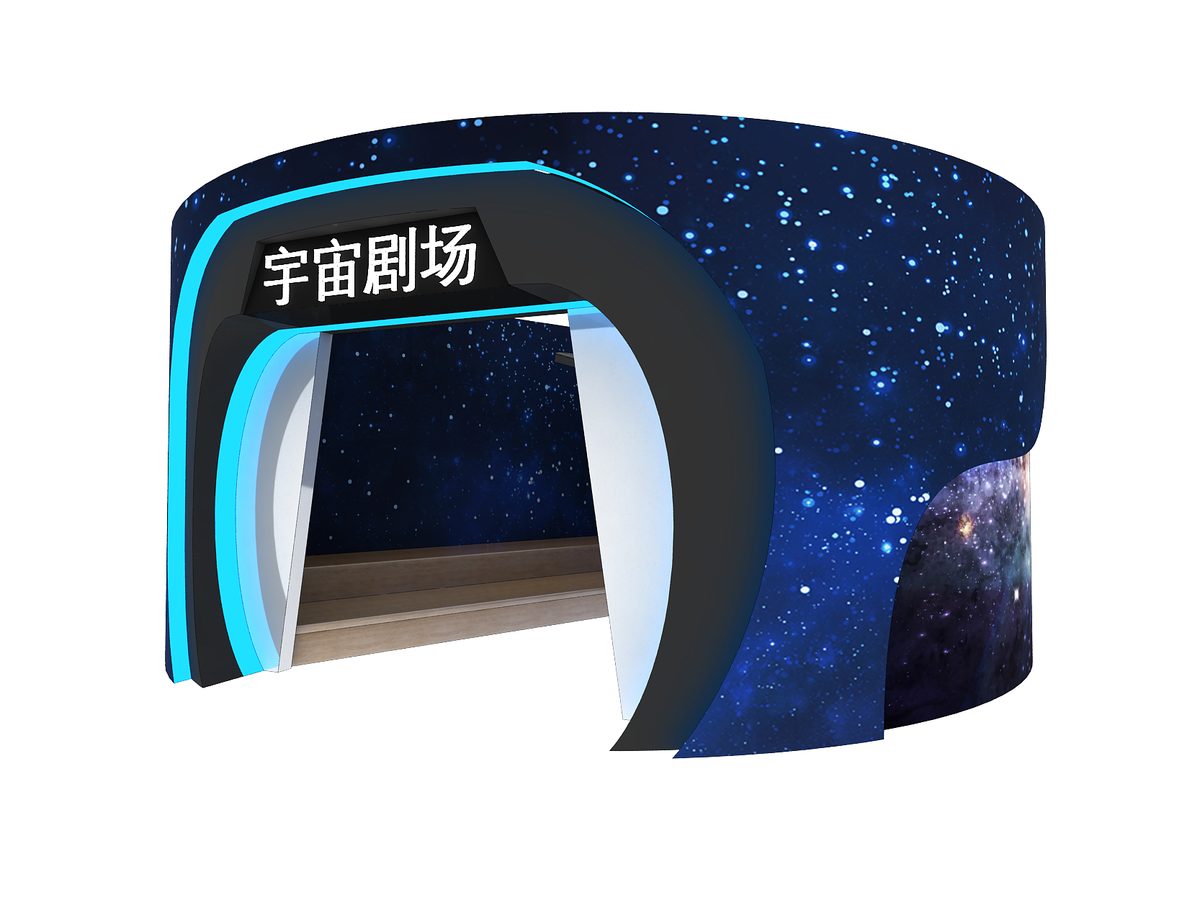
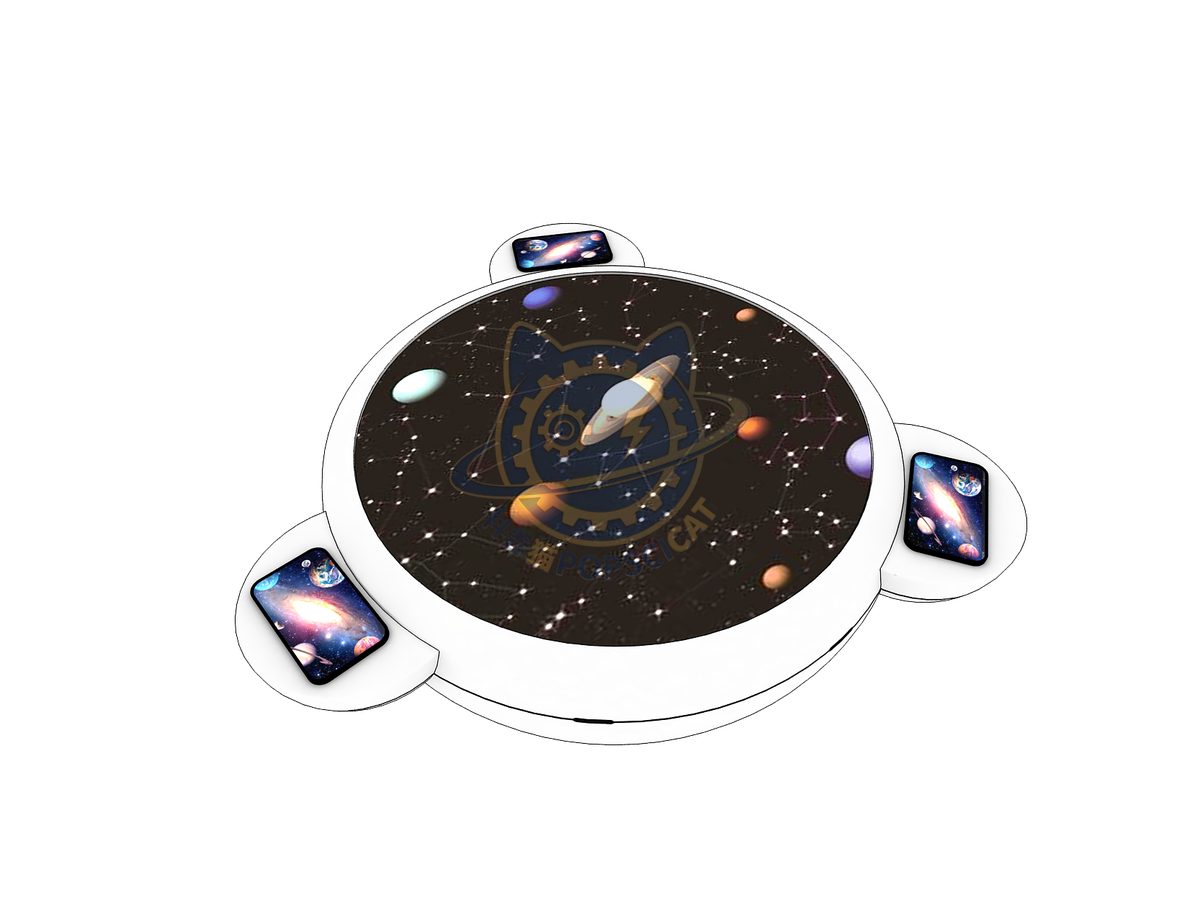
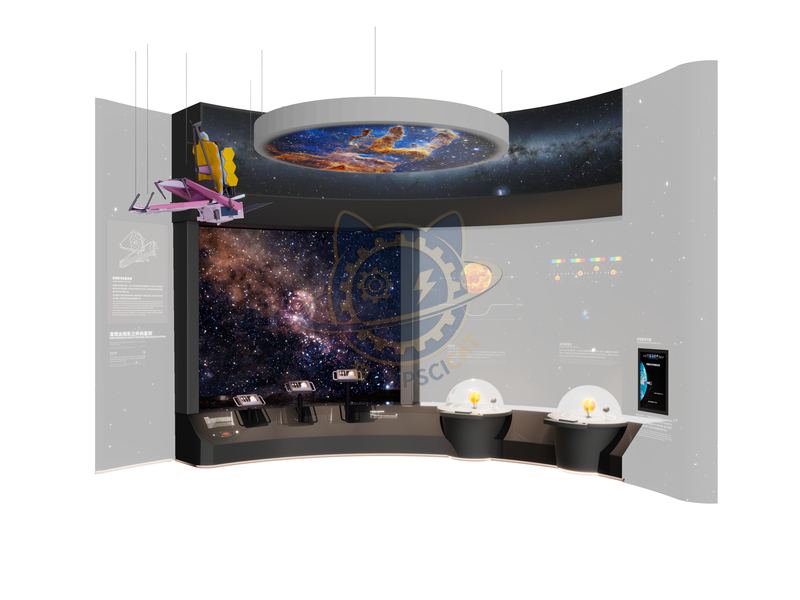
After the Copernican heliocentric theory was proposed, people began to speculate that other stars may also be surrounded by planets like our sun, such as Bruno's proposal. This is a reasonable hypothesis, but it is not easy to truly prove it: planets do not emit light, although they can reflect a little bit of the light from the central star, they are much dimmer than stars; And stars are just light points in telescopes, so it is even more difficult to see planets. As early as over a hundred years ago, astronomers began to work hard to detect exoplanets outside the solar system, and many people claimed to have detected exoplanets, but they were ultimately denied by further observations. For example, in 1960, astronomer Peter van der Kamp claimed to have detected a planet orbiting Barnard's Star, which is not too far from us, but later discovered that this may be due to a problem with his observation instruments. It was not until the 1990s that breakthroughs were finally made in exoplanet exploration. follow.
The unit is designed for unsupervised public use: controls are recessed or shielded, moving parts are enclosed, and the interface is operable by a child of about six with no instruction. Where a screen is used, the language can be switched without changing the hardware, and the content can be replaced on site.
1. Exoplanets are generally much dimmer compared to their parent stars and are easily overwhelmed by the light of their parent stars; Alternatively, due to being too close to the parent star or too far away from us, telescopes may not be able to distinguish between planets and parent stars, which can make it difficult to directly image and observe exoplanets. So, currently, some indirect methods are mainly used to discover exoplanets: transit method, radial velocity method, and micro gravitational lensing method. two The "Citizen Scientist" project of "Planet Hunter TESS" focuses on exoplanets outside the solar system, using data from the US exoplanet survey satellite TESS. In the two years after the launch of TESS, more than 20000 volunteers from around the world participated and screened over 12 million sets of data. For the "Planet Hunter TESS" project, crowdfunding is not about idle computing power of computers, but about the volunteers' own participation.
Every unit leaves the factory after a running test: mechanisms cycled, electronics burned in, edges dressed, fixings torqued and marked. Wear parts — bearings, sliders, lamps, belts, touch panels — are modular and listed on the spare-part sheet, so a venue technician can replace them without returning the exhibit. Crating is plywood with foam blocking; the loading plan and packing list travel with the shipment.
Other models from the Aerospace & Astronomy line, all held to the same specification and the same control package.

A curved screen and twelve seats for a six-minute flight.

Move a planet across the band and watch liquid water survive or boil.

A comet model whose tail always points away from the light source.

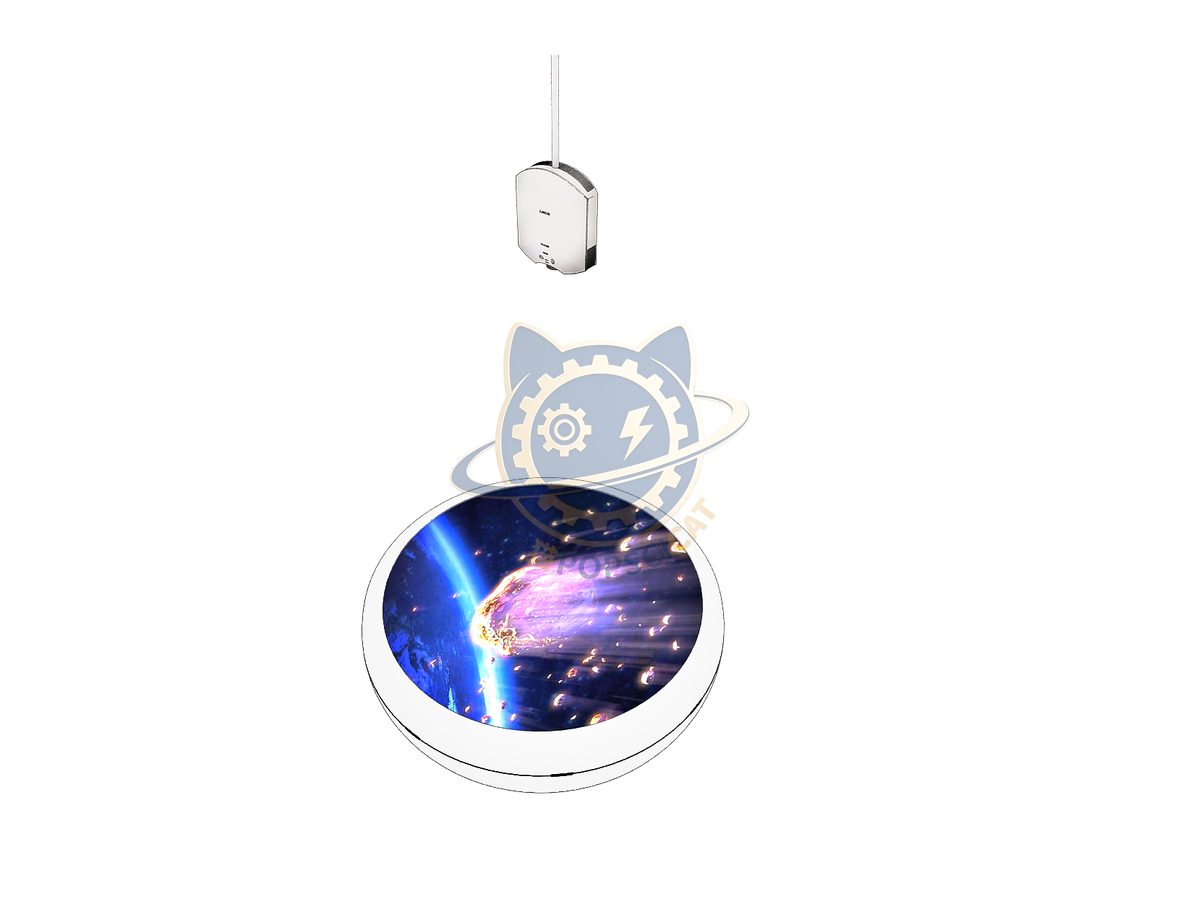
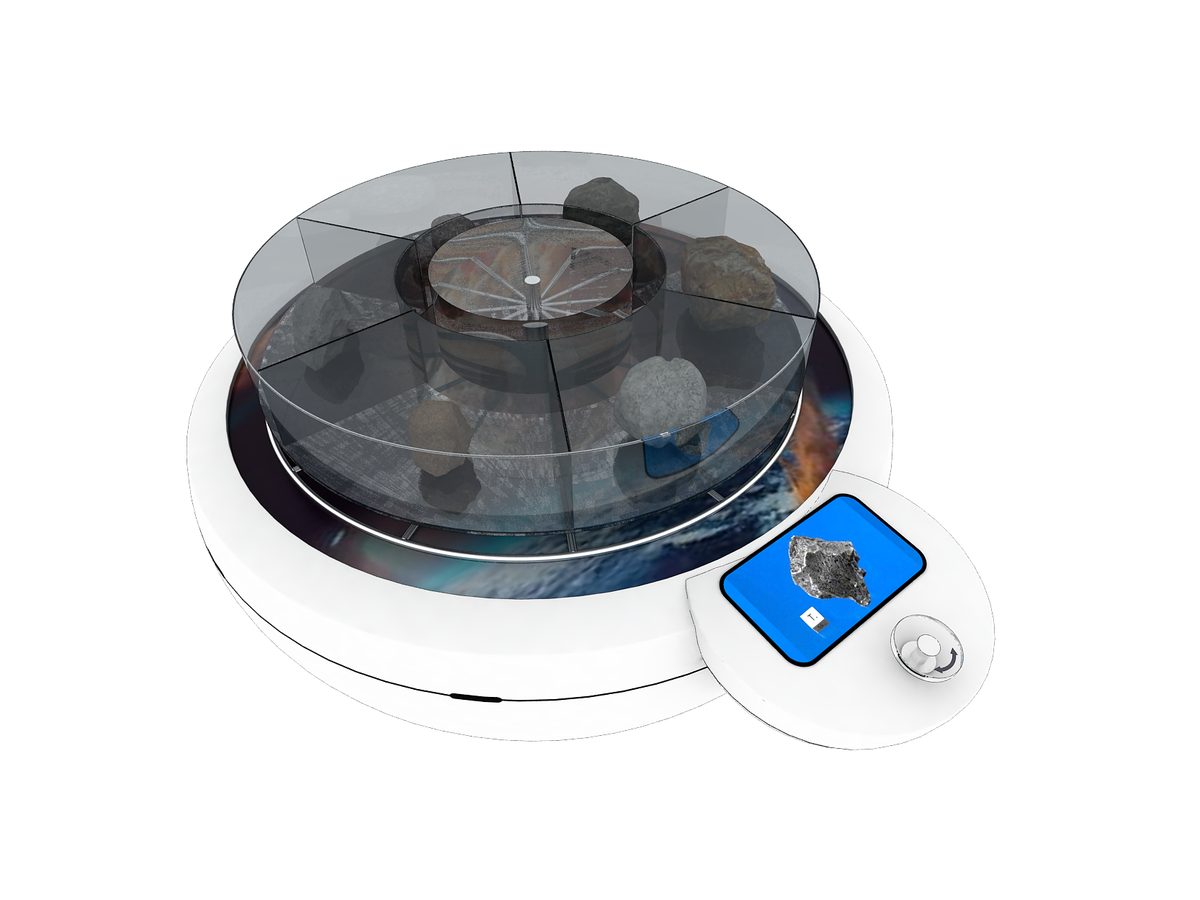
Real meteorite samples beside a simulated entry trail.
Attach a theme outline, a floor plan, or nothing at all — a photo of the space is enough to start. Quotations are issued against a real exhibit list, not per-square-metre guesses.
Scan to add us