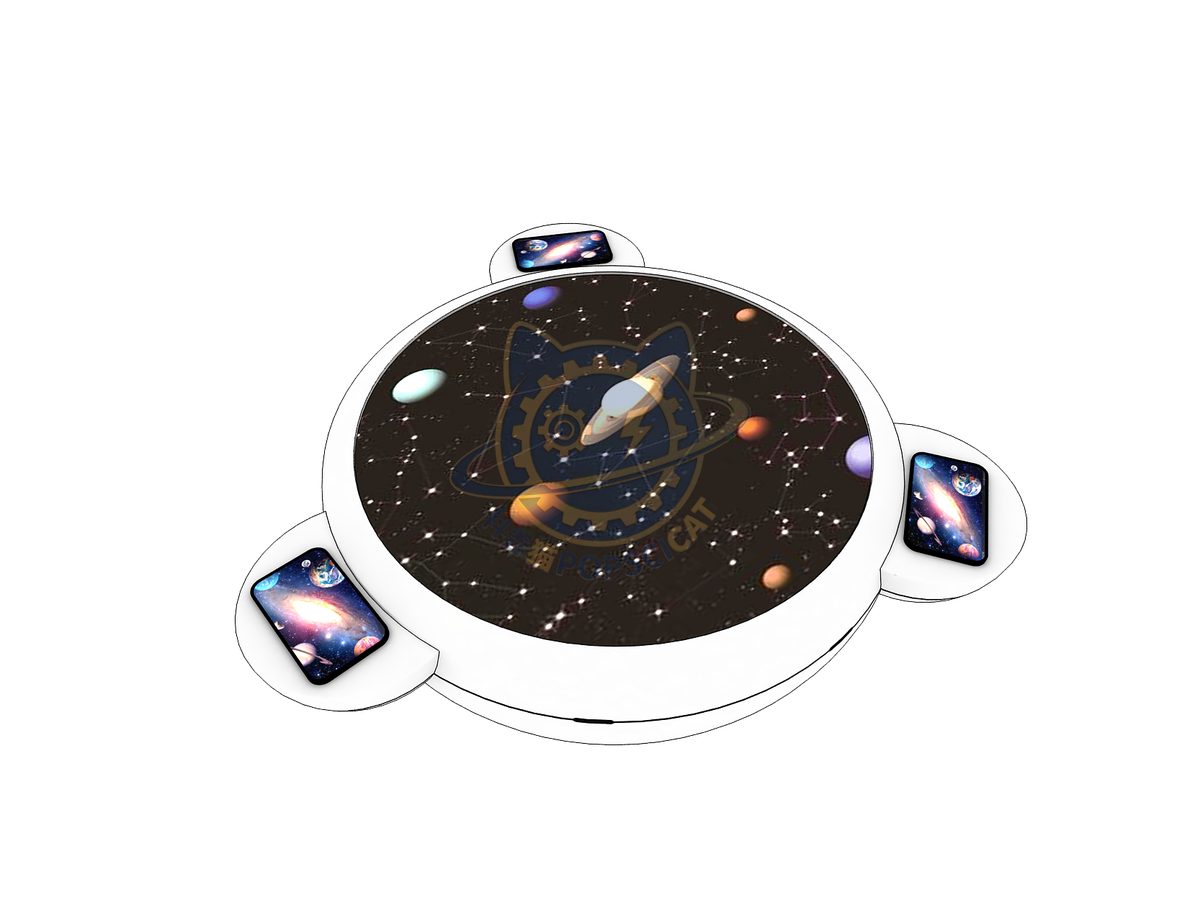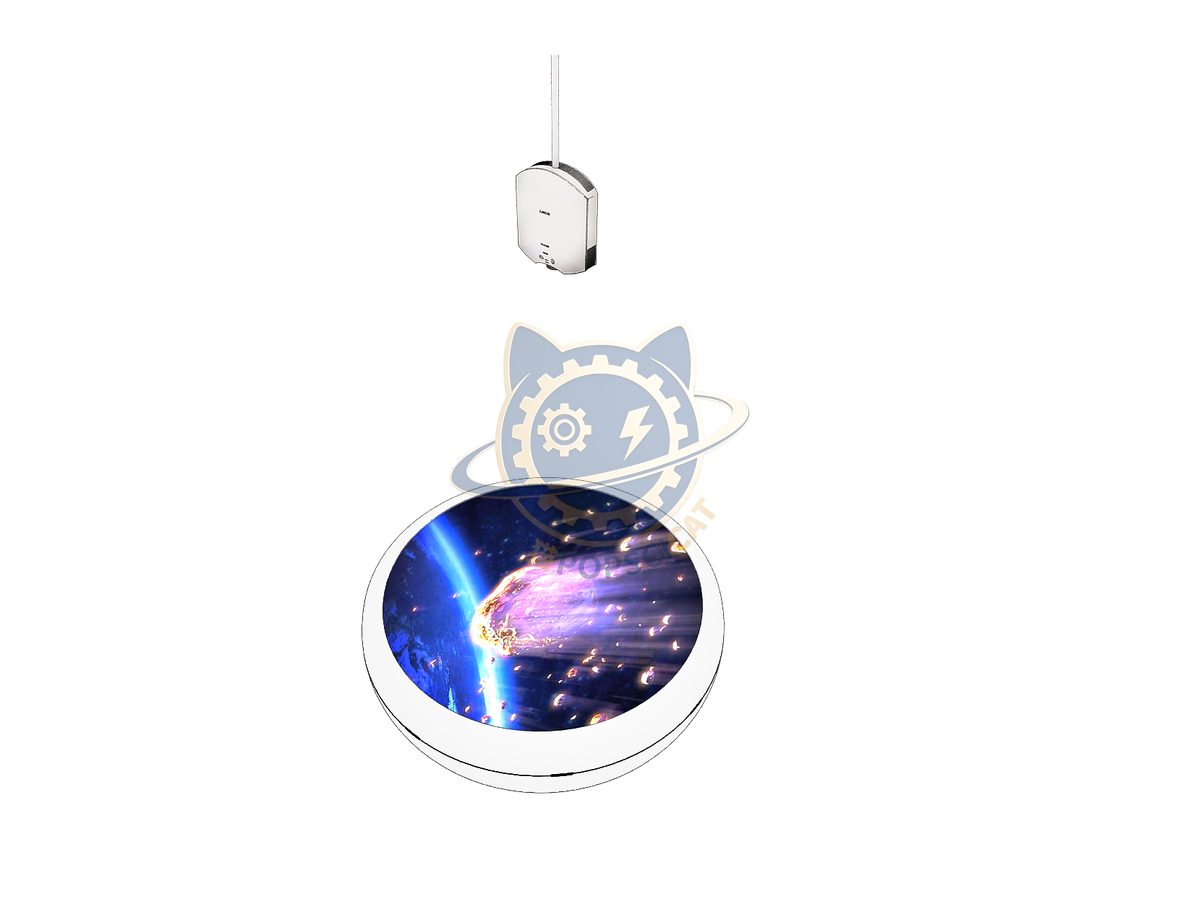
In the early stages of the Big Bang, in the high-temperature and high-density environment of the early universe,…
| Category | Aerospace & Astronomy |
|---|---|
| Standard size | Custom size |
| Supply | Single unit or batch · OEM to your drawing |
| Lead time | Standard 4–8 weeks after deposit (confirmed per contract) |
| Warranty | 1 year, structure and control |
| Documents | Specification sheet · control diagram · spare-part list |
A standard catalogue model: the dimensions, control package and finish are fixed, which is what keeps the price and the lead time predictable. Size, colour and interface language can be adapted without a new design cycle.
Standard models from this range are also listed in our online store, priced in USD — see the price yourself ↗
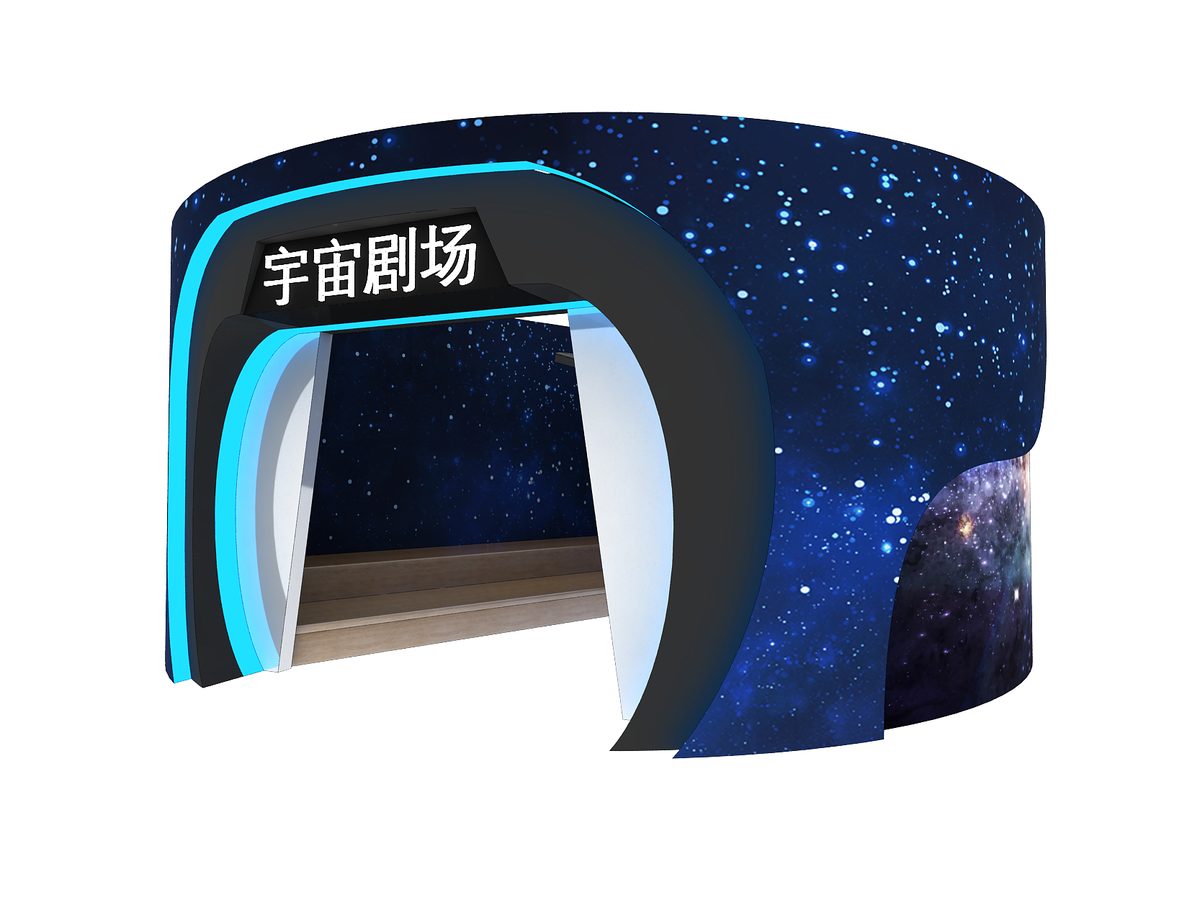
In the early stages of the Big Bang, in the high-temperature and high-density environment of the early universe, protons and neutrons combined to form light elements such as hydrogen, helium, and a small amount of lithium. Over time, stars are born, and within the star, light elements undergo nuclear fusion reactions to form heavier elements, such as hydrogen coalescing into helium, which then coalescing into carbon, oxygen, and other elements. When a supernova occurs at the end of a star's life, it releases enormous energy and can produce heavy elements such as gold and platinum, including iron. It is worth mentioning that there are diamond planets made of carbon elements in the universe, which form under specific conditions and are unique and precious entities in the universe.
The unit is designed for unsupervised public use: controls are recessed or shielded, moving parts are enclosed, and the interface is operable by a child of about six with no instruction. Where a screen is used, the language can be switched without changing the hardware, and the content can be replaced on site.
The origin of elements can be traced back to the Big Bang. In the Big Bang, matter in the universe was heated to extremely high temperatures, leading to the formation of elements. These elements gradually evolved into the elements we see today during the evolution of the universe. Hydrogen was the first elemental substance to evolve from energy after the Big Bang, followed by helium. These two elements dominate and are the most abundant in the universe. The aggregation of hydrogen and helium formed the first stars, which were the first stars in the universe. Currently, a total of 118 elements have been discovered. Each element represents an atom, with different numbers of protons, neutrons, electrons, and other elements inside. The most abundant element in the universe is hydrogen, accounting for over 90% of the total matter in the universe.
Every unit leaves the factory after a running test: mechanisms cycled, electronics burned in, edges dressed, fixings torqued and marked. Wear parts — bearings, sliders, lamps, belts, touch panels — are modular and listed on the spare-part sheet, so a venue technician can replace them without returning the exhibit. Crating is plywood with foam blocking; the loading plan and packing list travel with the shipment.
Other models from the Aerospace & Astronomy line, all held to the same specification and the same control package.

A curved screen and twelve seats for a six-minute flight.

Move a planet across the band and watch liquid water survive or boil.

A comet model whose tail always points away from the light source.

Real meteorite samples beside a simulated entry trail.
Attach a theme outline, a floor plan, or nothing at all — a photo of the space is enough to start. Quotations are issued against a real exhibit list, not per-square-metre guesses.
Scan to add us