Home/Exhibits/Aerospace & Astronomy/The Environmental History of Mars

The Environmental History of Mars

The past and present lives of Mars.

The Environmental History of Mars — Aerospace & Astronomy exhibit for science museums
Studio rendering
CategoryAerospace & Astronomy
Standard sizeCustom size
SupplySingle unit or batch · OEM to your drawing
Lead timeStandard 4–8 weeks after deposit (confirmed per contract)
Warranty1 year, structure and control
DocumentsSpecification sheet · control diagram · spare-part list

A standard catalogue model: the dimensions, control package and finish are fixed, which is what keeps the price and the lead time predictable. Size, colour and interface language can be adapted without a new design cycle.

Ask about this model → Email us

Standard models from this range are also listed in our online store, priced in USD — see the price yourself ↗
01 / Overview

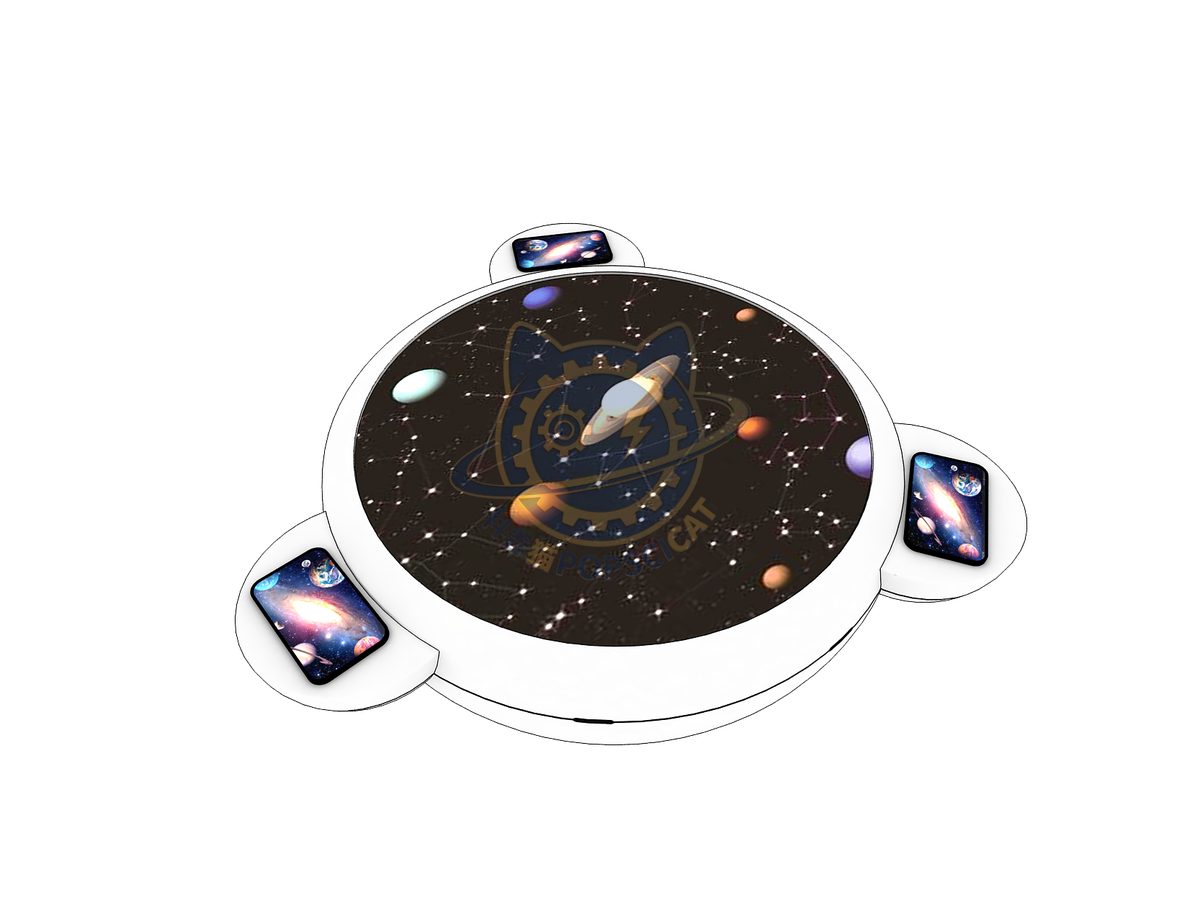
The past and present lives of Mars. Both Mars and Earth were formed about 4.5 billion years ago and initially had the conditions for life to develop. 3.8 billion years ago, Mars had a high-density atmosphere, warm climate, and large oceans of liquid water. However, due to its low gravity and weak magnetic field, Mars lost its water and atmosphere under the influence of the solar wind, becoming dry, cold, and turning its surface into a desert. And the Earth, on the other hand, maintains its vitality due to moderate gravity and magnetic field.

02 / How visitors use it

The unit is designed for unsupervised public use: controls are recessed or shielded, moving parts are enclosed, and the interface is operable by a child of about six with no instruction. Where a screen is used, the language can be switched without changing the hardware, and the content can be replaced on site.

03 / The science behind it

During the formation of the solar system, Mars and Earth were truly 'siblings'. They both formed about 4.5 billion years ago and initially had suitable conditions for nurturing life. Previous studies have shown that approximately 3.8 billion years ago, Mars had a denser atmosphere, a warmer climate, and large oceans composed of liquid water. However, due to its low gravity and weak magnetic field, Mars lost most of its water and atmosphere, becoming dry and cold, and its surface gradually turned into a barren red desert. The Earth, with moderate gravity and magnetic field, remains lush and vibrant. The exploration of the Martian environment and life is not only related to the question of the origin of life, but also to the fate and future of humanity. With the continuous research on fire exploration, one day humans may establish a Mars base, and even transform Mars into a second habitat for humans, "said Jiang Yun, associate researcher at the Astrophysics and Planetary Science Laboratory of Purple Gold Mountain Observatory.

04 / Built for a public floor

Every unit leaves the factory after a running test: mechanisms cycled, electronics burned in, edges dressed, fixings torqued and marked. Wear parts — bearings, sliders, lamps, belts, touch panels — are modular and listed on the spare-part sheet, so a venue technician can replace them without returning the exhibit. Crating is plywood with foam blocking; the loading plan and packing list travel with the shipment.

Same category

More in Aerospace & Astronomy

Other models from the Aerospace & Astronomy line, all held to the same specification and the same control package.

Start a project

Send us your exhibit list.
We will come back with a price.

Attach a theme outline, a floor plan, or nothing at all — a photo of the space is enough to start. Quotations are issued against a real exhibit list, not per-square-metre guesses.

WeChat QR code — scan to message us Scan to add us
on WeChat