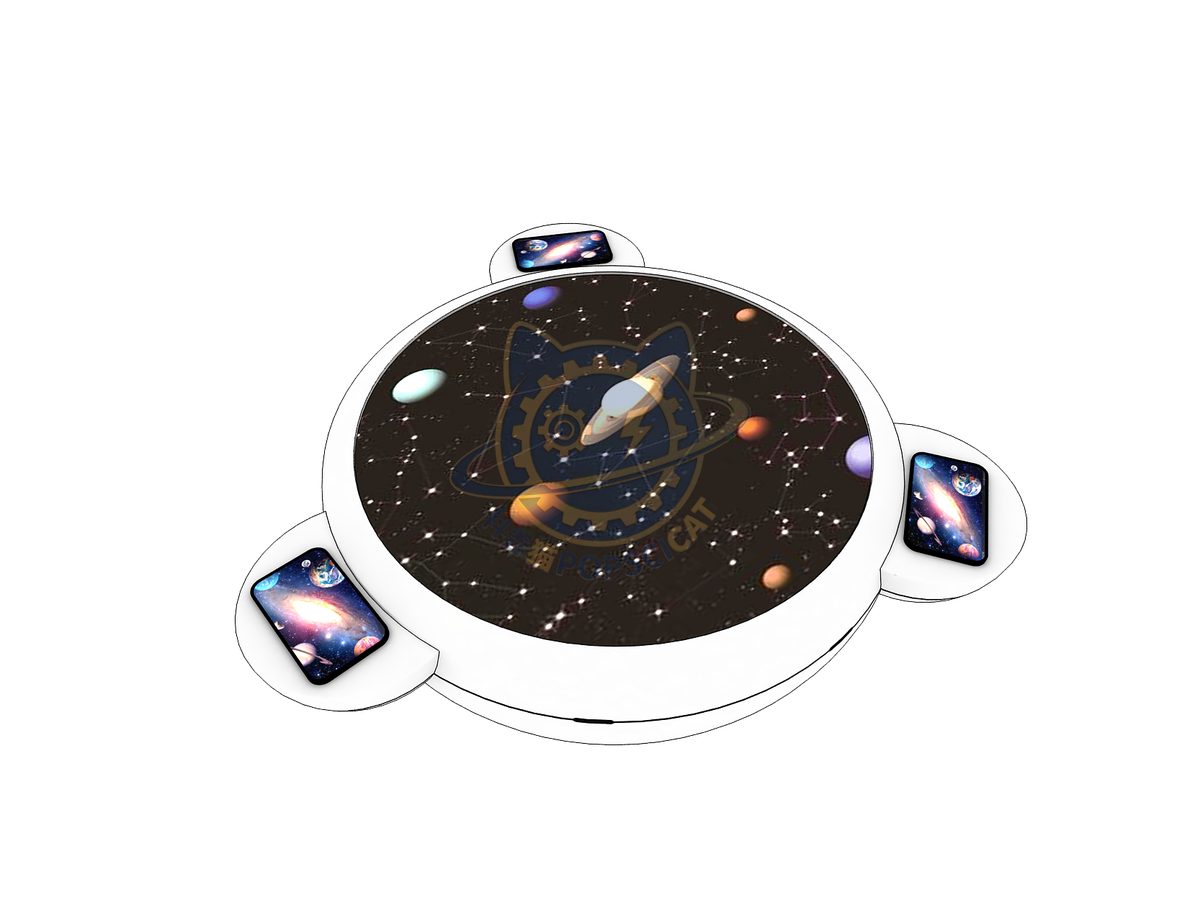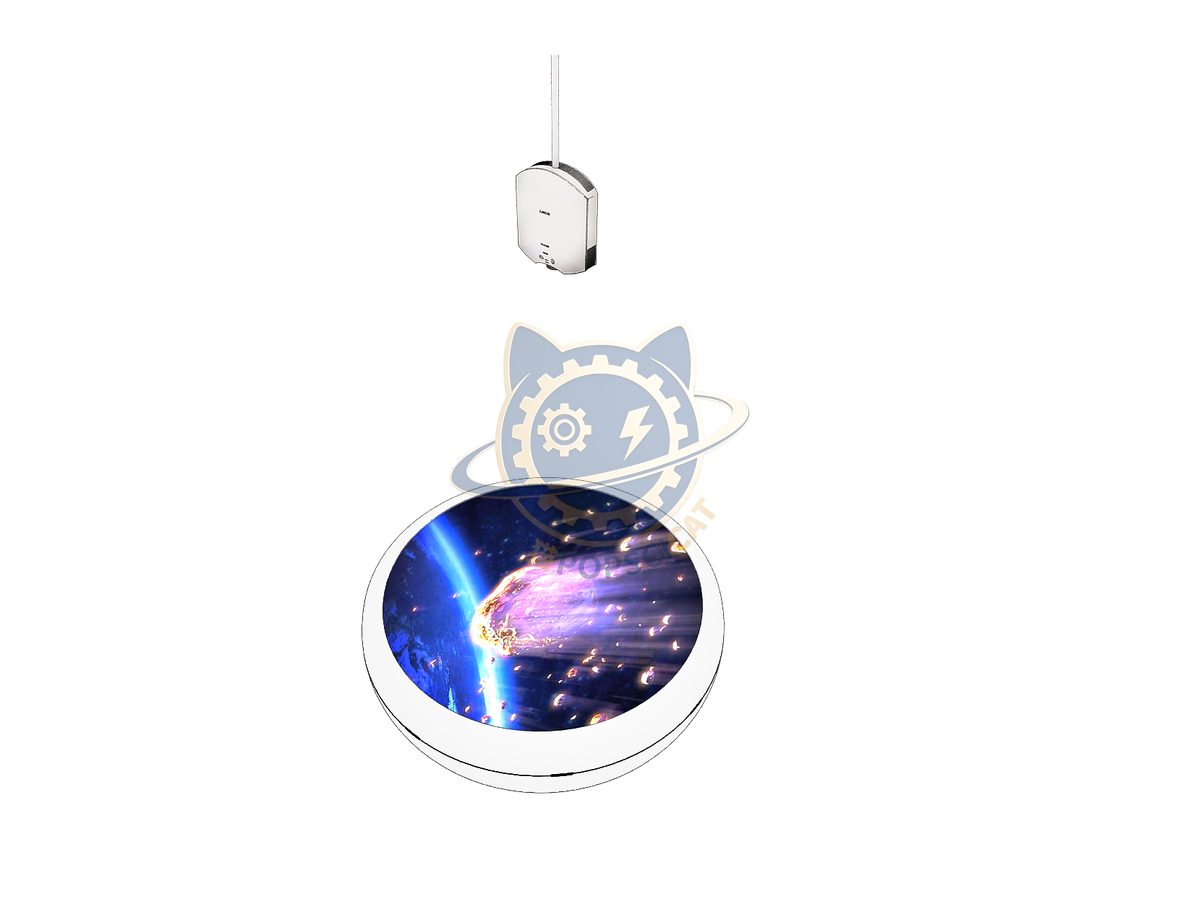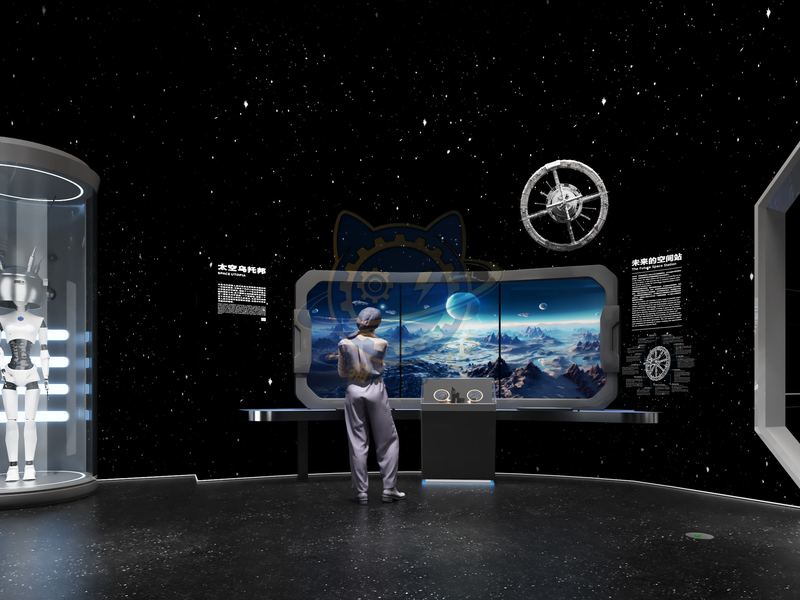
In the future, the space station will become an important base for humanity in space.
| Category | Aerospace & Astronomy |
|---|---|
| Standard size | Custom size |
| Supply | Single unit or batch · OEM to your drawing |
| Lead time | Standard 4–8 weeks after deposit (confirmed per contract) |
| Warranty | 1 year, structure and control |
| Documents | Specification sheet · control diagram · spare-part list |
A standard catalogue model: the dimensions, control package and finish are fixed, which is what keeps the price and the lead time predictable. Size, colour and interface language can be adapted without a new design cycle.
Standard models from this range are also listed in our online store, priced in USD — see the price yourself ↗
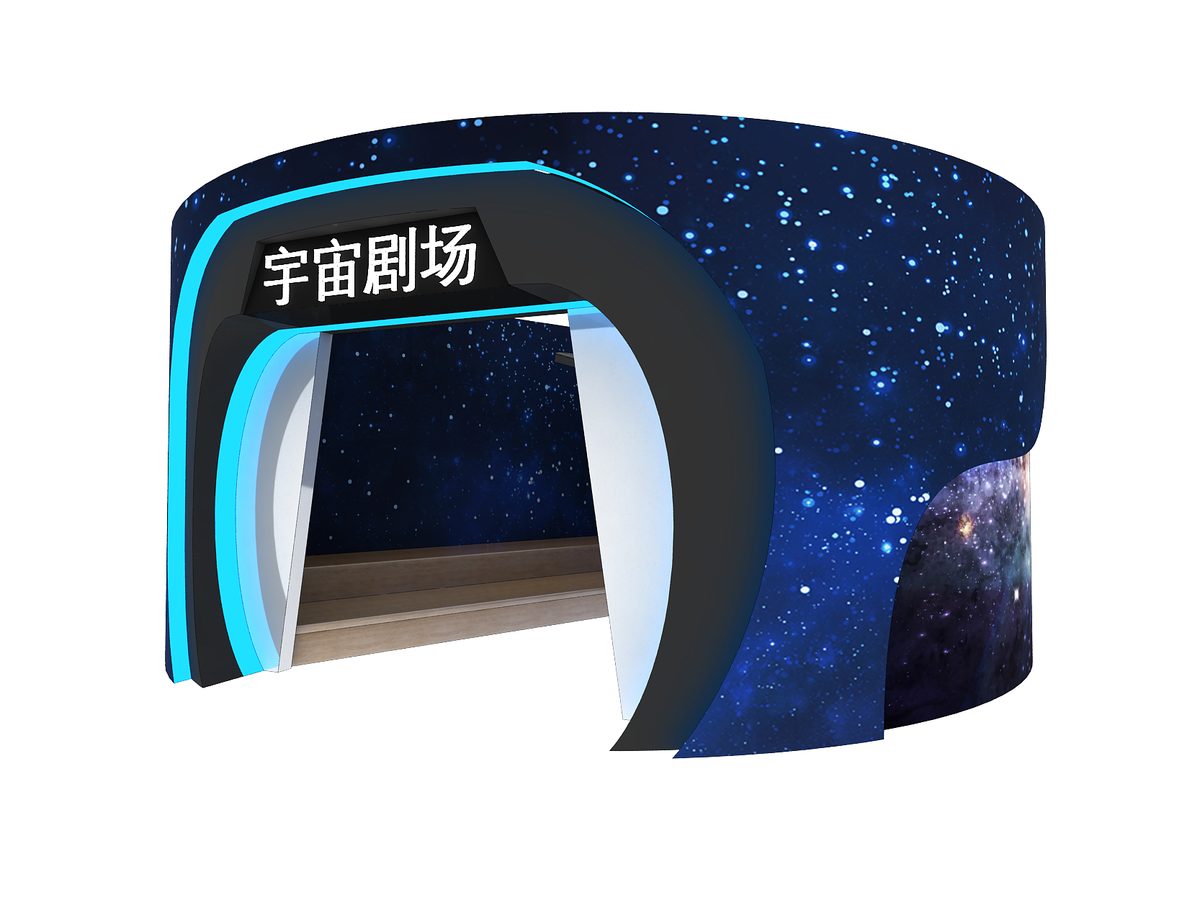
In the future, the space station will become an important base for humanity in space. It is not only the forefront of scientific research, but also the center of space science and technology experiments and international space cooperation. It will support various scientific experiments, promote the progress of space science, serve as a testing ground for new technologies, and provide key technical support for deep space exploration. In addition, future space stations will conduct more in-depth space medicine research, understand the impact of space life on the human body, and develop new medical technologies. Utilizing microgravity environment for the manufacturing and processing of special materials, and potentially becoming a center for commercial activities such as space tourism and space agriculture. This will be an important milestone for humanity in space, providing more possibilities for human activities in space.
The unit is designed for unsupervised public use: controls are recessed or shielded, moving parts are enclosed, and the interface is operable by a child of about six with no instruction. Where a screen is used, the language can be switched without changing the hardware, and the content can be replaced on site.
The future space station is a high-tech platform for living and working in space, designed and operated based on scientific principles such as space dynamics, life support systems, energy management, and communication technology. These space stations utilize solar energy and advanced propulsion technology to maintain orbital stability, ensuring the survival needs of astronauts through a closed-loop life support system, while maintaining contact with Earth through efficient and reliable communication networks. In a microgravity environment, the space station supports a wide range of scientific research, including materials science, biology, and human medicine research, while also exploring and developing autonomous operation technologies, robot assisted operations, and radiation protection measures to adapt to long-term space exploration and habitation. The future space station is not only a research outpost, but also an important step for human expansion of space activities. The gravitational force exerted by the Earth on spacecraft becomes the centripetal force for spacecraft to orbit the Earth. Assuming that all objects on the spacecraft orbit the Earth due to the Earth's gravity.
Every unit leaves the factory after a running test: mechanisms cycled, electronics burned in, edges dressed, fixings torqued and marked. Wear parts — bearings, sliders, lamps, belts, touch panels — are modular and listed on the spare-part sheet, so a venue technician can replace them without returning the exhibit. Crating is plywood with foam blocking; the loading plan and packing list travel with the shipment.
Other models from the Aerospace & Astronomy line, all held to the same specification and the same control package.

A curved screen and twelve seats for a six-minute flight.

Move a planet across the band and watch liquid water survive or boil.

A comet model whose tail always points away from the light source.

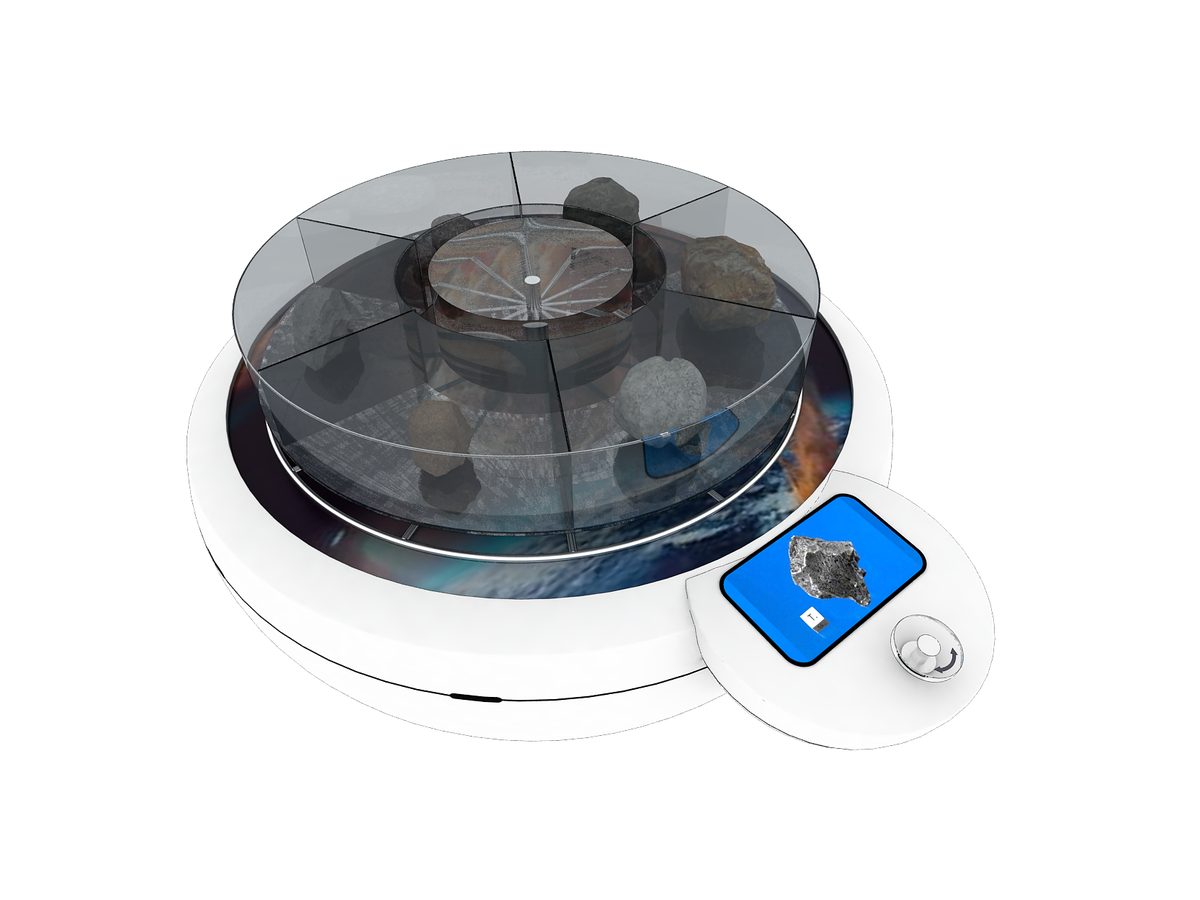
Real meteorite samples beside a simulated entry trail.
Attach a theme outline, a floor plan, or nothing at all — a photo of the space is enough to start. Quotations are issued against a real exhibit list, not per-square-metre guesses.
Scan to add us