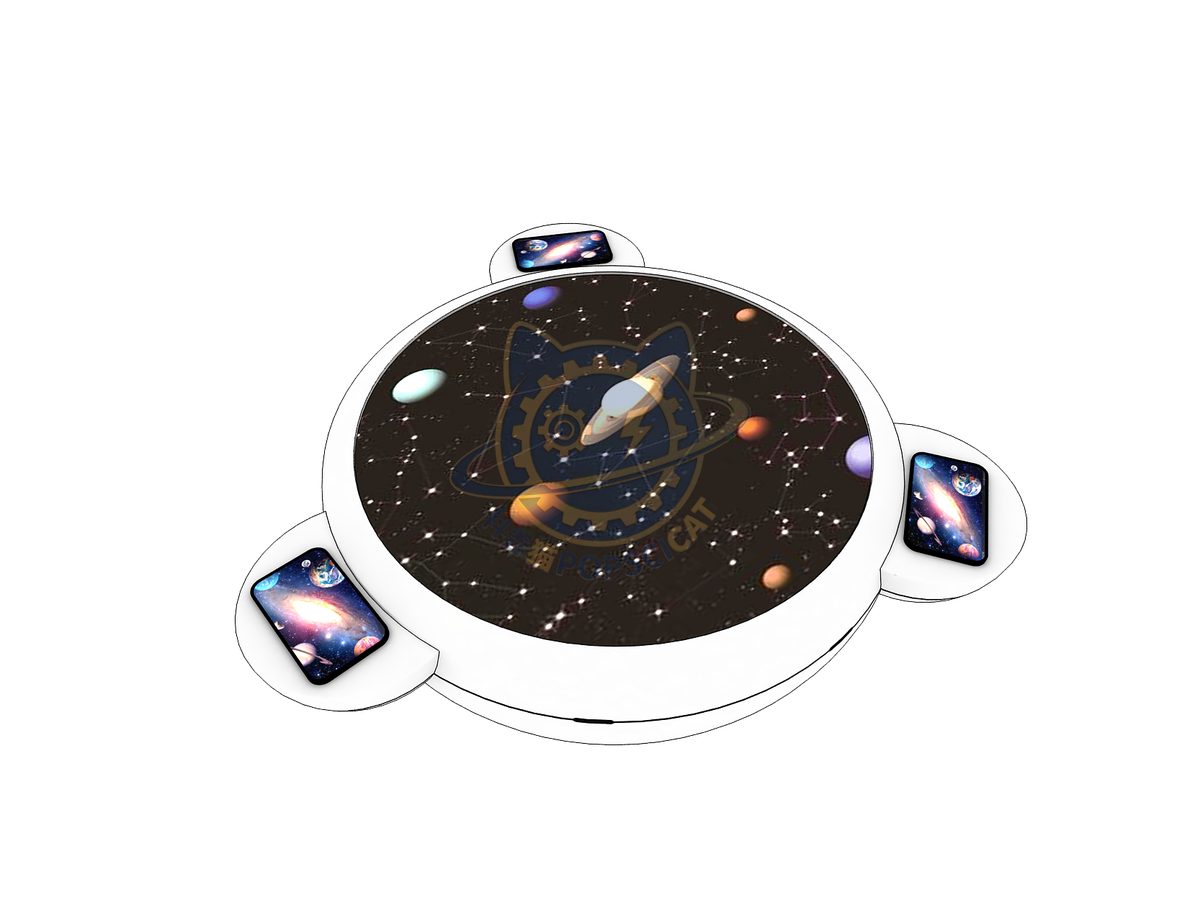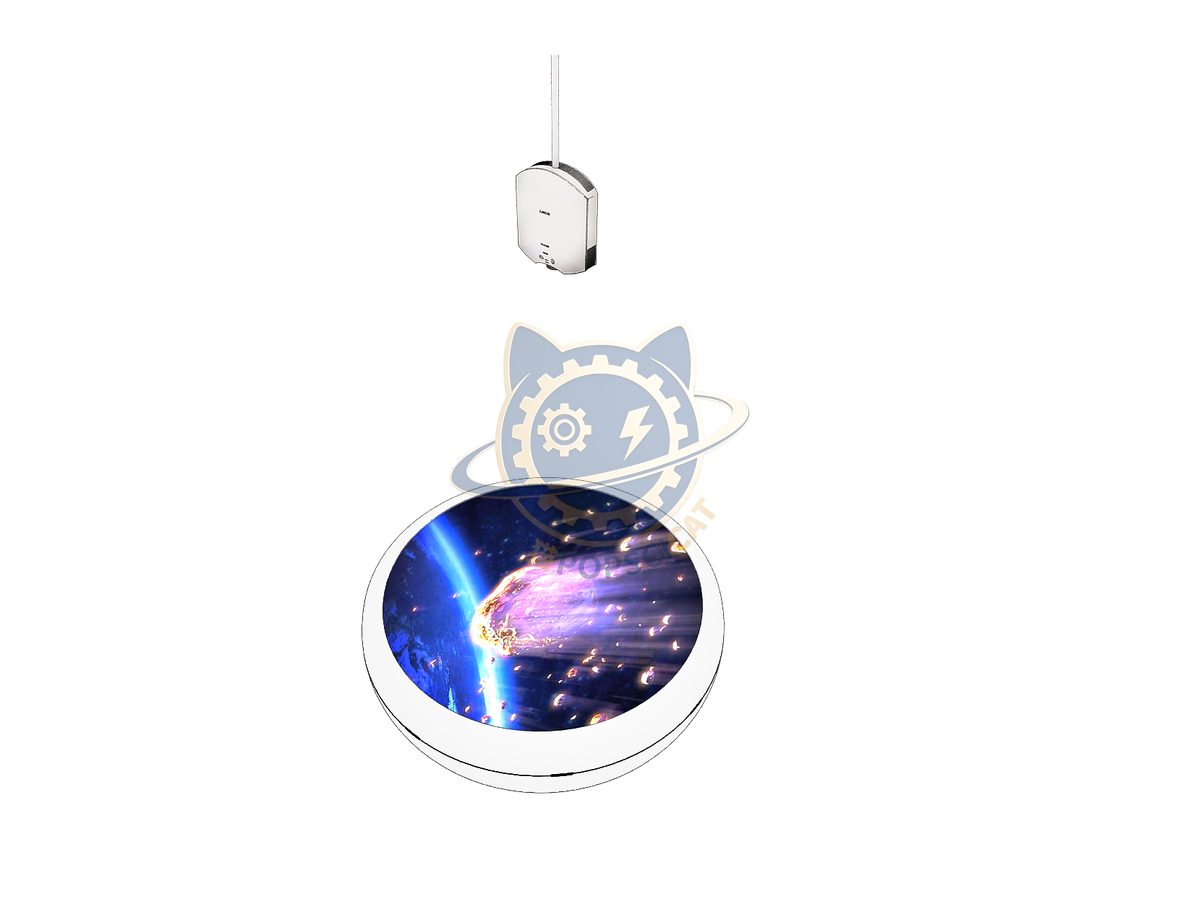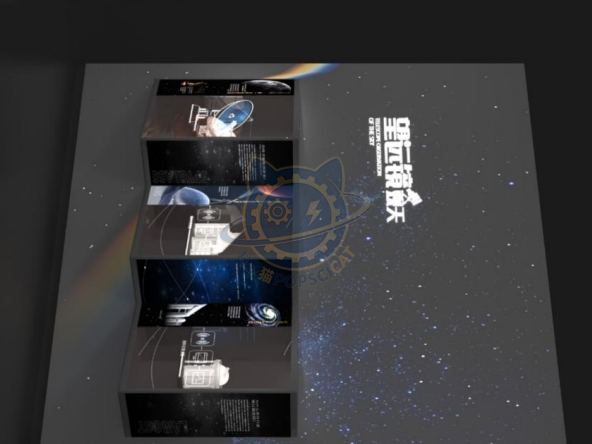
The Guo Shoujing Telescope is a Chinese created large field of view and large aperture spectroscopic survey…
| Category | Aerospace & Astronomy |
|---|---|
| Standard size | Custom size |
| Supply | Single unit or batch · OEM to your drawing |
| Lead time | Standard 4–8 weeks after deposit (confirmed per contract) |
| Warranty | 1 year, structure and control |
| Documents | Specification sheet · control diagram · spare-part list |
A standard catalogue model: the dimensions, control package and finish are fixed, which is what keeps the price and the lead time predictable. Size, colour and interface language can be adapted without a new design cycle.
Standard models from this range are also listed in our online store, priced in USD — see the price yourself ↗
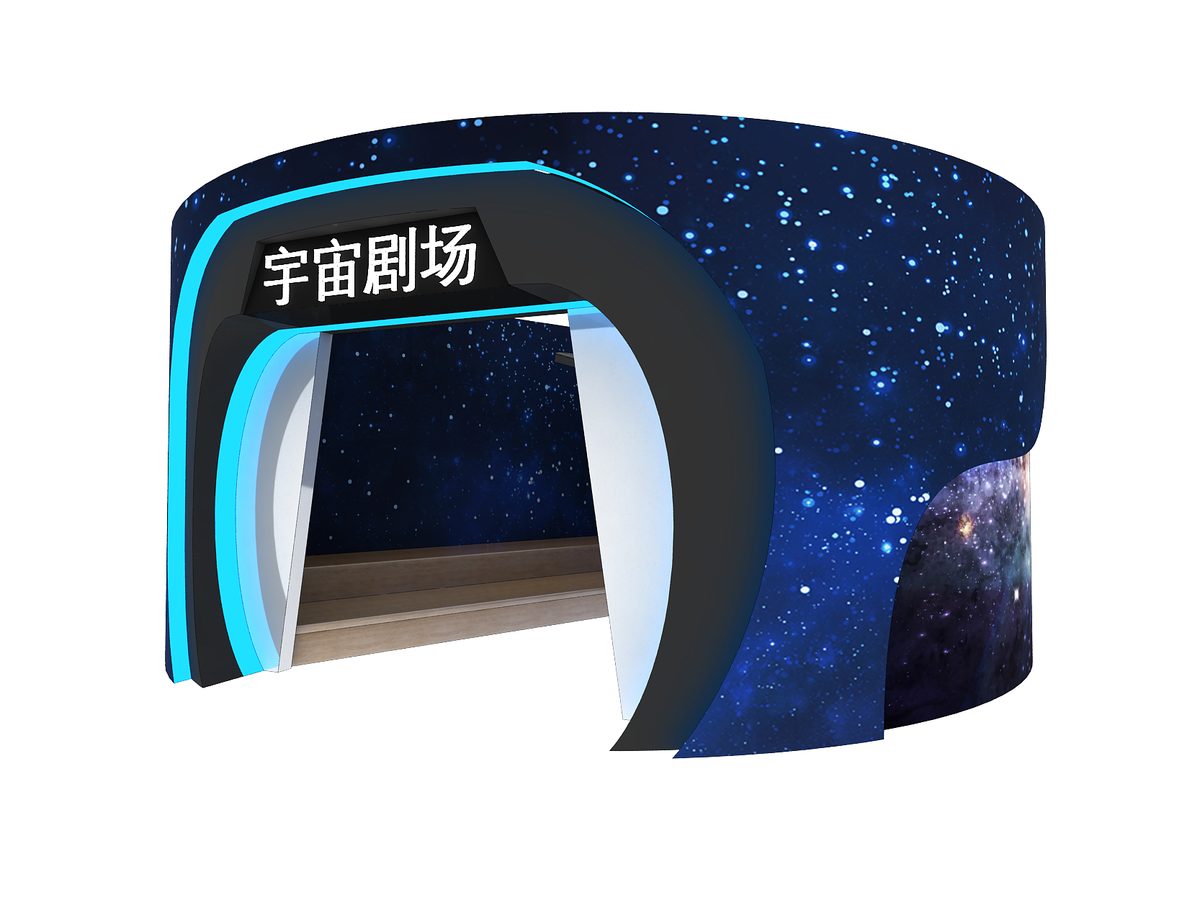
The Guo Shoujing Telescope is a Chinese created large field of view and large aperture spectroscopic survey telescope, abbreviated as LAMOST. Internationally, it was the first to develop a large-scale spectral survey that simultaneously observes the spectra of thousands of celestial bodies, capable of observing 4000 celestial bodies at the same time, greatly promoting the study of the formation and evolution of the Milky Way and general galaxies.
The unit is designed for unsupervised public use: controls are recessed or shielded, moving parts are enclosed, and the interface is operable by a child of about six with no instruction. Where a screen is used, the language can be switched without changing the hardware, and the content can be replaced on site.
LAMOST is the English abbreviation for "Large Area Multi Object Fiber Optic Spectral Astronomical Telescope". It is a spectral survey telescope that uses spectroscopic methods to study the physical properties and chemical composition of celestial bodies. LAMOST consists of three parts: a reflective Schmidt correction mirror, a spherical main mirror, and a focal plane. Among them, the reflective Schmidt correction mirror is a mirror composed of 24 hexagonal plane sub mirrors spliced together, which can reflect the light emitted by celestial bodies onto the spherical main mirror. The spherical main mirror is a reflection mirror with a diameter of 6.5 meters, which can focus light onto the focal plane. 4000 optical fibers are installed on the focal plane, which can guide light to the spectrometer.
Every unit leaves the factory after a running test: mechanisms cycled, electronics burned in, edges dressed, fixings torqued and marked. Wear parts — bearings, sliders, lamps, belts, touch panels — are modular and listed on the spare-part sheet, so a venue technician can replace them without returning the exhibit. Crating is plywood with foam blocking; the loading plan and packing list travel with the shipment.
Other models from the Aerospace & Astronomy line, all held to the same specification and the same control package.

A curved screen and twelve seats for a six-minute flight.

Move a planet across the band and watch liquid water survive or boil.

A comet model whose tail always points away from the light source.

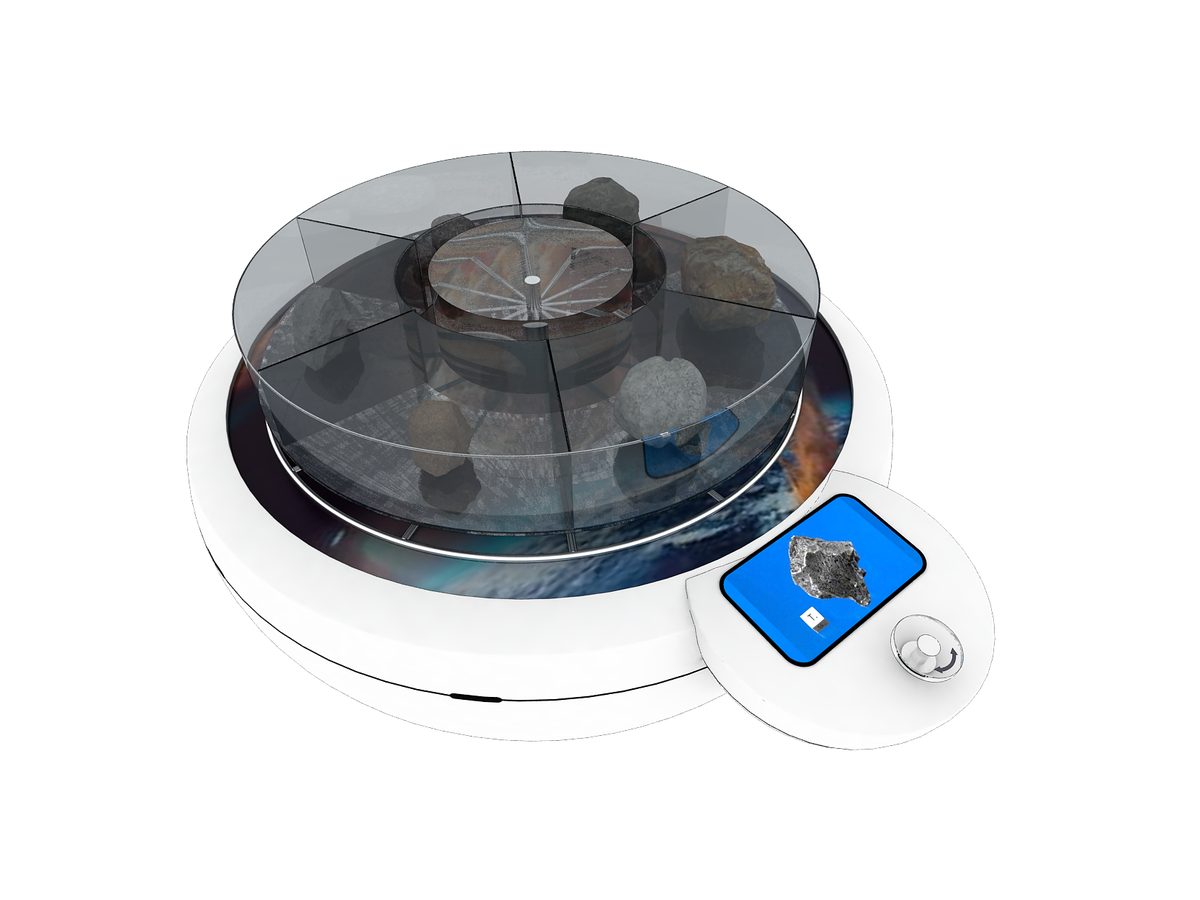
Real meteorite samples beside a simulated entry trail.
Attach a theme outline, a floor plan, or nothing at all — a photo of the space is enough to start. Quotations are issued against a real exhibit list, not per-square-metre guesses.
Scan to add us