Home/Exhibits/Aerospace & Astronomy/The lifetime of a star

The lifetime of a star

The life of a star is a magnificent epic of the universe.

The lifetime of a star — Aerospace & Astronomy exhibit for science museums
Reference image
CategoryAerospace & Astronomy
Standard sizeCustom size
SupplySingle unit or batch · OEM to your drawing
Lead timeStandard 4–8 weeks after deposit (confirmed per contract)
Warranty1 year, structure and control
DocumentsSpecification sheet · control diagram · spare-part list

A standard catalogue model: the dimensions, control package and finish are fixed, which is what keeps the price and the lead time predictable. Size, colour and interface language can be adapted without a new design cycle.

Ask about this model → Email us

Standard models from this range are also listed in our online store, priced in USD — see the price yourself ↗
01 / Overview

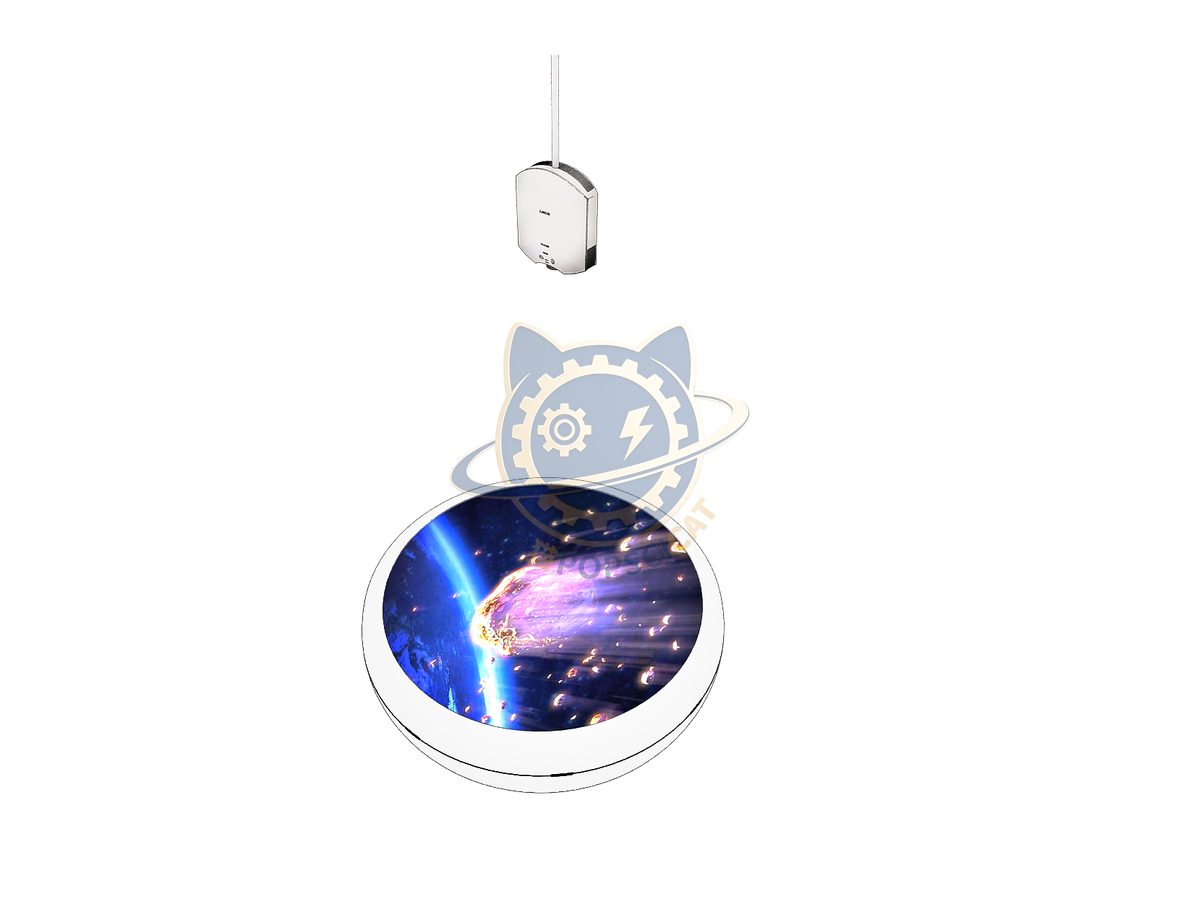
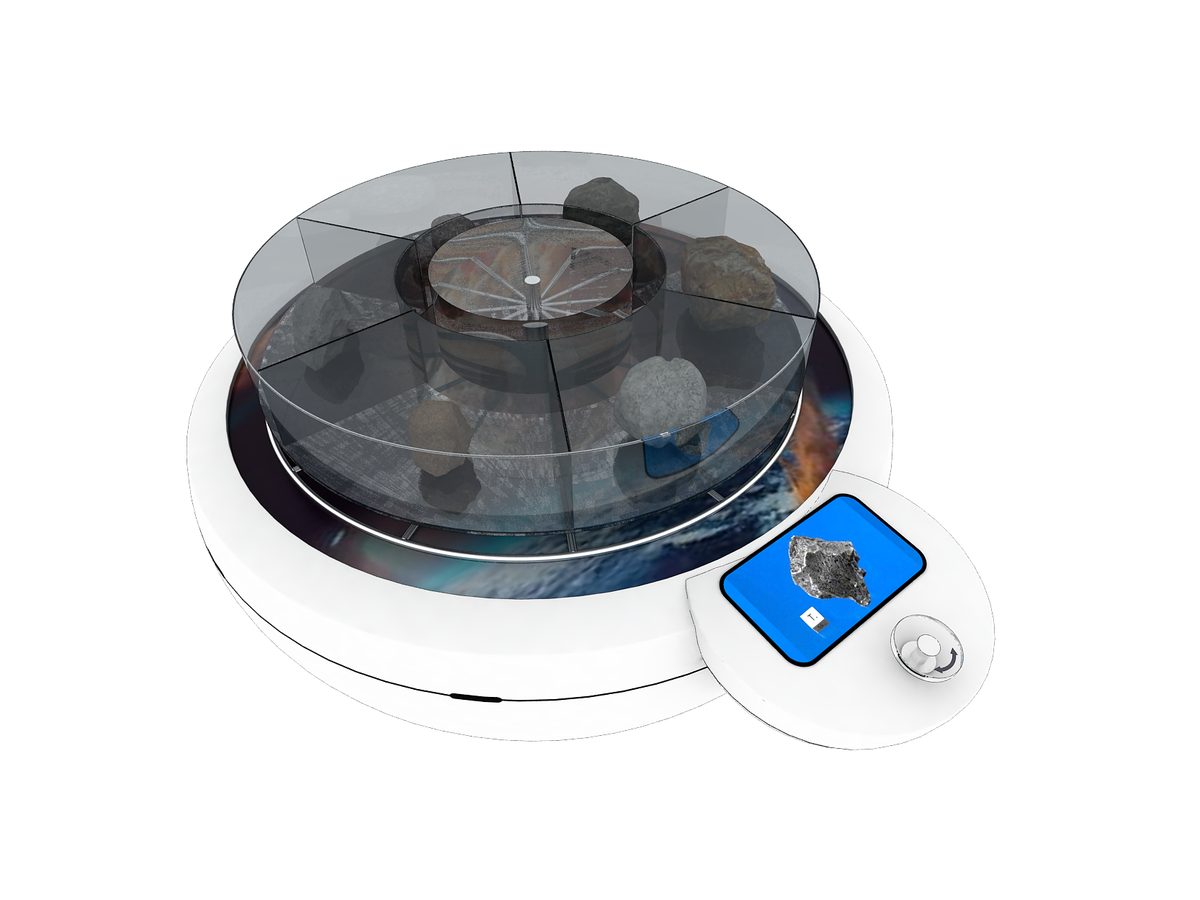
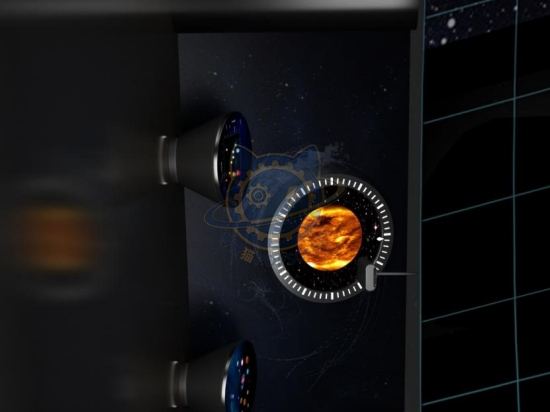
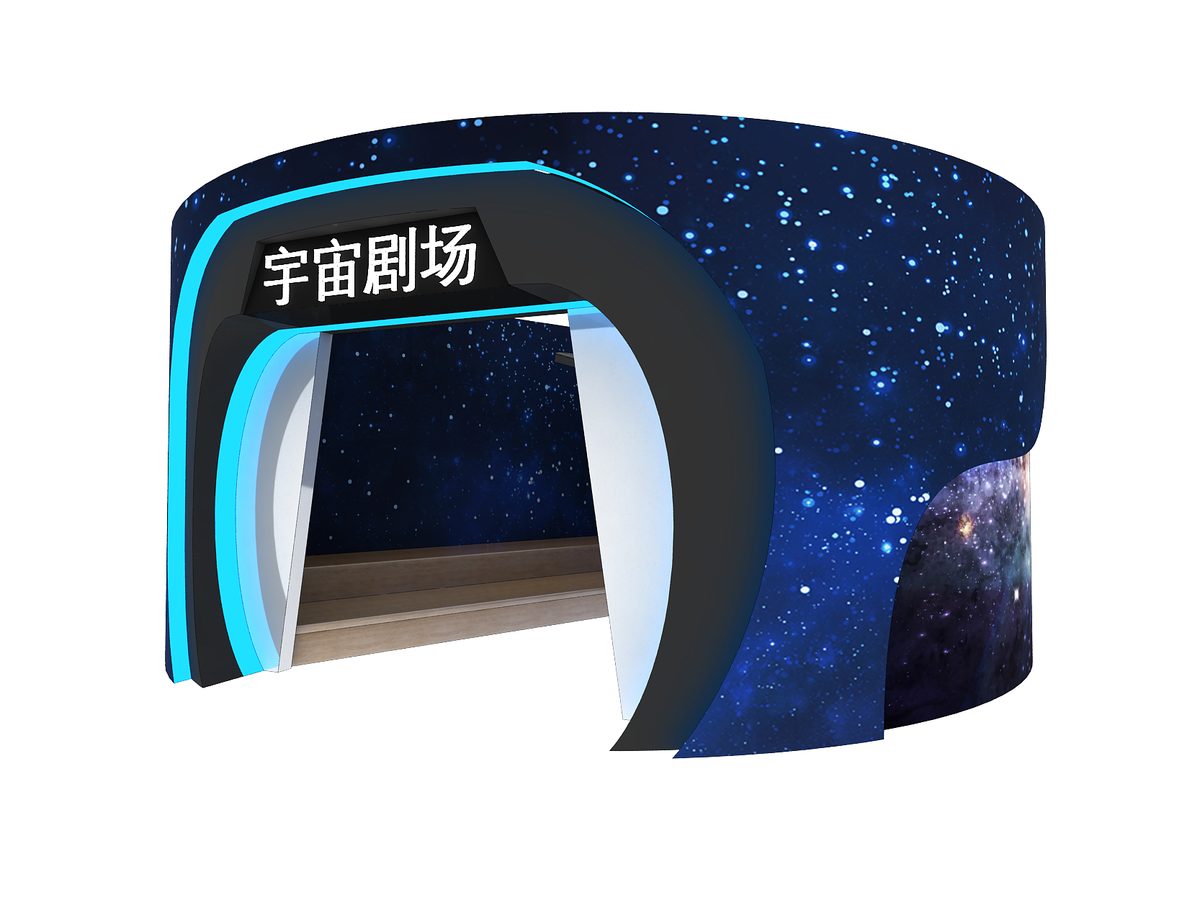
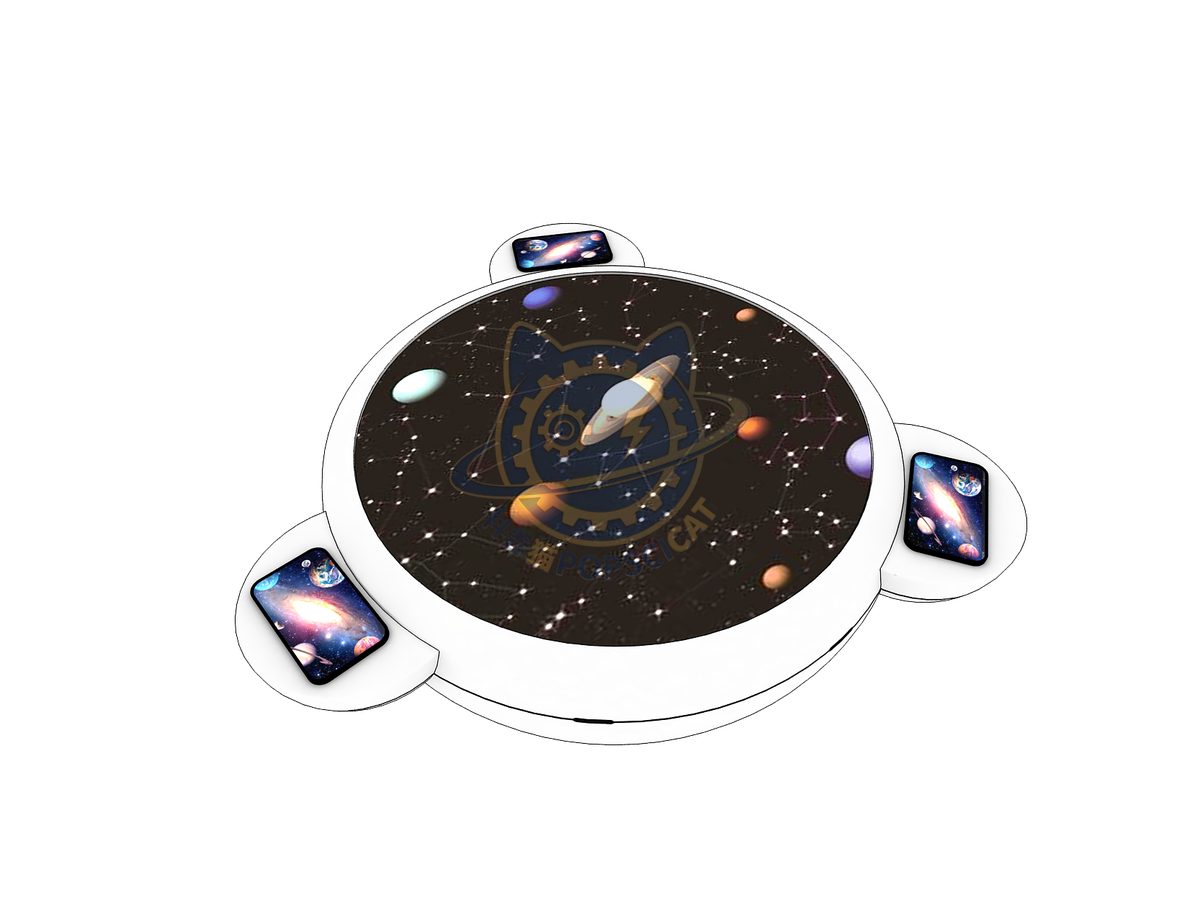
The life of a star is a magnificent epic of the universe. During the period of main sequence stars, hydrogen fusion provides energy. As hydrogen fuel decreases, star evolution varies. Small mass stars expand into red giants, and outer matter diffuses into planetary nebulae; Massive stars may explode into supernovae, collapse into neutron stars or black holes. The lifetime of a star creates the heavy elements in the universe, laying the material foundation for the birth of life. Stars are important witnesses to the evolution of the universe.

02 / How visitors use it

The unit is designed for unsupervised public use: controls are recessed or shielded, moving parts are enclosed, and the interface is operable by a child of about six with no instruction. Where a screen is used, the language can be switched without changing the hardware, and the content can be replaced on site.

03 / The science behind it

Hertzsprung Russell diagram, abbreviated as H-R diagram, HR diagram or HRD, is a scatter plot of a star's absolute magnitude or luminosity relative to its spectral type or effective temperature. Simply put, it plots each star on a chart that measures its temperature (color) and luminosity, regardless of the position of each star. The evolution of stars can be divided into four stages: the first stage is the birth of stars (juvenile period); The second stage is the main sequence week (prime period), during which most stars in the universe are in this stage; When a star becomes a red giant, it enters the third stage; Finally, the star enters the explosive stage, slowly collapsing and disappearing, and the final product is a black hole/white dwarf/neutron star. The initial mass is the most important factor affecting a star, and the influence of the stellar environment can also lead to completely different stars.

04 / Built for a public floor

Every unit leaves the factory after a running test: mechanisms cycled, electronics burned in, edges dressed, fixings torqued and marked. Wear parts — bearings, sliders, lamps, belts, touch panels — are modular and listed on the spare-part sheet, so a venue technician can replace them without returning the exhibit. Crating is plywood with foam blocking; the loading plan and packing list travel with the shipment.

Same category

More in Aerospace & Astronomy

Other models from the Aerospace & Astronomy line, all held to the same specification and the same control package.

Start a project

Send us your exhibit list.
We will come back with a price.

Attach a theme outline, a floor plan, or nothing at all — a photo of the space is enough to start. Quotations are issued against a real exhibit list, not per-square-metre guesses.

WeChat QR code — scan to message us Scan to add us
on WeChat