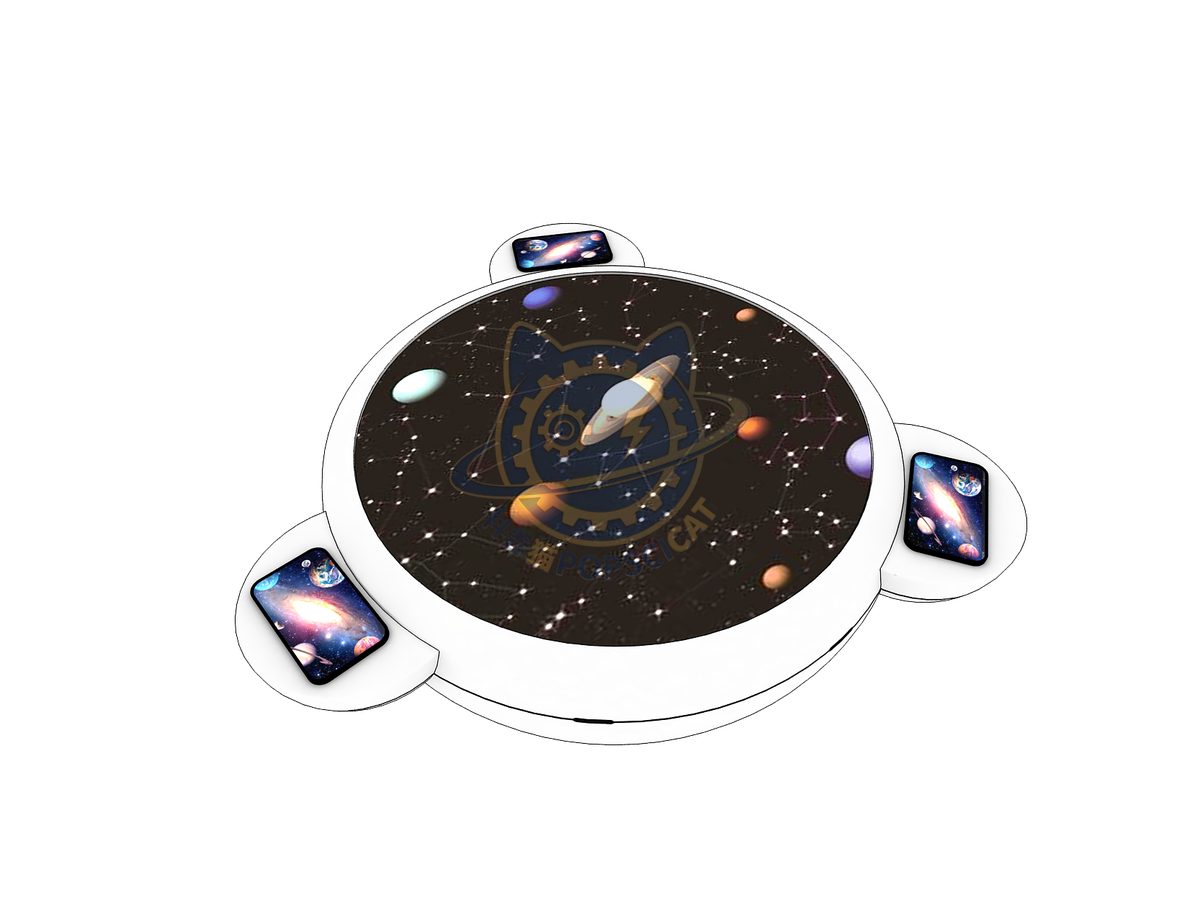
The Milky Way is a barred spiral galaxy, like a flat disk.
| Category | Aerospace & Astronomy |
|---|---|
| Standard size | Custom size |
| Supply | Single unit or batch · OEM to your drawing |
| Lead time | Standard 4–8 weeks after deposit (confirmed per contract) |
| Warranty | 1 year, structure and control |
| Documents | Specification sheet · control diagram · spare-part list |
A standard catalogue model: the dimensions, control package and finish are fixed, which is what keeps the price and the lead time predictable. Size, colour and interface language can be adapted without a new design cycle.
Standard models from this range are also listed in our online store, priced in USD — see the price yourself ↗
The Milky Way is a barred spiral galaxy, like a flat disk. From the side, it looks like a straight ribbon with uneven edges, with a noticeable protrusion in the middle. Under visible light, the Milky Way merges into the stars of the night sky, which is not easily recognizable with the naked eye alone. The exploration of the electromagnetic spectrum has allowed us to see a different Milky Way. From microwaves to gamma rays, we can see the dust and high-energy particles bursting out of intense celestial activity in hidden galaxies. The Milky Way in different wavelengths has its unique beauty.
The unit is designed for unsupervised public use: controls are recessed or shielded, moving parts are enclosed, and the interface is operable by a child of about six with no instruction. Where a screen is used, the language can be switched without changing the hardware, and the content can be replaced on site.
Electromagnetic waves within a certain frequency range can be seen by the human eye, which we call visible light or simply light. However, visible light only accounts for a small part of the electromagnetic spectrum and is a narrow definition of "light". In fact, the majority of the frequency components of light waves in the electromagnetic spectrum are invisible to the human eye. Cosmic electromagnetic waves are actually caused by heat and radiation in the universe, referring to various electromagnetic waves that propagate in space. The frequencies are mainly divided into the radio band (408MHz), radio band (2.5GHz), infrared, mid infrared, near-infrared, visible light, X-rays, gamma rays, and other wavelength ranges from high to low. These electromagnetic waves with different wavelengths carry different energies and information, which are of great significance for exploring the universe and understanding its physical phenomena.
Every unit leaves the factory after a running test: mechanisms cycled, electronics burned in, edges dressed, fixings torqued and marked. Wear parts — bearings, sliders, lamps, belts, touch panels — are modular and listed on the spare-part sheet, so a venue technician can replace them without returning the exhibit. Crating is plywood with foam blocking; the loading plan and packing list travel with the shipment.
Other models from the Aerospace & Astronomy line, all held to the same specification and the same control package.

A curved screen and twelve seats for a six-minute flight.

Move a planet across the band and watch liquid water survive or boil.

A comet model whose tail always points away from the light source.

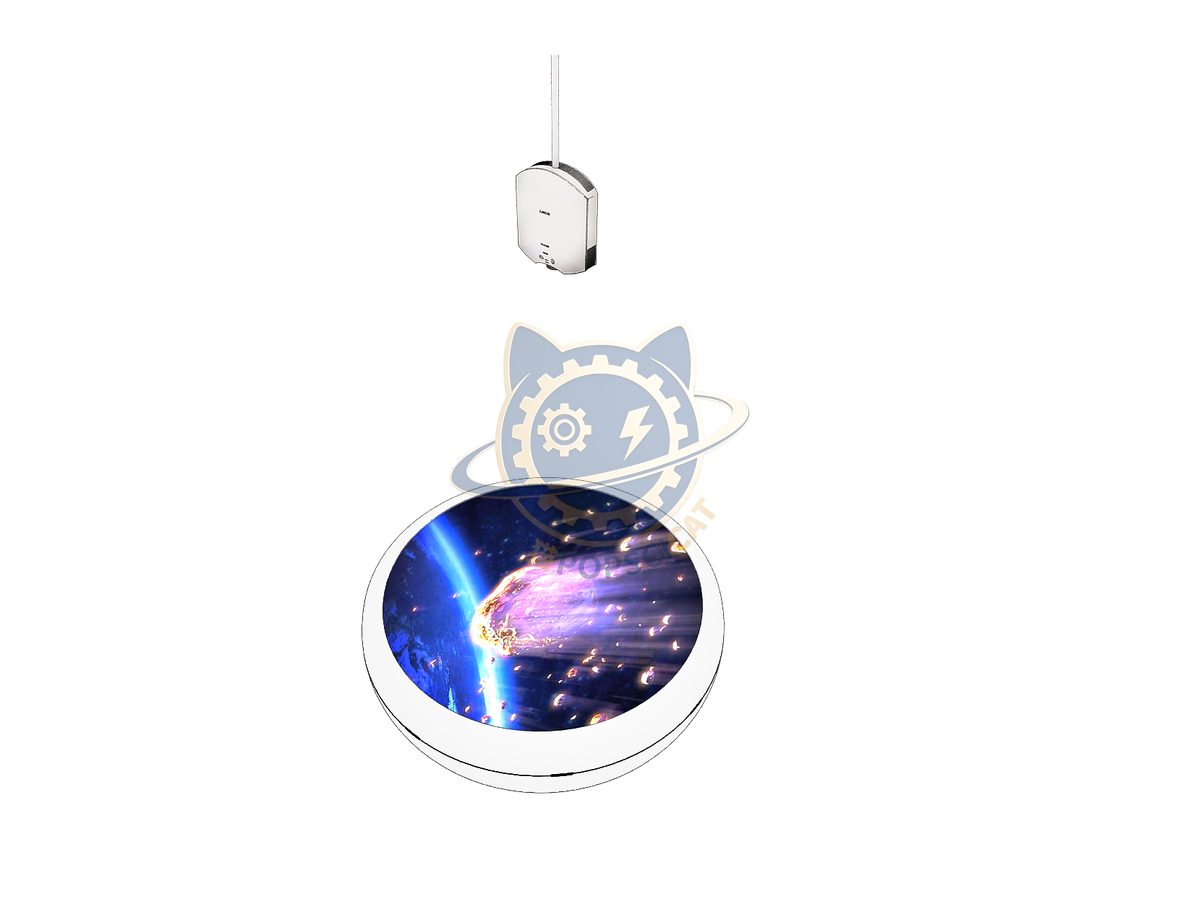
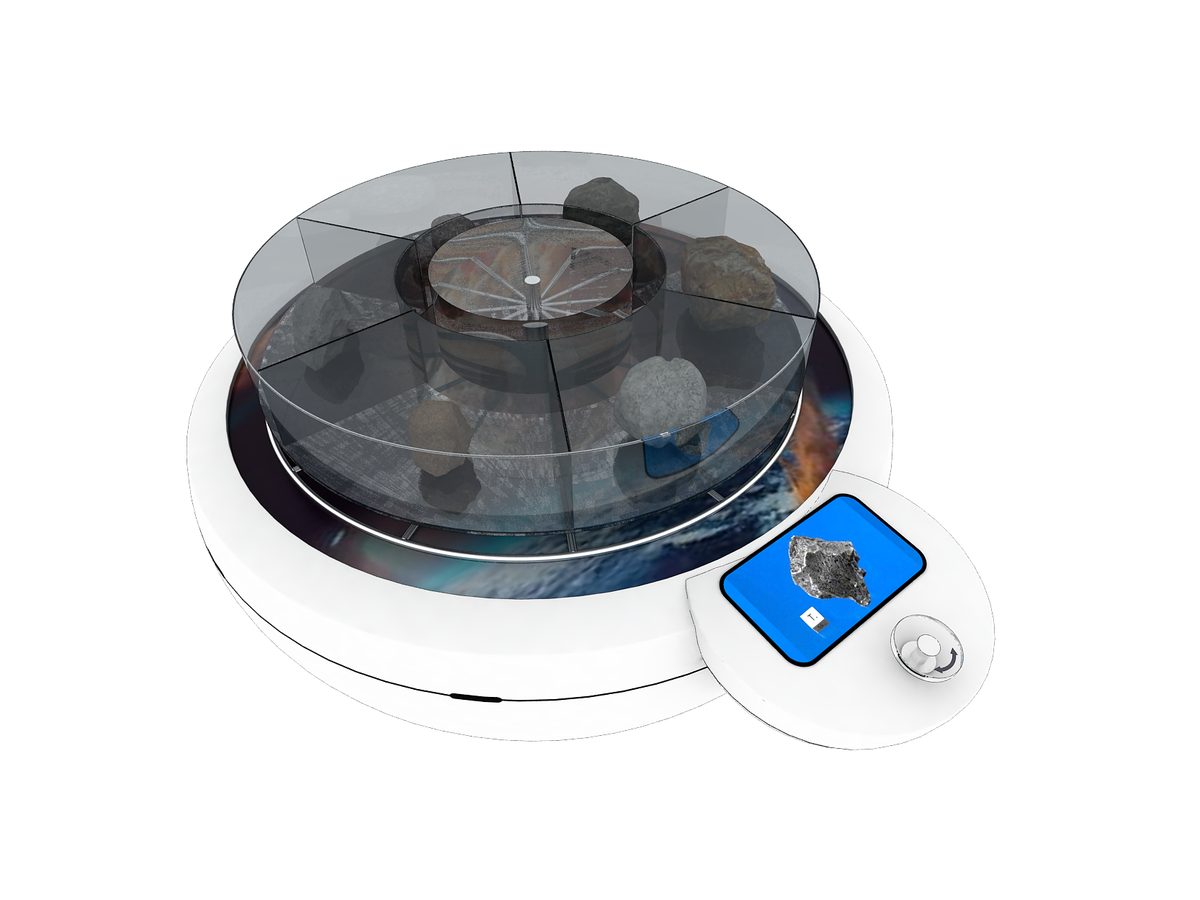
Real meteorite samples beside a simulated entry trail.
Attach a theme outline, a floor plan, or nothing at all — a photo of the space is enough to start. Quotations are issued against a real exhibit list, not per-square-metre guesses.
Scan to add us