Lightweight wheel design for lunar rover.
| Category | Aerospace & Astronomy |
|---|---|
| Standard size | Custom size |
| Supply | Single unit or batch · OEM to your drawing |
| Lead time | Standard 4–8 weeks after deposit (confirmed per contract) |
| Warranty | 1 year, structure and control |
| Documents | Specification sheet · control diagram · spare-part list |
A standard catalogue model: the dimensions, control package and finish are fixed, which is what keeps the price and the lead time predictable. Size, colour and interface language can be adapted without a new design cycle.
Standard models from this range are also listed in our online store, priced in USD — see the price yourself ↗
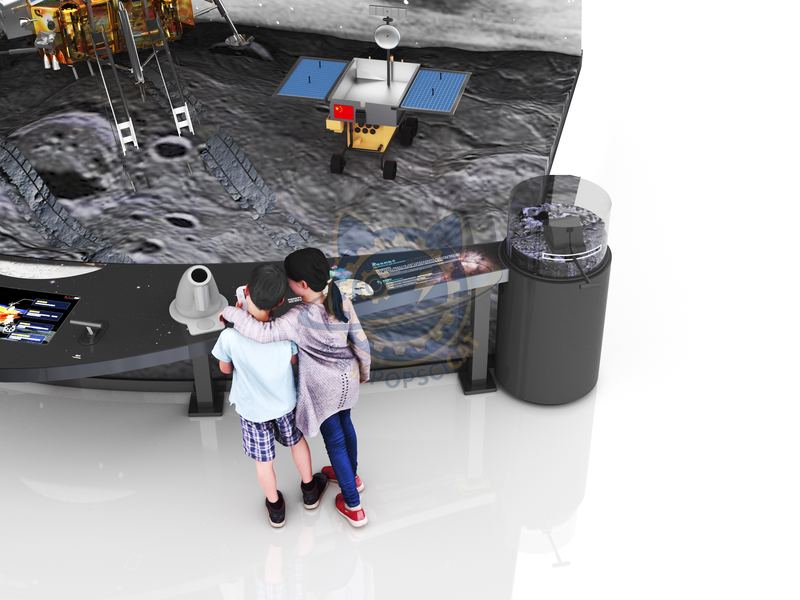
Lightweight wheel design for lunar rover. These are the wheels of the lunar rover, weighing only 735 grams. It adopts an innovative titanium alloy mesh structure, which not only significantly reduces the weight of the wheels, but also effectively prevents lunar soil from being sucked into the interior of the vehicle. The specially installed pawl structure on the wheel hub is both lightweight and sturdy. They can firmly grasp the terrain of the lunar surface, providing necessary grip and friction for the lunar rover to travel on the lunar surface, ensuring stability and safety during travel.
The unit is designed for unsupervised public use: controls are recessed or shielded, moving parts are enclosed, and the interface is operable by a child of about six with no instruction. Where a screen is used, the language can be switched without changing the hardware, and the content can be replaced on site.
Yutu "is a six wheel all wheel drive lunar rover consisting of nine subsystems, characterized by miniaturization, low energy consumption, and high integration. The "Yutu" mobile subsystem consists of 6 wheels, 6 travel drive mechanisms, 4 steering drive mechanisms, left and right rocker arm suspensions, and differential mechanisms. The wheels of the lunar rover have some special design requirements to adapt to the unique environment and gravity conditions on the lunar surface. The scientific principles of lunar rover wheels include low surface pressure, grip performance, shock absorption, and self-cleaning ability. The scientific principles of wheels include: wheel shape design; Material selection; Suspension system; Enhanced traction. The design of lunar rover wheels needs to consider the special environment and gravity conditions of the lunar surface, and meet low surface pressure, grip performance, and shock absorption mathematical principles through appropriate shapes, materials, and suspension systems. Understanding the structure, scientific principles, material selection, and lunar soil knowledge points of lunar rover wheels makes it more intuitive.
Every unit leaves the factory after a running test: mechanisms cycled, electronics burned in, edges dressed, fixings torqued and marked. Wear parts — bearings, sliders, lamps, belts, touch panels — are modular and listed on the spare-part sheet, so a venue technician can replace them without returning the exhibit. Crating is plywood with foam blocking; the loading plan and packing list travel with the shipment.
Other models from the Aerospace & Astronomy line, all held to the same specification and the same control package.

A curved screen and twelve seats for a six-minute flight.

Move a planet across the band and watch liquid water survive or boil.

A comet model whose tail always points away from the light source.

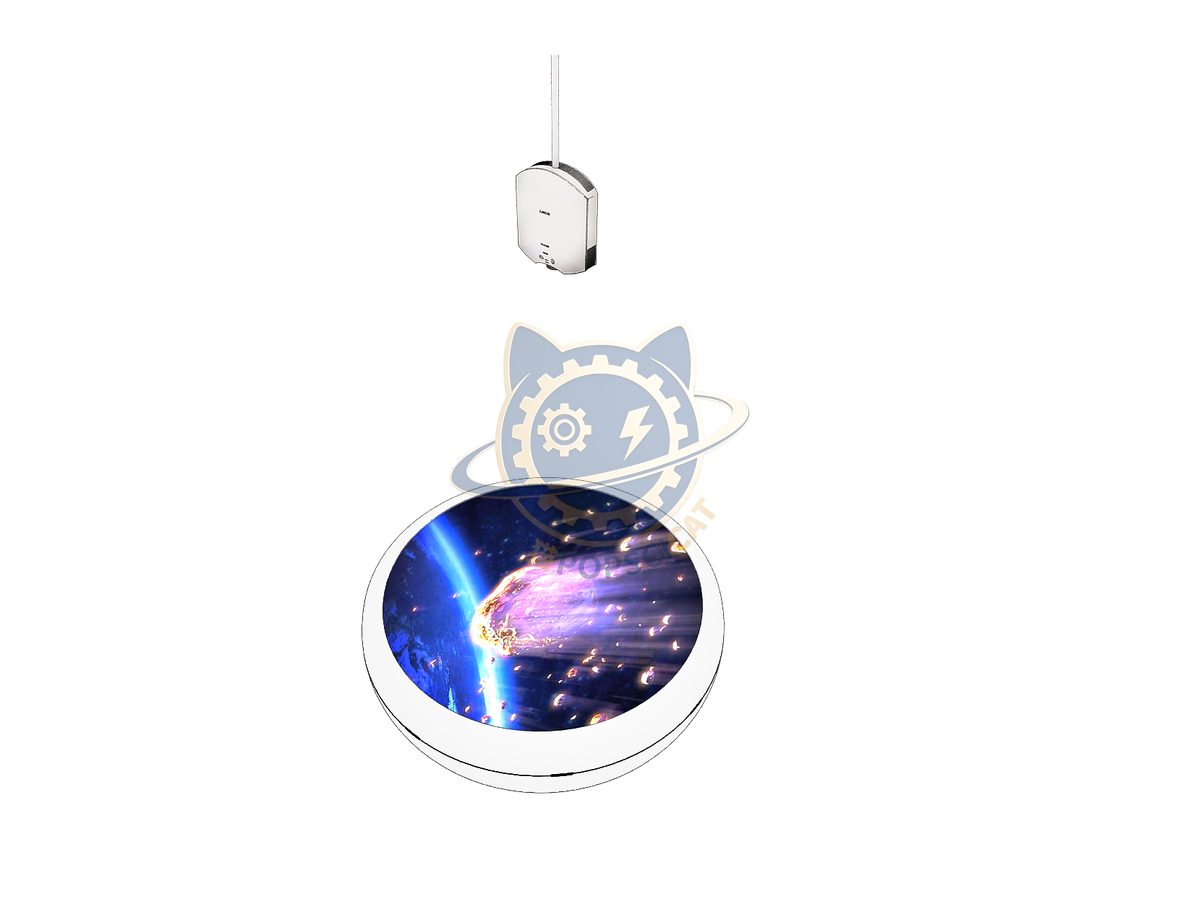
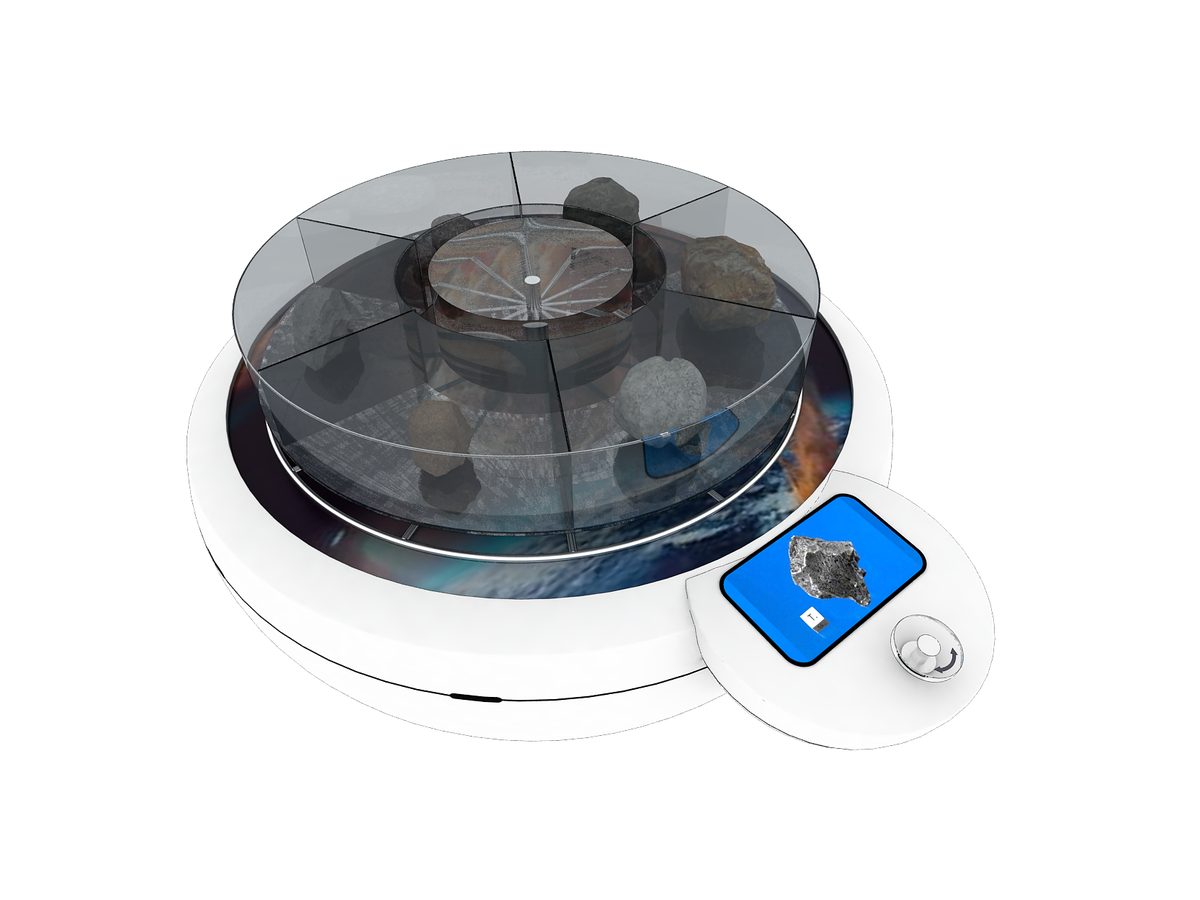
Real meteorite samples beside a simulated entry trail.
Attach a theme outline, a floor plan, or nothing at all — a photo of the space is enough to start. Quotations are issued against a real exhibit list, not per-square-metre guesses.
Scan to add us