Explore the evolution of land transportation, from the slow movement of carriages to the fast movement of high-speed…
| Category | City & Society |
|---|---|
| Standard size | Custom size |
| Supply | Single unit or batch · OEM to your drawing |
| Lead time | Standard 4–8 weeks after deposit (confirmed per contract) |
| Warranty | 1 year, structure and control |
| Documents | Specification sheet · control diagram · spare-part list |
A standard catalogue model: the dimensions, control package and finish are fixed, which is what keeps the price and the lead time predictable. Size, colour and interface language can be adapted without a new design cycle.
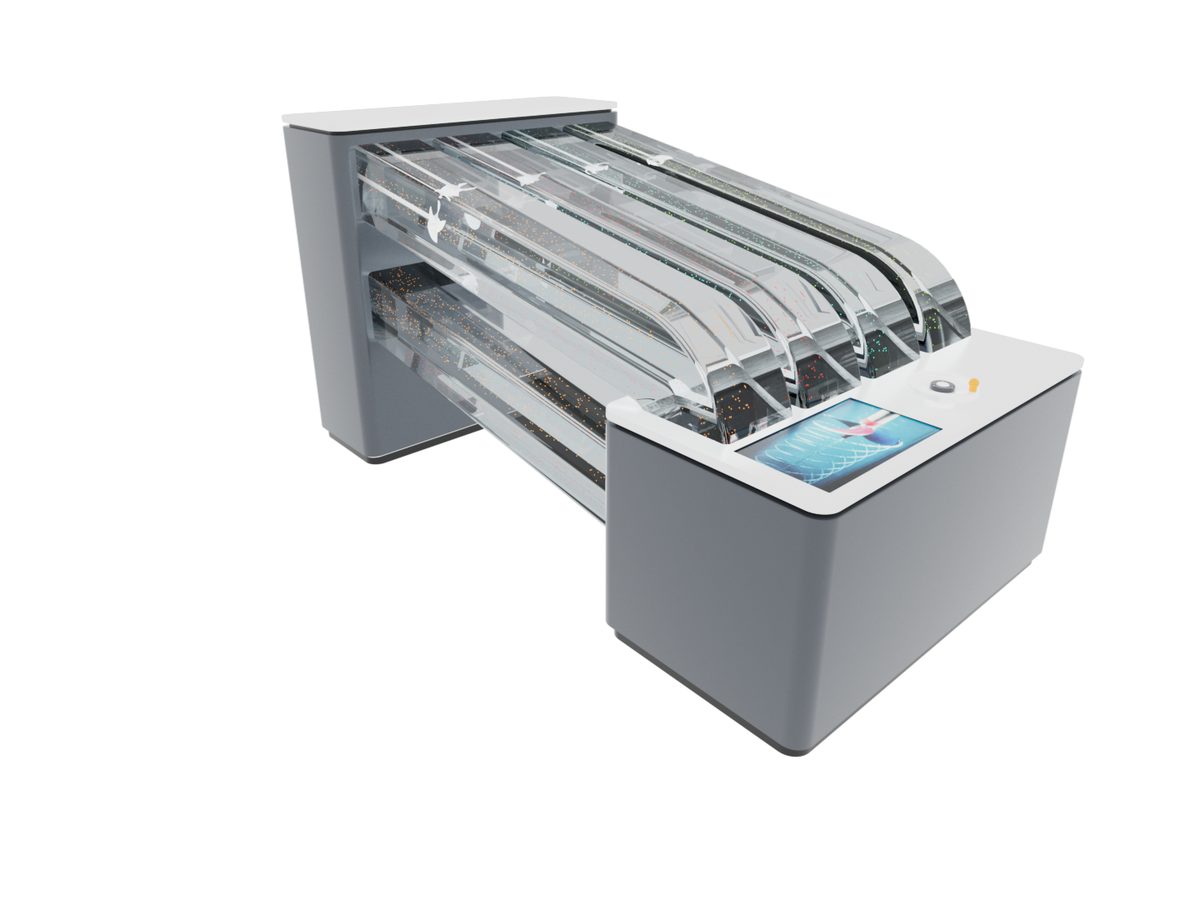
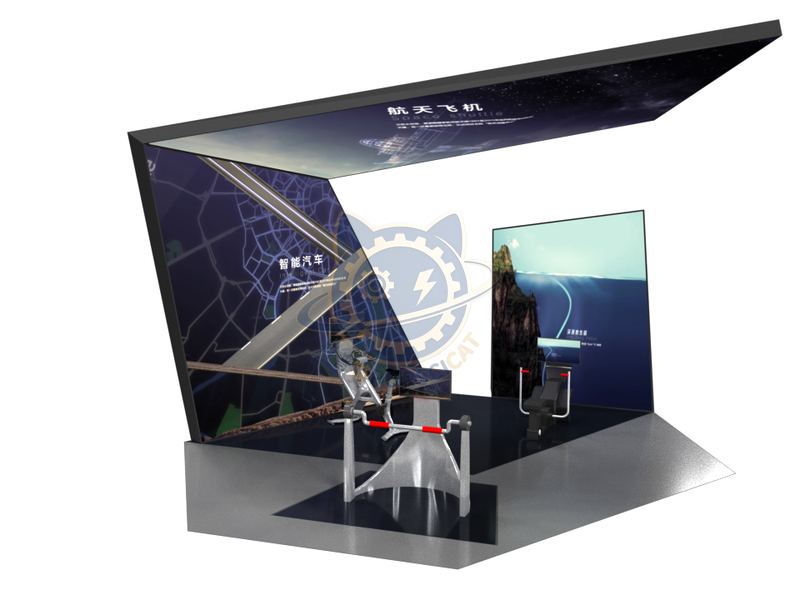
Explore the evolution of land transportation, from the slow movement of carriages to the fast movement of high-speed trains, and explore how these changes have affected our mode of travel. Experience the historical journey of land transportation together, feel the convenience brought by technological innovation, and gain a deeper understanding of the evolution process that changes daily life. The ancient carriage (around 2000 BC) was one of the earliest land transportation vehicles used for transporting goods and people, and was widely used in ancient Egypt, Greece, China, and other regions. The emergence of horse drawn carriages greatly improved the efficiency of land transportation. The Invention of Steam Locomotive (1814): British inventor George Stephenson invented the world's first steam locomotive, marking the arrival of the railway era. The invention of the internal combustion engine car (1885) was made by German engineer Karl Benz, who created the world's first internal combustion engine.
The unit is designed for unsupervised public use: controls are recessed or shielded, moving parts are enclosed, and the interface is operable by a child of about six with no instruction. Where a screen is used, the language can be switched without changing the hardware, and the content can be replaced on site.
Looking back at the evolution history of land transportation, starting from multiple milestone nodes in the evolution of land transportation vehicles, we will popularize the prominent changes in power, energy, materials, and shapes at different stages, allowing visitors to understand the evolution history of land transportation vehicles and their impact on human civilization. Walking: Early transportation was mainly used to meet people's living and production needs. Walking was the most primitive mode of transportation, and people reached their destinations by walking. Carriage: With the emergence of wheels, people began to use vehicles for transportation, and carriages became the main means of transportation. Steam trains: The emergence of steam trains marked the rise of railway transportation. At the beginning of the 19th century, the application of steam engines made trains a high-speed and large-scale land transportation tool. The operation of steam trains not only improved the transportation efficiency of goods and people, but also promoted connections between cities and countries, advancing the process of the Industrial Revolution. Automobiles: With the development of internal combustion engine technology, automobiles have become.
Every unit leaves the factory after a running test: mechanisms cycled, electronics burned in, edges dressed, fixings torqued and marked. Wear parts — bearings, sliders, lamps, belts, touch panels — are modular and listed on the spare-part sheet, so a venue technician can replace them without returning the exhibit. Crating is plywood with foam blocking; the loading plan and packing list travel with the shipment.
Other models from the City & Society line, all held to the same specification and the same control package.

Blade pitch adjusted by hand with thrust read on a live gauge.

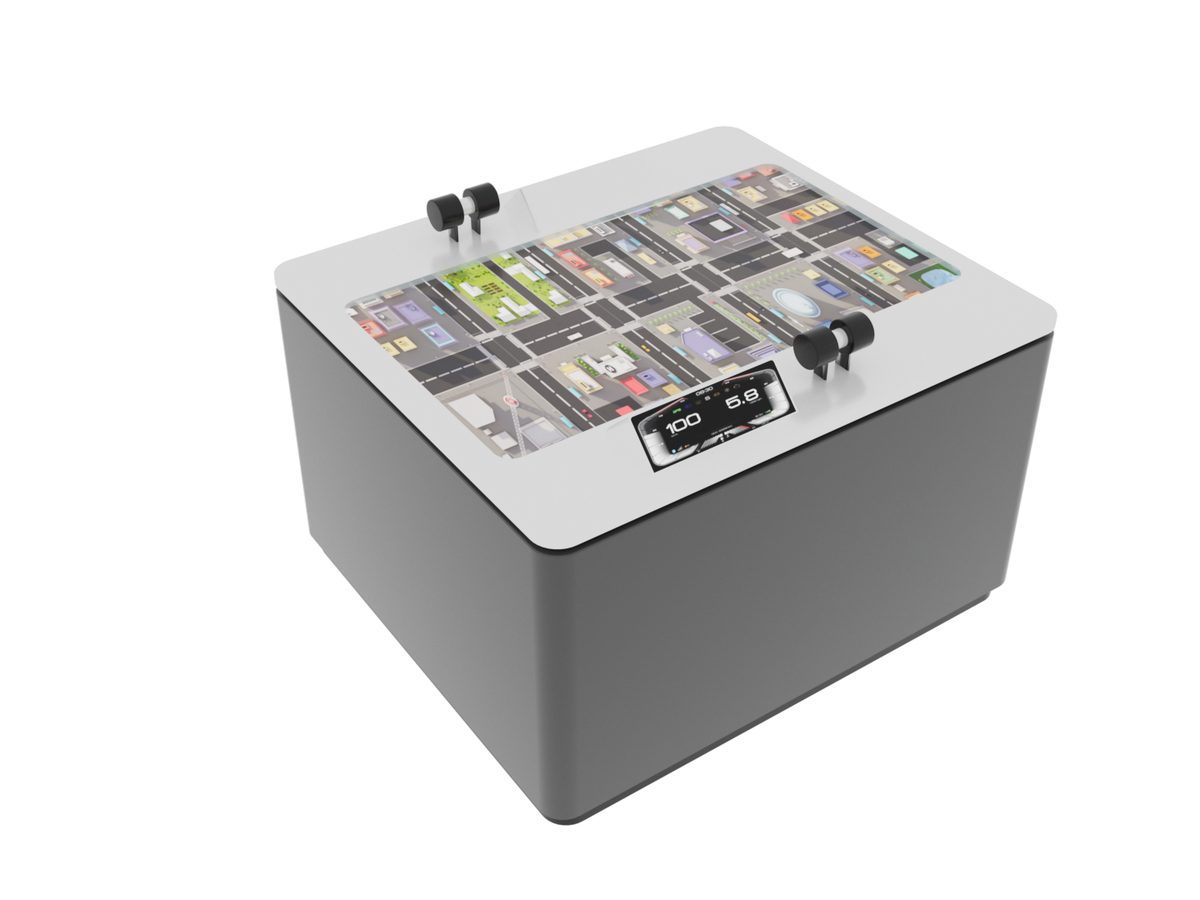
Time four signals so a bus crosses the city without stopping.

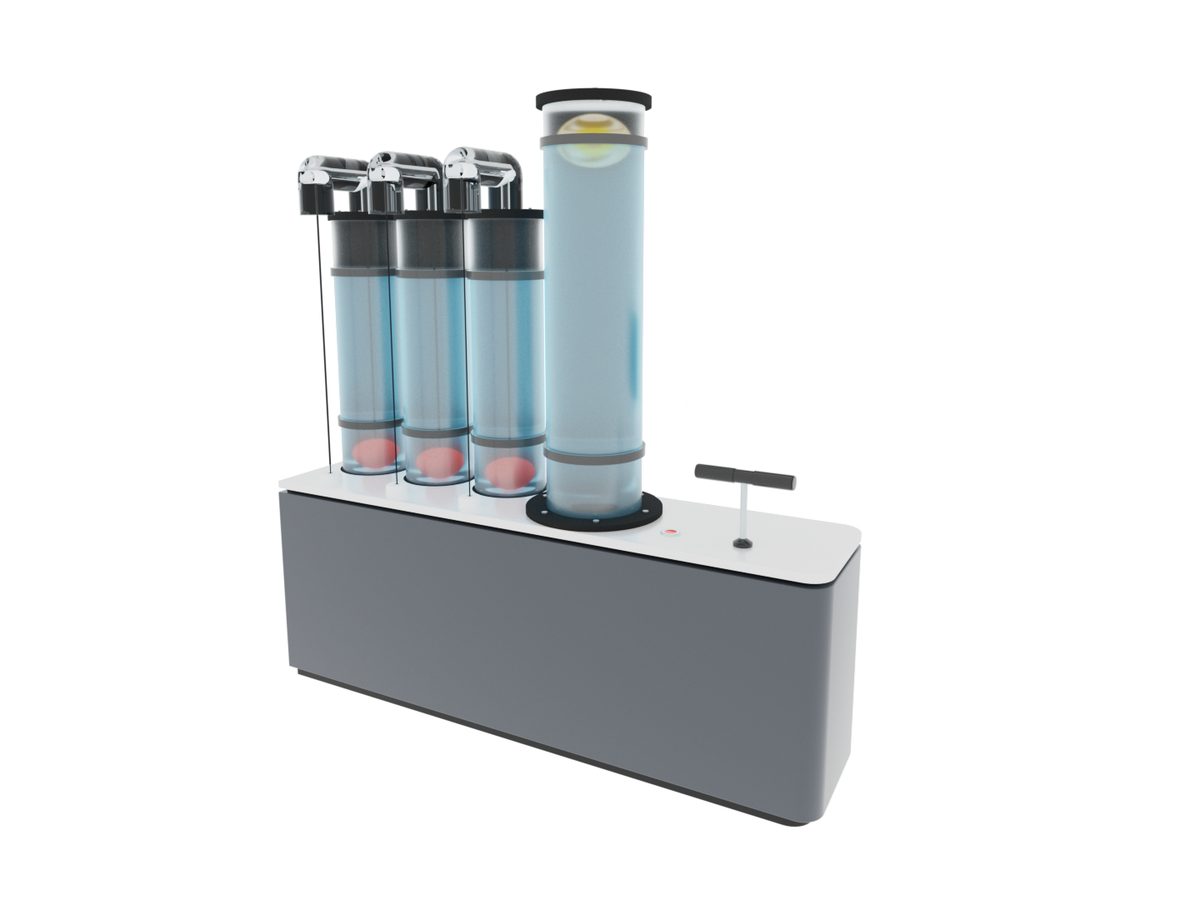
Load a hull until it floats and then until it does not.

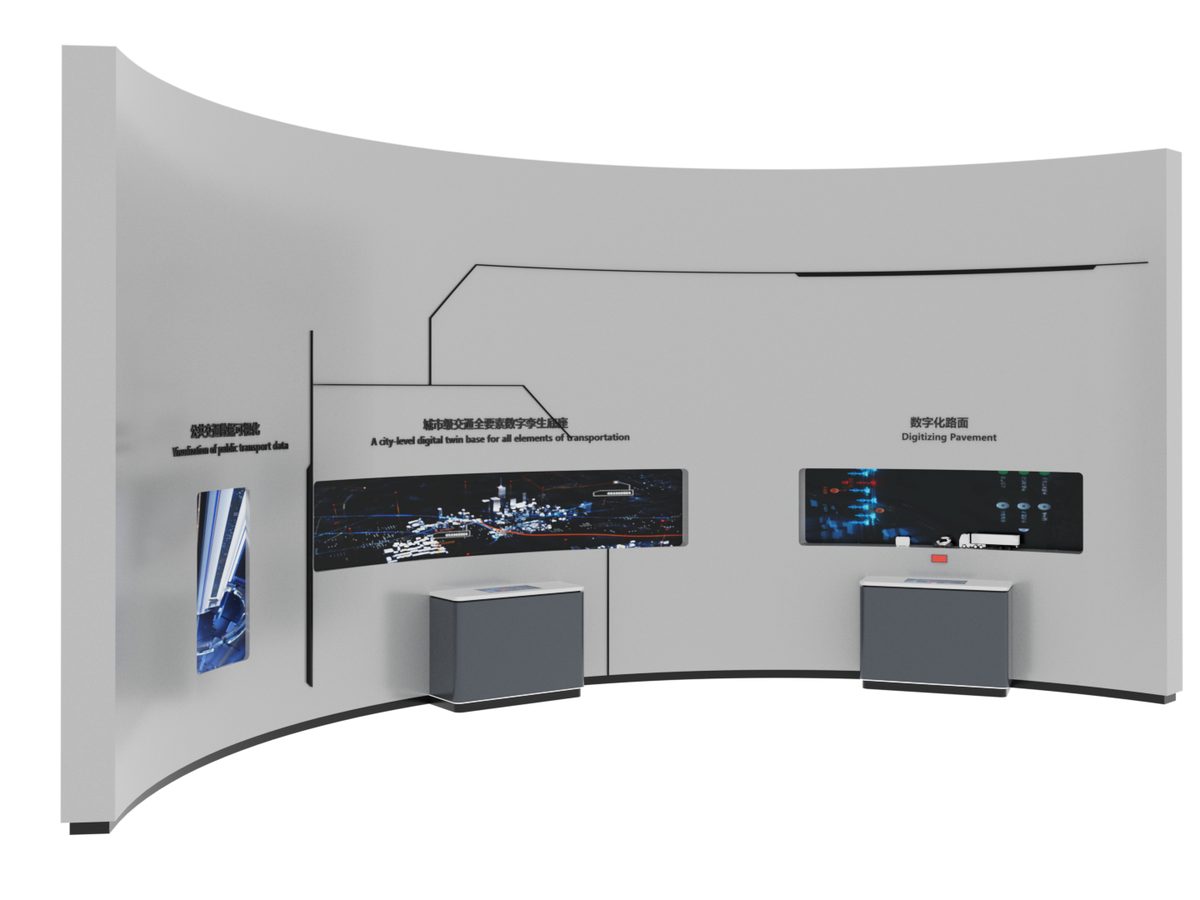
Road-side sensing, lane markings and vehicle communication in one model.
Attach a theme outline, a floor plan, or nothing at all — a photo of the space is enough to start. Quotations are issued against a real exhibit list, not per-square-metre guesses.
Scan to add us