In the early stages of its formation, the wheel was used as a turntable for making pottery, also known as a pottery…
| Category | City & Society |
|---|---|
| Standard size | Custom size |
| Supply | Single unit or batch · OEM to your drawing |
| Lead time | Standard 4–8 weeks after deposit (confirmed per contract) |
| Warranty | 1 year, structure and control |
| Documents | Specification sheet · control diagram · spare-part list |
A standard catalogue model: the dimensions, control package and finish are fixed, which is what keeps the price and the lead time predictable. Size, colour and interface language can be adapted without a new design cycle.
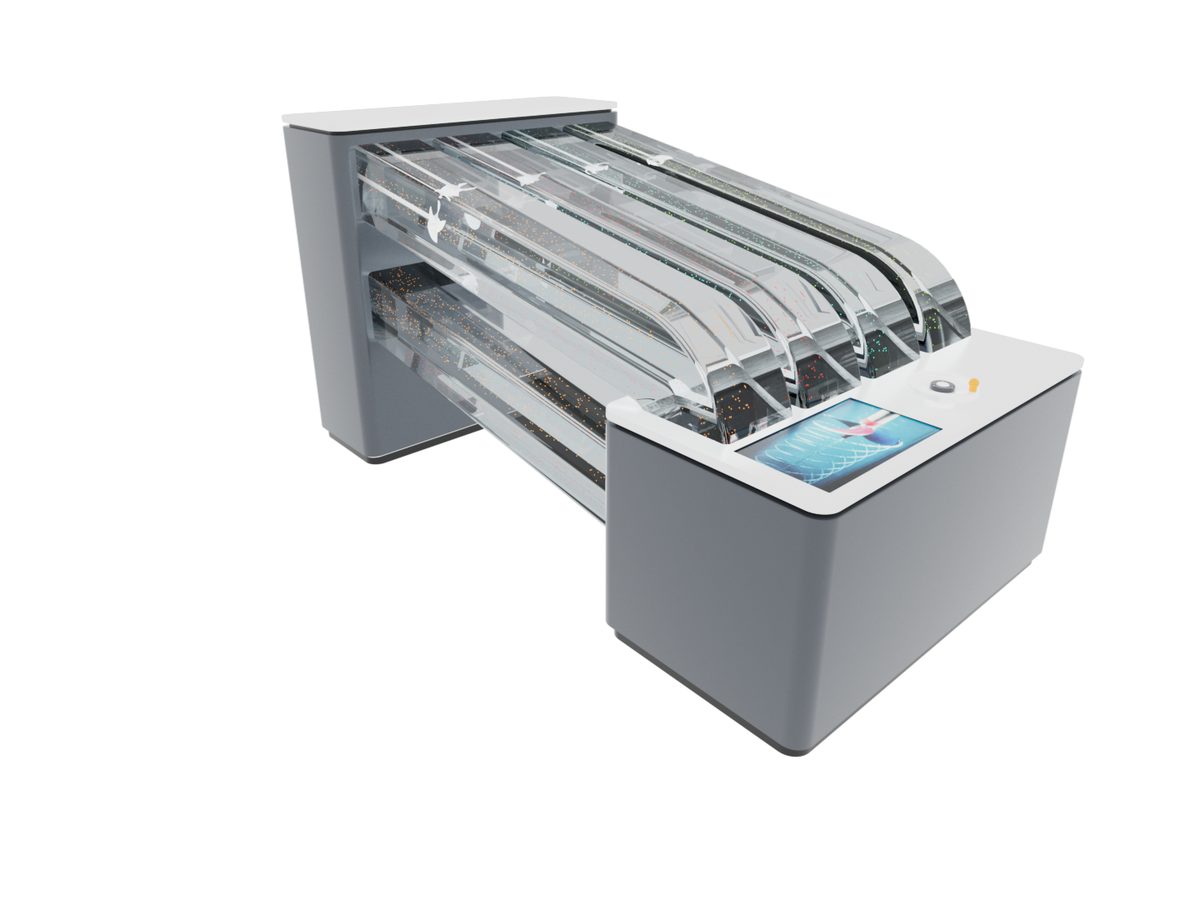
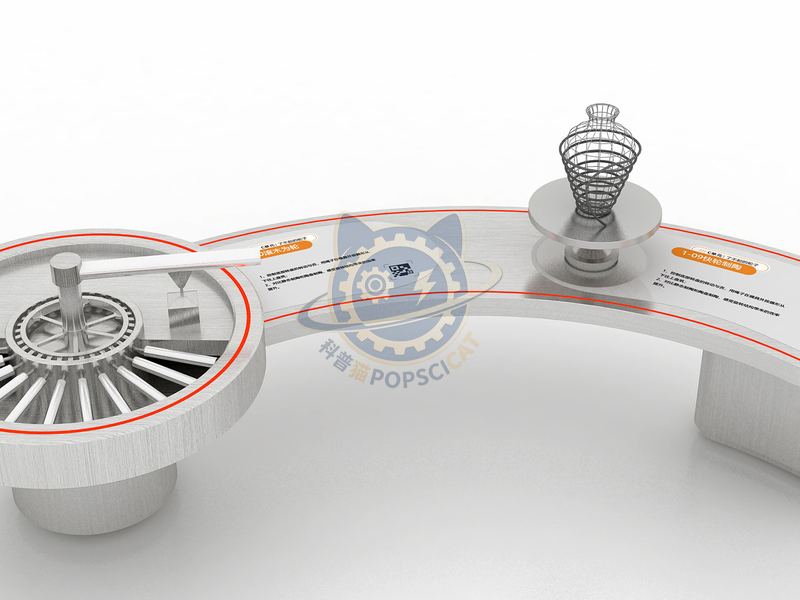
In the early stages of its formation, the wheel was used as a turntable for making pottery, also known as a pottery wheel. In the late Neolithic period, people began to make pottery. The initial pottery wheel was a thick flat disc, mostly made of stone or wood, with a concave center at the bottom of the disc, which was placed on a stone or hardwood dome seat embedded in the ground. Later on, people's pottery making technology gradually developed from handmade to wheel making, and wheel making technology also evolved from slow wheels to fast wheels. The exhibit housing is equipped with a manually rotatable turntable, on which a hollow ceramic bottle outline frame is fixed. At the bottom, a rope is fixed to simulate a clay strip. Try to use the rope to coil the mold from bottom to top according to the shape of the device. Compare static pottery making and pottery plate pottery making, and feel the efficiency improvement brought by the rotating structure.
The unit is designed for unsupervised public use: controls are recessed or shielded, moving parts are enclosed, and the interface is operable by a child of about six with no instruction. Where a screen is used, the language can be switched without changing the hardware, and the content can be replaced on site.
Every unit leaves the factory after a running test: mechanisms cycled, electronics burned in, edges dressed, fixings torqued and marked. Wear parts — bearings, sliders, lamps, belts, touch panels — are modular and listed on the spare-part sheet, so a venue technician can replace them without returning the exhibit. Crating is plywood with foam blocking; the loading plan and packing list travel with the shipment.
Other models from the City & Society line, all held to the same specification and the same control package.

Blade pitch adjusted by hand with thrust read on a live gauge.

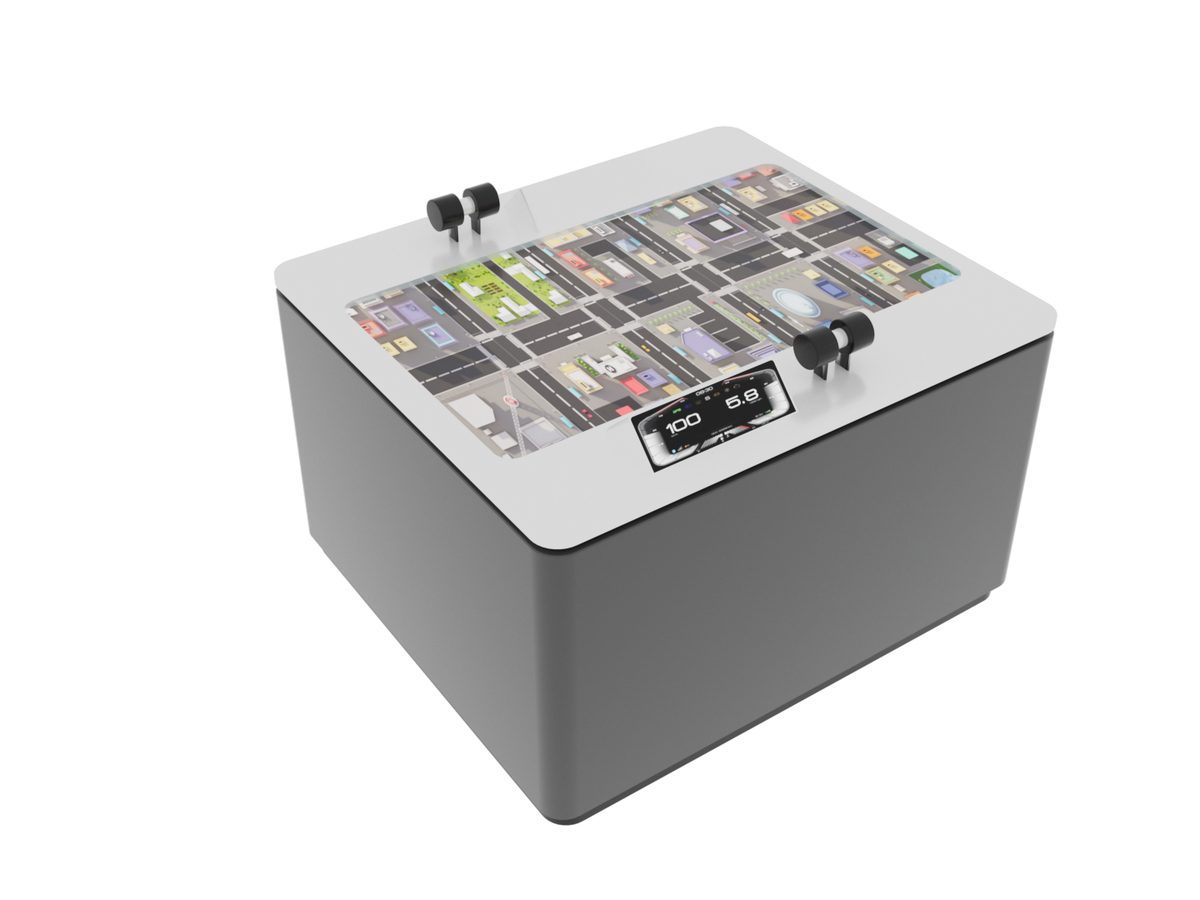
Time four signals so a bus crosses the city without stopping.

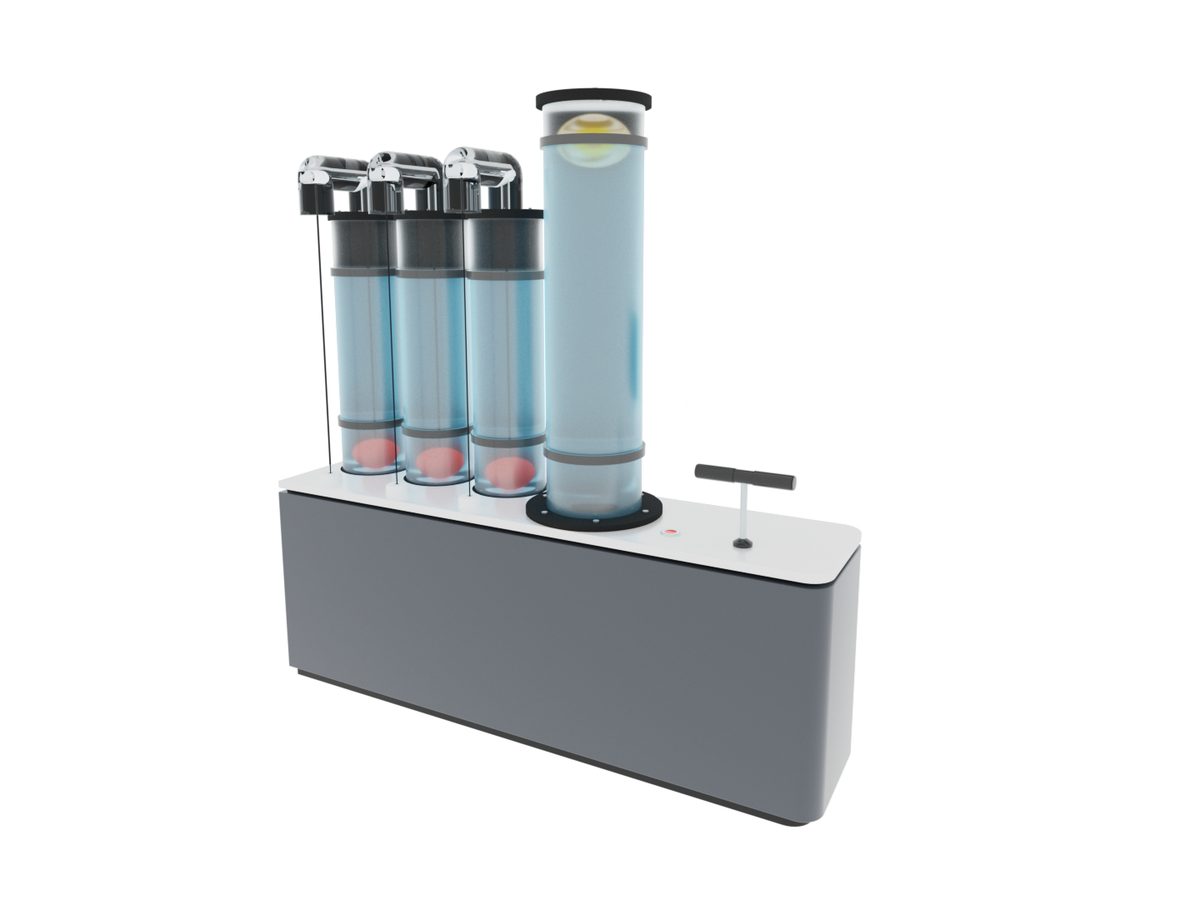
Load a hull until it floats and then until it does not.

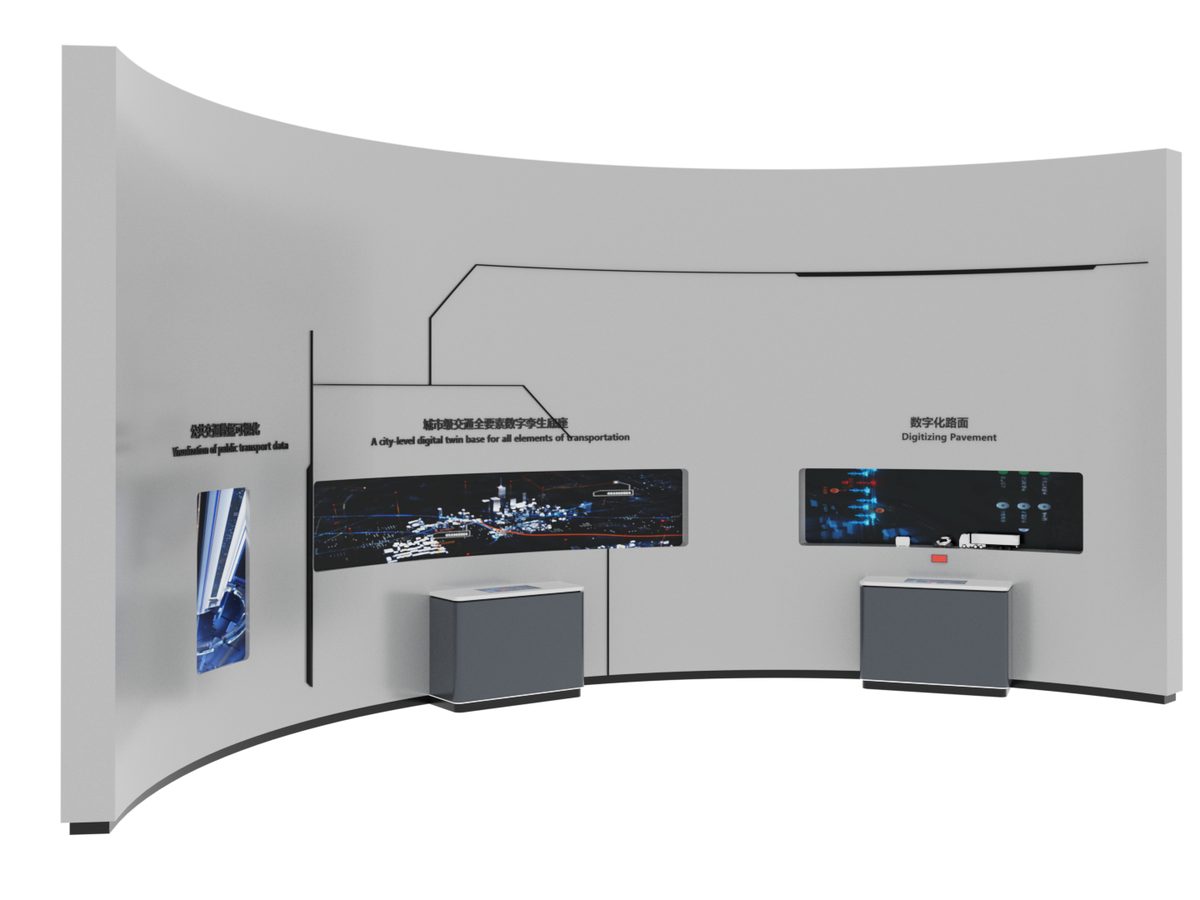
Road-side sensing, lane markings and vehicle communication in one model.
Attach a theme outline, a floor plan, or nothing at all — a photo of the space is enough to start. Quotations are issued against a real exhibit list, not per-square-metre guesses.
Scan to add us