The exhibit utilizes digital twin technology to replicate an audience's avatar and engage in dialogue with it,…
| Category | Digital & AI |
|---|---|
| Standard size | Custom size |
| Supply | Single unit or batch · OEM to your drawing |
| Lead time | Standard 4–8 weeks after deposit (confirmed per contract) |
| Warranty | 1 year, structure and control |
| Documents | Specification sheet · control diagram · spare-part list |
A standard catalogue model: the dimensions, control package and finish are fixed, which is what keeps the price and the lead time predictable. Size, colour and interface language can be adapted without a new design cycle.
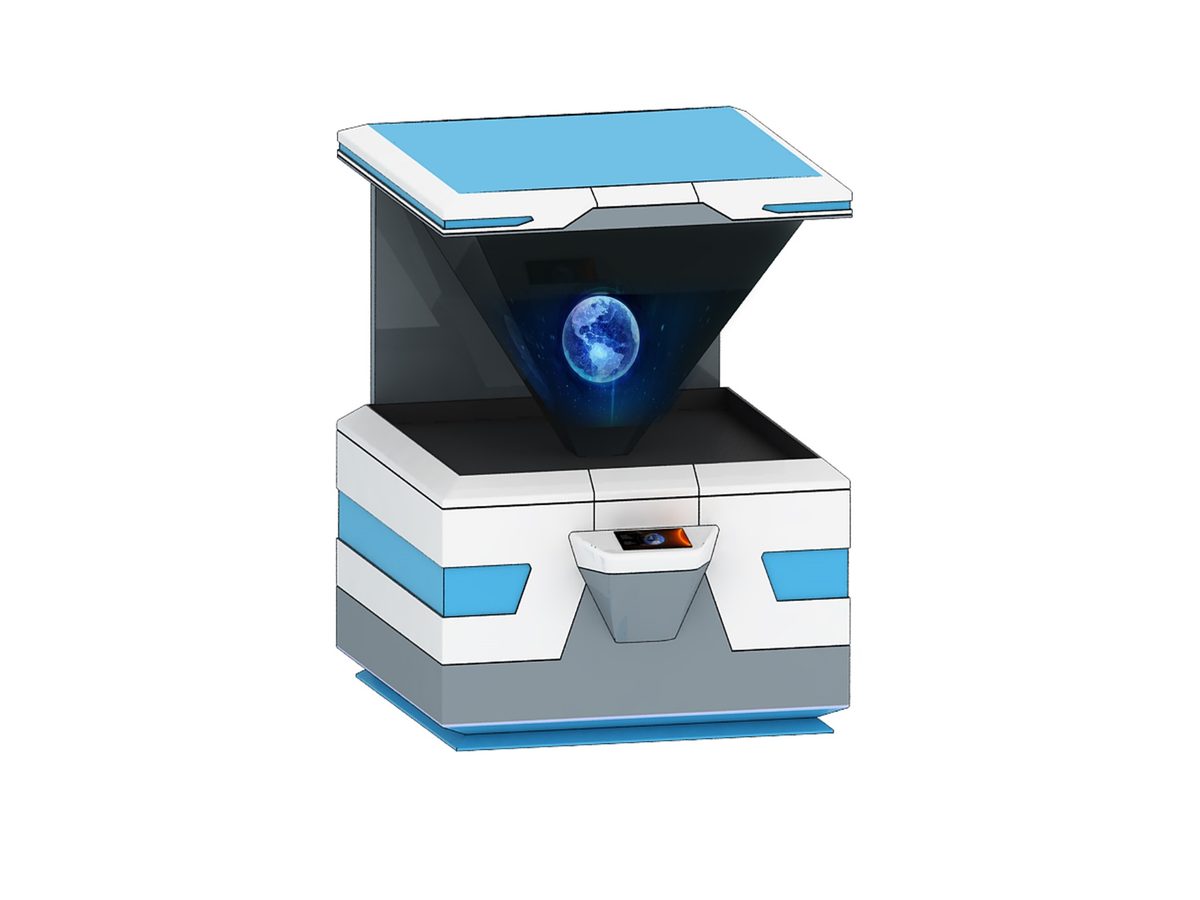
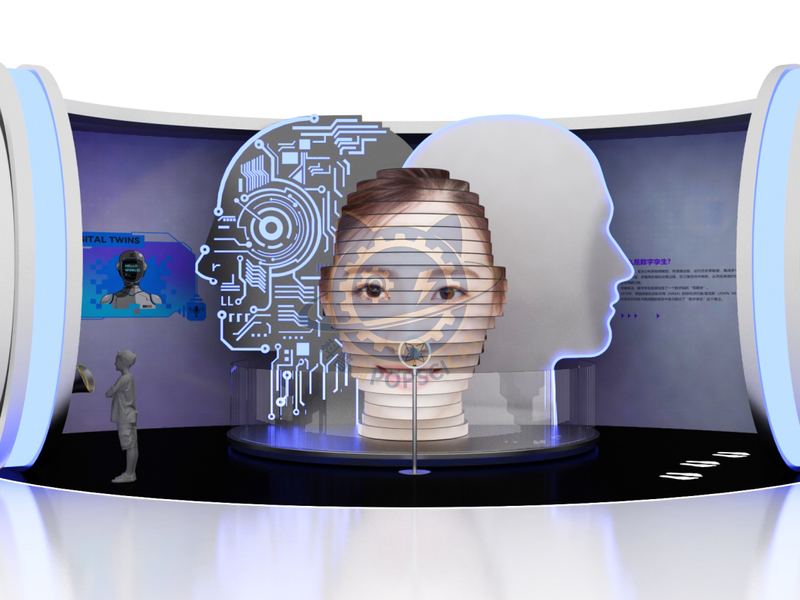
The exhibit utilizes digital twin technology to replicate an audience's avatar and engage in dialogue with it, allowing visitors to understand the basic knowledge of digital twins. Digital twin is the process of mirroring physical entities into virtual space, forming a 'digital model'. This digital model not only reflects the real-time status, operation, and environmental changes of physical entities, but also provides strong support for the management and decision-making of physical entities through simulation, prediction, and optimization. Digital twin technology has shown great potential in fields such as smart cities, aerospace, and manufacturing. With the continuous advancement of technology, its application scenarios will become more extensive.
The unit is designed for unsupervised public use: controls are recessed or shielded, moving parts are enclosed, and the interface is operable by a child of about six with no instruction. Where a screen is used, the language can be switched without changing the hardware, and the content can be replaced on site.
A digital twin is a virtual, digitized entity that corresponds to the physical world. It models and simulates physical entities in the real world through sensors, data analysis, and simulation techniques to achieve real-time monitoring, prediction, and optimization of the real world. Digital twin is a technology that integrates multidisciplinary, multi physics, multi-scale, and multi probability simulation processes based on physical models, sensor updates, operational history, and other data, and completes mapping in virtual space to reflect the full lifecycle process of corresponding physical equipment or systems. Digital twins equip physical objects (such as machines, equipment, factories, etc.) with sensors, collect real-time data, and construct corresponding digital models in a virtual environment. These models can simulate the operational status of physical objects, predict their performance, and optimize and adjust based on real-time data.
Every unit leaves the factory after a running test: mechanisms cycled, electronics burned in, edges dressed, fixings torqued and marked. Wear parts — bearings, sliders, lamps, belts, touch panels — are modular and listed on the spare-part sheet, so a venue technician can replace them without returning the exhibit. Crating is plywood with foam blocking; the loading plan and packing list travel with the shipment.
Other models from the Digital & AI line, all held to the same specification and the same control package.

Hundreds of orbiting nodes light up to show global coverage.

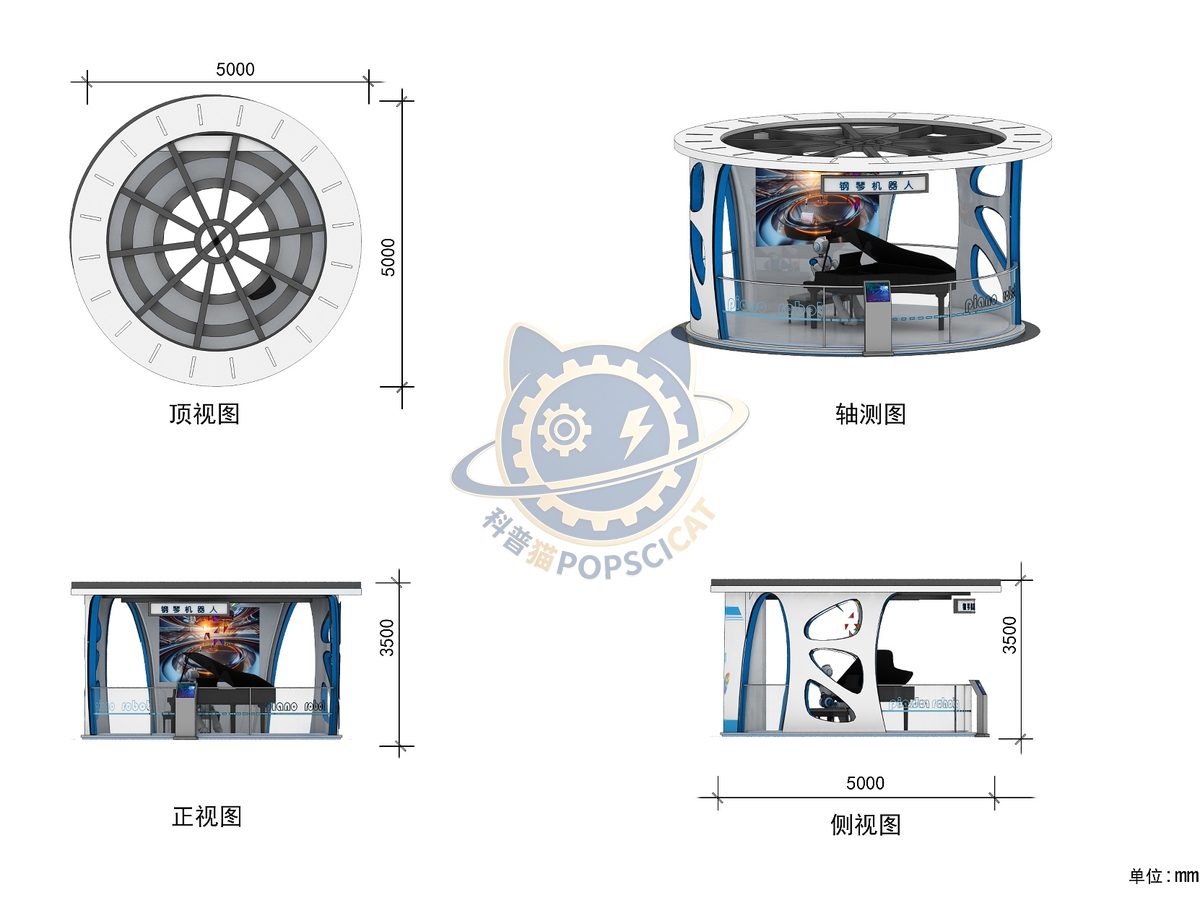
Mechanical fingers play a request chosen by the visitor.

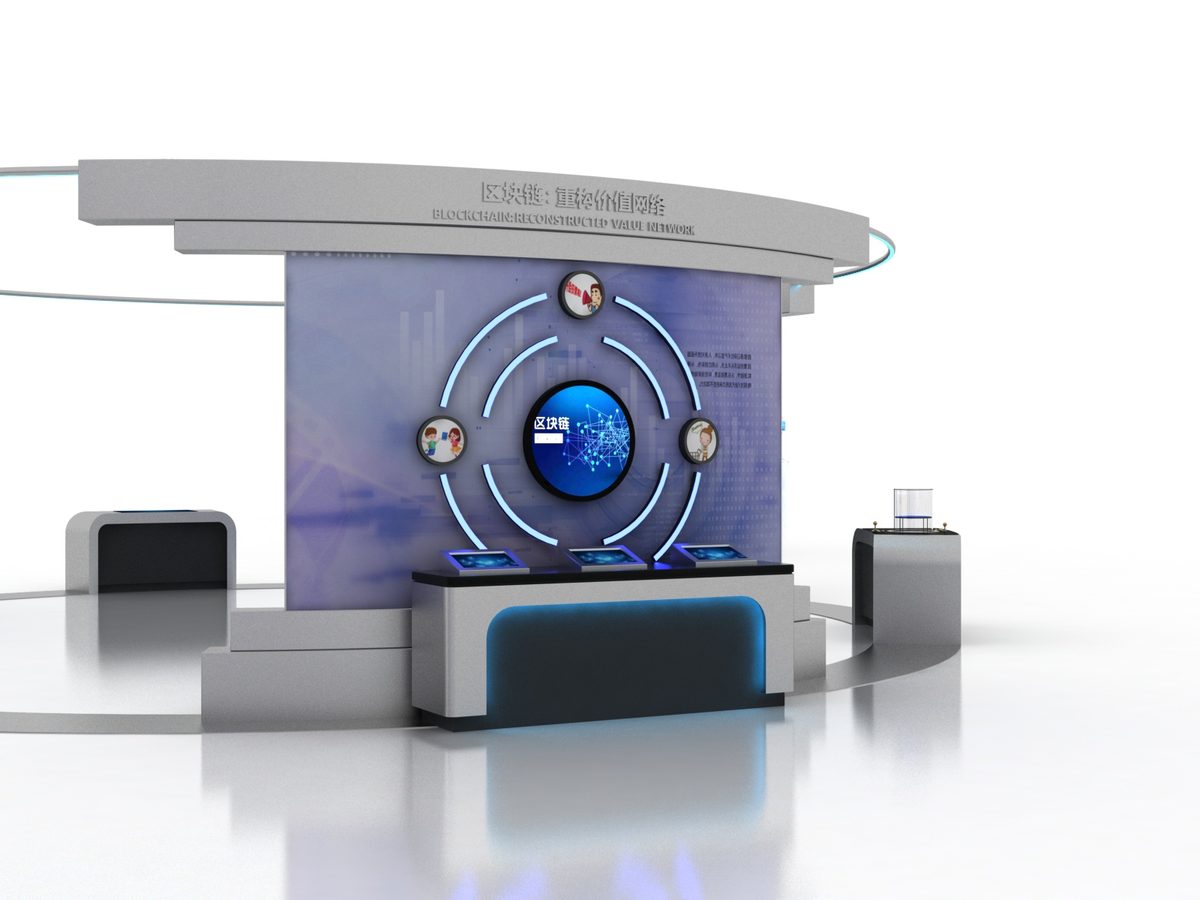
A chain of blocks that cannot be edited once the next one is added.

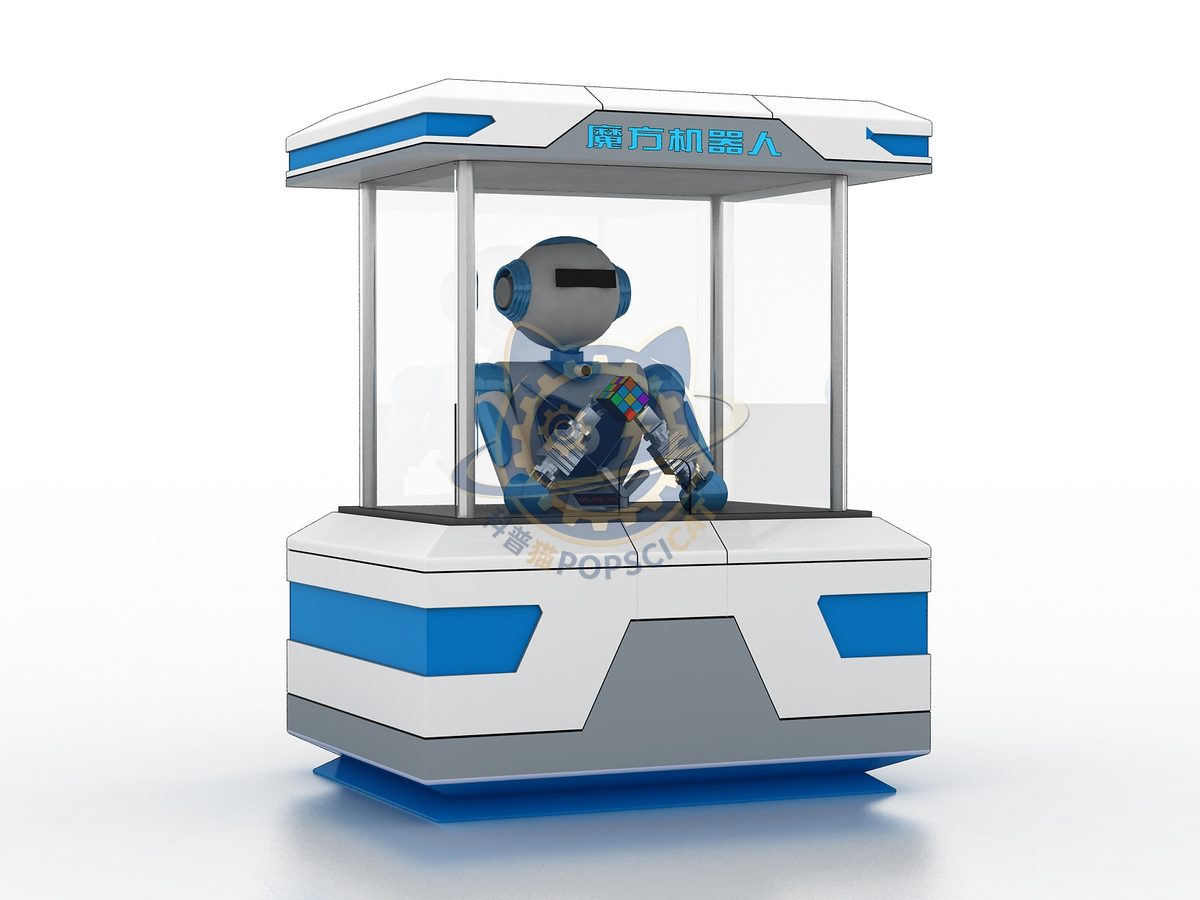
A camera reads a scrambled cube; the arm solves it in under a minute.
Attach a theme outline, a floor plan, or nothing at all — a photo of the space is enough to start. Quotations are issued against a real exhibit list, not per-square-metre guesses.
Scan to add us