Seawater desalination uses technologies such as reverse osmosis, electrodialysis, and distillation to remove salt…
| Category | Digital & AI |
|---|---|
| Standard size | Custom size |
| Supply | Single unit or batch · OEM to your drawing |
| Lead time | Standard 4–8 weeks after deposit (confirmed per contract) |
| Warranty | 1 year, structure and control |
| Documents | Specification sheet · control diagram · spare-part list |
A standard catalogue model: the dimensions, control package and finish are fixed, which is what keeps the price and the lead time predictable. Size, colour and interface language can be adapted without a new design cycle.
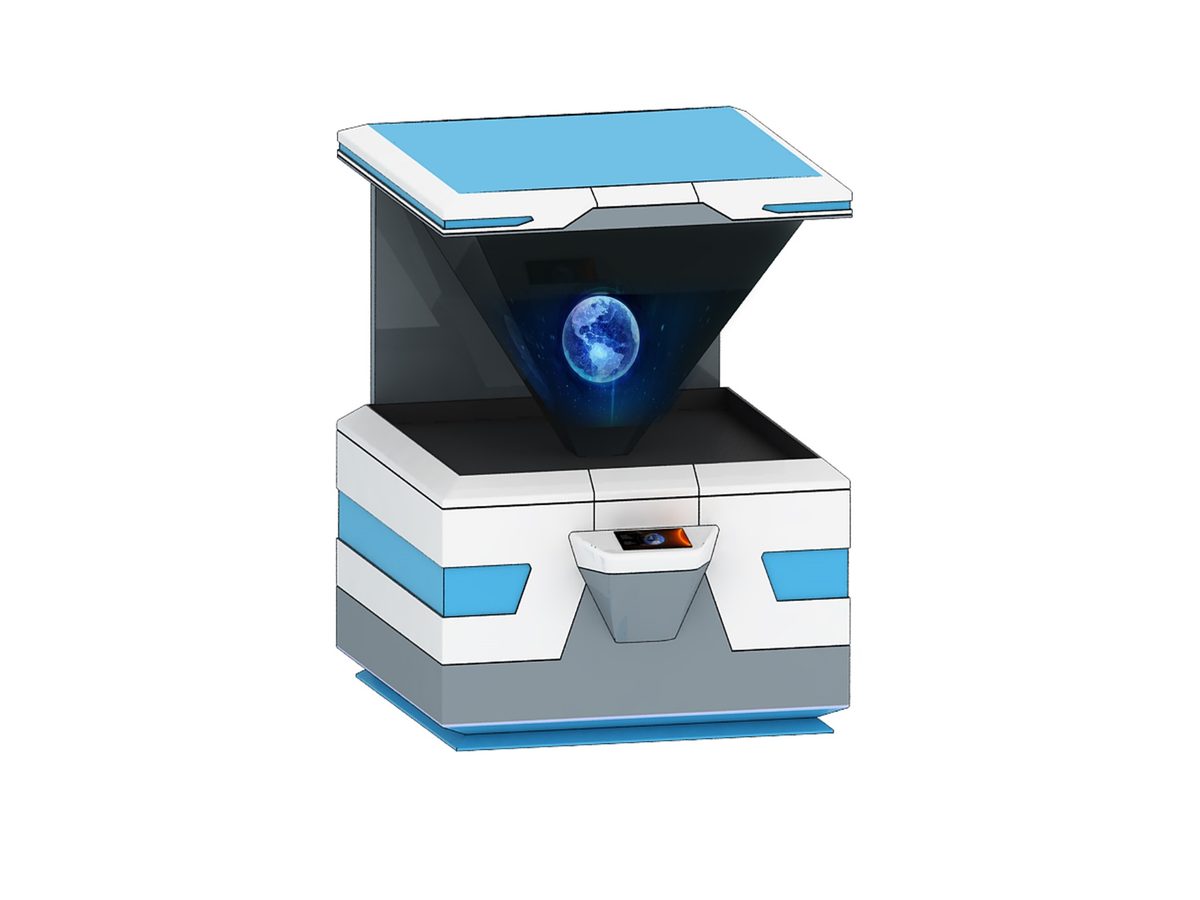
Seawater desalination uses technologies such as reverse osmosis, electrodialysis, and distillation to remove salt and other minerals from seawater, thereby solving the problem of water scarcity for coastal and marine residents. Desalination of seawater is of great significance in ensuring people's livelihoods, promoting economic development, and protecting the ecological environment.
The unit is designed for unsupervised public use: controls are recessed or shielded, moving parts are enclosed, and the interface is operable by a child of about six with no instruction. Where a screen is used, the language can be switched without changing the hardware, and the content can be replaced on site.
The concept of people living on water is not new. Unlike the infrastructure of traditional cities, 'Future Marine Living' aims to create high-tech cities equipped with offshore power generation systems, seawater desalination systems, residential, work, leisure, and commercial facilities. The future 'sea city' will be a self-sustaining artificial ecosystem that guides the circulation of energy, water, food, and waste, with freshwater supply being the lifeline for maintaining the normal operation of this micro society. By using seawater desalination equipment, seawater is converted into clean and safe drinking and domestic water, becoming the "lifeline" for living on the sea.
Every unit leaves the factory after a running test: mechanisms cycled, electronics burned in, edges dressed, fixings torqued and marked. Wear parts — bearings, sliders, lamps, belts, touch panels — are modular and listed on the spare-part sheet, so a venue technician can replace them without returning the exhibit. Crating is plywood with foam blocking; the loading plan and packing list travel with the shipment.
Other models from the Digital & AI line, all held to the same specification and the same control package.

Hundreds of orbiting nodes light up to show global coverage.

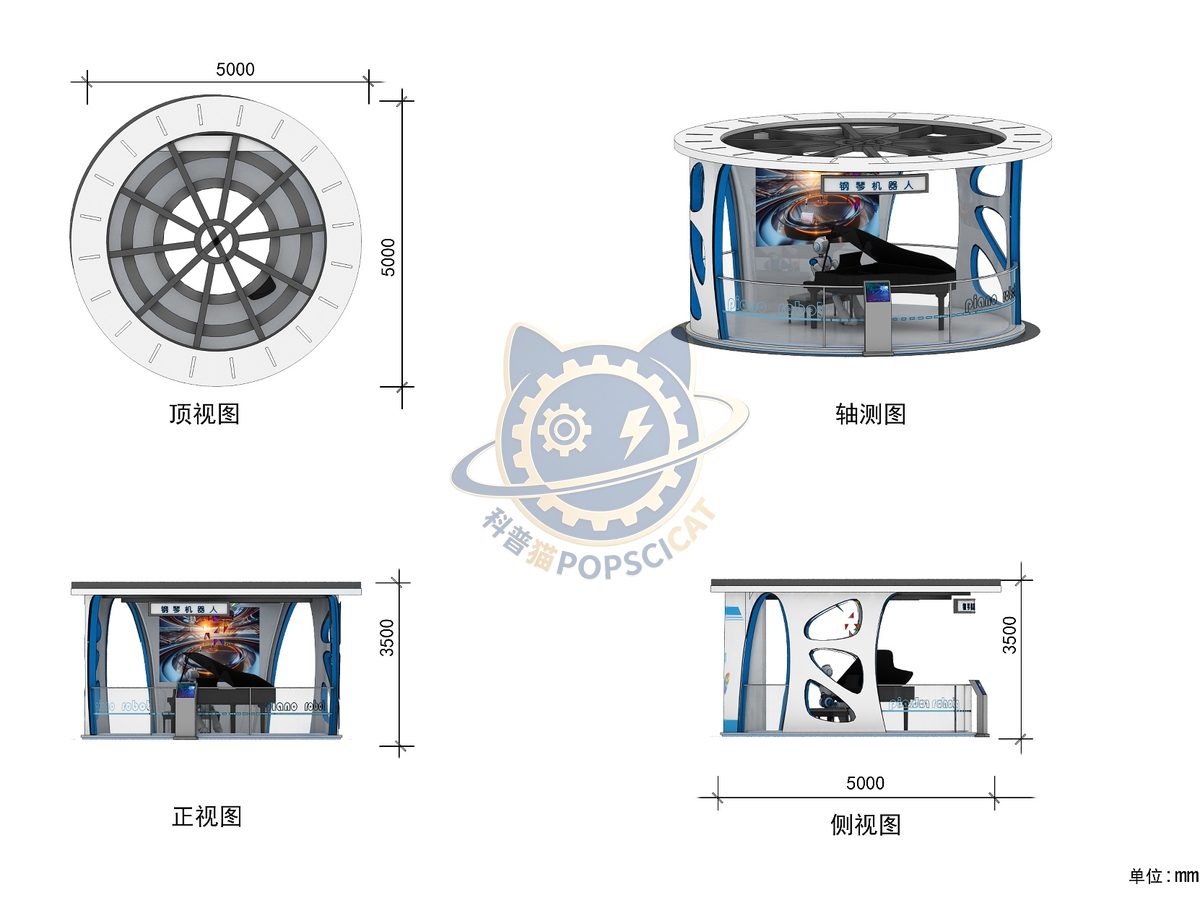
Mechanical fingers play a request chosen by the visitor.

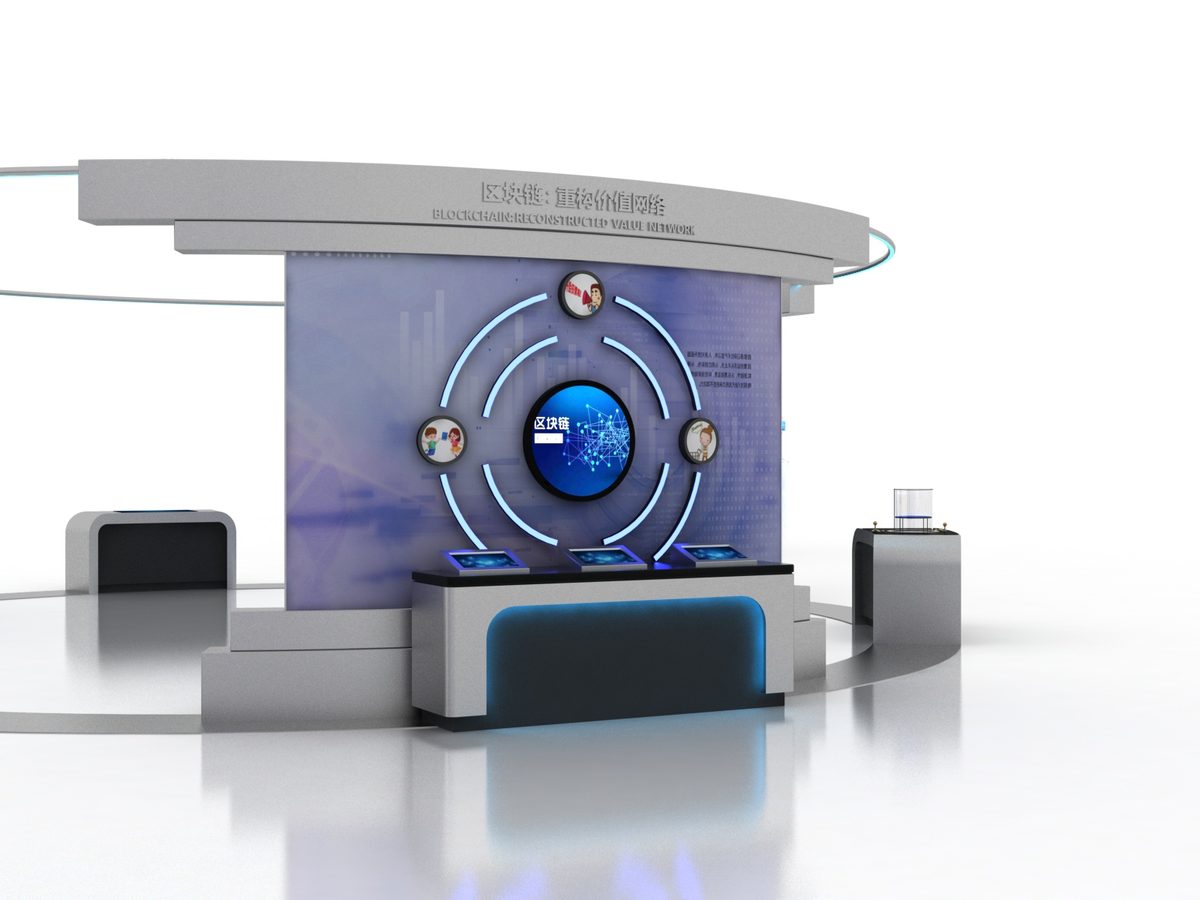
A chain of blocks that cannot be edited once the next one is added.

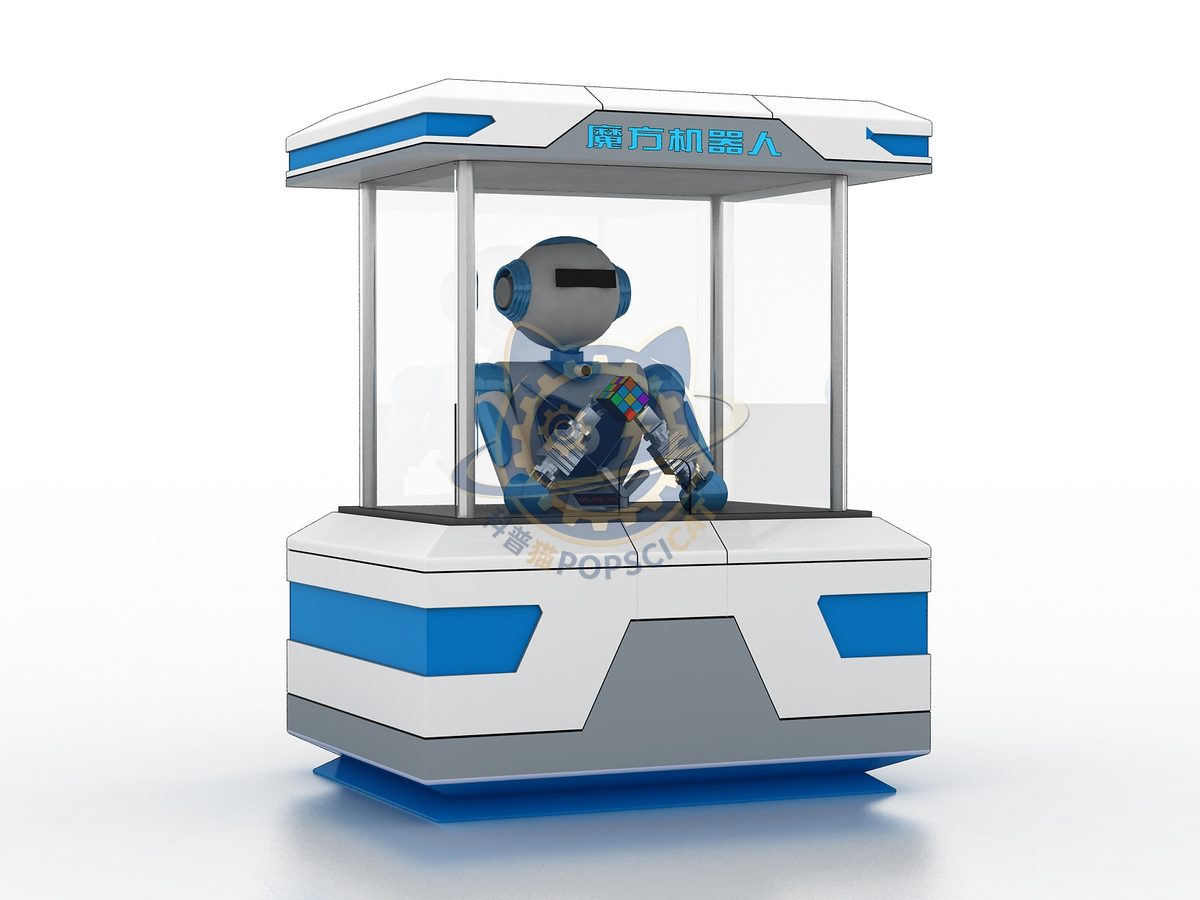
A camera reads a scrambled cube; the arm solves it in under a minute.
Attach a theme outline, a floor plan, or nothing at all — a photo of the space is enough to start. Quotations are issued against a real exhibit list, not per-square-metre guesses.
Scan to add us