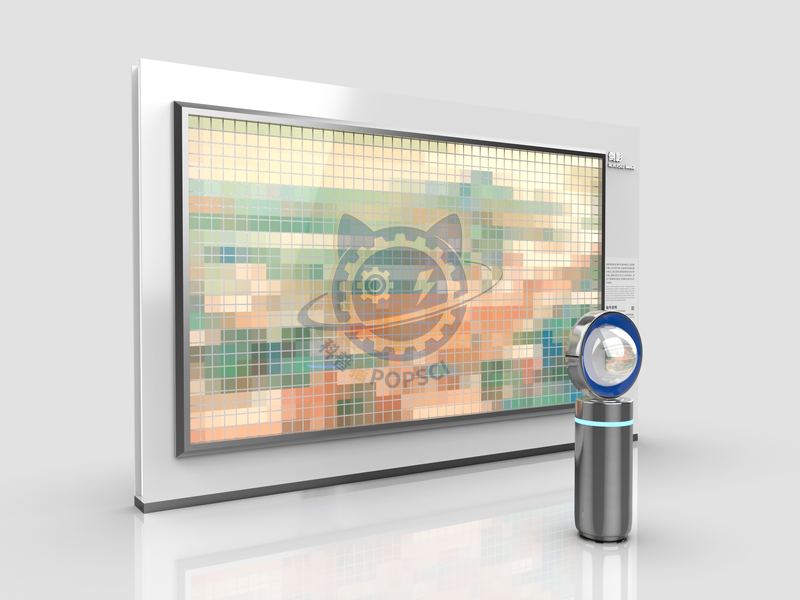
The LED screen presents an inverted artistic image composed of pixels.
| Category | Digital & AI |
|---|---|
| Standard size | Custom size |
| Supply | Single unit or batch · OEM to your drawing |
| Lead time | Standard 4–8 weeks after deposit (confirmed per contract) |
| Warranty | 1 year, structure and control |
| Documents | Specification sheet · control diagram · spare-part list |
A standard catalogue model: the dimensions, control package and finish are fixed, which is what keeps the price and the lead time predictable. Size, colour and interface language can be adapted without a new design cycle.
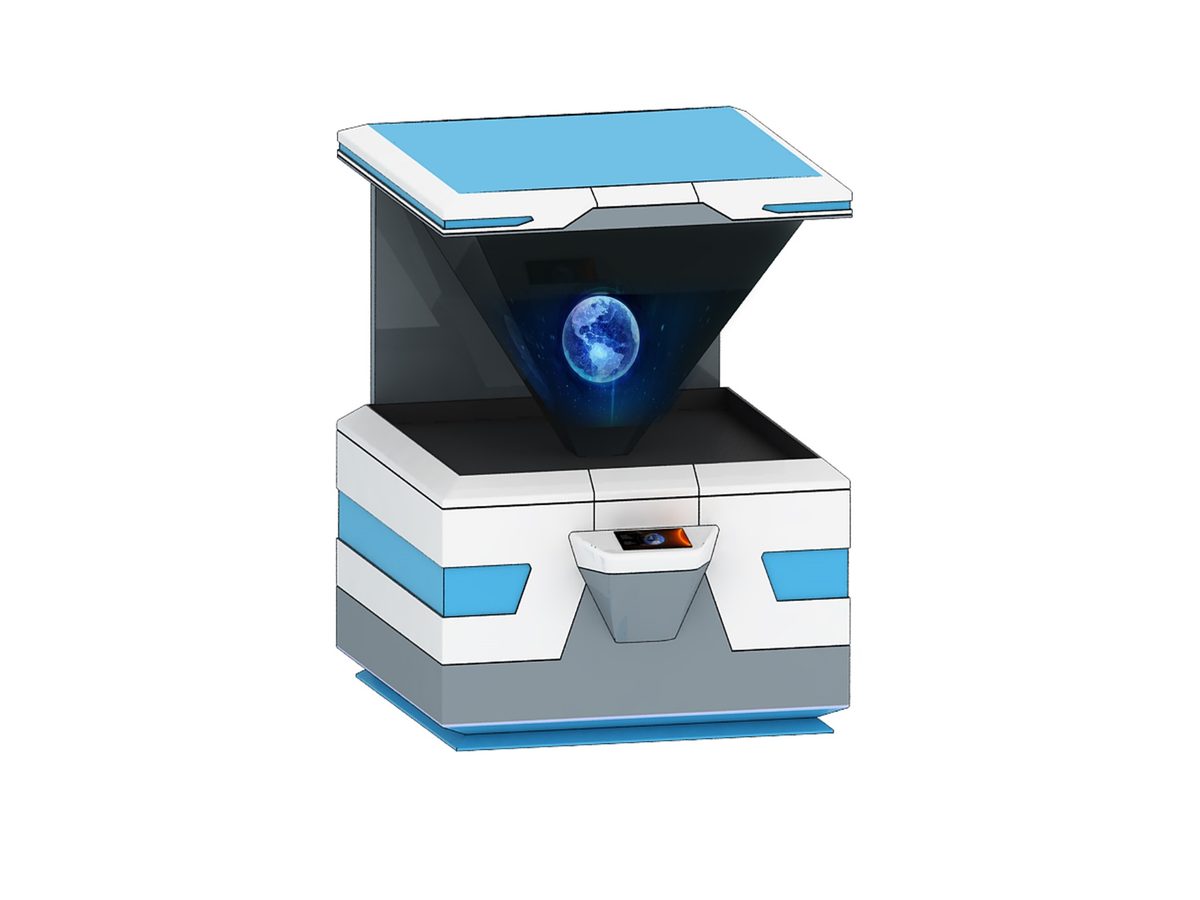
The LED screen presents an inverted artistic image composed of pixels. Pixel is a fundamental concept in image processing, the smallest controllable element in an image, and the basic unit of digital images. By viewing LED images through a spherical lens, a wonderful refraction phenomenon can occur, which enables us to understand the application of pixels in digital technology.
The unit is designed for unsupervised public use: controls are recessed or shielded, moving parts are enclosed, and the interface is operable by a child of about six with no instruction. Where a screen is used, the language can be switched without changing the hardware, and the content can be replaced on site.
Pixel is a fundamental concept in image processing, the smallest controllable element in an image, and the basic unit of digital images. The size and quantity of pixels determine the resolution and quality of an image. In digital image processing, pixels are widely used in various scenarios: in early home computer gaming devices, due to functional limitations, data storage and display technology, people had to complete the design of computer interfaces and game art under extreme conditions of low resolution and color limitations. At the same time, special techniques such as jitter and manual anti aliasing for pixel painting emerged under these conditions.
Every unit leaves the factory after a running test: mechanisms cycled, electronics burned in, edges dressed, fixings torqued and marked. Wear parts — bearings, sliders, lamps, belts, touch panels — are modular and listed on the spare-part sheet, so a venue technician can replace them without returning the exhibit. Crating is plywood with foam blocking; the loading plan and packing list travel with the shipment.
Other models from the Digital & AI line, all held to the same specification and the same control package.

Hundreds of orbiting nodes light up to show global coverage.

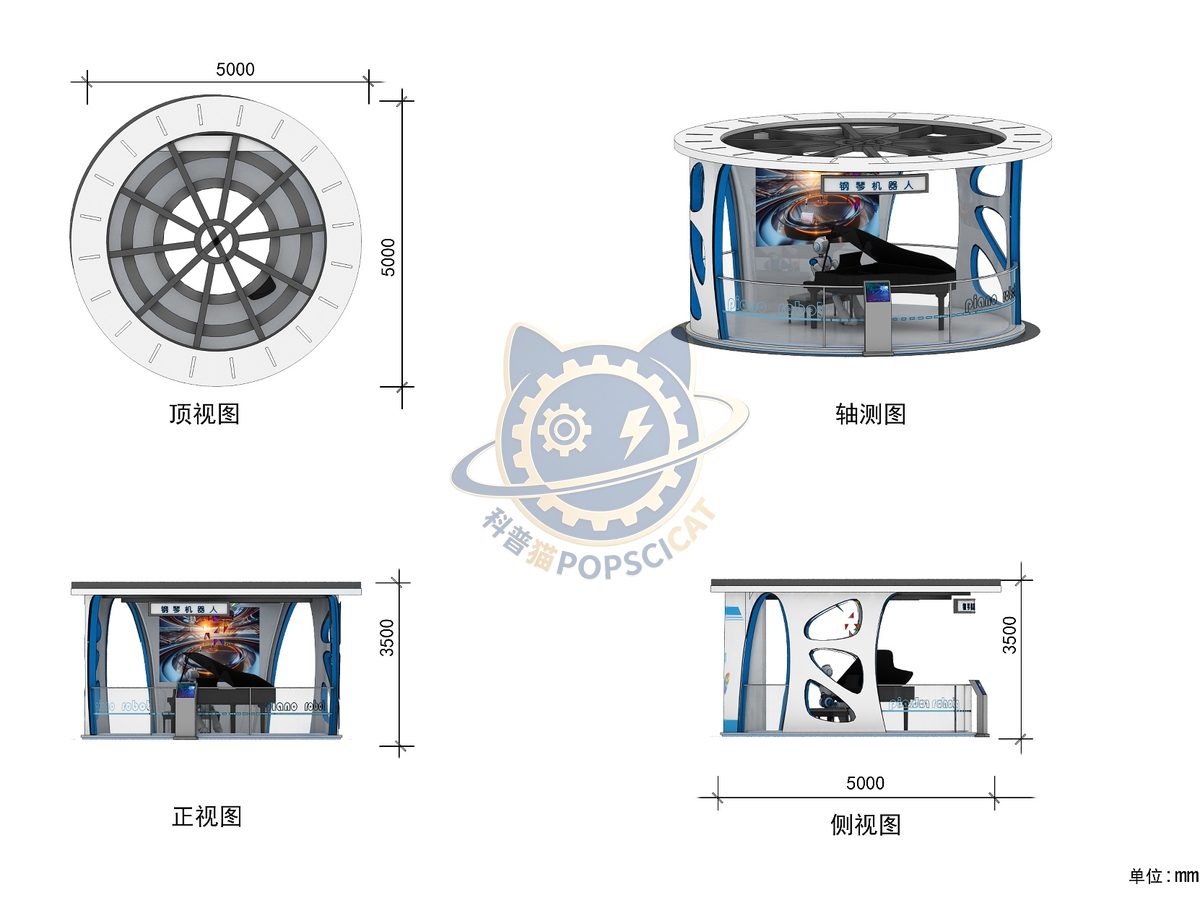
Mechanical fingers play a request chosen by the visitor.

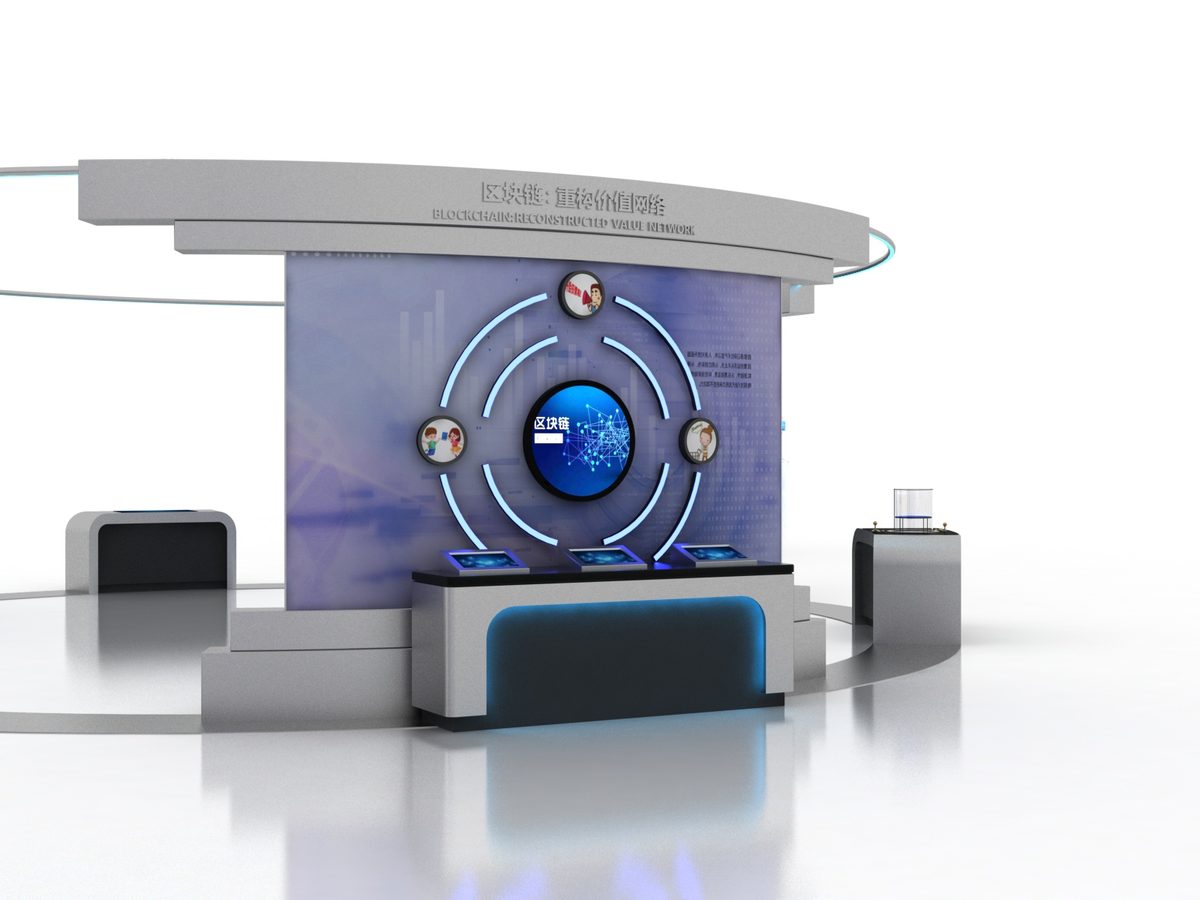
A chain of blocks that cannot be edited once the next one is added.

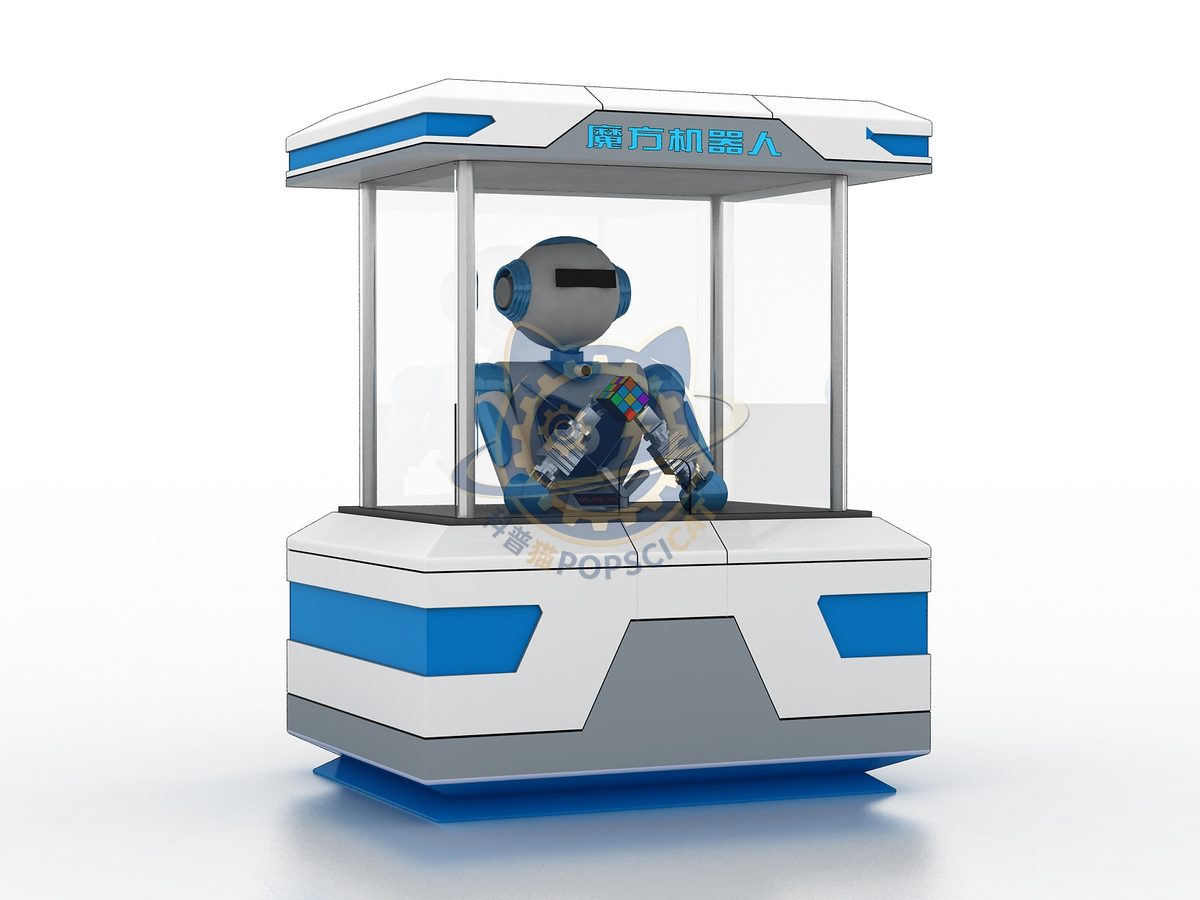
A camera reads a scrambled cube; the arm solves it in under a minute.
Attach a theme outline, a floor plan, or nothing at all — a photo of the space is enough to start. Quotations are issued against a real exhibit list, not per-square-metre guesses.
Scan to add us