The imaging of the crystalline lens and photoreceptor cells in the eye rely on photoreceptors to sense light, and…
| Category | Digital & AI |
|---|---|
| Standard size | Custom size |
| Supply | Single unit or batch · OEM to your drawing |
| Lead time | Standard 4–8 weeks after deposit (confirmed per contract) |
| Warranty | 1 year, structure and control |
| Documents | Specification sheet · control diagram · spare-part list |
A standard catalogue model: the dimensions, control package and finish are fixed, which is what keeps the price and the lead time predictable. Size, colour and interface language can be adapted without a new design cycle.
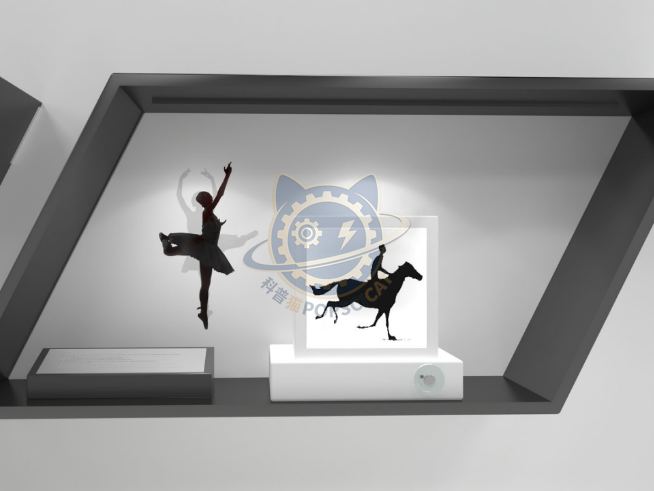
The imaging of the crystalline lens and photoreceptor cells in the eye rely on photoreceptors to sense light, and the formation of photoreceptors takes time, resulting in the phenomenon of visual persistence. Visual persistence is the foundation of film shooting and screening, as well as the technical basis for animation and film dissemination. The classic animation "Horse in Motion" was born under this technological background.
The unit is designed for unsupervised public use: controls are recessed or shielded, moving parts are enclosed, and the interface is operable by a child of about six with no instruction. Where a screen is used, the language can be switched without changing the hardware, and the content can be replaced on site.
The principle of visual persistence: The phenomenon of visual persistence refers to the phenomenon in which the visual effect of light on the retina is retained for a period of time after the light stops acting. Its specific application is in the filming and projection of movies. The reason is caused by the reaction speed of the optic nerve. It is the basis for the formation and dissemination of visual media such as animation and movies. Vision actually relies on the imaging of the eye's crystalline lens, where photoreceptor cells sense light and convert it into neural currents, which are transmitted back to the brain to trigger human vision. The photosensitivity of photoreceptor cells relies on some photosensitive pigments, and the formation of photosensitive pigments requires a certain amount of time, which forms the mechanism of visual pause. The phenomenon of visual persistence was first used by Chinese people, and the walking horse lantern is the earliest recorded use of visual persistence in history. During the Song Dynasty, there were already horse lanterns, which were called "horse riding lanterns" at that time. Subsequently, Frenchman Paul Rogue invented the photographic disc in 1828, which is a circular disc that is threaded on both sides by a rope. One side of the plate is painted with a bird, and the other side is painted with.
Every unit leaves the factory after a running test: mechanisms cycled, electronics burned in, edges dressed, fixings torqued and marked. Wear parts — bearings, sliders, lamps, belts, touch panels — are modular and listed on the spare-part sheet, so a venue technician can replace them without returning the exhibit. Crating is plywood with foam blocking; the loading plan and packing list travel with the shipment.
Other models from the Digital & AI line, all held to the same specification and the same control package.

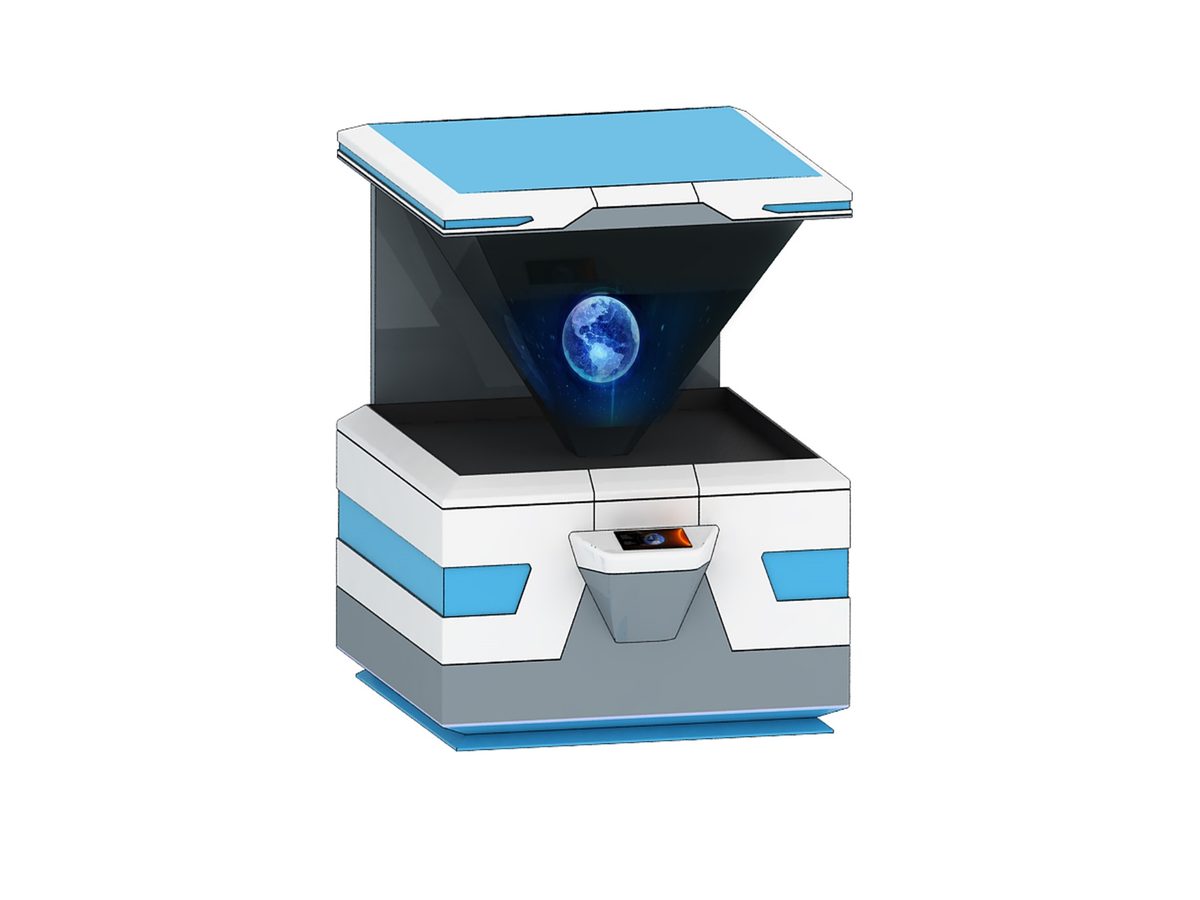
Hundreds of orbiting nodes light up to show global coverage.

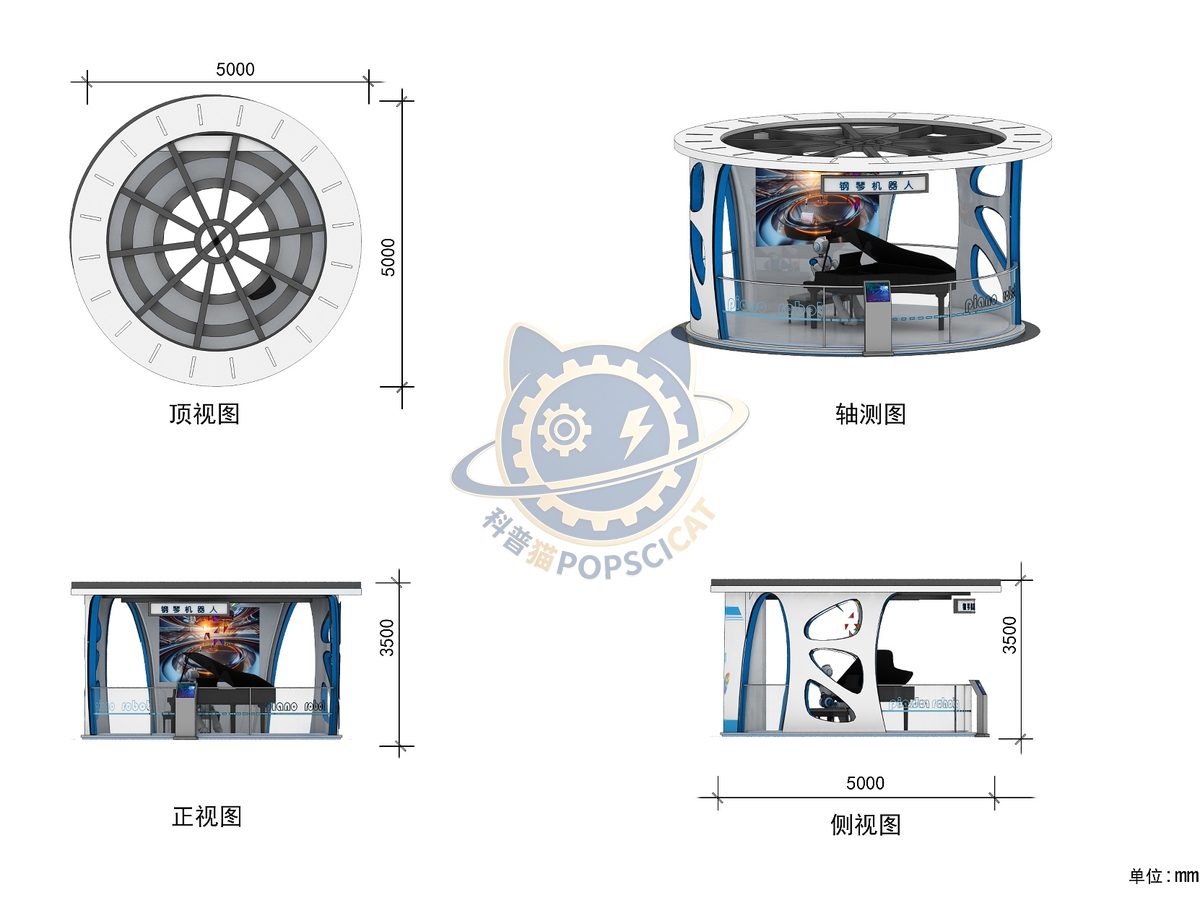
Mechanical fingers play a request chosen by the visitor.

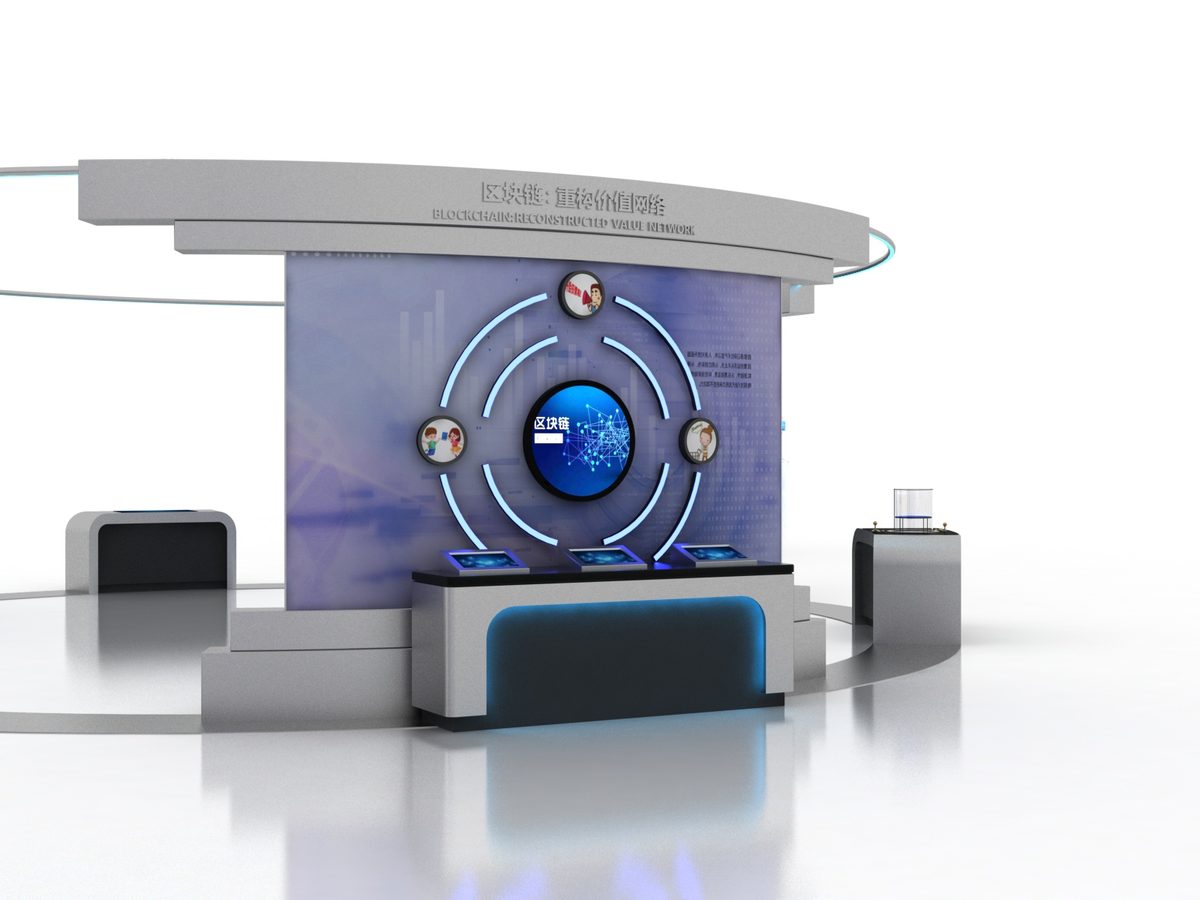
A chain of blocks that cannot be edited once the next one is added.

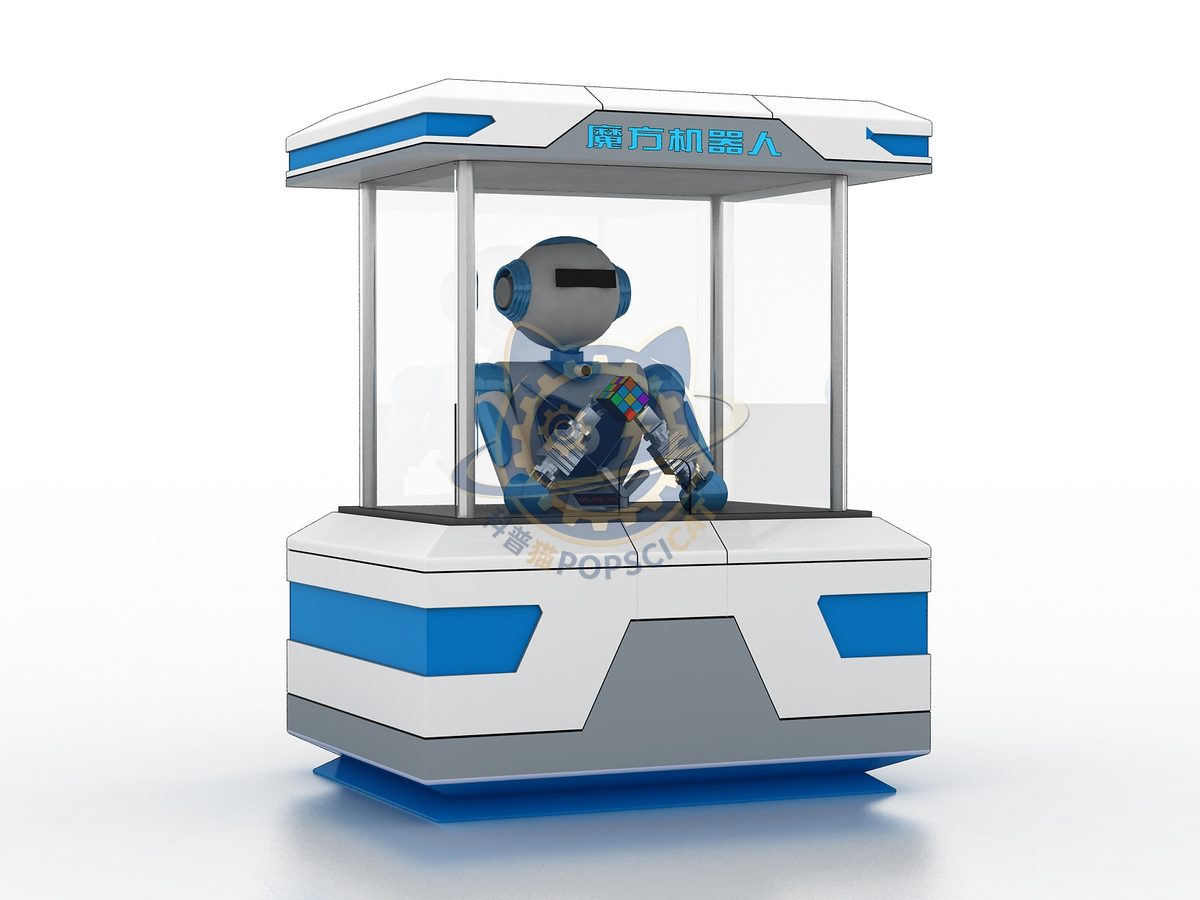
A camera reads a scrambled cube; the arm solves it in under a minute.
Attach a theme outline, a floor plan, or nothing at all — a photo of the space is enough to start. Quotations are issued against a real exhibit list, not per-square-metre guesses.
Scan to add us