Early sound films used projectors and phonographs working simultaneously to produce sound.
| Category | Digital & AI |
|---|---|
| Standard size | Custom size |
| Supply | Single unit or batch · OEM to your drawing |
| Lead time | Standard 4–8 weeks after deposit (confirmed per contract) |
| Warranty | 1 year, structure and control |
| Documents | Specification sheet · control diagram · spare-part list |
A standard catalogue model: the dimensions, control package and finish are fixed, which is what keeps the price and the lead time predictable. Size, colour and interface language can be adapted without a new design cycle.
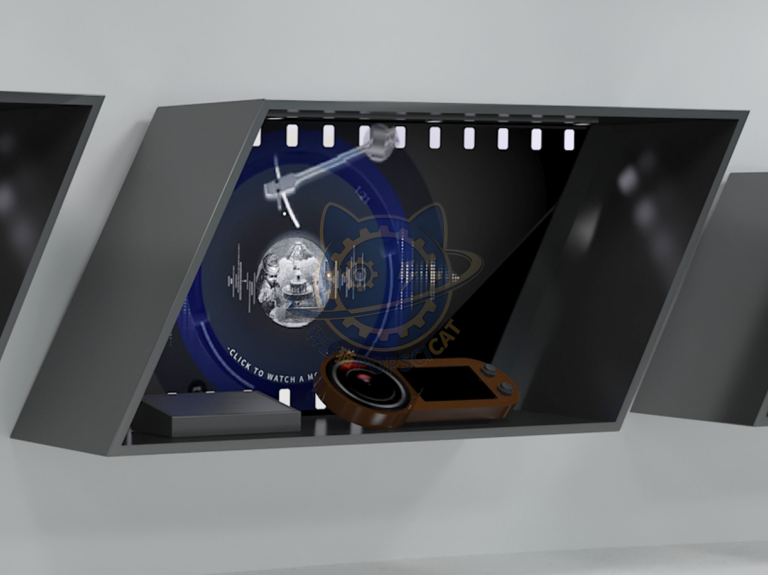
Early sound films used projectors and phonographs working simultaneously to produce sound. In August 1926, the world's first audio short film "Tang Huang" adopted the Vitaphone sound system and achieved film sound and image synchronization through record recording and playback. In 1927, Warner Bros. released "The Jazz King," which not only included music but also added some dialogue, and is considered the first sound film in film history. Viewers can listen to and screen the music and clips of these audio movies, and pair them for playback.
The unit is designed for unsupervised public use: controls are recessed or shielded, moving parts are enclosed, and the interface is operable by a child of about six with no instruction. Where a screen is used, the language can be switched without changing the hardware, and the content can be replaced on site.
Sound movies refer to movies that are broadcast simultaneously with sound, as opposed to silent movies. In 1900, the first sound film was screened in Paris, and ten years later, reliable synchronized sound technology gradually matured and became commercially viable. In April 1923, the first synchronous sound film was released in New York. In October 1927, the first sound story film, the so-called silent film, often had music or sound effects accompanying it during its heyday. In August 1926, it was produced by John The film "Don Juan" starring Barrymore premiered at Warner Bros. Theatre in New York, using the Vitaphone sound system to synchronize the film's sound and image at 331/3 revolutions per second. New inventions soon followed, and in October 1927, Warner Bros. '"The Jazz King" sounded the death knell for silent films. The film uses the sound technology of Vitasoy, which is the first sound film technology officially adopted by Hollywood. It is a video audio separation technology developed by Xidian Corporation.
Every unit leaves the factory after a running test: mechanisms cycled, electronics burned in, edges dressed, fixings torqued and marked. Wear parts — bearings, sliders, lamps, belts, touch panels — are modular and listed on the spare-part sheet, so a venue technician can replace them without returning the exhibit. Crating is plywood with foam blocking; the loading plan and packing list travel with the shipment.
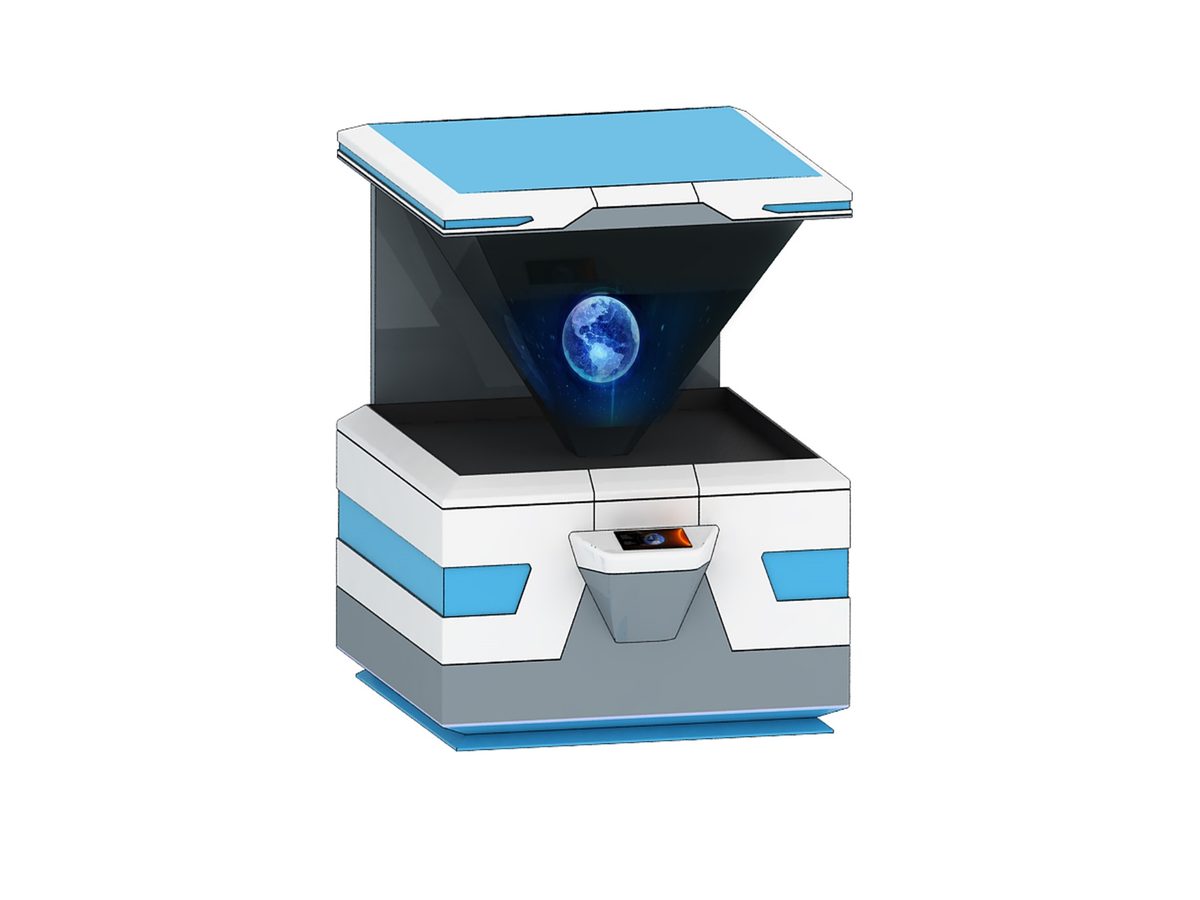
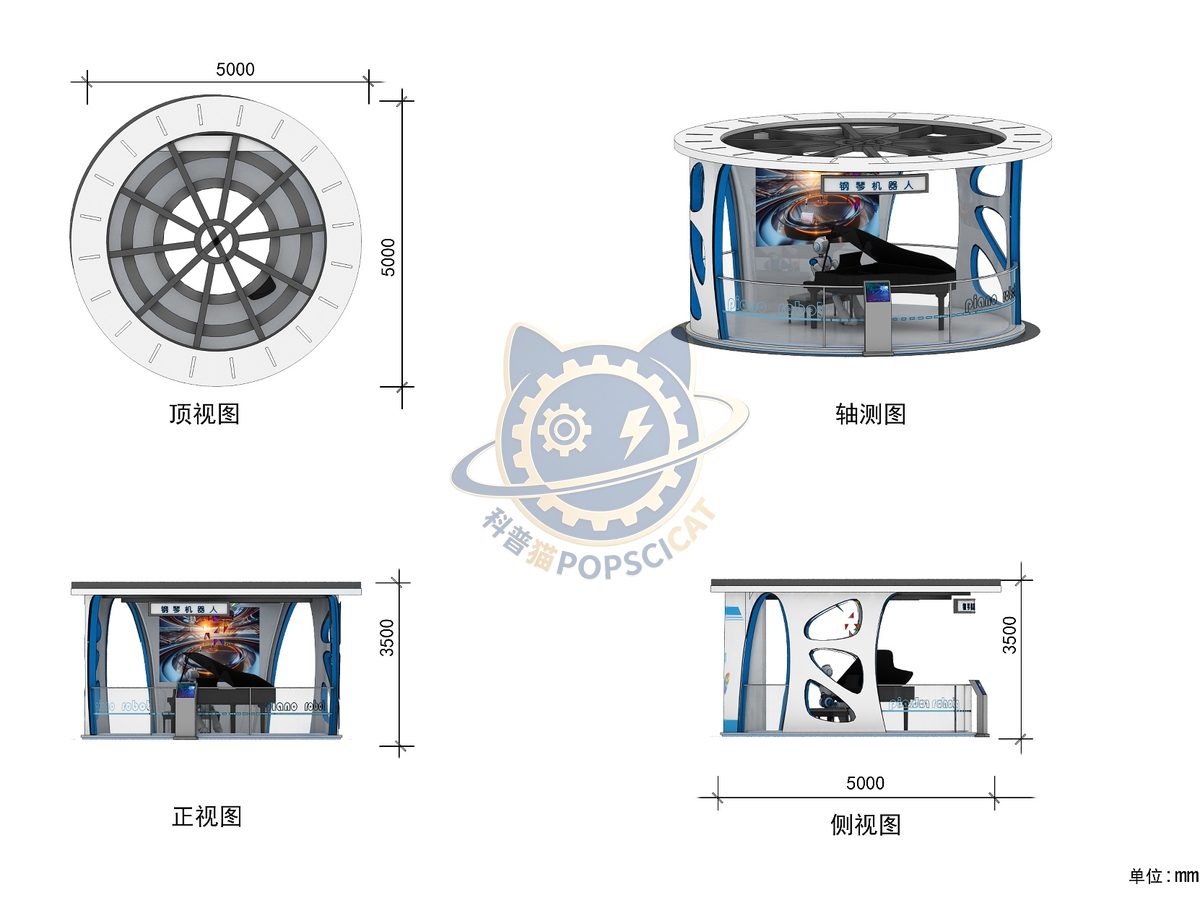
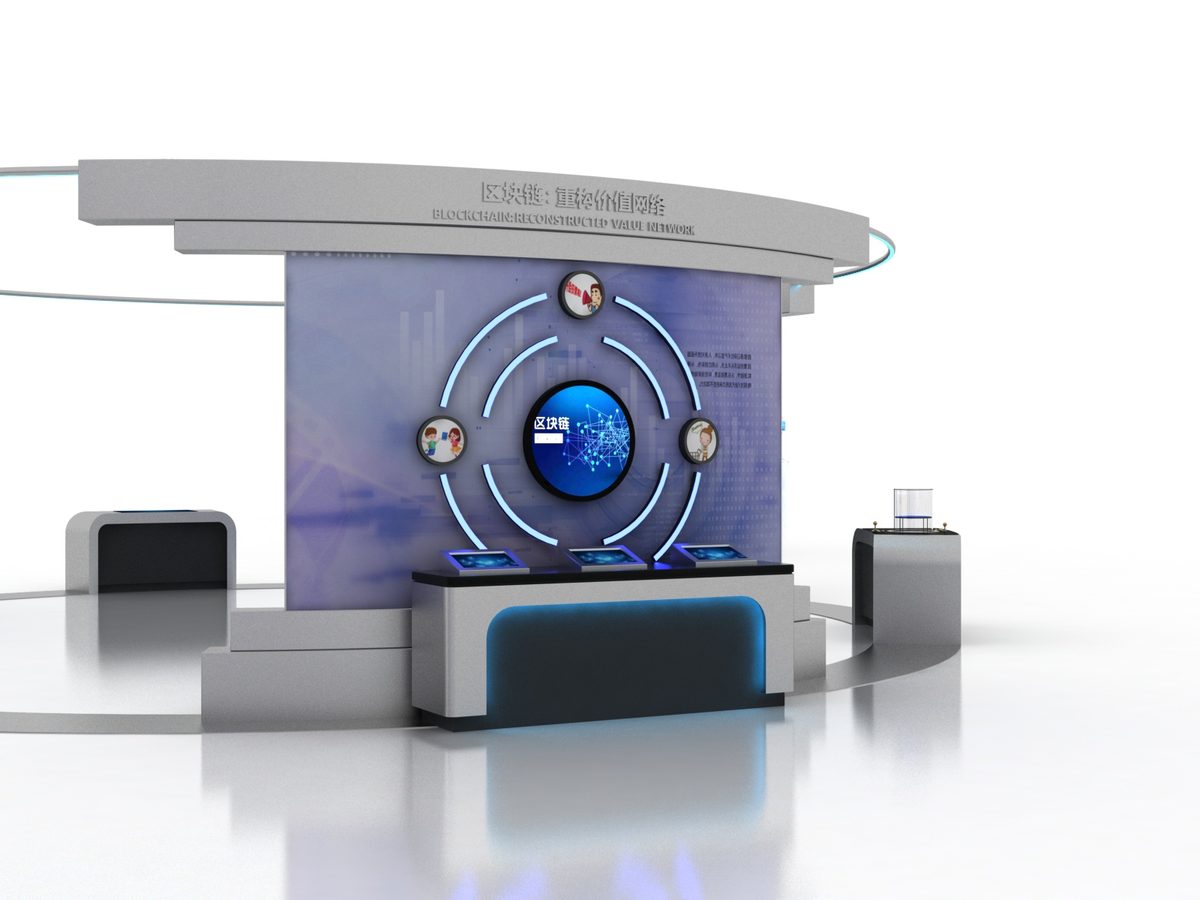
Other models from the Digital & AI line, all held to the same specification and the same control package.

Hundreds of orbiting nodes light up to show global coverage.

Mechanical fingers play a request chosen by the visitor.

A chain of blocks that cannot be edited once the next one is added.

A camera reads a scrambled cube; the arm solves it in under a minute.
Attach a theme outline, a floor plan, or nothing at all — a photo of the space is enough to start. Quotations are issued against a real exhibit list, not per-square-metre guesses.
Scan to add us