Home/Exhibits/Digital & AI/Voice is like a person: language phonograph

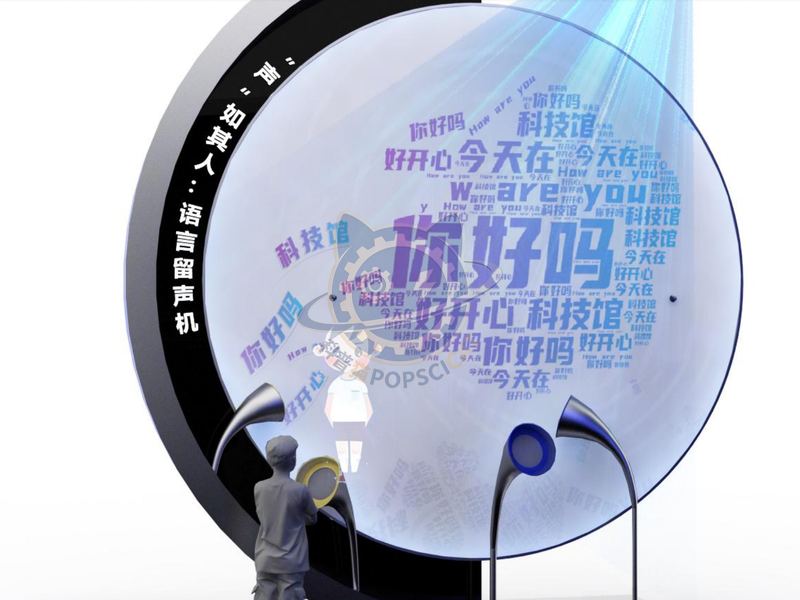
Voice is like a person: language phonograph

Speech recognition is the process of automatically converting speech into text, that is, allowing machines to…

Voice is like a person: language phonograph — Digital & AI exhibit for science museums
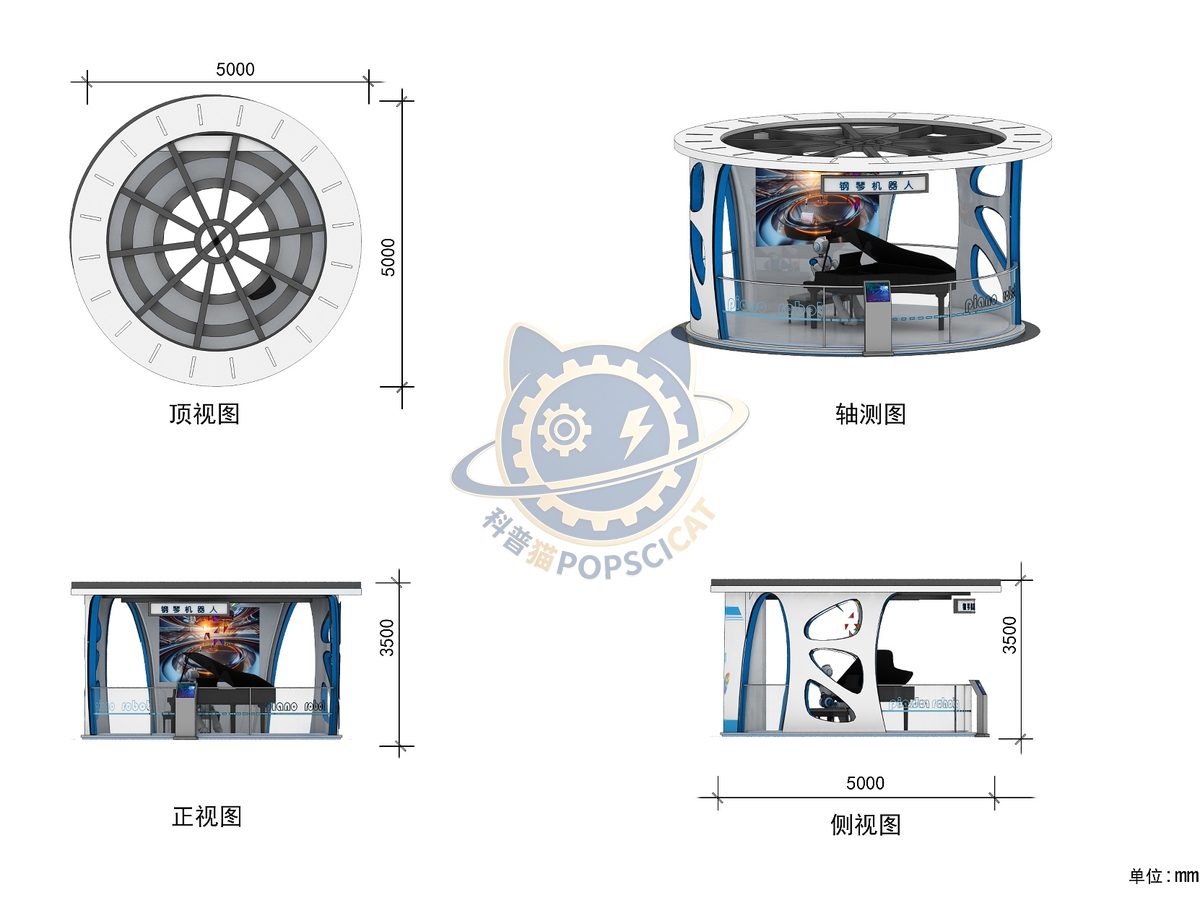
Reference image
CategoryDigital & AI
Standard sizeCustom size
SupplySingle unit or batch · OEM to your drawing
Lead timeStandard 4–8 weeks after deposit (confirmed per contract)
Warranty1 year, structure and control
DocumentsSpecification sheet · control diagram · spare-part list

A standard catalogue model: the dimensions, control package and finish are fixed, which is what keeps the price and the lead time predictable. Size, colour and interface language can be adapted without a new design cycle.
Ask about this model → Email us
01 / Overview

Speech recognition is the process of automatically converting speech into text, that is, allowing machines to recognize and understand human speech signals into corresponding text or commands. This process involves multiple key steps and technical components such as sound signal processing, feature extraction, acoustic modeling, language modeling, and decoders. Speech recognition technology is widely used in fields such as car navigation, smart homes, and daily office work, bringing a lot of convenience to people's work and life.

02 / How visitors use it

The unit is designed for unsupervised public use: controls are recessed or shielded, moving parts are enclosed, and the interface is operable by a child of about six with no instruction. Where a screen is used, the language can be switched without changing the hardware, and the content can be replaced on site.

03 / The science behind it

The principle of speech recognition technology can be summarized as converting human speech signals into language forms that can be processed by computers, and ultimately outputting them as text or instructions. This process involves multiple key steps and technical components, mainly including sound signal processing, feature extraction, acoustic models, language models, and decoders. Sound signal processing: Firstly, preprocess the original speech signal to eliminate interference factors such as environmental noise and echo. This step usually includes operations such as noise reduction and enhancement to ensure the signal quality of subsequent processing. Detect the start and end points of speech in the speech signal to remove silent segments and useless signals, while retaining the effective speech portion. This helps reduce computational complexity and improve recognition efficiency. Feature extraction: Convert the preprocessed speech signal into a series of feature vectors that can describe the acoustic characteristics of the speech signal. Common feature extraction methods include Short Time Fourier Transform (STFT) and Mel Frequency Cepstrum.

04 / Built for a public floor

Every unit leaves the factory after a running test: mechanisms cycled, electronics burned in, edges dressed, fixings torqued and marked. Wear parts — bearings, sliders, lamps, belts, touch panels — are modular and listed on the spare-part sheet, so a venue technician can replace them without returning the exhibit. Crating is plywood with foam blocking; the loading plan and packing list travel with the shipment.

Same category

More in Digital & AI

Other models from the Digital & AI line, all held to the same specification and the same control package.

Start a project

Send us your exhibit list.
We will come back with a price.

Attach a theme outline, a floor plan, or nothing at all — a photo of the space is enough to start. Quotations are issued against a real exhibit list, not per-square-metre guesses.

WeChat QR code — scan to message us Scan to add us
on WeChat