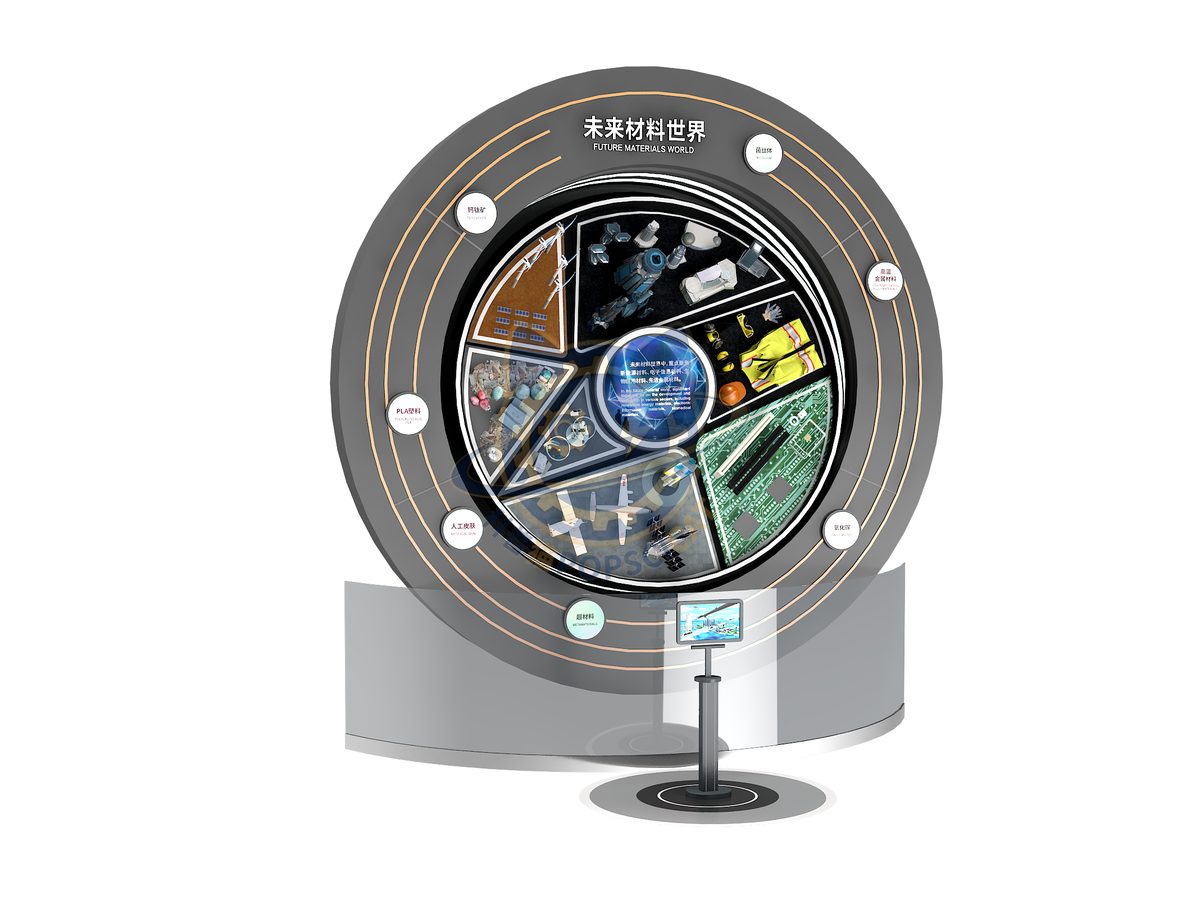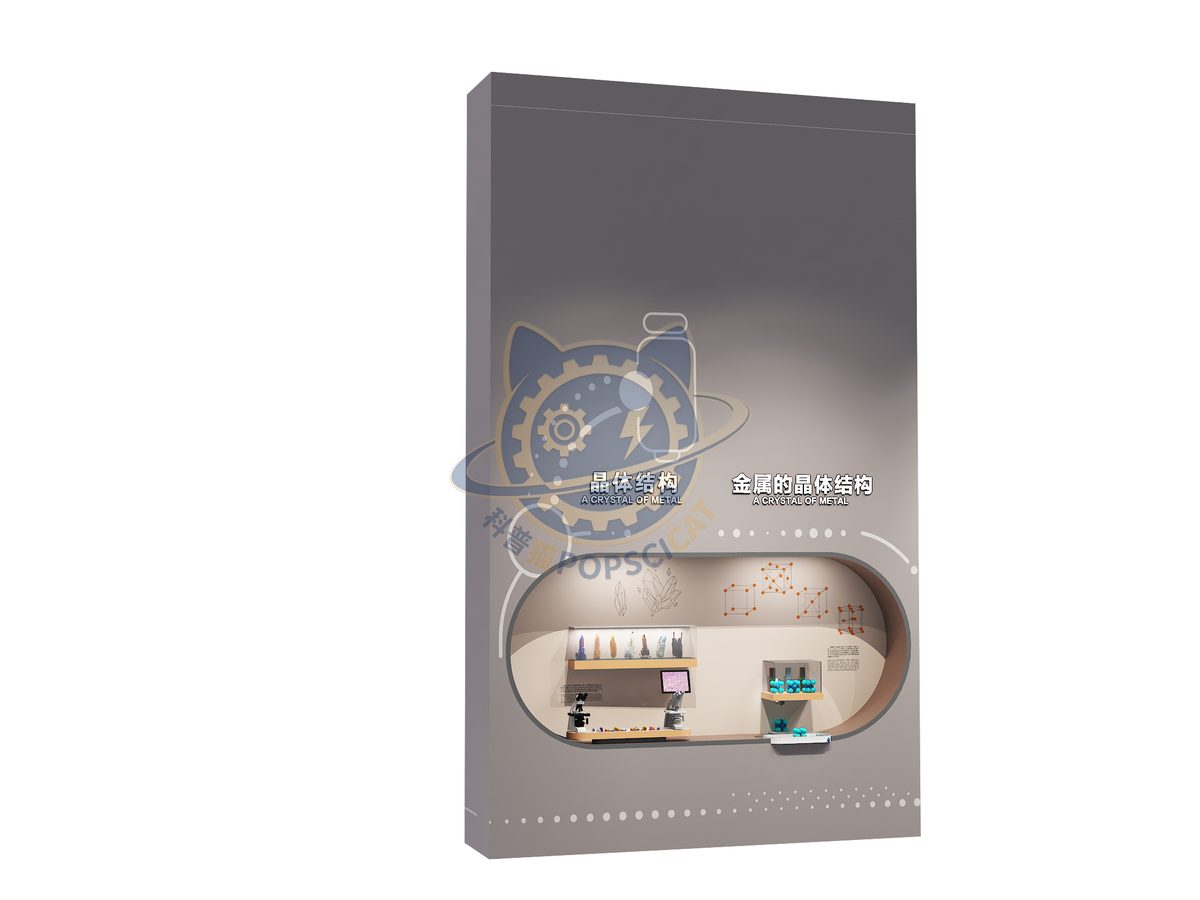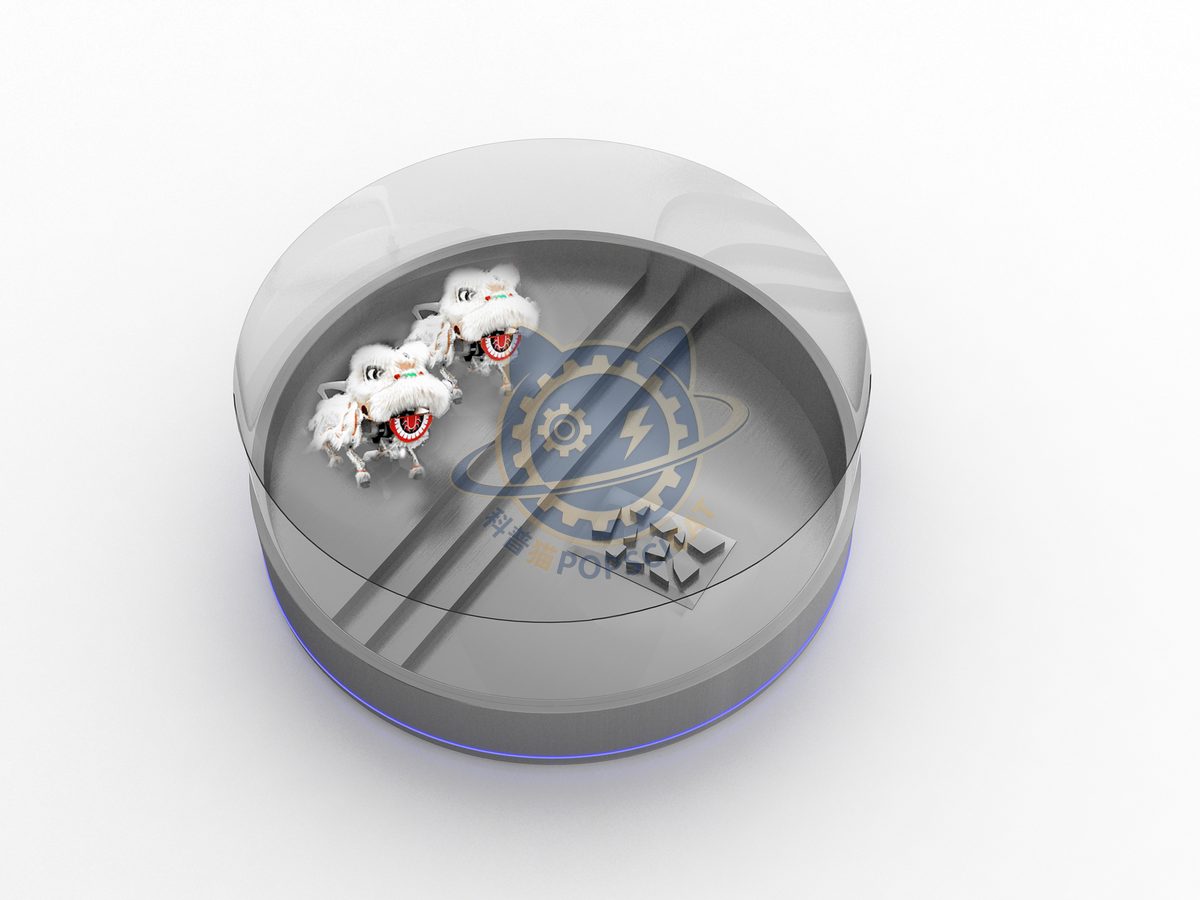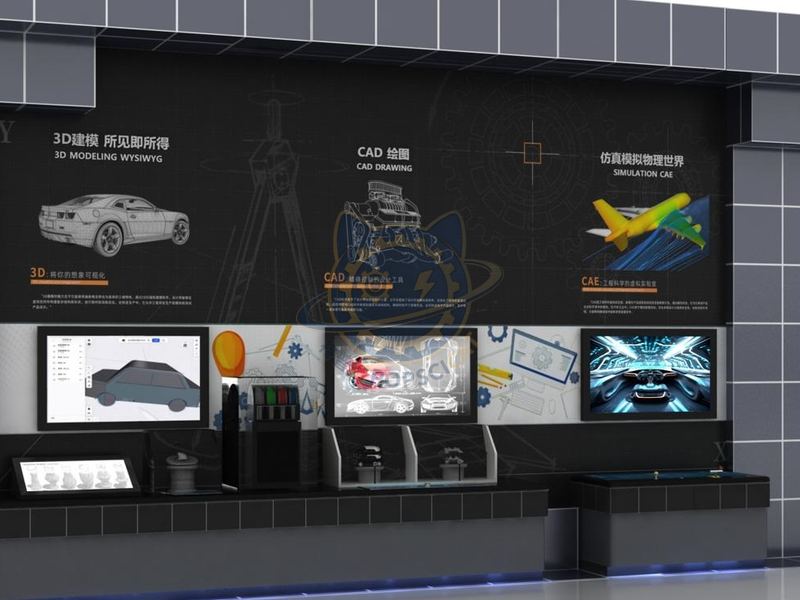
3D - Design Concept Concrete 3D modeling refers to the process of creating three-dimensional objects or scenes using…
| Category | Frontier Technology |
|---|---|
| Standard size | Custom size |
| Supply | Single unit or batch · OEM to your drawing |
| Lead time | Standard 4–8 weeks after deposit (confirmed per contract) |
| Warranty | 1 year, structure and control |
| Documents | Specification sheet · control diagram · spare-part list |
A standard catalogue model: the dimensions, control package and finish are fixed, which is what keeps the price and the lead time predictable. Size, colour and interface language can be adapted without a new design cycle.
Standard models from this range are also listed in our online store, priced in USD — see the price yourself ↗
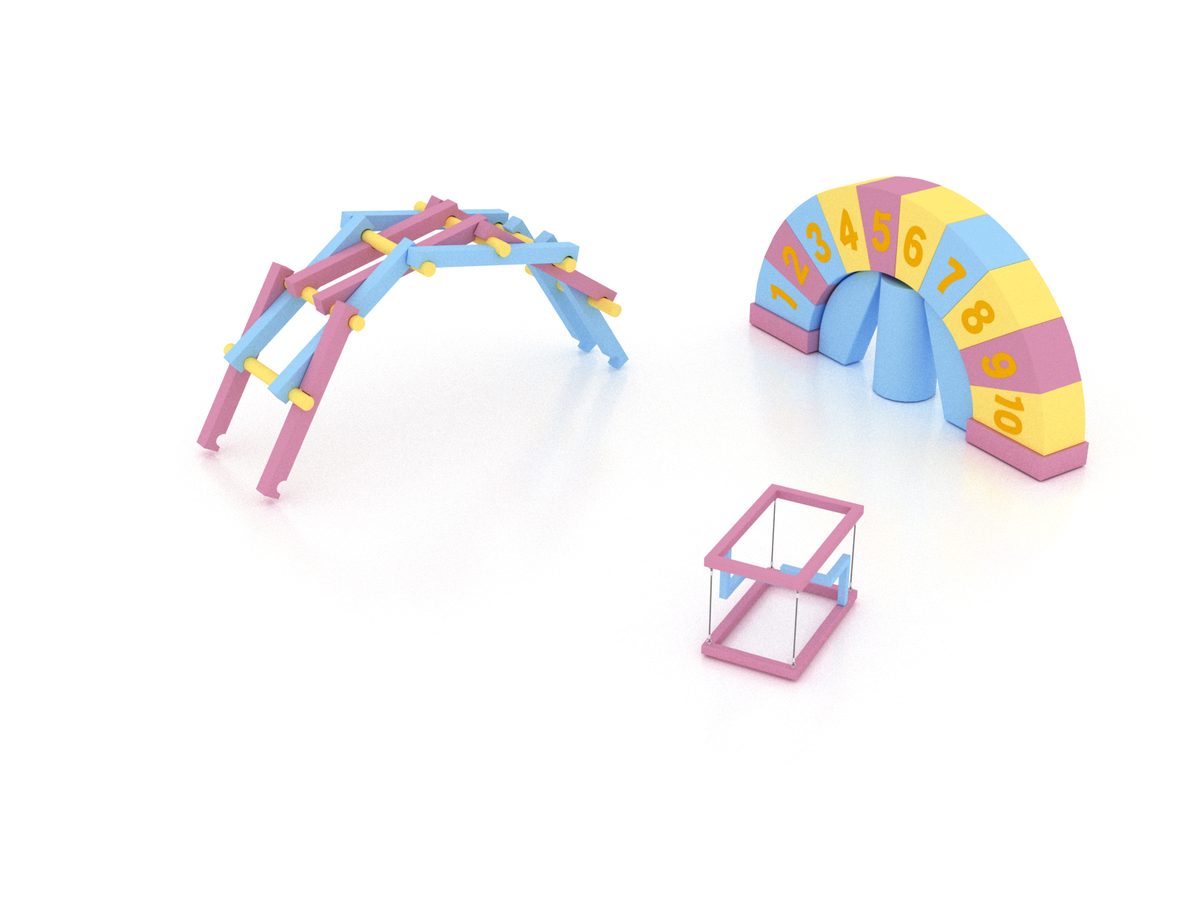
3D - Design Concept Concrete 3D modeling refers to the process of creating three-dimensional objects or scenes using computer software. These 3D models can be any form of object, such as buildings, people, products, vehicles, natural landscapes, etc. Through 3D modeling, designers can create objects that exist in three-dimensional space and observe, modify, and use them from different angles. The final output of 3D modeling can usually be used in fields such as industrial manufacturing, animation, rendering, or virtual reality.
The unit is designed for unsupervised public use: controls are recessed or shielded, moving parts are enclosed, and the interface is operable by a child of about six with no instruction. Where a screen is used, the language can be switched without changing the hardware, and the content can be replaced on site.
Industrial design is like a competition to deliver projects on time, within budget, and according to specifications. In an increasingly competitive industry environment, any tool with advantages such as accelerating product formation, achieving quality control, and simplifying design processes is key to helping projects achieve rapid implementation. Therefore, many design and product manufacturing companies have chosen efficient and fast modeling methods, such as 3D scanner modeling and real-time modeling software. Overall, the use of 3D scanners and real-time modeling software greatly enhances the capabilities and efficiency of enterprises in the field of product development.
Every unit leaves the factory after a running test: mechanisms cycled, electronics burned in, edges dressed, fixings torqued and marked. Wear parts — bearings, sliders, lamps, belts, touch panels — are modular and listed on the spare-part sheet, so a venue technician can replace them without returning the exhibit. Crating is plywood with foam blocking; the loading plan and packing list travel with the shipment.
Other models from the Frontier Technology line, all held to the same specification and the same control package.

Build a span from interchangeable parts and load it until it fails.

Shape-memory alloy, aerogel and carbon fibre under the visitor's hand.

Build a lattice from magnetic balls and see why a crystal cleaves.

Four arms perform a synchronised routine behind a glass wall.
Attach a theme outline, a floor plan, or nothing at all — a photo of the space is enough to start. Quotations are issued against a real exhibit list, not per-square-metre guesses.
Scan to add us