Home/Exhibits/Frontier Technology/Flying Pigeons and Fast Horses

Flying Pigeons and Fast Horses

Flying pigeons are a way of communication in ancient times, where letters were tied to the feet of pigeons and then…

Flying Pigeons and Fast Horses — Frontier Technology exhibit for science museums
Reference image
CategoryFrontier Technology
Standard sizeCustom size
SupplySingle unit or batch · OEM to your drawing
Lead timeStandard 4–8 weeks after deposit (confirmed per contract)
Warranty1 year, structure and control
DocumentsSpecification sheet · control diagram · spare-part list

A standard catalogue model: the dimensions, control package and finish are fixed, which is what keeps the price and the lead time predictable. Size, colour and interface language can be adapted without a new design cycle.

Ask about this model → Email us

Standard models from this range are also listed in our online store, priced in USD — see the price yourself ↗
01 / Overview

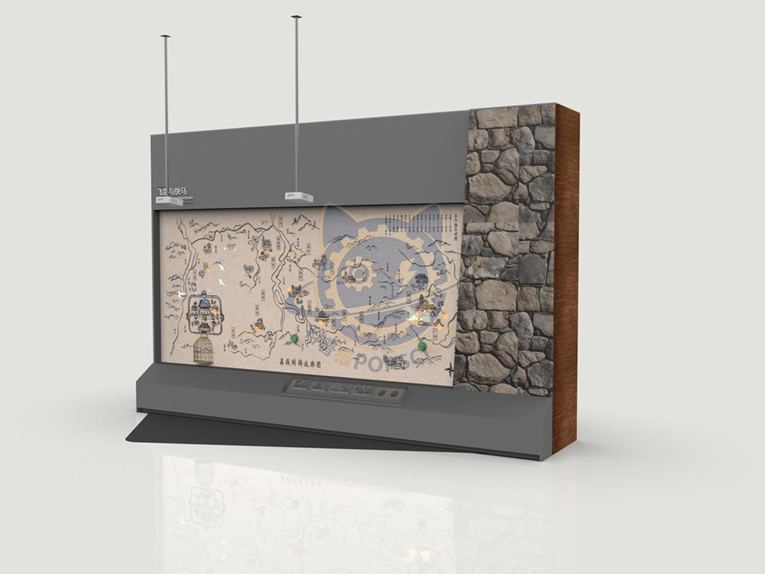
Flying pigeons are a way of communication in ancient times, where letters were tied to the feet of pigeons and then passed on to the person to be conveyed; Kuaima Post Station is an ancient communication system that uses fast horses to transfer official documents, letters, etc. between stations, ensuring that information can be transmitted quickly over long distances. Both are the crystallization of ancient information transmission wisdom.

02 / How visitors use it

The unit is designed for unsupervised public use: controls are recessed or shielded, moving parts are enclosed, and the interface is operable by a child of about six with no instruction. Where a screen is used, the language can be switched without changing the hardware, and the content can be replaced on site.

03 / The science behind it

Flying Pigeon Communication, also known as "Flying Pigeon Transmission of Books", originated in the Tang Dynasty. In ancient times, letters were tied to the feet of pigeons and used their homing ability to transmit them to others. A good carrier pigeon can fly up to 800 kilometers per day under normal circumstances. The typical '800 mile express delivery' in history occurred during the 'An Lushan Rebellion' in the Tang Dynasty. When An Lushan rebelled in Fanyang, Emperor Xuanzong of Tang was at Huaqing Pool at that time. The distance between the two places is 3000 miles, and Emperor Xuanzong of Tang learned about this news within 6 days. Judging at that time, the "800 mile express" reached over 500 miles per day. According to the "Six Classics of the Great Tang Dynasty", there were over 1600 post stations in China at that time, with a total of more than 20000 personnel specializing in post station work. Post stations were divided into three types: land post stations, water post stations, and water land merger post stations. Each post station had post houses, equipped with post horses, post donkeys, post ships, and post fields.

04 / Built for a public floor

Every unit leaves the factory after a running test: mechanisms cycled, electronics burned in, edges dressed, fixings torqued and marked. Wear parts — bearings, sliders, lamps, belts, touch panels — are modular and listed on the spare-part sheet, so a venue technician can replace them without returning the exhibit. Crating is plywood with foam blocking; the loading plan and packing list travel with the shipment.

Same category

More in Frontier Technology

Other models from the Frontier Technology line, all held to the same specification and the same control package.

Start a project

Send us your exhibit list.
We will come back with a price.

Attach a theme outline, a floor plan, or nothing at all — a photo of the space is enough to start. Quotations are issued against a real exhibit list, not per-square-metre guesses.

WeChat QR code — scan to message us Scan to add us
on WeChat