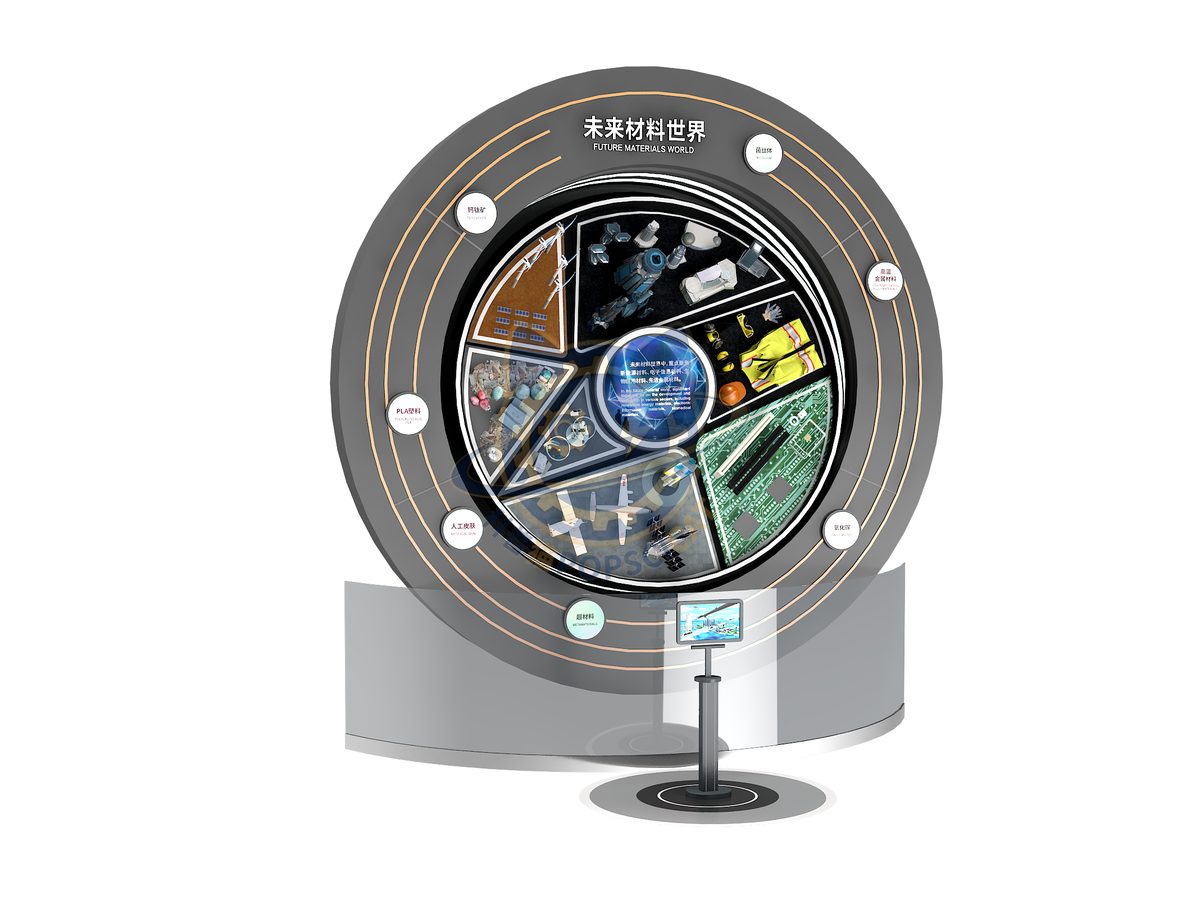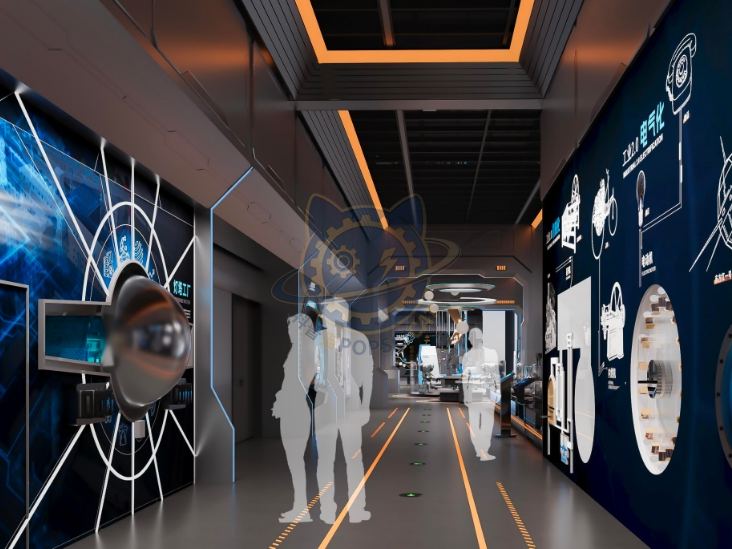
The second industrial revolution of Industry 2.0 electrification began in the late 19th century and continued until…
| Category | Frontier Technology |
|---|---|
| Standard size | Custom size |
| Supply | Single unit or batch · OEM to your drawing |
| Lead time | Standard 4–8 weeks after deposit (confirmed per contract) |
| Warranty | 1 year, structure and control |
| Documents | Specification sheet · control diagram · spare-part list |
A standard catalogue model: the dimensions, control package and finish are fixed, which is what keeps the price and the lead time predictable. Size, colour and interface language can be adapted without a new design cycle.
Standard models from this range are also listed in our online store, priced in USD — see the price yourself ↗
The second industrial revolution of Industry 2.0 electrification began in the late 19th century and continued until the early 20th century. The Second Industrial Revolution was based on large-scale production, driven by electricity and assembly line operations. In 1876, German inventor Otto successfully created the first reciprocating piston four stroke internal combustion engine using the principle of Rosa. This power source became the first practical solution to replace the steam engine and was quickly adopted by many enterprises. Today, internal combustion engines are still the most widely used equipment for providing kinetic energy. In 1887, the alternating current induction motor was invented by Nikola Tesla as a working motor that operated on alternating current. An alternating current is a charge that flows in the opposite direction at certain intervals. Nowadays, the power grid that supplies power to households and buildings around the world still operates on alternating current. In 1876, Alexander Graham Bell created the world's first practical telephone, which sparked the history of human communication.
The unit is designed for unsupervised public use: controls are recessed or shielded, moving parts are enclosed, and the interface is operable by a child of about six with no instruction. Where a screen is used, the language can be switched without changing the hardware, and the content can be replaced on site.
Industry 2.0 began in the late 19th and early 20th centuries, marked by the invention of electric lights and the large-scale application of electricity, marking the transition from mechanization to electrification. The social productivity created by the electrical age is beyond the reach of the steam age. Electric lights, trams, and movie projectors emerged successively during this period, ushering humanity into the "electrical age". The main characteristics of this period were electrification and large-scale production. The application of electricity has fundamentally changed the face of social production and life, accelerating the concentration and monopoly of capital, and driving the emergence of a series of new technological sectors.
Every unit leaves the factory after a running test: mechanisms cycled, electronics burned in, edges dressed, fixings torqued and marked. Wear parts — bearings, sliders, lamps, belts, touch panels — are modular and listed on the spare-part sheet, so a venue technician can replace them without returning the exhibit. Crating is plywood with foam blocking; the loading plan and packing list travel with the shipment.
Other models from the Frontier Technology line, all held to the same specification and the same control package.

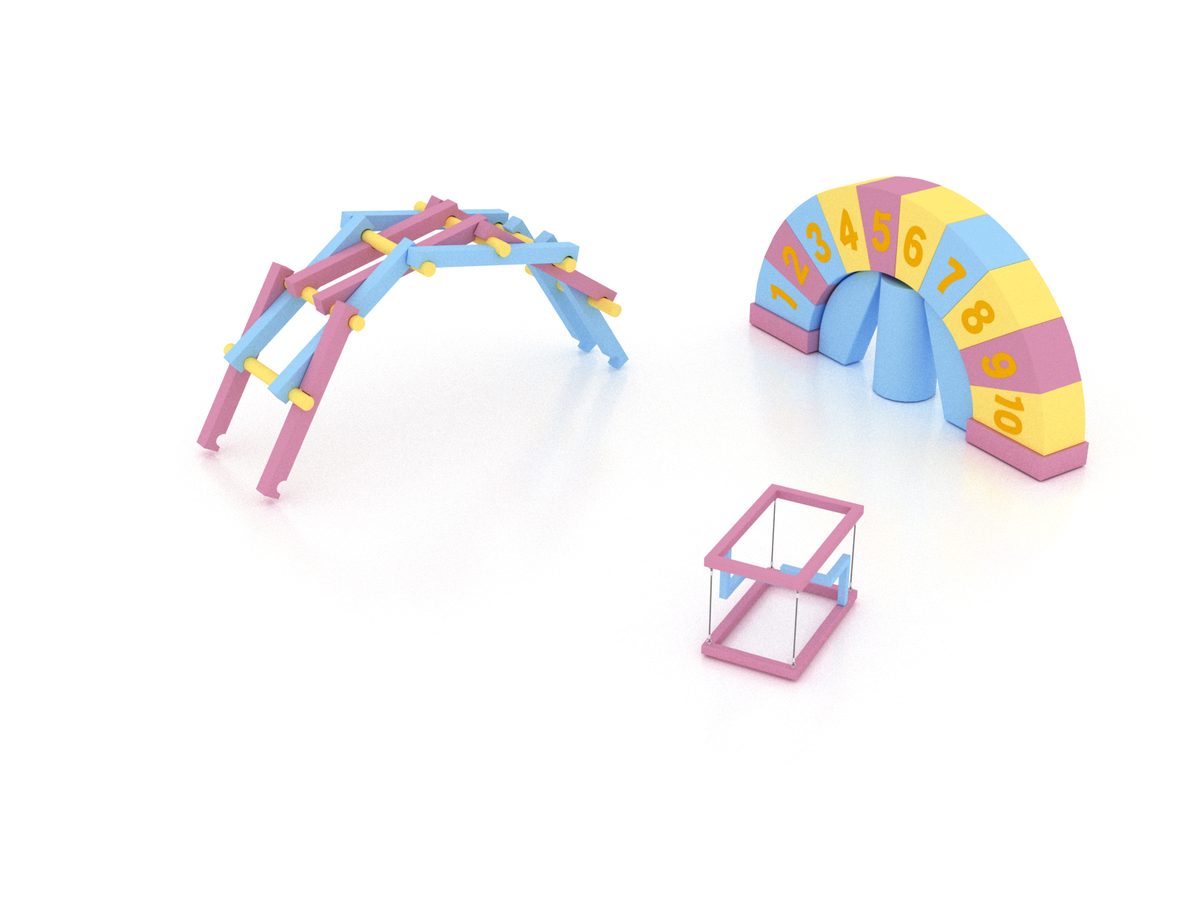
Build a span from interchangeable parts and load it until it fails.

Shape-memory alloy, aerogel and carbon fibre under the visitor's hand.

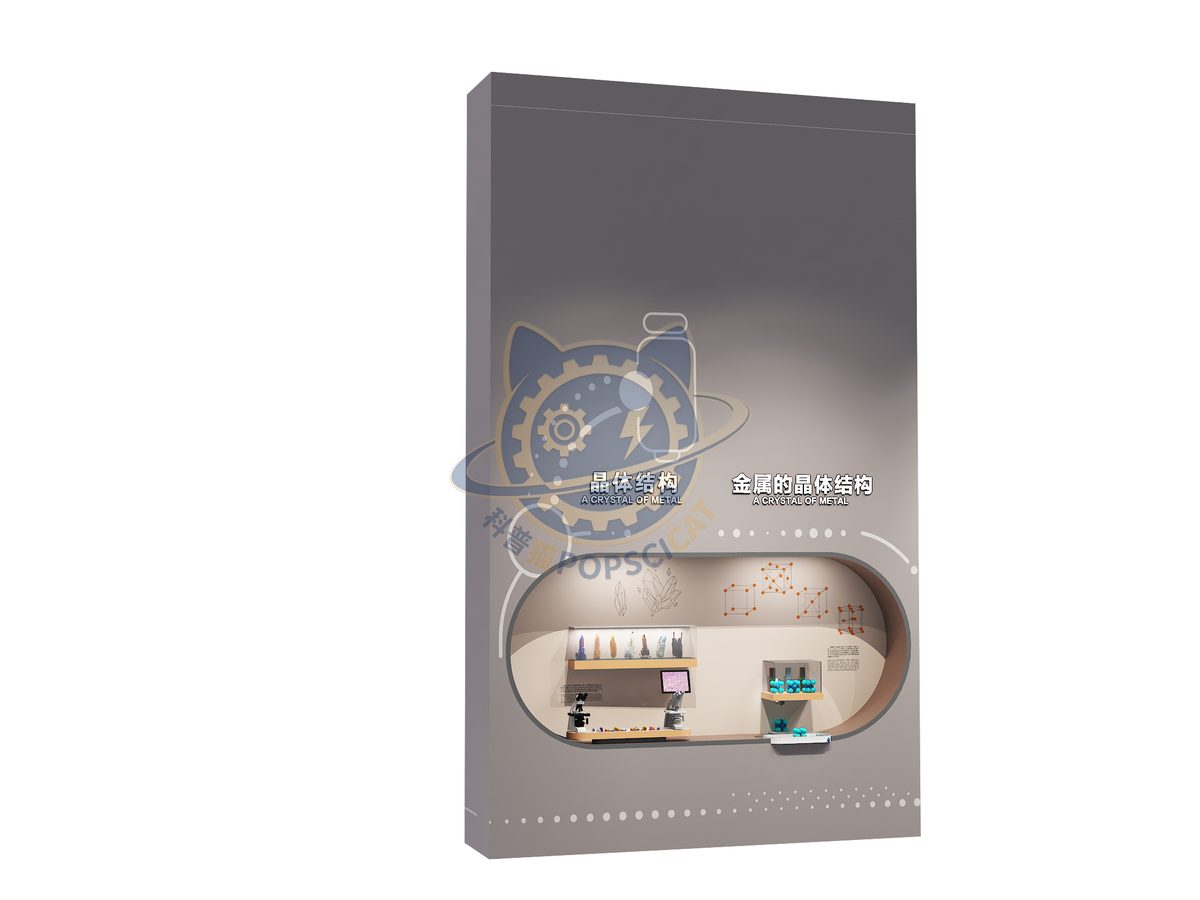
Build a lattice from magnetic balls and see why a crystal cleaves.

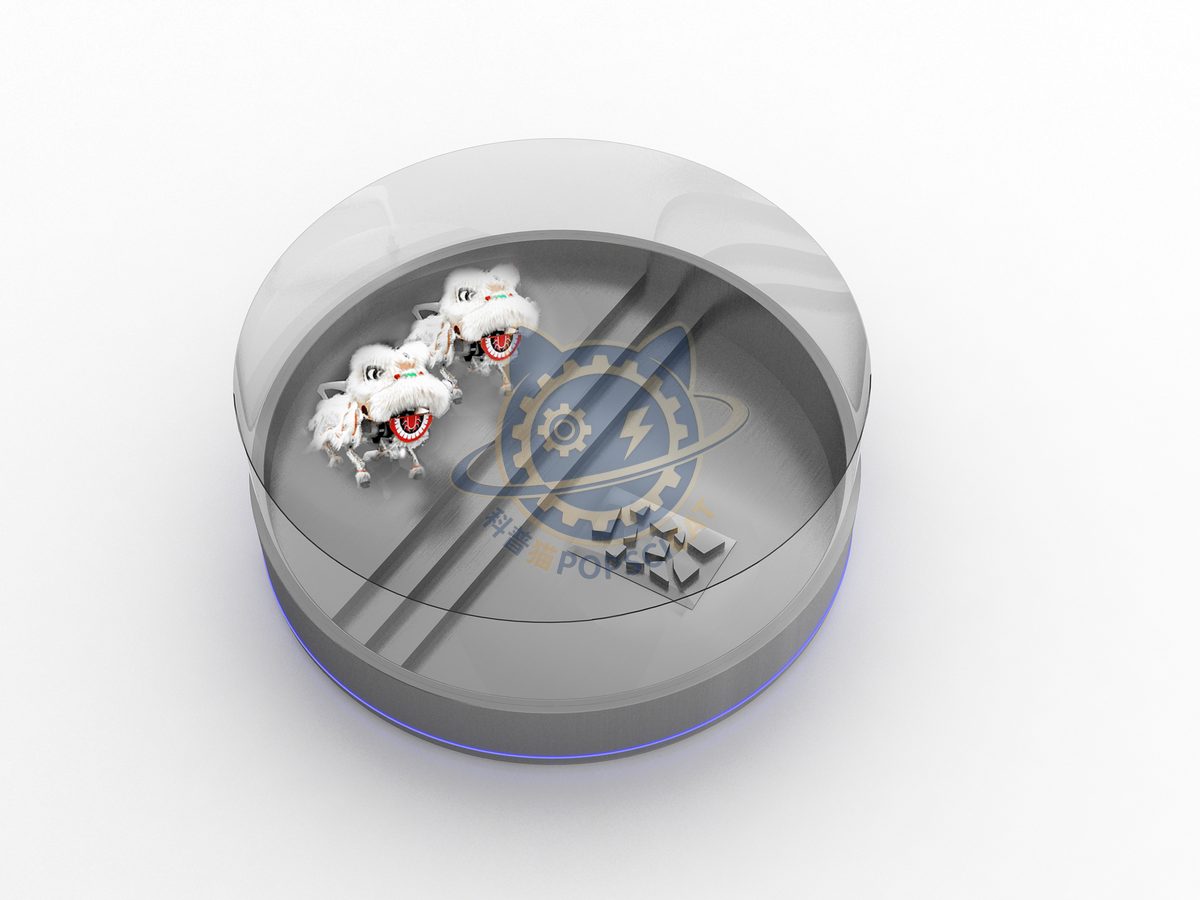
Four arms perform a synchronised routine behind a glass wall.
Attach a theme outline, a floor plan, or nothing at all — a photo of the space is enough to start. Quotations are issued against a real exhibit list, not per-square-metre guesses.
Scan to add us