Motorola invented the world's first handheld mobile phone in 1973 and launched the first commercial handheld mobile…
| Category | Frontier Technology |
|---|---|
| Standard size | Custom size |
| Supply | Single unit or batch · OEM to your drawing |
| Lead time | Standard 4–8 weeks after deposit (confirmed per contract) |
| Warranty | 1 year, structure and control |
| Documents | Specification sheet · control diagram · spare-part list |
A standard catalogue model: the dimensions, control package and finish are fixed, which is what keeps the price and the lead time predictable. Size, colour and interface language can be adapted without a new design cycle.
Standard models from this range are also listed in our online store, priced in USD — see the price yourself ↗
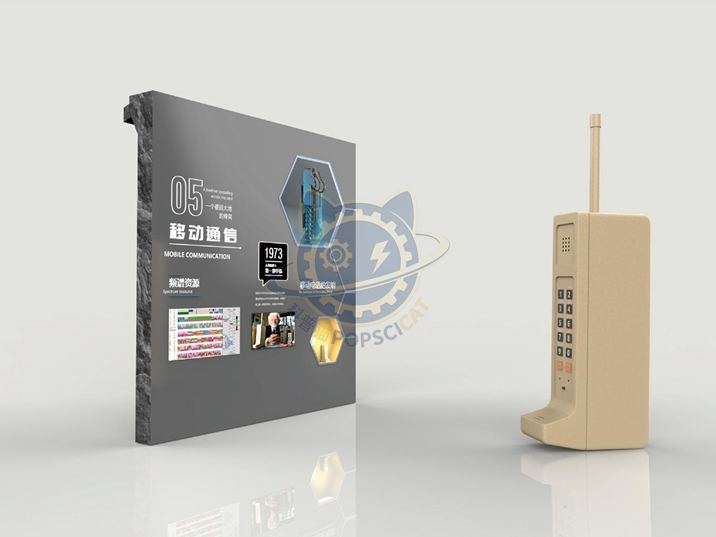
Motorola invented the world's first handheld mobile phone in 1973 and launched the first commercial handheld mobile phone, the Motorola DynaTAC 8000X, in 1983, marking the beginning of the modern mobile phone era. Its invention completely changed the way people communicate, making it possible to talk anytime, anywhere.
The unit is designed for unsupervised public use: controls are recessed or shielded, moving parts are enclosed, and the interface is operable by a child of about six with no instruction. Where a screen is used, the language can be switched without changing the hardware, and the content can be replaced on site.
On April 3, 1973, just 43 years ago, Marty Cooper, an engineer at Motorola, took out a mobile device on the street that weighed 2.5 pounds (1.1 kilograms), was 9 inches (22.9 centimeters) long, and 5 inches (12.7 centimeters) thick - Motorola's early DynaTAC phone. He pressed the 'off hook' button on the street and made the first call to Bell Laboratories. The first traditional mobile phone was born in this way. Of course, this is still a bulky phone that requires 10 hours of charging and 20 minutes of talk time. It's probably "talk for 5 minutes, charge for 2 hours". It has no screen, only three functions: speaking, listening, and dialing.
Every unit leaves the factory after a running test: mechanisms cycled, electronics burned in, edges dressed, fixings torqued and marked. Wear parts — bearings, sliders, lamps, belts, touch panels — are modular and listed on the spare-part sheet, so a venue technician can replace them without returning the exhibit. Crating is plywood with foam blocking; the loading plan and packing list travel with the shipment.
Other models from the Frontier Technology line, all held to the same specification and the same control package.

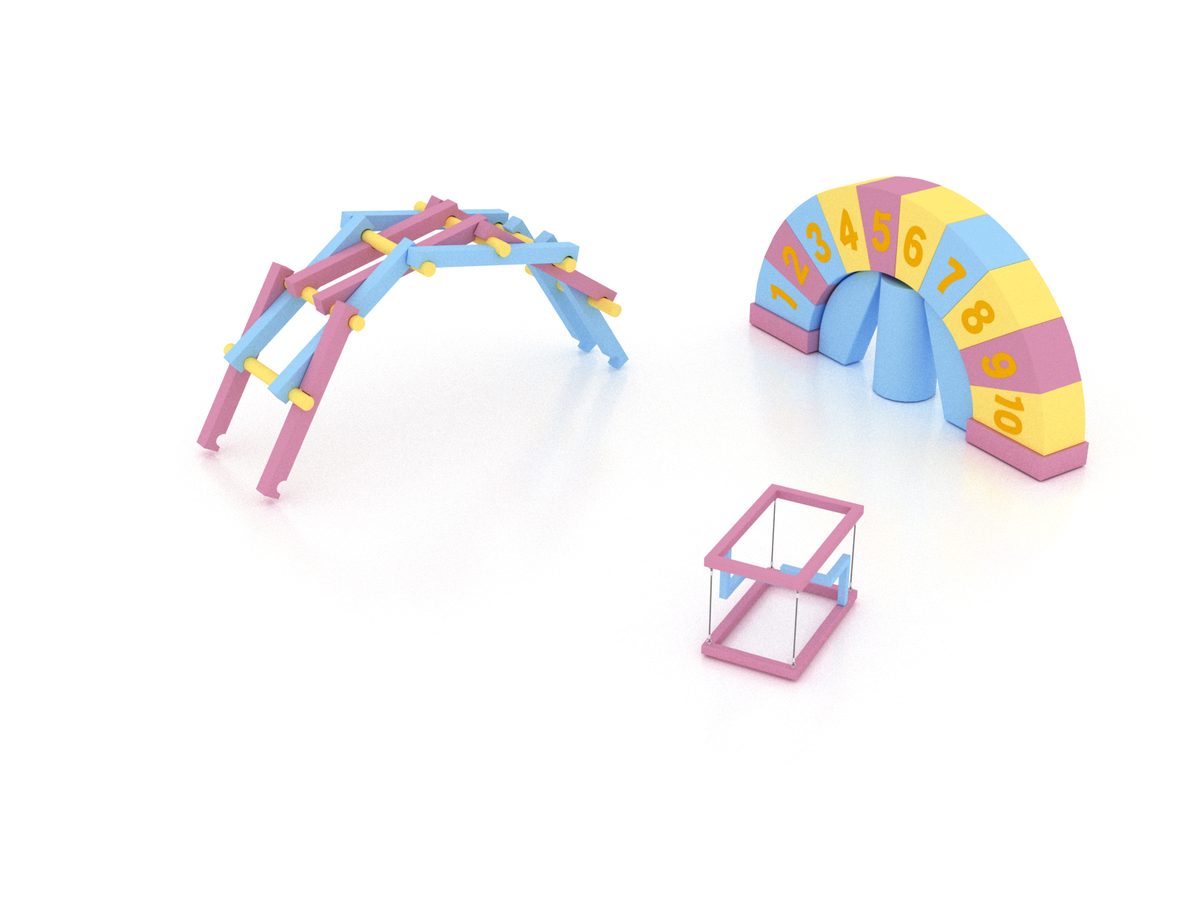
Build a span from interchangeable parts and load it until it fails.

Shape-memory alloy, aerogel and carbon fibre under the visitor's hand.

Build a lattice from magnetic balls and see why a crystal cleaves.

Four arms perform a synchronised routine behind a glass wall.
Attach a theme outline, a floor plan, or nothing at all — a photo of the space is enough to start. Quotations are issued against a real exhibit list, not per-square-metre guesses.
Scan to add us