Martensitic phase transition refers to a displacement type phase transition characterized by no compositional…
| Category | Frontier Technology |
|---|---|
| Standard size | Custom size |
| Supply | Single unit or batch · OEM to your drawing |
| Lead time | Standard 4–8 weeks after deposit (confirmed per contract) |
| Warranty | 1 year, structure and control |
| Documents | Specification sheet · control diagram · spare-part list |
A standard catalogue model: the dimensions, control package and finish are fixed, which is what keeps the price and the lead time predictable. Size, colour and interface language can be adapted without a new design cycle.
Standard models from this range are also listed in our online store, priced in USD — see the price yourself ↗
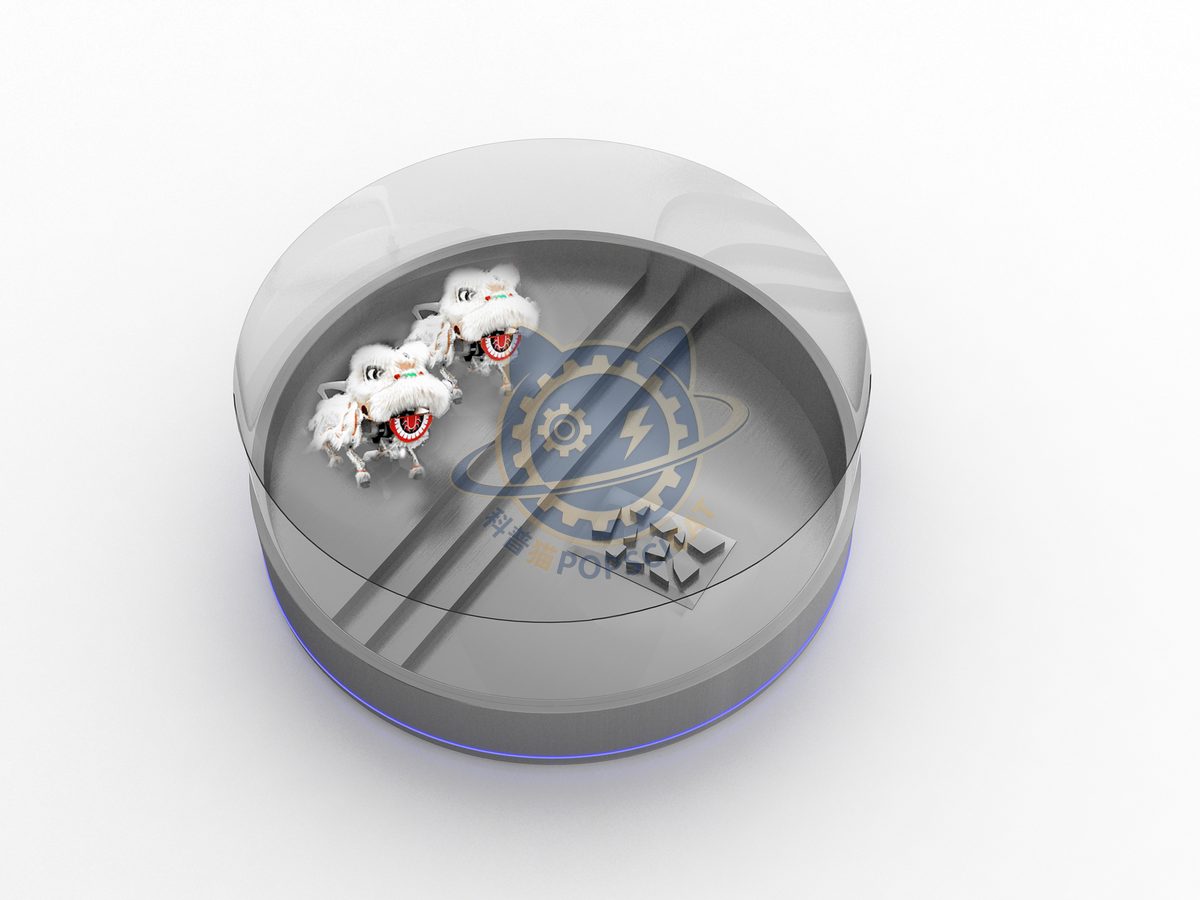
Martensitic phase transition refers to a displacement type phase transition characterized by no compositional changes and mainly lattice distortion. People initially discovered this phenomenon in steel and defined the transformation from austenite to martensite as martensitic transformation. Subsequently, this phase transition has been widely discovered to exist in various metallic and non-metallic materials. Martensitic transformation is widely used in alloy design of high-strength steels due to its unique characteristics, and it is also an important foundation for intelligent metal design.
The unit is designed for unsupervised public use: controls are recessed or shielded, moving parts are enclosed, and the interface is operable by a child of about six with no instruction. Where a screen is used, the language can be switched without changing the hardware, and the content can be replaced on site.
(1) Martensitic transformation is a displacement type transformation characterized by no compositional changes and mainly lattice distortion. The phase transformation formed in steel after high-temperature quenching is named martensite. Besides steel, martensitic transformation can also occur in many non-ferrous and non-metallic materials. There are several common martensitic transformations in metals, including face centered cubic, body centered tetragonal, face centered cubic face centered tetragonal, body centered cubic orthogonal, body centered cubic compact hexagonal, face centered cubic body centered cubic, and face centered cubic compact hexagonal. (2) Martensitic transformation characteristics: Martensitic transformation belongs to a generalized displacement type diffusion free transformation. Its core feature is that it is carried out in a shear displacement manner, and the new and old phase components remain unchanged. In crystallography, there is a definite orientation relationship between the new phase and the parent phase, and the phase interface is a specific crystal plane (i.e., the habitual plane) that neither distorts nor rotates during the phase transition process. Due to the shear effect, the originally flat surface of the sample will.
Every unit leaves the factory after a running test: mechanisms cycled, electronics burned in, edges dressed, fixings torqued and marked. Wear parts — bearings, sliders, lamps, belts, touch panels — are modular and listed on the spare-part sheet, so a venue technician can replace them without returning the exhibit. Crating is plywood with foam blocking; the loading plan and packing list travel with the shipment.
Other models from the Frontier Technology line, all held to the same specification and the same control package.

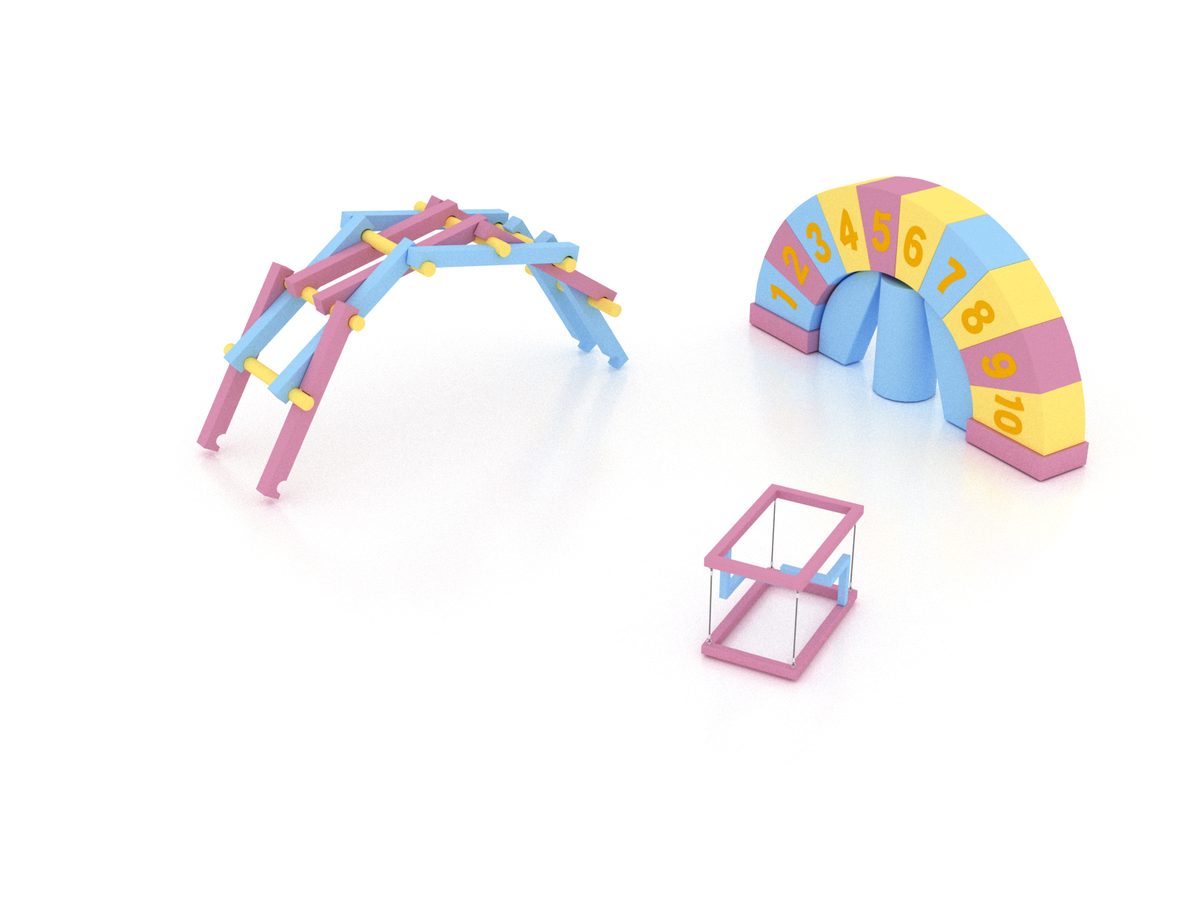
Build a span from interchangeable parts and load it until it fails.

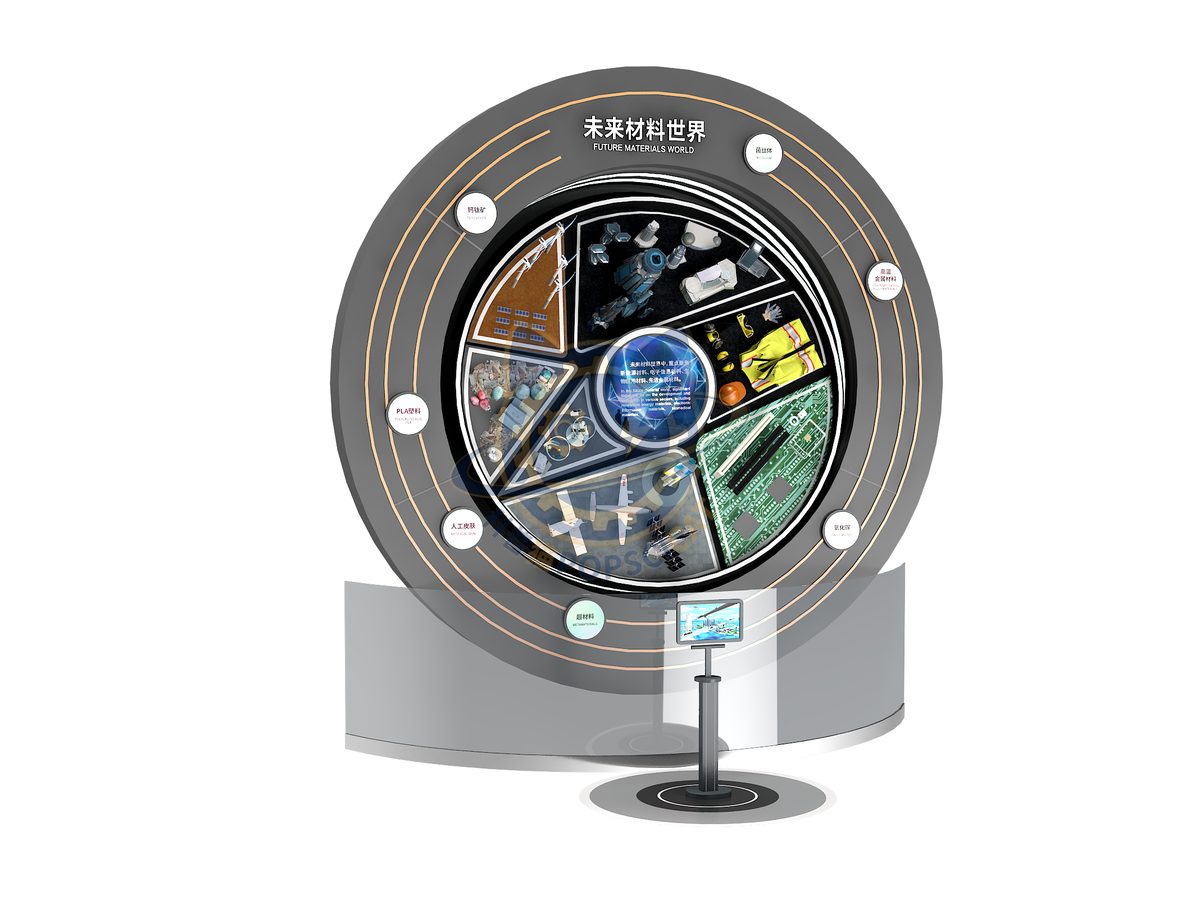
Shape-memory alloy, aerogel and carbon fibre under the visitor's hand.

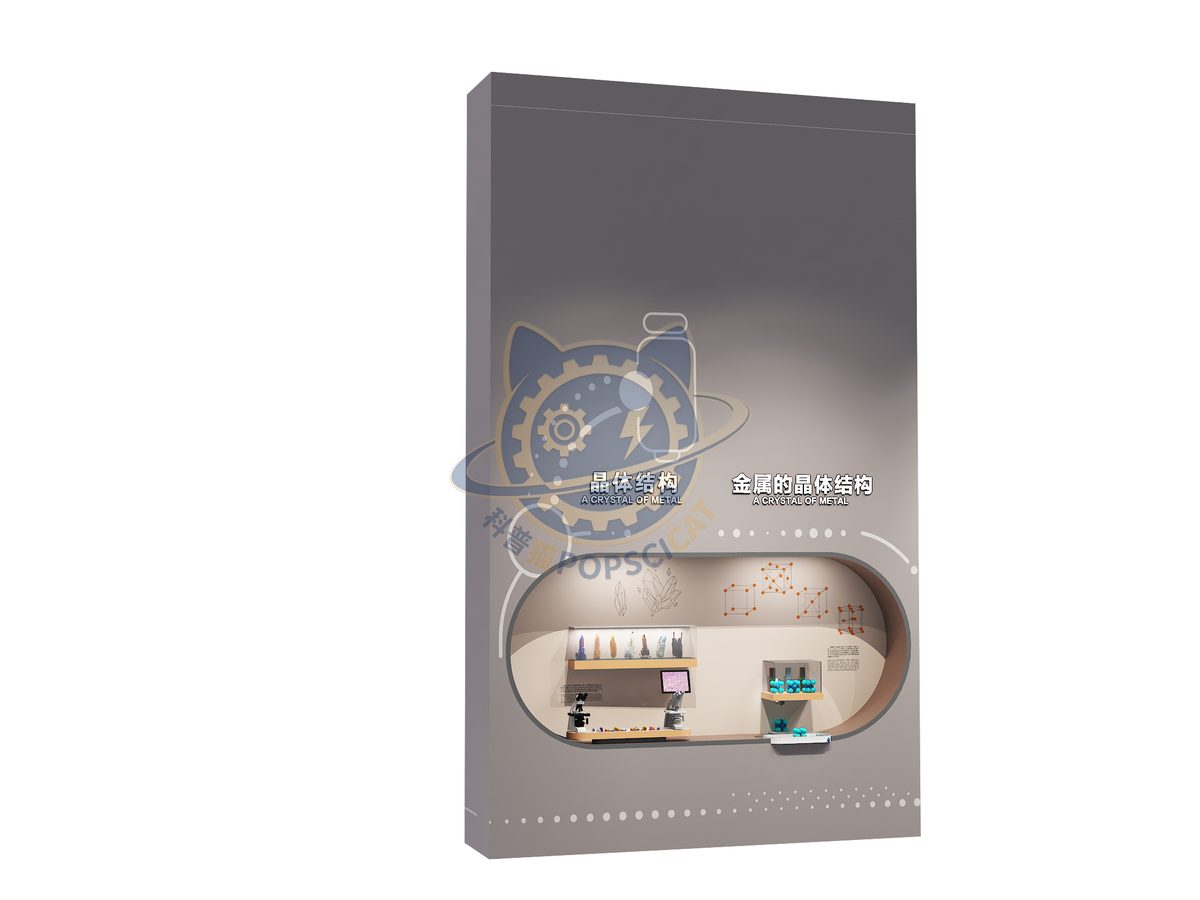
Build a lattice from magnetic balls and see why a crystal cleaves.

Four arms perform a synchronised routine behind a glass wall.
Attach a theme outline, a floor plan, or nothing at all — a photo of the space is enough to start. Quotations are issued against a real exhibit list, not per-square-metre guesses.
Scan to add us