1、 In the 1960s, during the period of technological germination and exploration, China actively laid out in key…
| Category | Frontier Technology |
|---|---|
| Standard size | Custom size |
| Supply | Single unit or batch · OEM to your drawing |
| Lead time | Standard 4–8 weeks after deposit (confirmed per contract) |
| Warranty | 1 year, structure and control |
| Documents | Specification sheet · control diagram · spare-part list |
A standard catalogue model: the dimensions, control package and finish are fixed, which is what keeps the price and the lead time predictable. Size, colour and interface language can be adapted without a new design cycle.
Standard models from this range are also listed in our online store, priced in USD — see the price yourself ↗
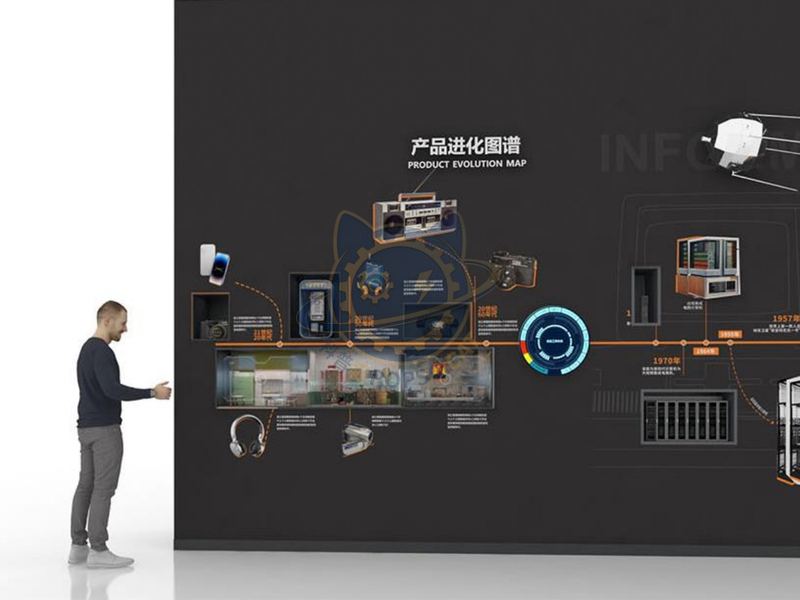
1、 In the 1960s, during the period of technological germination and exploration, China actively laid out in key areas with relatively weak industrial foundations and achieved initial results, exploring a path of self reliant technological development. In 1962, Shanghai Camera Factory launched the Shanghai Type 4 120 dual lens reflex camera, which was renamed the Seagull Type 4 the following year. This camera has become a mainstream product in China with excellent craftsmanship and quality, and is an important milestone in the development of China's camera industry. 2、 In the 1990s, during the period of rapid technological development and the beginning of marketization, China's market economy system gradually established, and domestic and foreign scientific and technological exchanges and cooperation became increasingly frequent. Many scientific and technological achievements began to enter the market and be transformed into actual productivity. In 1995, Shanghai Volkswagen launched the Santana 2000 as an upgraded version of the classic car model, featuring advanced technology and comfortable features.
The unit is designed for unsupervised public use: controls are recessed or shielded, moving parts are enclosed, and the interface is operable by a child of about six with no instruction. Where a screen is used, the language can be switched without changing the hardware, and the content can be replaced on site.
Product evolution is not only a direct result of technological progress, but also a product of the interaction of multiple factors. Firstly, technological innovation provides a foundation for the improvement of product design and functionality. For example, with the development of communication technology, telephones have shifted from analog signals to digital communication, greatly improving the quality and convenience of calls. Secondly, socio-cultural factors have also profoundly influenced the evolution of products. The changing lifestyles, family structures, and social values of different eras have prompted product design to gradually meet people's needs. For example, radios in the 1990s were not only tools for listening to music, but also the center of home entertainment and socializing, reflecting the cultural trends of the time. The economic environment also plays an important role. The prosperity of the economy and the improvement of consumer power have driven the research and development of new products and the expansion of the market. Against the backdrop of rapid economic development, consumers' demand for high-quality, convenient, and multifunctional products has increased, promoting rapid iteration of products.
Every unit leaves the factory after a running test: mechanisms cycled, electronics burned in, edges dressed, fixings torqued and marked. Wear parts — bearings, sliders, lamps, belts, touch panels — are modular and listed on the spare-part sheet, so a venue technician can replace them without returning the exhibit. Crating is plywood with foam blocking; the loading plan and packing list travel with the shipment.
Other models from the Frontier Technology line, all held to the same specification and the same control package.

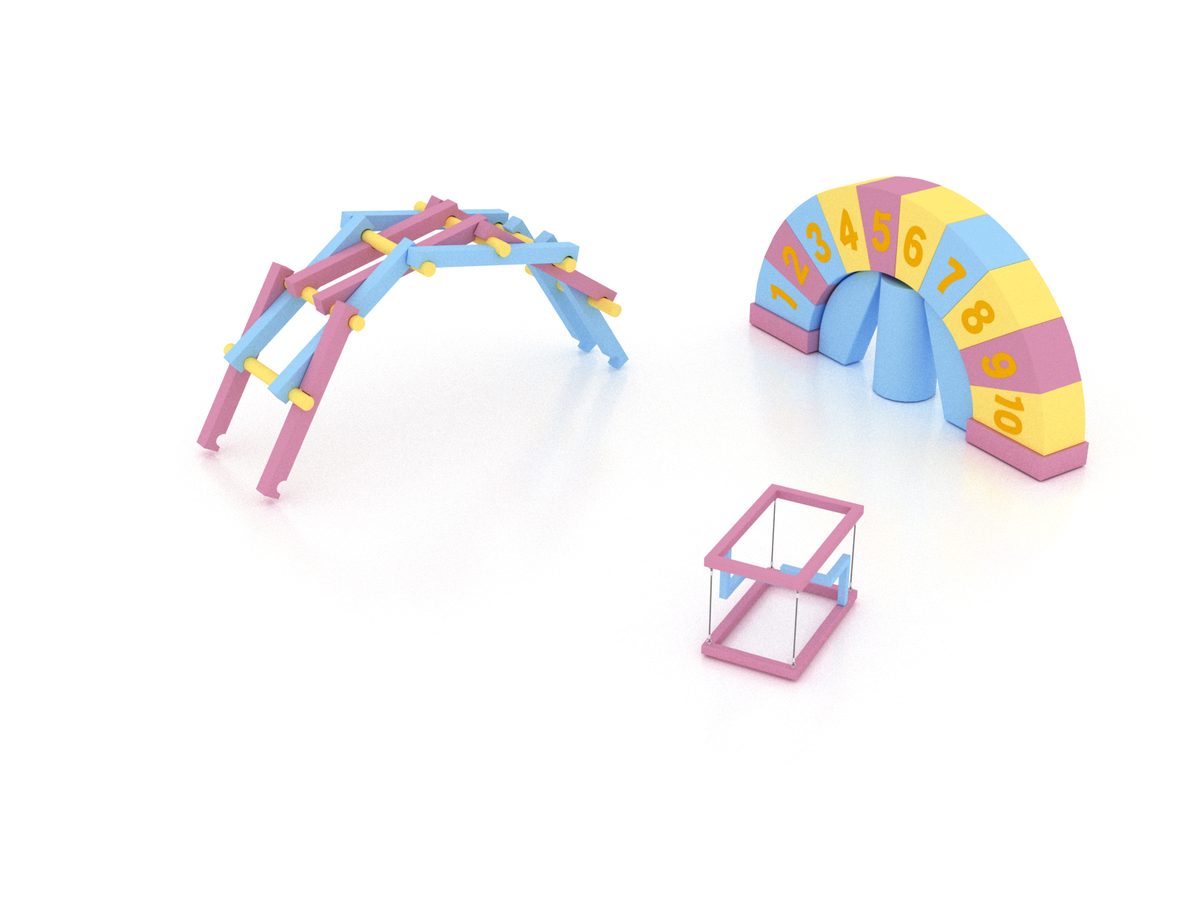
Build a span from interchangeable parts and load it until it fails.

Shape-memory alloy, aerogel and carbon fibre under the visitor's hand.

Build a lattice from magnetic balls and see why a crystal cleaves.

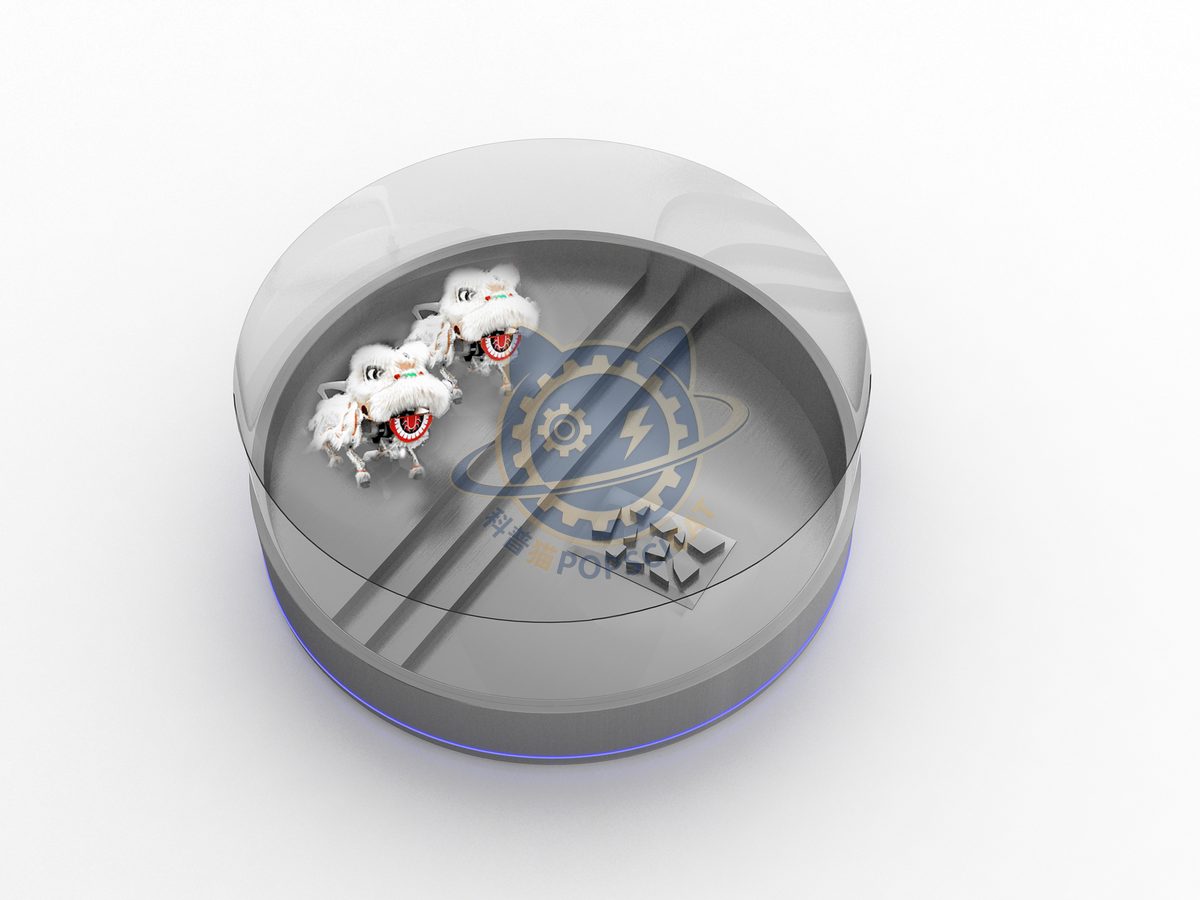
Four arms perform a synchronised routine behind a glass wall.
Attach a theme outline, a floor plan, or nothing at all — a photo of the space is enough to start. Quotations are issued against a real exhibit list, not per-square-metre guesses.
Scan to add us