At the end of the 19th century, classical physics faced challenges in explaining microscopic phenomena, such as the…
| Category | Frontier Technology |
|---|---|
| Standard size | Custom size |
| Supply | Single unit or batch · OEM to your drawing |
| Lead time | Standard 4–8 weeks after deposit (confirmed per contract) |
| Warranty | 1 year, structure and control |
| Documents | Specification sheet · control diagram · spare-part list |
A standard catalogue model: the dimensions, control package and finish are fixed, which is what keeps the price and the lead time predictable. Size, colour and interface language can be adapted without a new design cycle.
Standard models from this range are also listed in our online store, priced in USD — see the price yourself ↗
At the end of the 19th century, classical physics faced challenges in explaining microscopic phenomena, such as the inability to accurately describe blackbody radiation and photoelectric effects. These challenges gave birth to quantum theory, and the contributions of numerous scientists such as Planck, Einstein, and Bohr revealed new properties of microscopic particles, solved problems in classical theory, and propelled the development of physics. The establishment of quantum theory marks the transition of physics from classical vector particles, completely changing our understanding of the microscopic world.
The unit is designed for unsupervised public use: controls are recessed or shielded, moving parts are enclosed, and the interface is operable by a child of about six with no instruction. Where a screen is used, the language can be switched without changing the hardware, and the content can be replaced on site.
Blackbody radiation problem: In 1900, Planck proposed a new hypothesis to explain the law of blackbody radiation: energy is discontinuous and transmitted in a discrete manner, and named it "quantum" The photoelectric effect: In 1905, Einstein read Planck's blackbody radiation paper and used the hypothesis of "quantization" of radiation to explain the properties of light, proposing that light is a quantum Compton scattering: In 1923, Compton introduced photon theory when studying the problem of X-ray and electron scattering, treating scattered light with longer wavelengths as the result of elastic collisions between individual photons and electrons Bohr Model: In 1913, Niels Bohr reinterpreted the atomic model by proposing that electrons orbit the nucleus in many discrete circular orbits And electrons will jump between different orbits, which is called electron transition Hydrogen atomic spectroscopy: The Bohr model of electron clouds introduces the concept of quantization to study the motion of electrons within atoms This model is useful for computation.
Every unit leaves the factory after a running test: mechanisms cycled, electronics burned in, edges dressed, fixings torqued and marked. Wear parts — bearings, sliders, lamps, belts, touch panels — are modular and listed on the spare-part sheet, so a venue technician can replace them without returning the exhibit. Crating is plywood with foam blocking; the loading plan and packing list travel with the shipment.
Other models from the Frontier Technology line, all held to the same specification and the same control package.

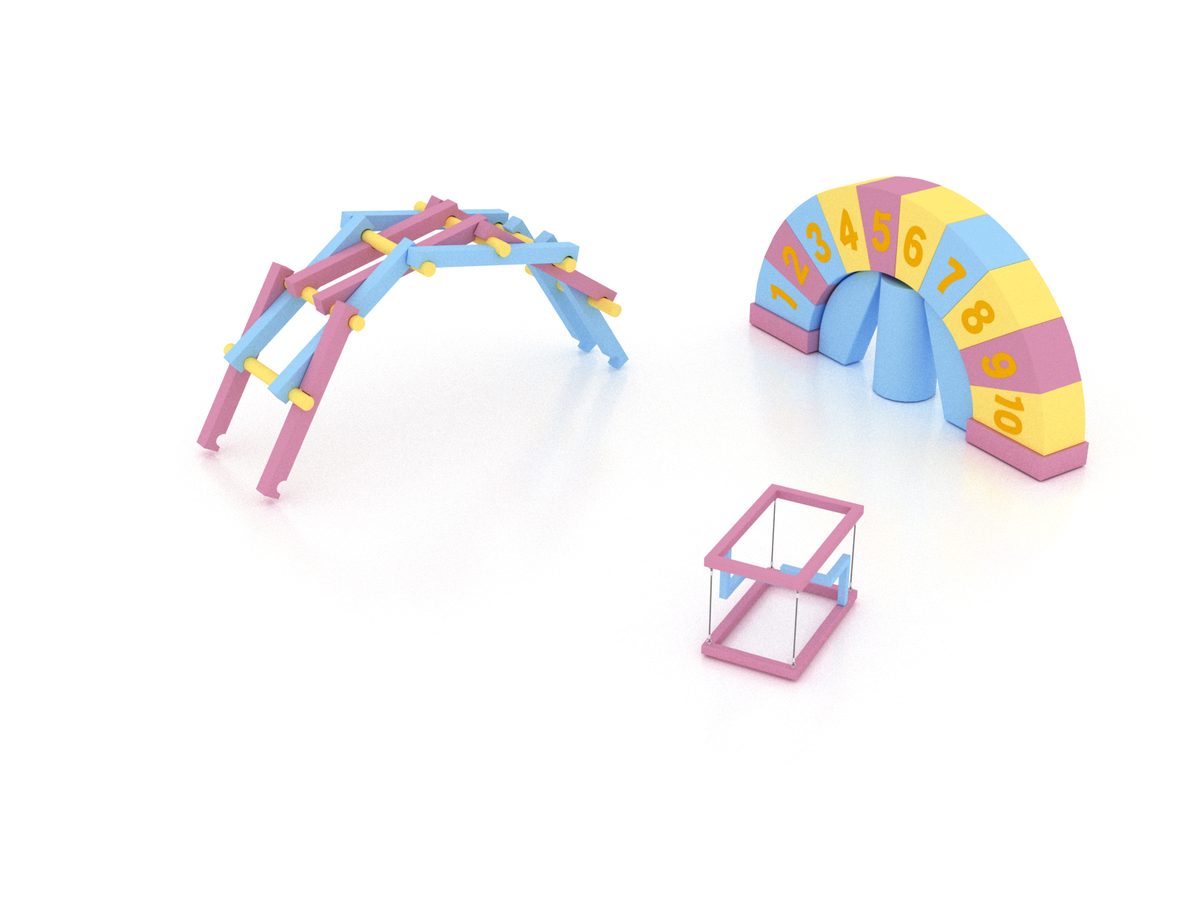
Build a span from interchangeable parts and load it until it fails.

Shape-memory alloy, aerogel and carbon fibre under the visitor's hand.

Build a lattice from magnetic balls and see why a crystal cleaves.

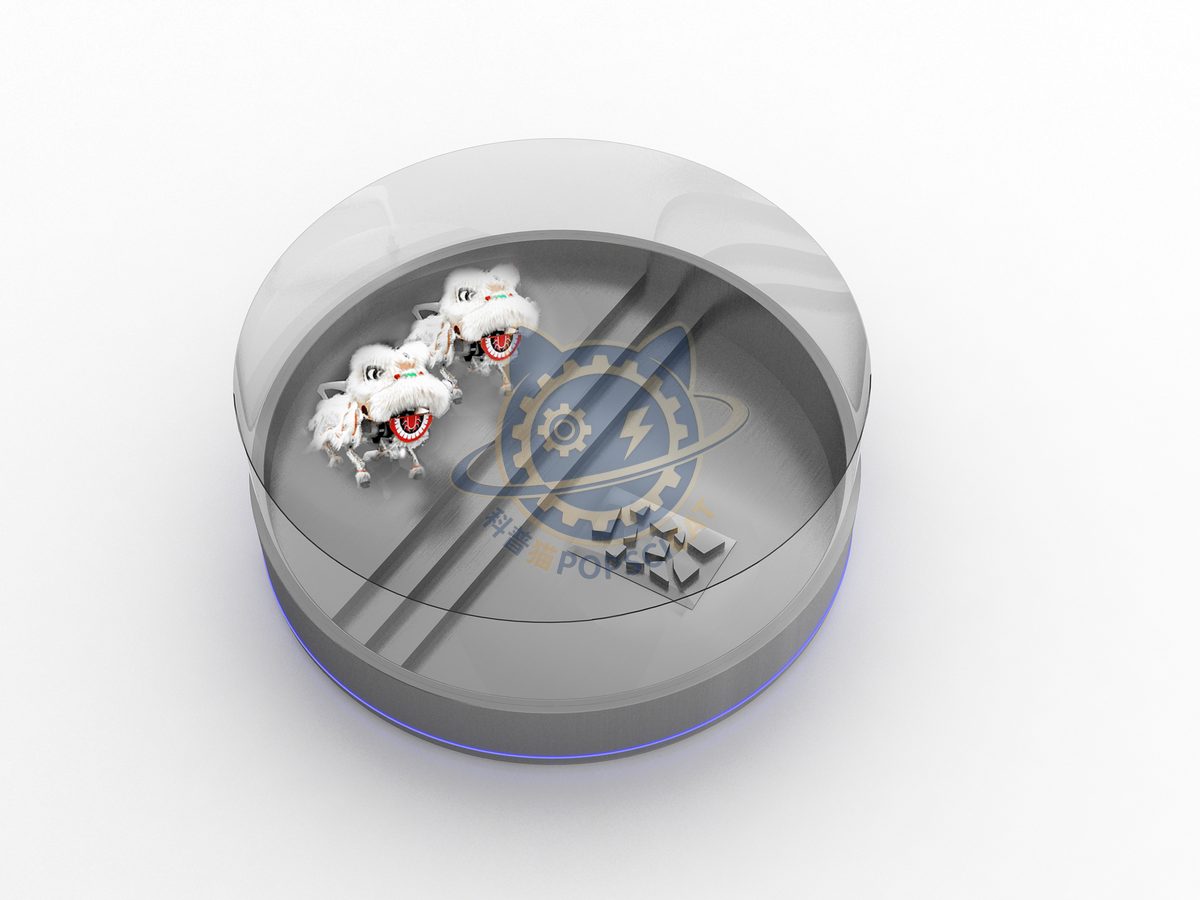
Four arms perform a synchronised routine behind a glass wall.
Attach a theme outline, a floor plan, or nothing at all — a photo of the space is enough to start. Quotations are issued against a real exhibit list, not per-square-metre guesses.
Scan to add us