Radio and television are news dissemination tools that transmit sound, images, and videos through radio waves or wires.
| Category | Frontier Technology |
|---|---|
| Standard size | Custom size |
| Supply | Single unit or batch · OEM to your drawing |
| Lead time | Standard 4–8 weeks after deposit (confirmed per contract) |
| Warranty | 1 year, structure and control |
| Documents | Specification sheet · control diagram · spare-part list |
A standard catalogue model: the dimensions, control package and finish are fixed, which is what keeps the price and the lead time predictable. Size, colour and interface language can be adapted without a new design cycle.
Standard models from this range are also listed in our online store, priced in USD — see the price yourself ↗
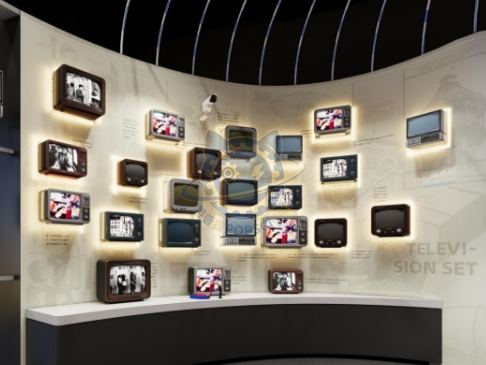
Radio and television are news dissemination tools that transmit sound, images, and videos through radio waves or wires. Based on wireless telegraphy, they have achieved large-scale real-time one-way communication, greatly enriching the cultural life of the public and promoting the rapid circulation and sharing of social information.
The unit is designed for unsupervised public use: controls are recessed or shielded, moving parts are enclosed, and the interface is operable by a child of about six with no instruction. Where a screen is used, the language can be switched without changing the hardware, and the content can be replaced on site.
Radio and television are news dissemination tools that transmit sound, images, and videos through radio waves or wires. Only broadcasting sound is called sound broadcasting; Broadcasting images and sounds is called television broadcasting. The popularity of Marconi's wireless telegraph also stimulated the birth of wireless broadcasting. On December 24, 1906, Professor Fessenden of the University of Pittsburgh in the United States successfully conducted humanity's first wireless broadcast to the public through a radio tower in Blunt Rock, Massachusetts. The Marconi Research Centre, located in Chelmsford, England, launched the world's first regularly broadcasted radio entertainment program in 1922.
Every unit leaves the factory after a running test: mechanisms cycled, electronics burned in, edges dressed, fixings torqued and marked. Wear parts — bearings, sliders, lamps, belts, touch panels — are modular and listed on the spare-part sheet, so a venue technician can replace them without returning the exhibit. Crating is plywood with foam blocking; the loading plan and packing list travel with the shipment.
Other models from the Frontier Technology line, all held to the same specification and the same control package.

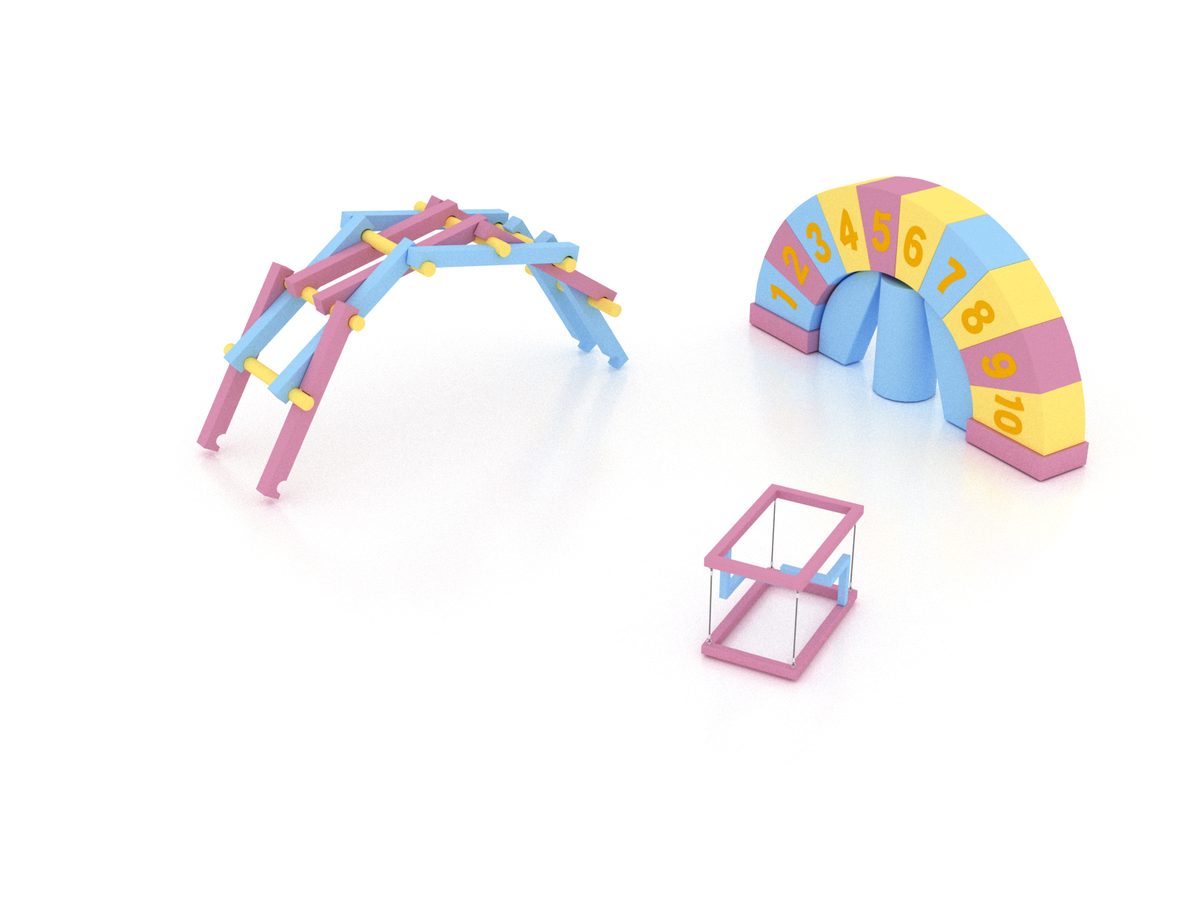
Build a span from interchangeable parts and load it until it fails.

Shape-memory alloy, aerogel and carbon fibre under the visitor's hand.

Build a lattice from magnetic balls and see why a crystal cleaves.

Four arms perform a synchronised routine behind a glass wall.
Attach a theme outline, a floor plan, or nothing at all — a photo of the space is enough to start. Quotations are issued against a real exhibit list, not per-square-metre guesses.
Scan to add us