Visual communication simulates the sending and receiving of communication signals through media, achieving…
| Category | Frontier Technology |
|---|---|
| Standard size | Custom size |
| Supply | Single unit or batch · OEM to your drawing |
| Lead time | Standard 4–8 weeks after deposit (confirmed per contract) |
| Warranty | 1 year, structure and control |
| Documents | Specification sheet · control diagram · spare-part list |
A standard catalogue model: the dimensions, control package and finish are fixed, which is what keeps the price and the lead time predictable. Size, colour and interface language can be adapted without a new design cycle.
Standard models from this range are also listed in our online store, priced in USD — see the price yourself ↗
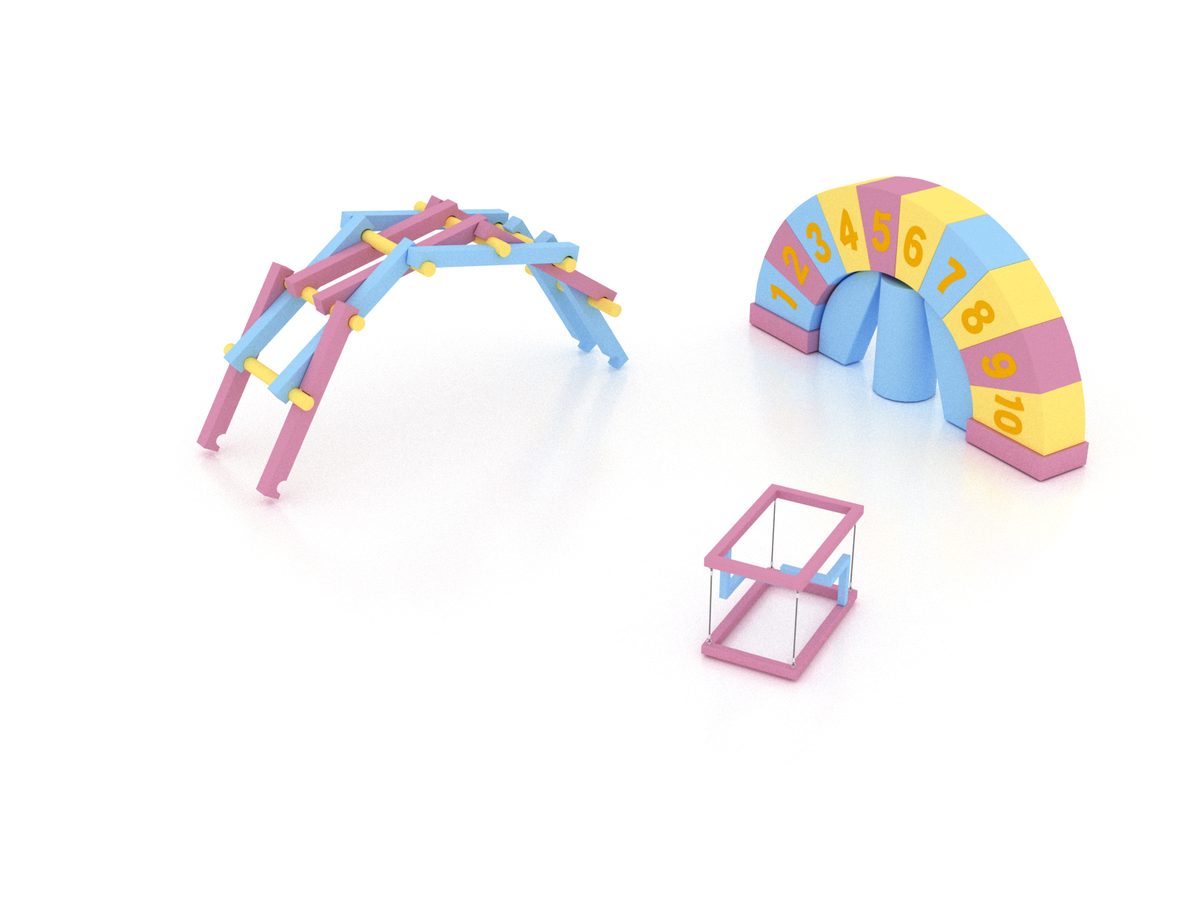
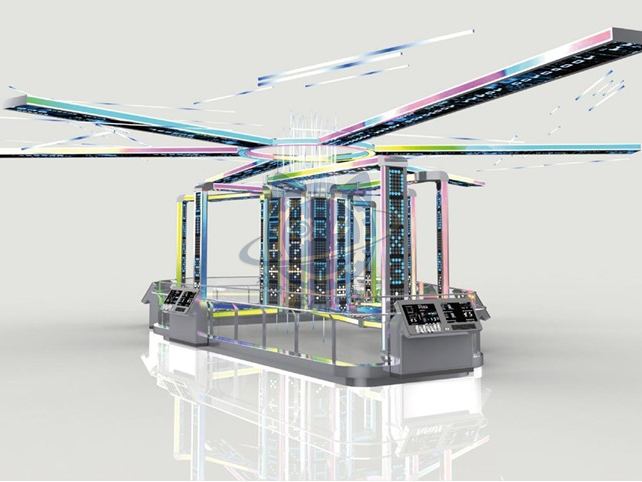
Visual communication simulates the sending and receiving of communication signals through media, achieving visualization of information transmission. ASCII code is the most commonly used standard code for information exchange and data transmission in modern communication. Originally designed as 7 bits, it can represent 128 characters, including English letters, numbers, and some control characters.
The unit is designed for unsupervised public use: controls are recessed or shielded, moving parts are enclosed, and the interface is operable by a child of about six with no instruction. Where a screen is used, the language can be switched without changing the hardware, and the content can be replaced on site.
ASCII code is the most widely used character set and its encoding in computers. Binary numbers can represent two states: 0, 1; And a 2-digit binary number can represent (2=) 4 states: 00, 01 10. 11; By analogy, a 7-bit binary number can represent (2=) 128 states, each uniquely encoded as a 7-bit binary code corresponding to a character (or control code), which can be arranged in a decimal sequence from 0 to 127. So, 7-bit ASCII code is encoded using seven bit binary numbers and can represent 128 characters.
Every unit leaves the factory after a running test: mechanisms cycled, electronics burned in, edges dressed, fixings torqued and marked. Wear parts — bearings, sliders, lamps, belts, touch panels — are modular and listed on the spare-part sheet, so a venue technician can replace them without returning the exhibit. Crating is plywood with foam blocking; the loading plan and packing list travel with the shipment.
Other models from the Frontier Technology line, all held to the same specification and the same control package.

Build a span from interchangeable parts and load it until it fails.

Shape-memory alloy, aerogel and carbon fibre under the visitor's hand.

Build a lattice from magnetic balls and see why a crystal cleaves.

Four arms perform a synchronised routine behind a glass wall.
Attach a theme outline, a floor plan, or nothing at all — a photo of the space is enough to start. Quotations are issued against a real exhibit list, not per-square-metre guesses.
Scan to add us