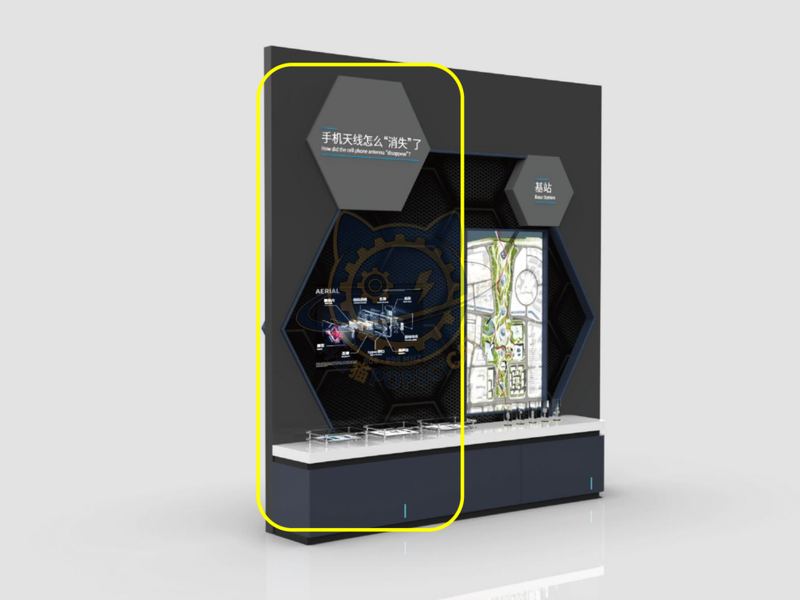
In general, the length of mobile phone antennas is 1/4~1/2 of the wavelength.
| Category | Frontier Technology |
|---|---|
| Standard size | Custom size |
| Supply | Single unit or batch · OEM to your drawing |
| Lead time | Standard 4–8 weeks after deposit (confirmed per contract) |
| Warranty | 1 year, structure and control |
| Documents | Specification sheet · control diagram · spare-part list |
A standard catalogue model: the dimensions, control package and finish are fixed, which is what keeps the price and the lead time predictable. Size, colour and interface language can be adapted without a new design cycle.
Standard models from this range are also listed in our online store, priced in USD — see the price yourself ↗
In general, the length of mobile phone antennas is 1/4~1/2 of the wavelength. With the development of modulation technology, the frequency band continues to increase and the wavelength becomes shorter. Mobile phones no longer need bulky external antennas, and antennas are becoming smaller and implanted inside the phone. Moreover, as mobile phones support more and more wireless communication frequency bands and functions, the required antennas are becoming increasingly complex.
The unit is designed for unsupervised public use: controls are recessed or shielded, moving parts are enclosed, and the interface is operable by a child of about six with no instruction. Where a screen is used, the language can be switched without changing the hardware, and the content can be replaced on site.
Have you noticed that in the past, mobile phones had very long antennas, and early phones also had protruding small antennas? Why don't our phones have antennas now? With the evolution of 1G, 2G, 3G, and 4G, the communication frequency of our mobile phones is gradually moving towards the high frequency range. The higher the frequency band of mobile communication, the shorter the wavelength and the shorter the antenna. After the antenna became shorter, it gradually shifted from the previously popular external antenna to the now common internal antenna. The antennas are all hidden inside the phone, and there are more than one. In addition to the main communication chip used to access the operator's network, mobile phones also have Wi Fi function, Bluetooth function, GPS function, and NFC function, all of which require different antennas. Even the increasingly popular wireless charging now uses a charging coil that is also a type of antenna.
Every unit leaves the factory after a running test: mechanisms cycled, electronics burned in, edges dressed, fixings torqued and marked. Wear parts — bearings, sliders, lamps, belts, touch panels — are modular and listed on the spare-part sheet, so a venue technician can replace them without returning the exhibit. Crating is plywood with foam blocking; the loading plan and packing list travel with the shipment.
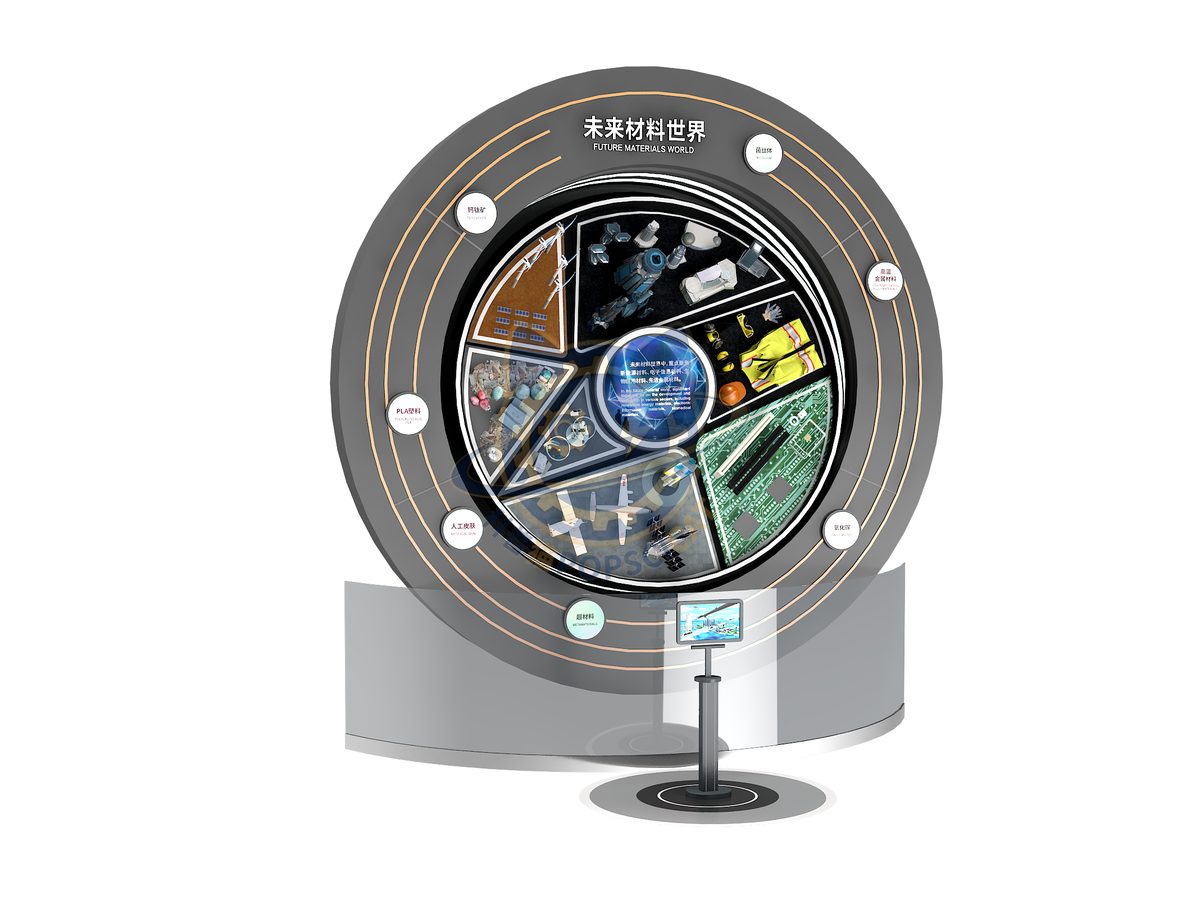
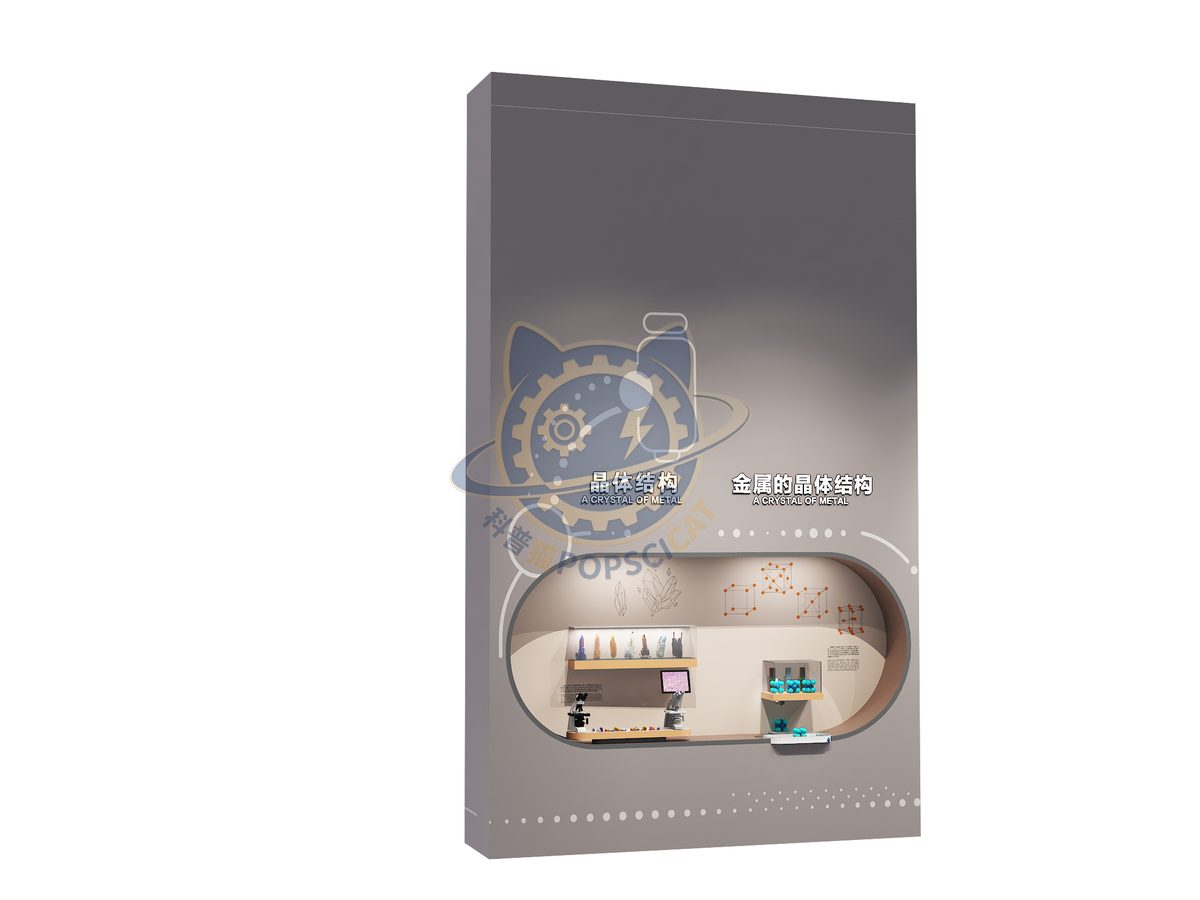
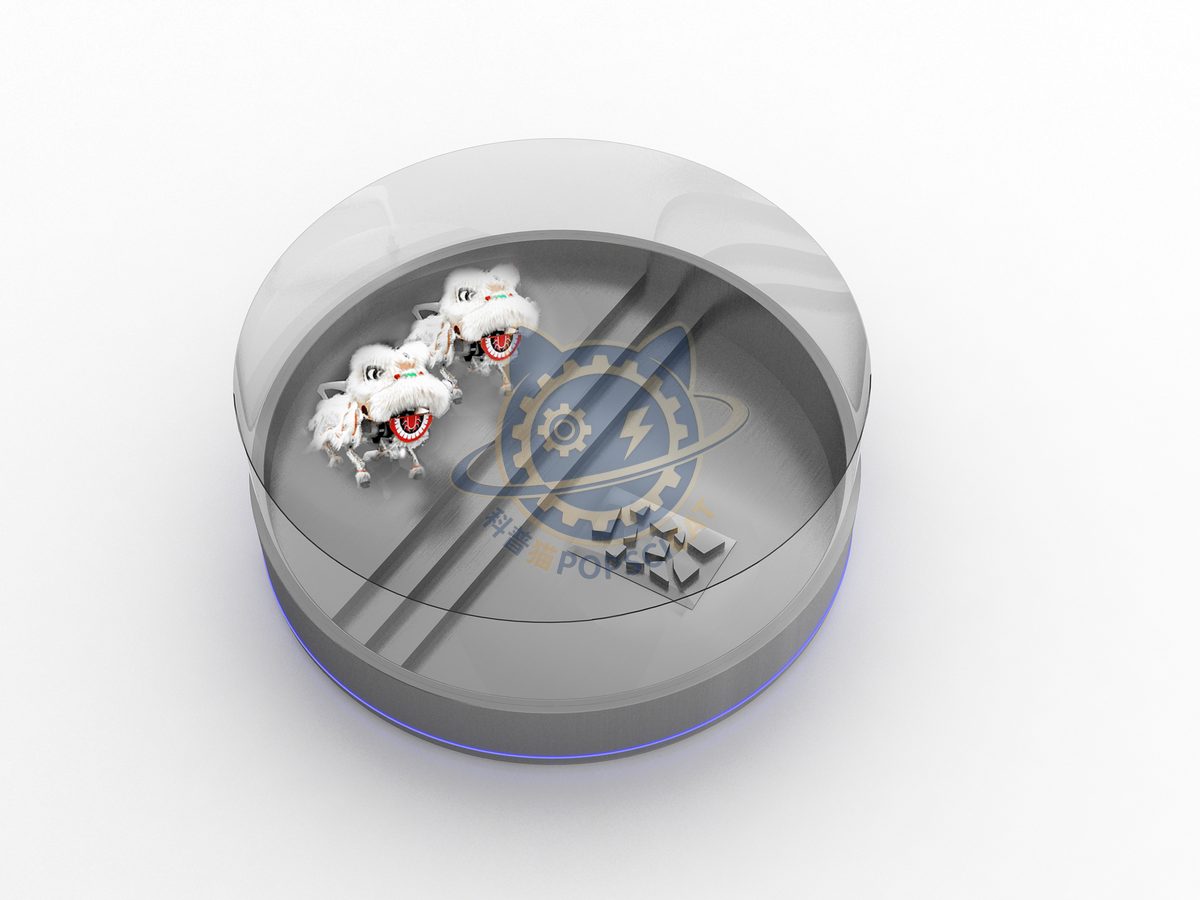
Other models from the Frontier Technology line, all held to the same specification and the same control package.

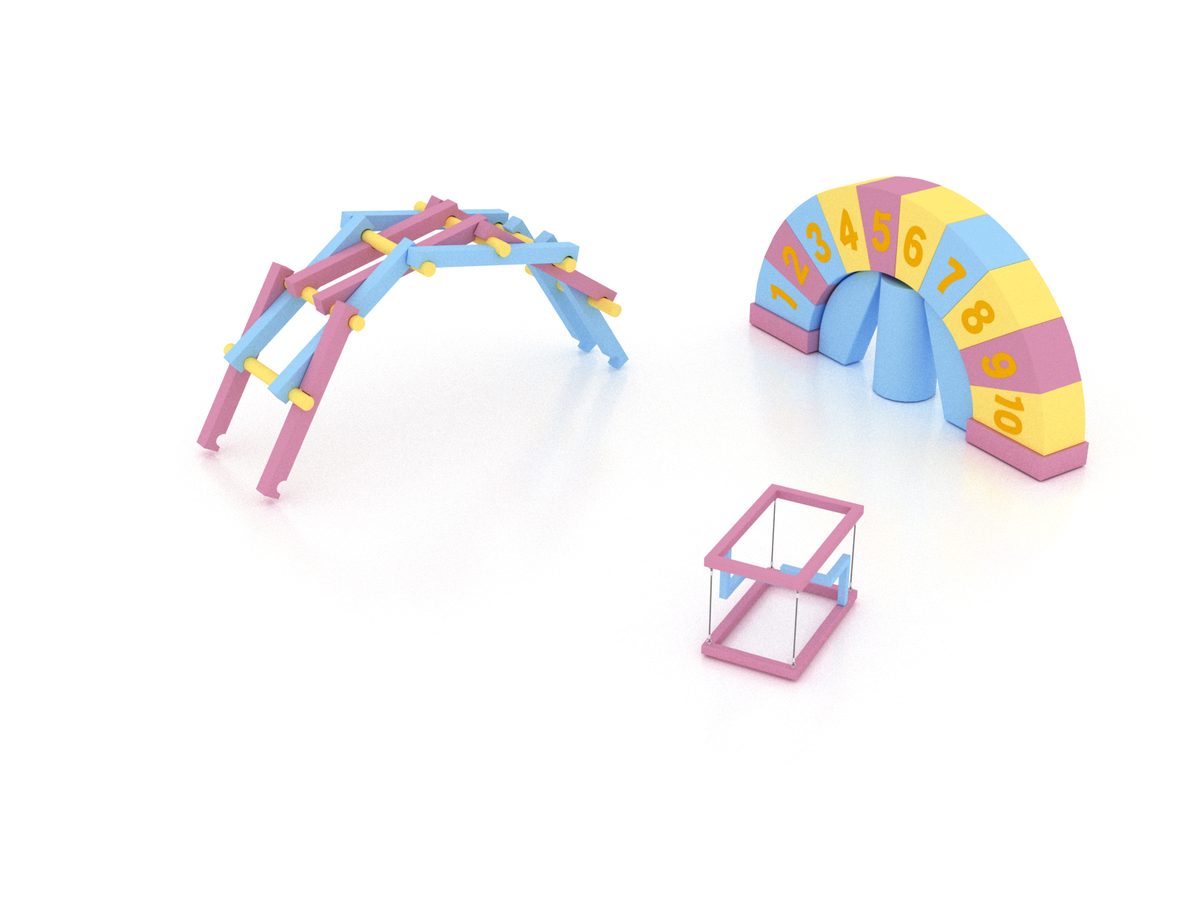
Build a span from interchangeable parts and load it until it fails.

Shape-memory alloy, aerogel and carbon fibre under the visitor's hand.

Build a lattice from magnetic balls and see why a crystal cleaves.

Four arms perform a synchronised routine behind a glass wall.
Attach a theme outline, a floor plan, or nothing at all — a photo of the space is enough to start. Quotations are issued against a real exhibit list, not per-square-metre guesses.
Scan to add us