By isolating radio waves, understand the different shielding effects of different materials on radio waves.
| Category | Basic Science |
|---|---|
| Interaction | Interactive installation |
| Standard size | Custom size |
| Supply | Single unit or batch · OEM to your drawing |
| Lead time | Standard 4–8 weeks after deposit (confirmed per contract) |
| Warranty | 1 year, structure and control |
| Documents | Specification sheet · control diagram · spare-part list |
A standard catalogue model: the dimensions, control package and finish are fixed, which is what keeps the price and the lead time predictable. Size, colour and interface language can be adapted without a new design cycle.
Standard models from this range are also listed in our online store, priced in USD — see the price yourself ↗
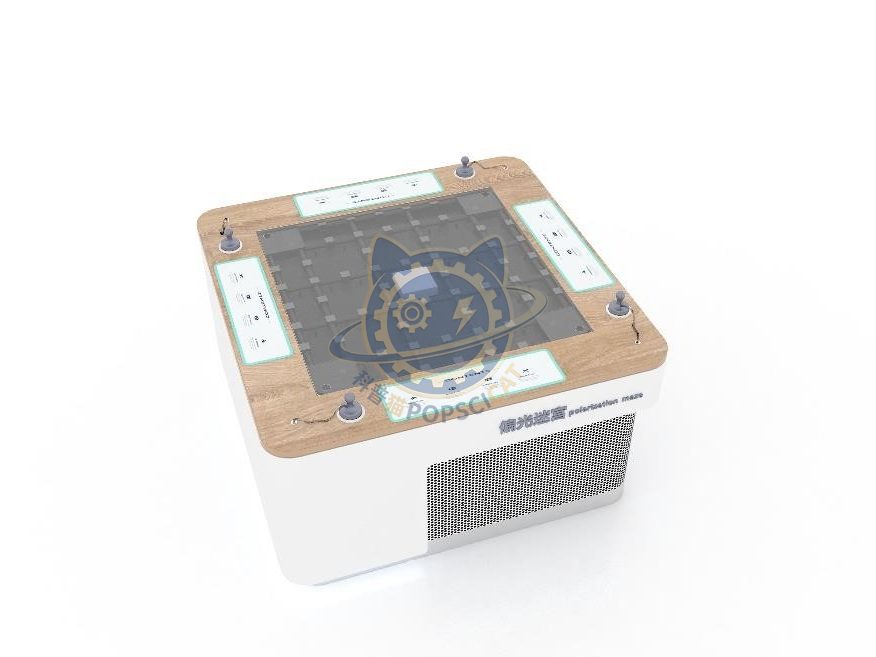
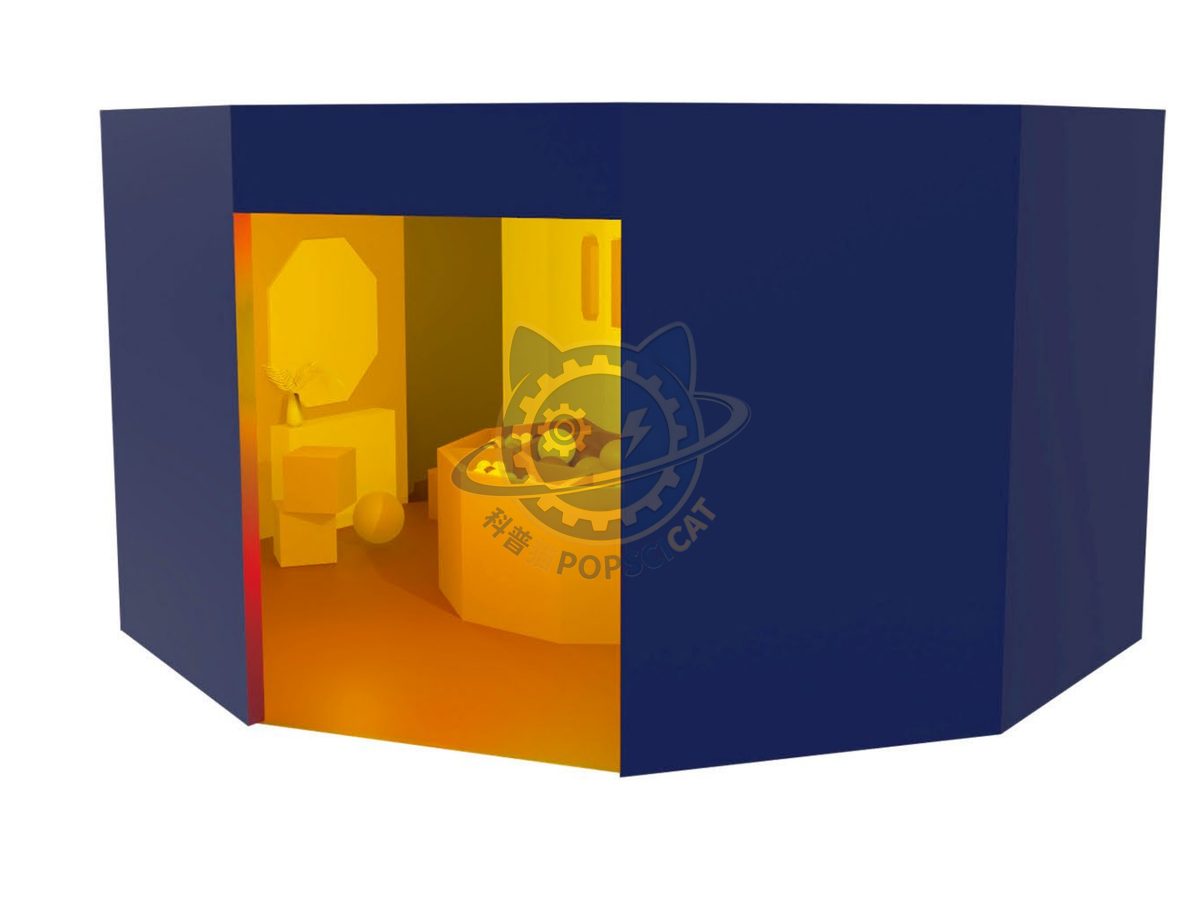
By isolating radio waves, understand the different shielding effects of different materials on radio waves. The exhibit features standing panels made of five different materials (plastic, wood, water, aluminum, and brick), with one side emitting radio waves and the other receiving them. visitors lifted a wooden board and observed the strength of the radio wave reception signal displayed on the side, to understand the different shielding effects of different materials on radio waves. Target audience: Adolescents aged 6-15. Display format: Electromechanical interactive device operation instructions (audience experience) 1 visitors press the button to emit radio waves; 2. Lift up a standing board and observe the strength of the radio wave reception signal on the side; 3. Put down and lift another upright board to compare the different shielding levels of radio waves for different materials. Describing the intrinsic connections between storylines and exhibits, wave theory, and the different shielding effects of different materials on radio waves.
Interaction type: Interactive installation. The unit is designed for unsupervised public use: controls are recessed or shielded, moving parts are enclosed, and the interface is operable by a child of about six with no instruction. Where a screen is used, the language can be switched without changing the hardware, and the content can be replaced on site.
1. Radio waves refer to electromagnetic waves in the radio frequency band that propagate in free space, including air and vacuum. The shorter the wavelength and higher the frequency of radio waves, the more information can be transmitted in the same amount of time. The propagation modes of radio waves in space include direct, reflection, refraction, penetration, diffraction (diffraction), and scattering. 2. Reference materials on the impact of common materials on wireless penetration.
Every unit leaves the factory after a running test: mechanisms cycled, electronics burned in, edges dressed, fixings torqued and marked. Wear parts — bearings, sliders, lamps, belts, touch panels — are modular and listed on the spare-part sheet, so a venue technician can replace them without returning the exhibit. Crating is plywood with foam blocking; the loading plan and packing list travel with the shipment.
Other models from the Basic Science line, all held to the same specification and the same control package.

Rotate two polarising filters and watch colours appear and vanish.

Sand on a driven plate jumps into nodal figures as the frequency changes.

Coloured discs drain to grey as the spin speed passes the eye's limit.

Gas discharge tubes and a slit spectroscope show emission lines directly.
Attach a theme outline, a floor plan, or nothing at all — a photo of the space is enough to start. Quotations are issued against a real exhibit list, not per-square-metre guesses.
Scan to add us