Home/Exhibits/Basic Science/Butterflies, starfish, and symmetry

Butterflies, starfish, and symmetry

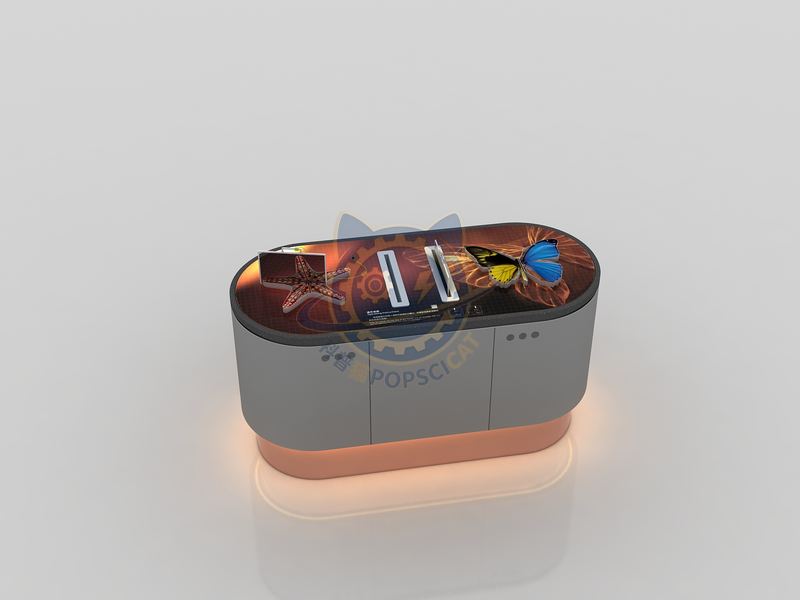
The exhibit introduces the differences between radiation symmetry and two-sided symmetry animals through model…

Butterflies, starfish, and symmetry — Basic Science exhibit for science museums
Reference image
CategoryBasic Science
Standard sizeCustom size
SupplySingle unit or batch · OEM to your drawing
Lead timeStandard 4–8 weeks after deposit (confirmed per contract)
Warranty1 year, structure and control
DocumentsSpecification sheet · control diagram · spare-part list

A standard catalogue model: the dimensions, control package and finish are fixed, which is what keeps the price and the lead time predictable. Size, colour and interface language can be adapted without a new design cycle.

Ask about this model → Email us

Standard models from this range are also listed in our online store, priced in USD — see the price yourself ↗
01 / Overview

The exhibit introduces the differences between radiation symmetry and two-sided symmetry animals through model display and physical interaction combined with graphic and textual content. With the help of mirrors, visitors can compare the symmetrical structures of the two animal systems and understand the significance of the two symmetrical structures in the history of life evolution. The exhibit consists of a booth, butterfly models (half blue flashing butterflies and half golden crowned butterflies), starfish models, mirror panels, and fixed frames. There are two animal models fixed on the styling booth, and grooves are carved at their respective symmetry axes. Visitors can insert the mirror acrylic board into the grooves to complete interactive observation. Operating Instructions 1 Observe the starfish and butterfly models on the booth, pay attention to the detailed features and symmetrical axis groove positions of the two models Pick up the acrylic mirror panel, insert it into the groove between the two animal models, and observe the complete image reflected by the mirror. three Combining the exhibit's graphic and textual introductions, compare the observed images, and clarify the differences between radiation symmetry and two-sided symmetry.

02 / How visitors use it

The unit is designed for unsupervised public use: controls are recessed or shielded, moving parts are enclosed, and the interface is operable by a child of about six with no instruction. Where a screen is used, the language can be switched without changing the hardware, and the content can be replaced on site.

03 / Built for a public floor

Every unit leaves the factory after a running test: mechanisms cycled, electronics burned in, edges dressed, fixings torqued and marked. Wear parts — bearings, sliders, lamps, belts, touch panels — are modular and listed on the spare-part sheet, so a venue technician can replace them without returning the exhibit. Crating is plywood with foam blocking; the loading plan and packing list travel with the shipment.

Same category

More in Basic Science

Other models from the Basic Science line, all held to the same specification and the same control package.

Start a project

Send us your exhibit list.
We will come back with a price.

Attach a theme outline, a floor plan, or nothing at all — a photo of the space is enough to start. Quotations are issued against a real exhibit list, not per-square-metre guesses.

WeChat QR code — scan to message us Scan to add us
on WeChat