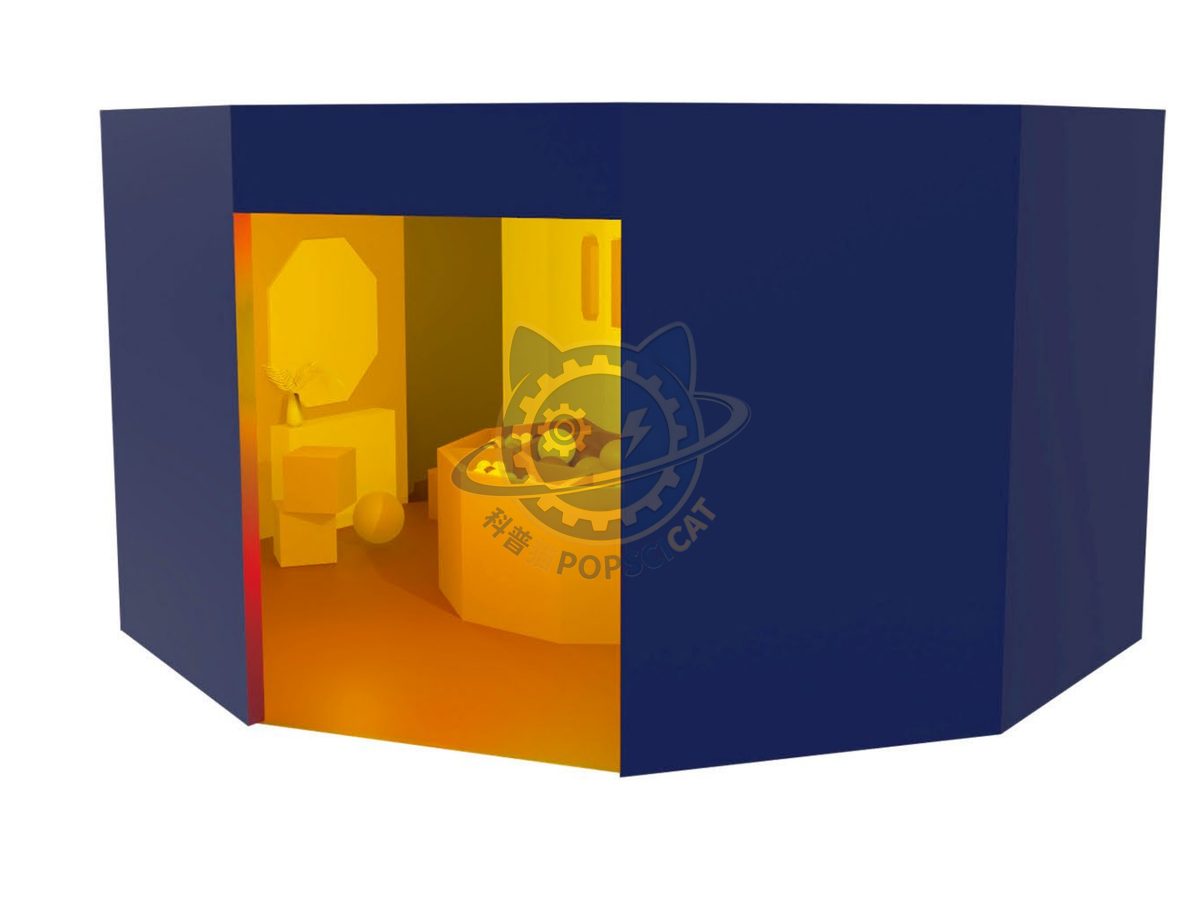
Aggregation thinking refers to a directional and organized way of thinking that generates logical conclusions from…
| Category | Basic Science |
|---|---|
| Standard size | Custom size |
| Supply | Single unit or batch · OEM to your drawing |
| Lead time | Standard 4–8 weeks after deposit (confirmed per contract) |
| Warranty | 1 year, structure and control |
| Documents | Specification sheet · control diagram · spare-part list |
A standard catalogue model: the dimensions, control package and finish are fixed, which is what keeps the price and the lead time predictable. Size, colour and interface language can be adapted without a new design cycle.
Standard models from this range are also listed in our online store, priced in USD — see the price yourself ↗
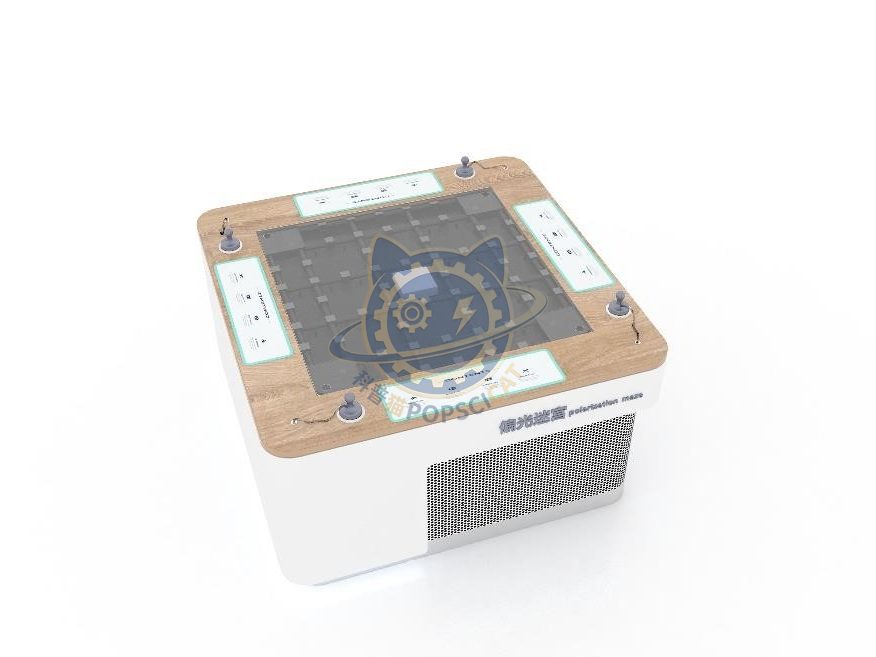
Aggregation thinking refers to a directional and organized way of thinking that generates logical conclusions from known information and seeks the correct answers from existing data. Divergent thinking refers to the process of generating different ideas and concepts through creativity, imagination, free association, and other means, which is an expansion process that "splits" from a single concept. Here, through interaction and Q&A, let's learn how these two ways of thinking work in problem-solving!
The unit is designed for unsupervised public use: controls are recessed or shielded, moving parts are enclosed, and the interface is operable by a child of about six with no instruction. Where a screen is used, the language can be switched without changing the hardware, and the content can be replaced on site.
Aggregation thinking refers to a directional and organized way of thinking that generates logical conclusions from known information and seeks the correct answers from existing data. Also known as the method of seeking common ground, the method of concentrated thinking, the method of convergent thinking, and the method of identical thinking. It emphasizes the aggregation of various information, concepts, and ideas together, forming a new complete system or arriving at a correct answer through classification, integration, induction, and other methods. Aggregation thinking is highly effective in handling specific information and facts, and is also suitable for discovering connections between different types of thinking. It requires thinkers to have a solid knowledge foundation and logical reasoning ability, in order to quickly make judgments and draw conclusions from numerous possibilities. In practical applications, convergent thinking is commonly used in scientific experiments, data analysis, decision-making, and other scenarios. Divergent thinking refers to the process of generating different ideas and concepts through creativity, imagination, free association, and other means, which is an expansion process that "splits" from a single concept. also known as.
Every unit leaves the factory after a running test: mechanisms cycled, electronics burned in, edges dressed, fixings torqued and marked. Wear parts — bearings, sliders, lamps, belts, touch panels — are modular and listed on the spare-part sheet, so a venue technician can replace them without returning the exhibit. Crating is plywood with foam blocking; the loading plan and packing list travel with the shipment.
Other models from the Basic Science line, all held to the same specification and the same control package.

Rotate two polarising filters and watch colours appear and vanish.

Sand on a driven plate jumps into nodal figures as the frequency changes.

Coloured discs drain to grey as the spin speed passes the eye's limit.

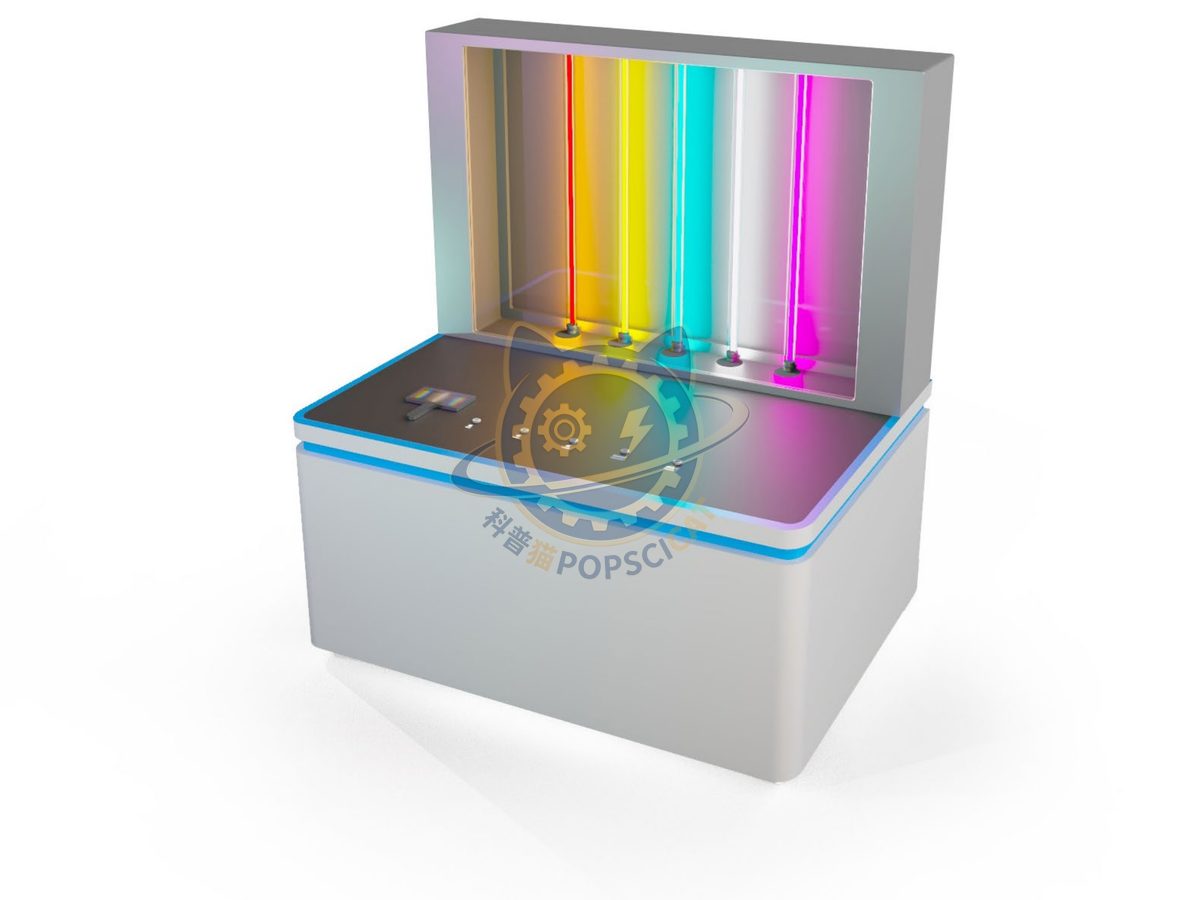
Gas discharge tubes and a slit spectroscope show emission lines directly.
Attach a theme outline, a floor plan, or nothing at all — a photo of the space is enough to start. Quotations are issued against a real exhibit list, not per-square-metre guesses.
Scan to add us