Through three hands-on experiments, understand the principles of color change for different types of color changing…
| Category | Basic Science |
|---|---|
| Interaction | Interactive installation |
| Standard size | Custom size |
| Supply | Single unit or batch · OEM to your drawing |
| Lead time | Standard 4–8 weeks after deposit (confirmed per contract) |
| Warranty | 1 year, structure and control |
| Documents | Specification sheet · control diagram · spare-part list |
A standard catalogue model: the dimensions, control package and finish are fixed, which is what keeps the price and the lead time predictable. Size, colour and interface language can be adapted without a new design cycle.
Standard models from this range are also listed in our online store, priced in USD — see the price yourself ↗
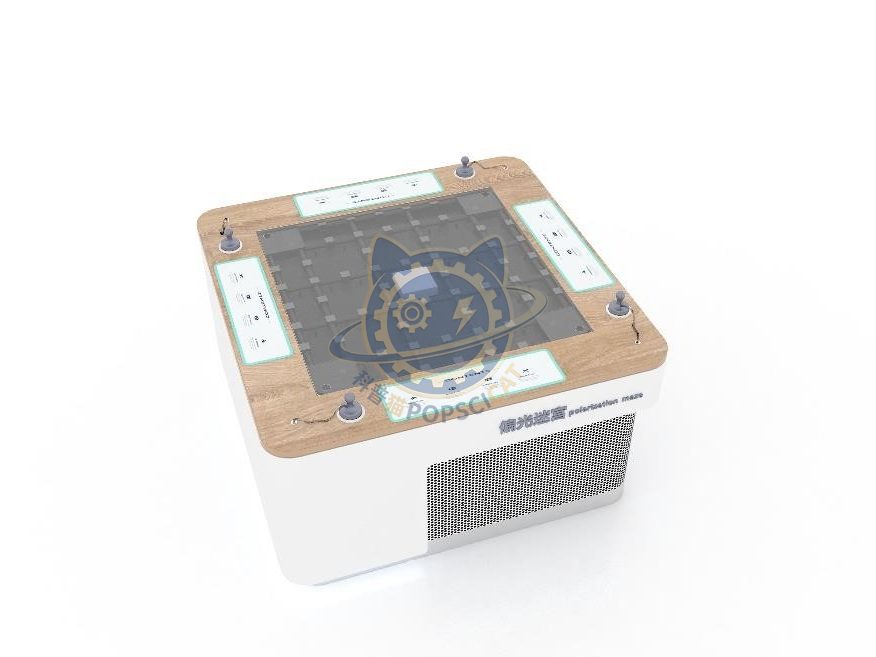
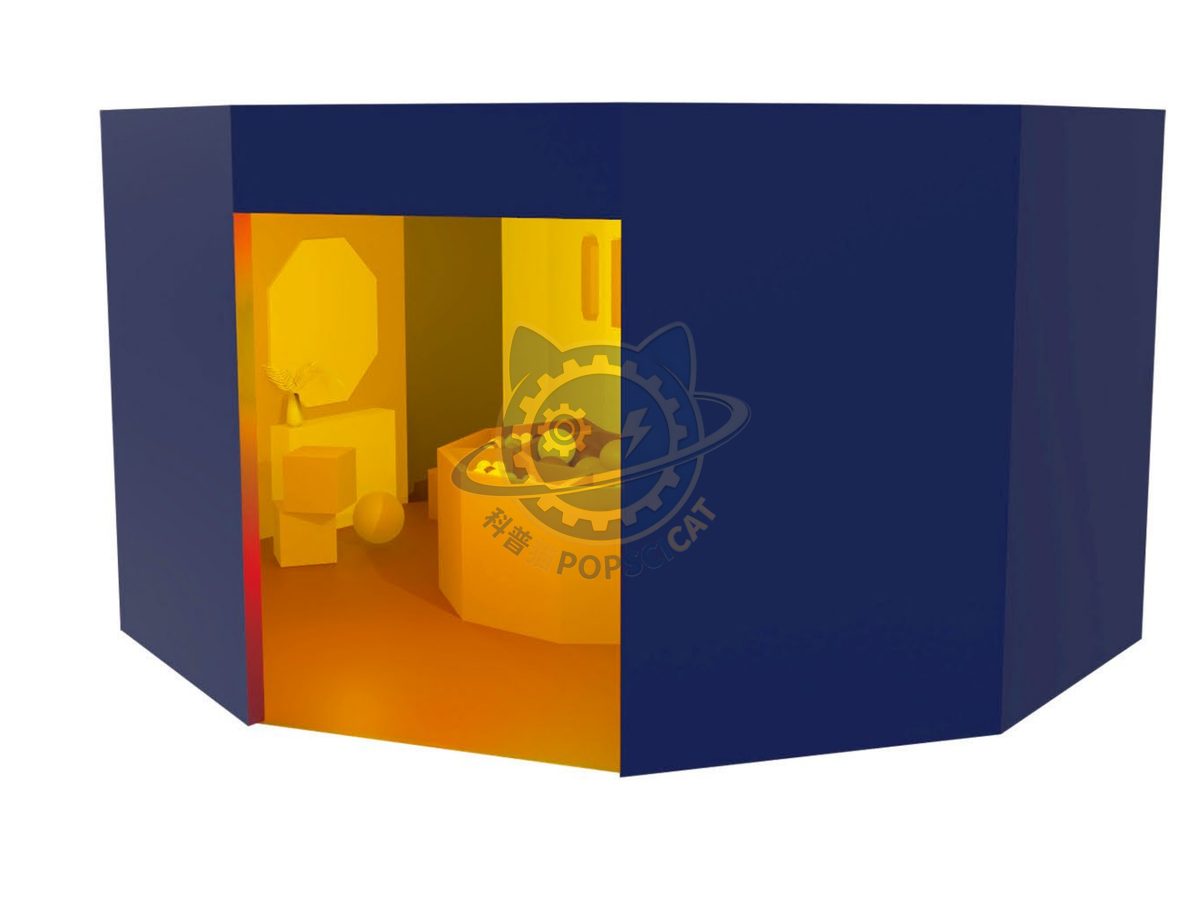
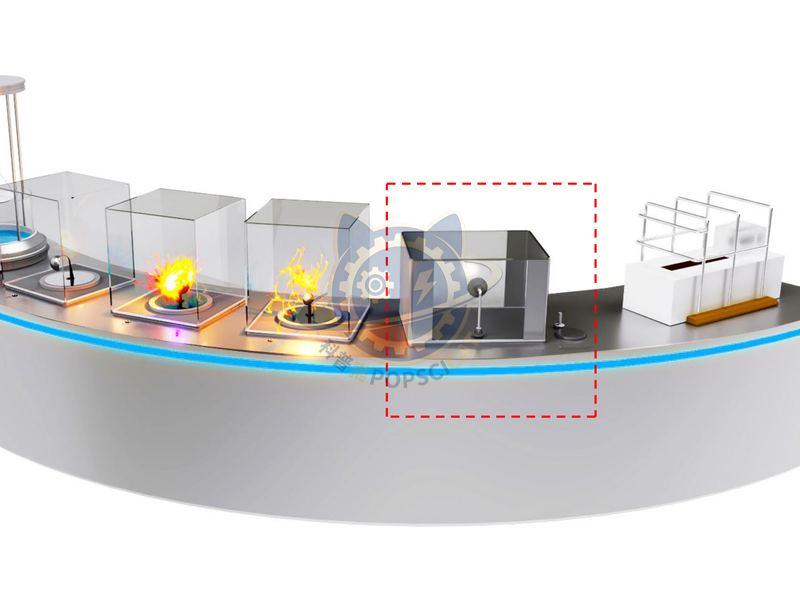
Through three hands-on experiments, understand the principles of color change for different types of color changing glass. Composed of exhibit housing, light control device, and color changing glass shaping device. This exhibit the photochromic mechanism of silver halide photochromic glass, liquid crystal electrochromic glass, and thermochromic liquid crystal through hands-on experiments. The exhibit includes three interactive groups: 1. Visitors activate the lighting device to simulate sunlight shining on transparent glass. Observing the glass, they will find that it begins to darken and change color. After turning off the light, the glass returns to transparency, demonstrating the principle of photochromic glass; 2. Visitors click the start button to power on the glass, which displays a specific color. After the power is turned off, the glass returns to its transparent color, demonstrating the principle of LCD electrochromic glass; 3. Visitors place the seal on the heating table to heat it up, then place the seal on the operating LCD table. After waiting for a few seconds, they can see the corresponding pattern on the seal and display it.
Interaction type: Interactive installation. The unit is designed for unsupervised public use: controls are recessed or shielded, moving parts are enclosed, and the interface is operable by a child of about six with no instruction. Where a screen is used, the language can be switched without changing the hardware, and the content can be replaced on site.
1. The photochromic mechanism of silver halide photochromic glass is to use the photochemical reaction of silver halide in glass with special chemical composition under light radiation conditions, which decomposes into metallic silver and absorbs light, coloring the glass. After removing the light, halogen atoms combine with metallic silver to form transparent silver halide crystals, causing the glass to fade. 2. Electrochromic glass is made by adding a conductive medium between two glass substrates, and changing the color and transparency of the intermediate medium by applying an electric field or current, thereby altering the color state of the glass. After applying voltage to the conductive layer of glass, ions in the ion storage layer pass through the electrolyte layer and enter the electrochromic layer, where they react chemically with the material in the electrochromic layer, resulting in the glass exhibiting a specific color. The magnitude of the voltage will affect the amount of ions entering the electrochromic layer, and adjusting the color depth can be achieved by controlling the magnitude of the voltage.
Every unit leaves the factory after a running test: mechanisms cycled, electronics burned in, edges dressed, fixings torqued and marked. Wear parts — bearings, sliders, lamps, belts, touch panels — are modular and listed on the spare-part sheet, so a venue technician can replace them without returning the exhibit. Crating is plywood with foam blocking; the loading plan and packing list travel with the shipment.
Other models from the Basic Science line, all held to the same specification and the same control package.

Rotate two polarising filters and watch colours appear and vanish.

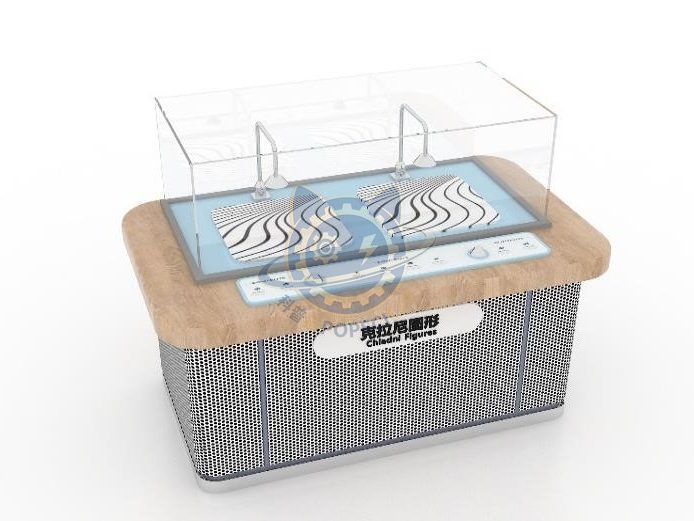
Sand on a driven plate jumps into nodal figures as the frequency changes.

Coloured discs drain to grey as the spin speed passes the eye's limit.

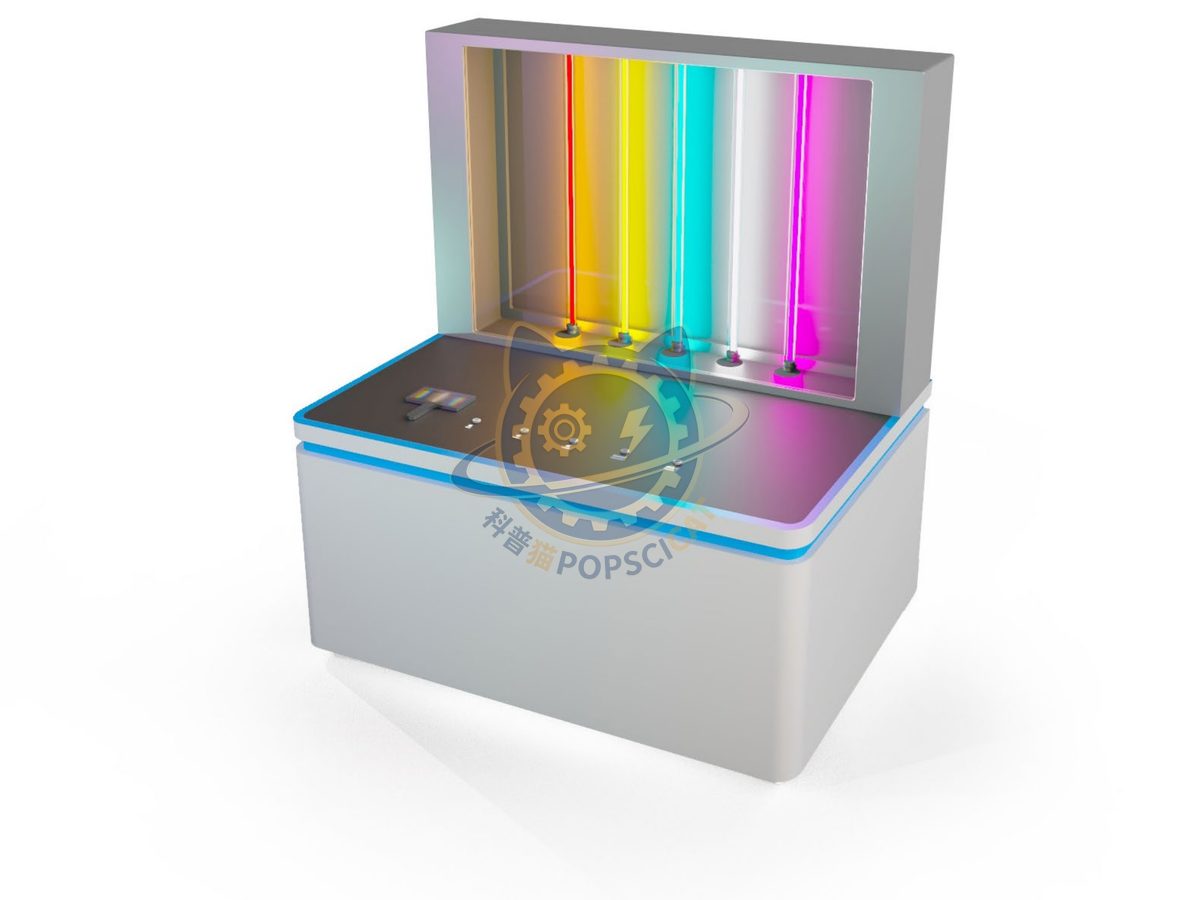
Gas discharge tubes and a slit spectroscope show emission lines directly.
Attach a theme outline, a floor plan, or nothing at all — a photo of the space is enough to start. Quotations are issued against a real exhibit list, not per-square-metre guesses.
Scan to add us