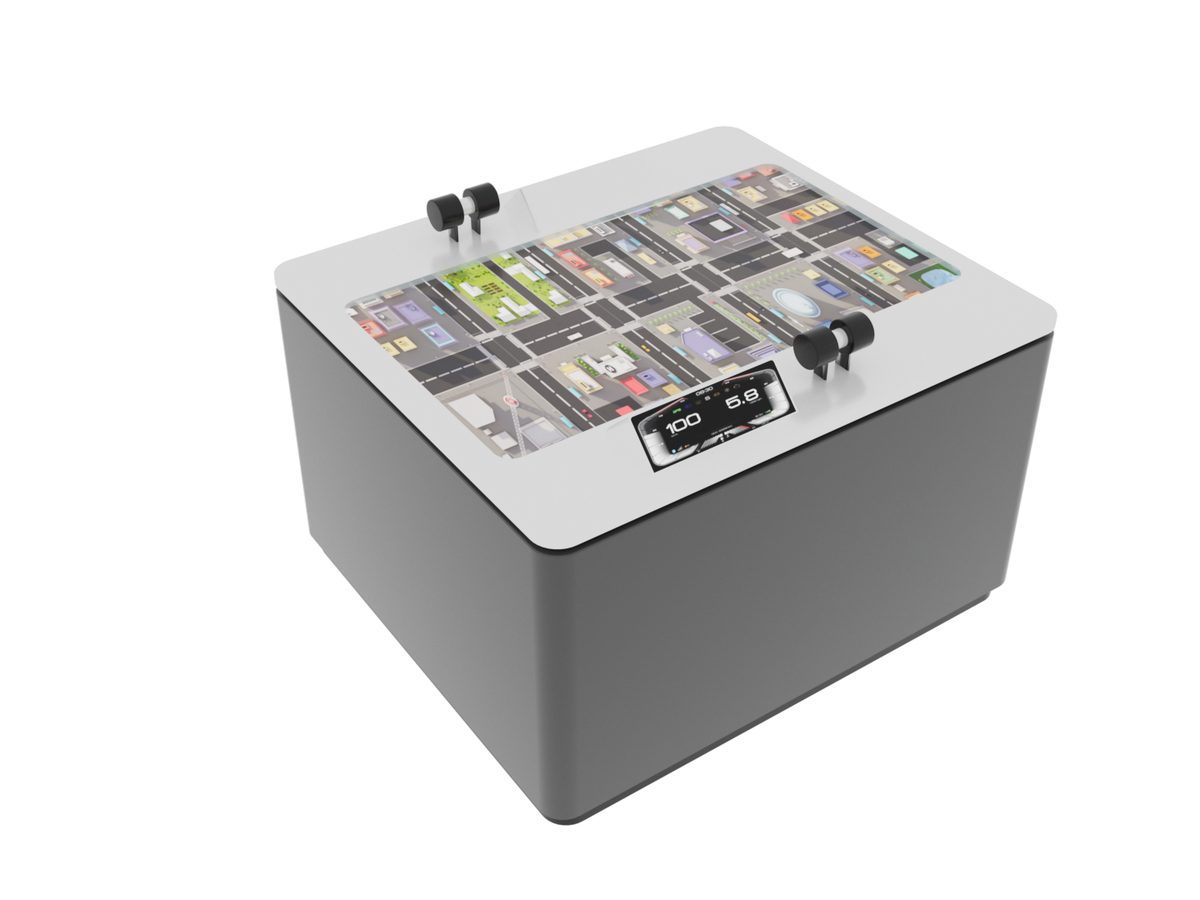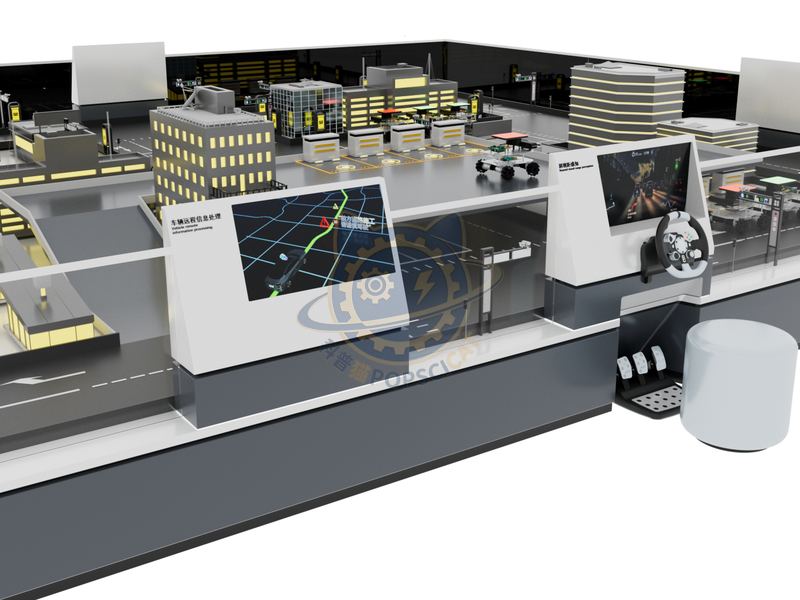
The exhibit is based on a large-scale interactive scenario of vehicle road collaboration, consisting of a display…
| Category | City & Society |
|---|---|
| Standard size | Custom size |
| Supply | Single unit or batch · OEM to your drawing |
| Lead time | Standard 4–8 weeks after deposit (confirmed per contract) |
| Warranty | 1 year, structure and control |
| Documents | Specification sheet · control diagram · spare-part list |
A standard catalogue model: the dimensions, control package and finish are fixed, which is what keeps the price and the lead time predictable. Size, colour and interface language can be adapted without a new design cycle.
Standard models from this range are also listed in our online store, priced in USD — see the price yourself ↗
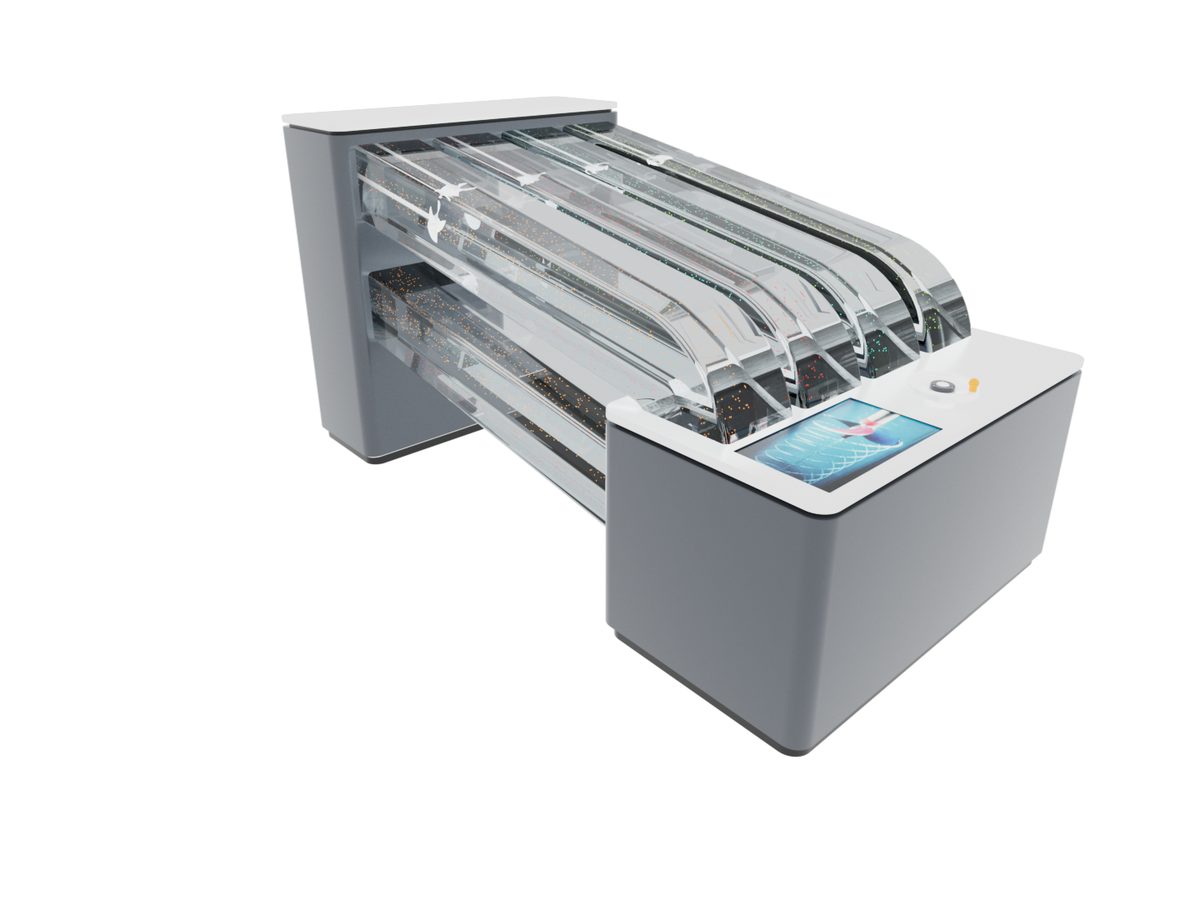
The exhibit is based on a large-scale interactive scenario of vehicle road collaboration, consisting of a display screen and a simulated driving steering wheel. The exhibit will design a simulation driving experience game, which will compare the driving images seen by traditional drivers with those seen by sensors under beyond line of sight sensing technology. Visitors can also personally turn the simulated steering wheel to handle various driving emergencies. By comparing the driving experience of games, experience the innovation and convenience brought by beyond visual range perception technology, and the intelligent driving under the support of beyond visual range perception.
The unit is designed for unsupervised public use: controls are recessed or shielded, moving parts are enclosed, and the interface is operable by a child of about six with no instruction. Where a screen is used, the language can be switched without changing the hardware, and the content can be replaced on site.
Beyond visual range perception technology utilizes advanced sensors (such as radar, LiDAR, cameras) and communication systems to enable vehicles to perceive environmental information beyond their line of sight. By collecting real-time traffic data and combining it with cloud computing and data analysis, it predicts road conditions or emergencies ahead and promptly transmits it to the vehicle for adjustment. Beyond visual range perception technology can significantly improve traffic safety, help vehicles avoid danger in complex road conditions in advance, optimize driving decisions, and provide a more intelligent and safe travel experience.
Every unit leaves the factory after a running test: mechanisms cycled, electronics burned in, edges dressed, fixings torqued and marked. Wear parts — bearings, sliders, lamps, belts, touch panels — are modular and listed on the spare-part sheet, so a venue technician can replace them without returning the exhibit. Crating is plywood with foam blocking; the loading plan and packing list travel with the shipment.
Other models from the City & Society line, all held to the same specification and the same control package.

Blade pitch adjusted by hand with thrust read on a live gauge.

Time four signals so a bus crosses the city without stopping.

Load a hull until it floats and then until it does not.

Road-side sensing, lane markings and vehicle communication in one model.
Attach a theme outline, a floor plan, or nothing at all — a photo of the space is enough to start. Quotations are issued against a real exhibit list, not per-square-metre guesses.
Scan to add us