A bipedal robot is a type of robot that can simulate human gait, and its design involves elements such as leg…
| Category | City & Society |
|---|---|
| Standard size | Custom size |
| Supply | Single unit or batch · OEM to your drawing |
| Lead time | Standard 4–8 weeks after deposit (confirmed per contract) |
| Warranty | 1 year, structure and control |
| Documents | Specification sheet · control diagram · spare-part list |
A standard catalogue model: the dimensions, control package and finish are fixed, which is what keeps the price and the lead time predictable. Size, colour and interface language can be adapted without a new design cycle.
Standard models from this range are also listed in our online store, priced in USD — see the price yourself ↗
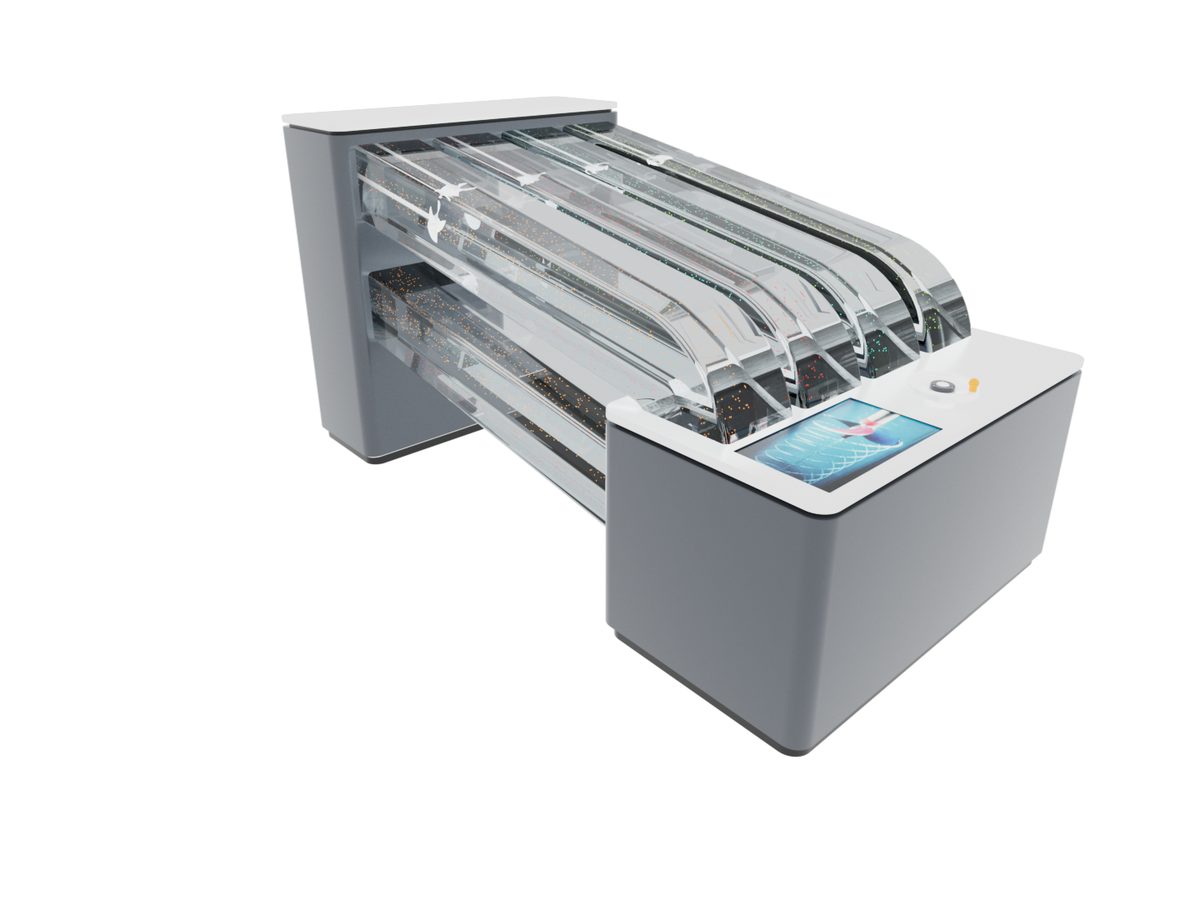
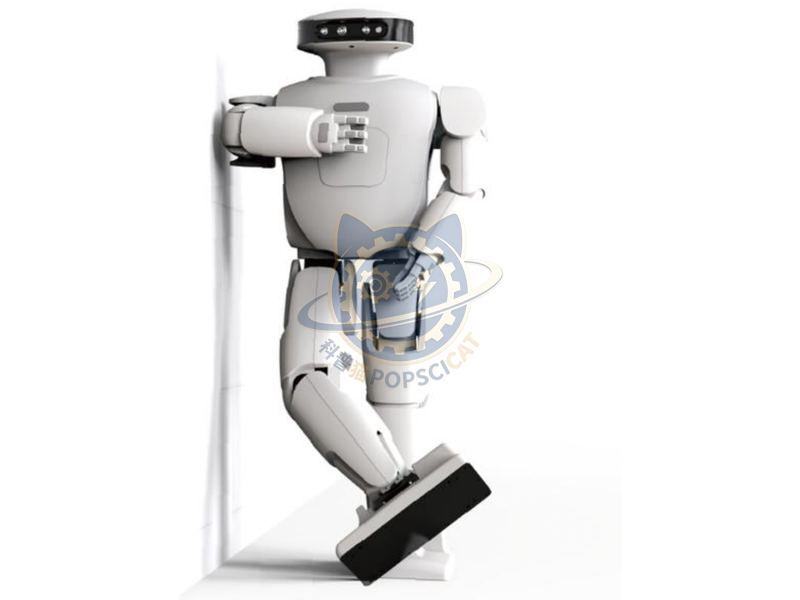
A bipedal robot is a type of robot that can simulate human gait, and its design involves elements such as leg structure, joint actuator hardware, and motion control software. These design elements directly affect the adaptability, energy efficiency, and stability of robots.
The unit is designed for unsupervised public use: controls are recessed or shielded, moving parts are enclosed, and the interface is operable by a child of about six with no instruction. Where a screen is used, the language can be switched without changing the hardware, and the content can be replaced on site.
Ultra high degree of freedom combined with self stabilizing gait algorithm: The whole machine has 22 joints and adopts a semi closed loop bipedal gait algorithm improved based on the LIPM (linear inverted pendulum) model. The walking parameters can be dynamically adjusted through ROS. Provide a complete set of open-source forward and inverse kinematics algorithms based on ROS, facilitating the development of robot motion control applications and robotics teaching practices. V-SLAM visual algorithm: scene recognition, map construction, path planning, cruise obstacle avoidance, pose recognition, cognitive functions. Multi sensory vertical and horizontal expansion: The head adopts a 6-way mic array, utilizing the spatial filtering characteristics of the microphone array to effectively suppress spatial noise. Accurate sound collection within the far-field range, 360 degree precise positioning of the sound source angle, achieving seamless sound pickup. External sensors: Provide magnetic connection ports that can connect multiple sensors (temperature, touch, light sensitivity, human infrared lights) to assist in achieving multi scene applications.
Every unit leaves the factory after a running test: mechanisms cycled, electronics burned in, edges dressed, fixings torqued and marked. Wear parts — bearings, sliders, lamps, belts, touch panels — are modular and listed on the spare-part sheet, so a venue technician can replace them without returning the exhibit. Crating is plywood with foam blocking; the loading plan and packing list travel with the shipment.
Other models from the City & Society line, all held to the same specification and the same control package.

Blade pitch adjusted by hand with thrust read on a live gauge.

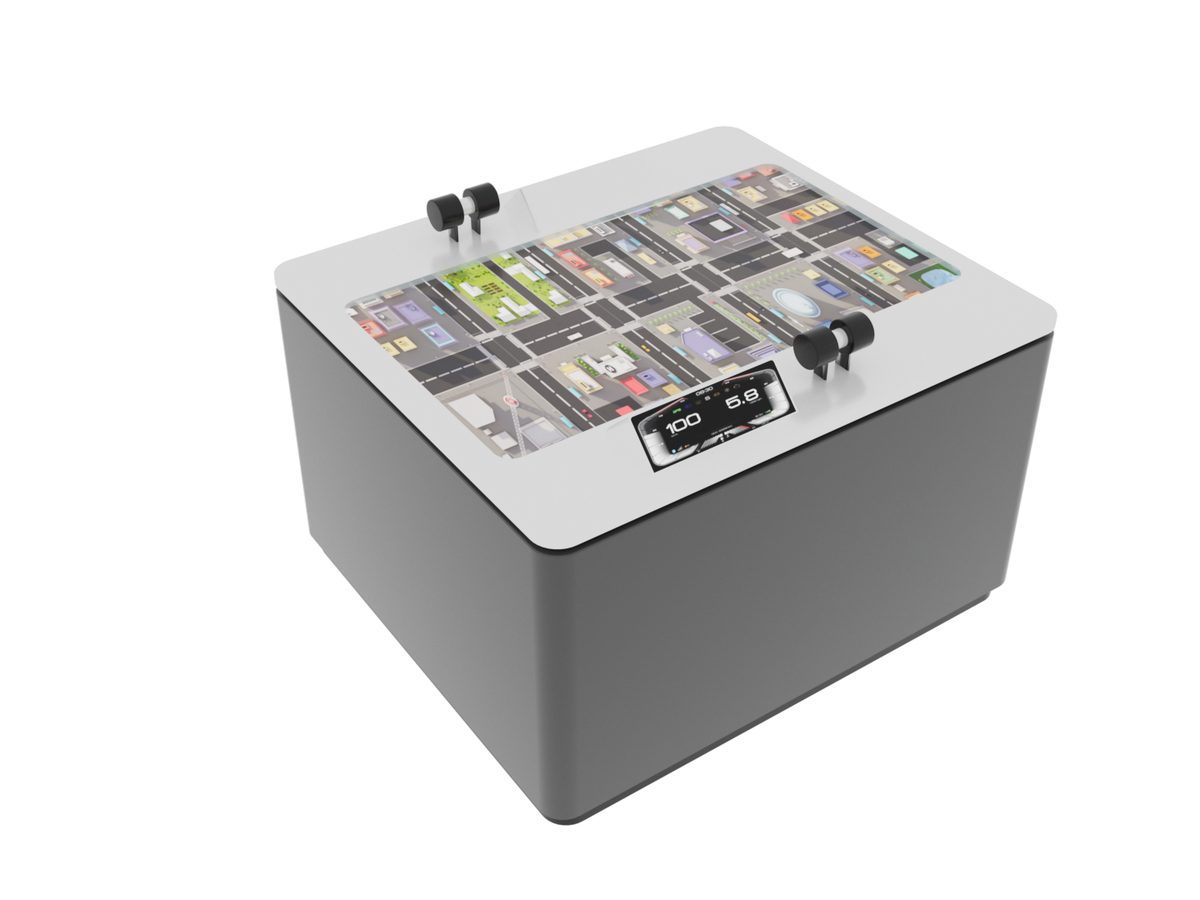
Time four signals so a bus crosses the city without stopping.

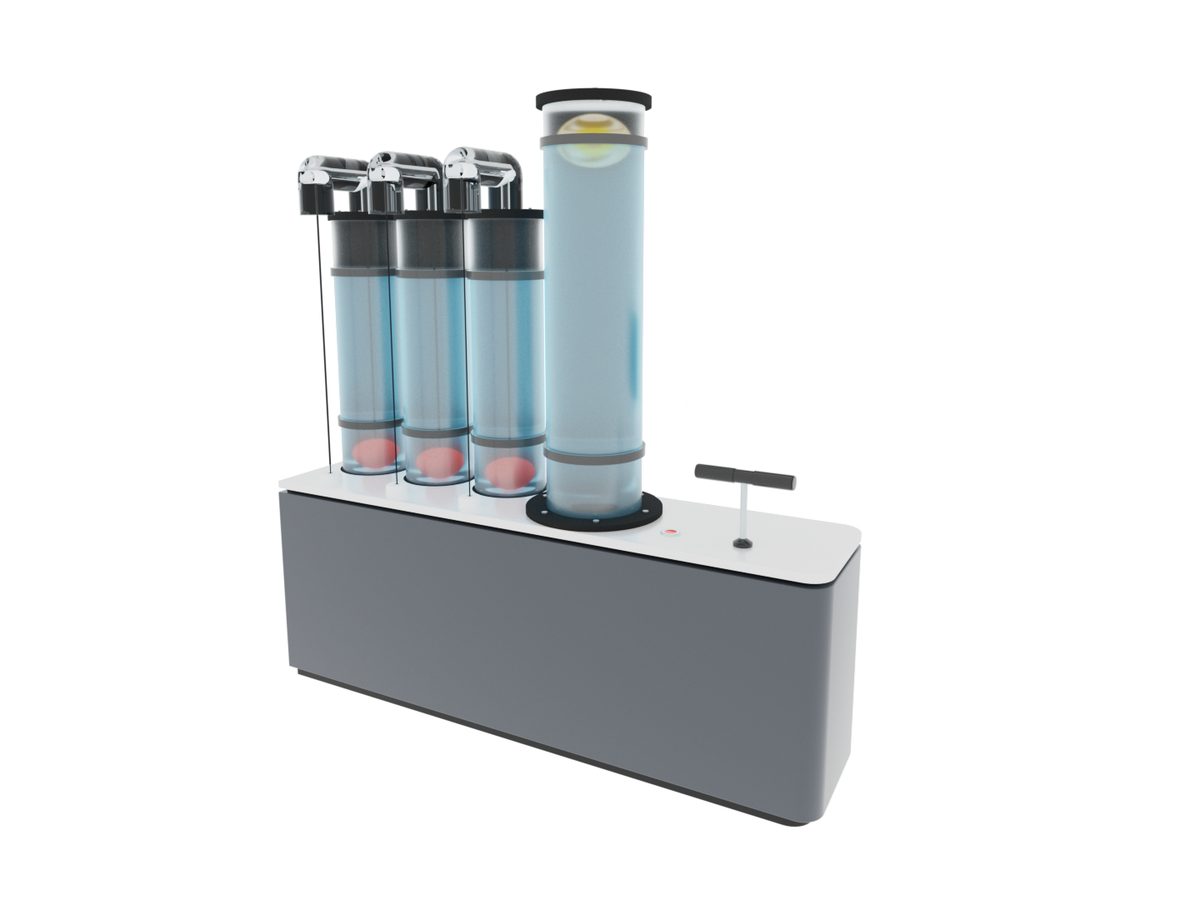
Load a hull until it floats and then until it does not.

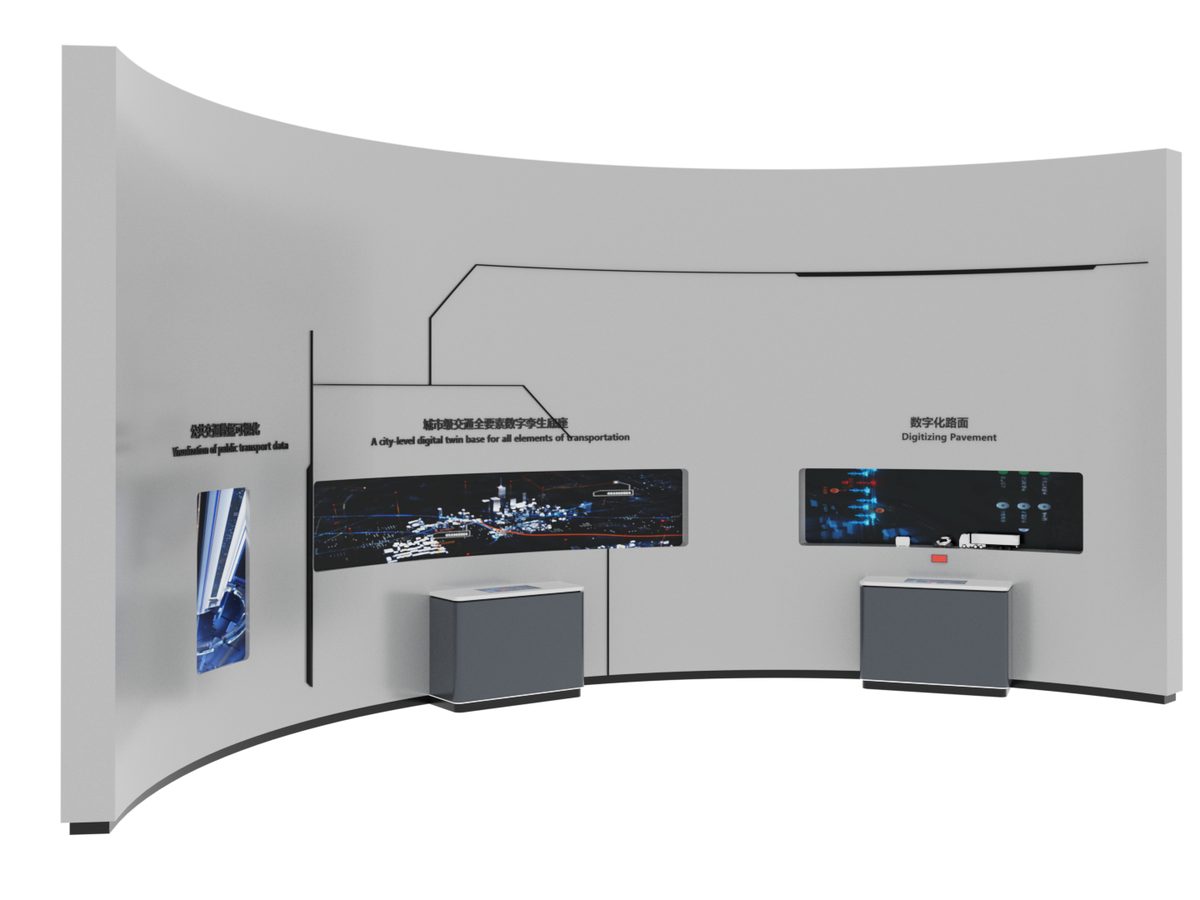
Road-side sensing, lane markings and vehicle communication in one model.
Attach a theme outline, a floor plan, or nothing at all — a photo of the space is enough to start. Quotations are issued against a real exhibit list, not per-square-metre guesses.
Scan to add us