Home/Exhibits/City & Society/From gliding to space

From gliding to space

Understanding the development process of aviation technology, from the initial glider to modern spacecraft,…

From gliding to space — City & Society exhibit for science museums
Studio rendering
CategoryCity & Society
Standard sizeCustom size
SupplySingle unit or batch · OEM to your drawing
Lead timeStandard 4–8 weeks after deposit (confirmed per contract)
Warranty1 year, structure and control
DocumentsSpecification sheet · control diagram · spare-part list

A standard catalogue model: the dimensions, control package and finish are fixed, which is what keeps the price and the lead time predictable. Size, colour and interface language can be adapted without a new design cycle.

Ask about this model → Email us

Standard models from this range are also listed in our online store, priced in USD — see the price yourself ↗
01 / Overview

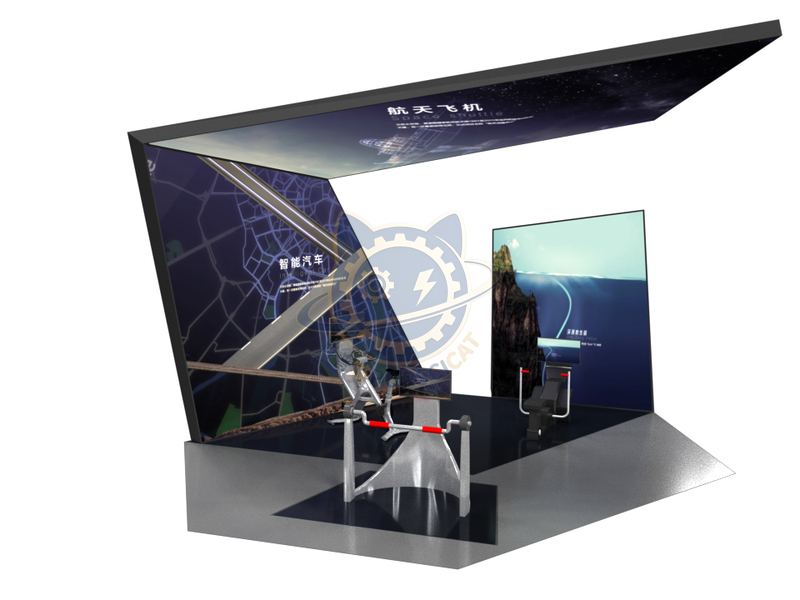
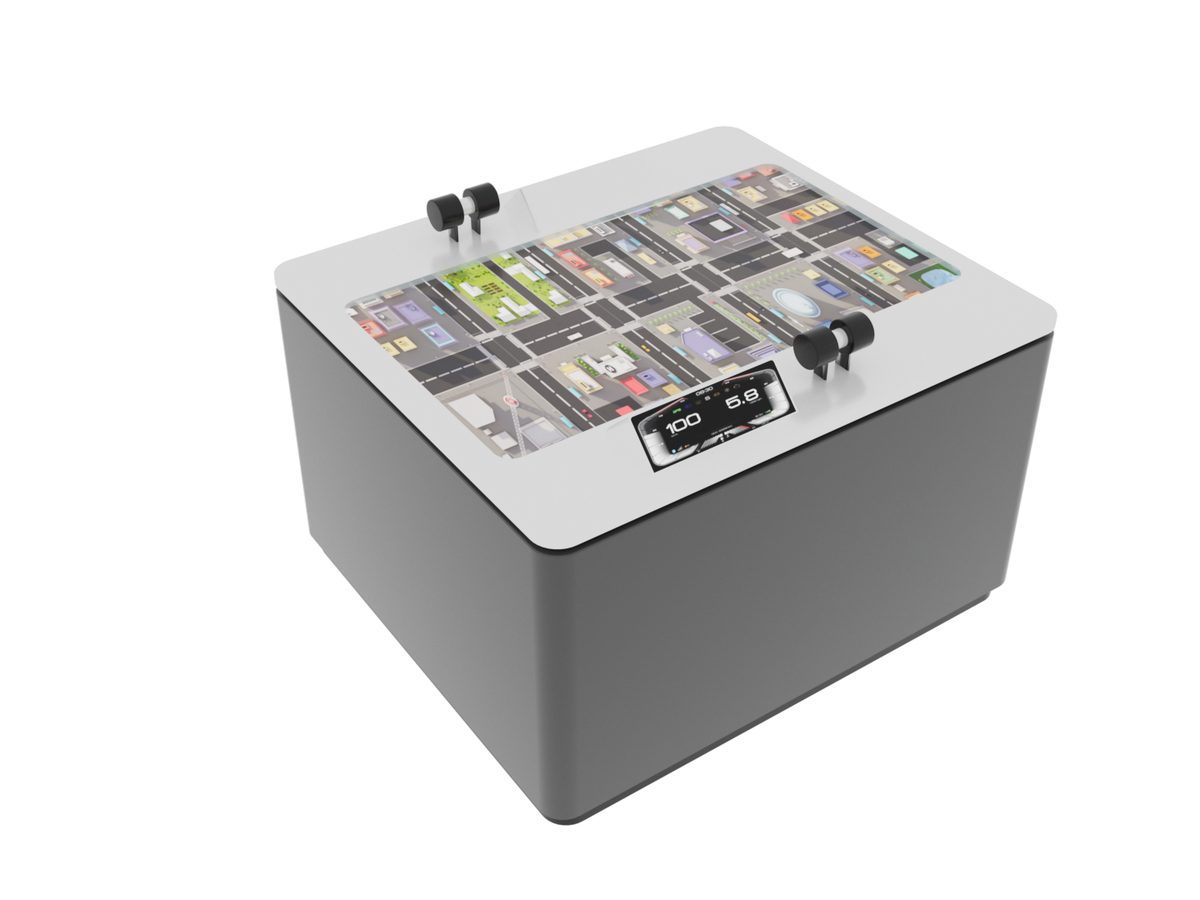
Understanding the development process of aviation technology, from the initial glider to modern spacecraft, showcases the journey of humanity transforming dreams into reality. Experience the evolution of aviation transportation from initial attempts to breakthroughs, and understand how aviation technology is gradually changing our lives and future. Explore the history and future of flight, and experience the magnificent journey from Earth to the universe. The Invention of Gliding Wings (1804): British scientist George Kelly invented the first successfully flying glider, laying the foundation for modern aviation. The Wright brothers' powered flight (1903) marked the beginning of modern aviation as they successfully conducted their first powered flight in the United States. The invention of jet aircraft (mid-20th century) greatly improved the speed and efficiency of commercial and military aviation, driving the rapid development of global air transportation. Shenzhou V (2003) China successfully launched Shenzhou.

02 / How visitors use it

The unit is designed for unsupervised public use: controls are recessed or shielded, moving parts are enclosed, and the interface is operable by a child of about six with no instruction. Where a screen is used, the language can be switched without changing the hardware, and the content can be replaced on site.

03 / The science behind it

Looking back at the evolution history of air transportation, starting from multiple milestone nodes in the evolution of air transportation vehicles, popularizing the prominent changes in power, energy, materials, and shapes at different stages, and allowing visitors to understand the evolution history of water transportation vehicles and their impact on human civilization. Glider: Gliders were the earliest attempts to realize the dream of human flight. Without self propulsion, it glides and flies in the air through the principles of gravity and aerodynamics. At the beginning of the 20th century, airplanes were mainly made of traditional materials such as wood and fabric, with limited flight speed and poor safety. With the development and technological innovation of the aviation industry, the materials and design of aircraft have gradually been improved, and flight speed and safety have also been significantly enhanced. Nowadays, airplanes have become the main means of transportation for long-distance travel, and also play an important role in military, scientific research and other fields. Fixed wing aircraft: Fixed wing aircraft are a milestone in modern flight. Powered by the engine, through a fixed wing surface.

04 / Built for a public floor

Every unit leaves the factory after a running test: mechanisms cycled, electronics burned in, edges dressed, fixings torqued and marked. Wear parts — bearings, sliders, lamps, belts, touch panels — are modular and listed on the spare-part sheet, so a venue technician can replace them without returning the exhibit. Crating is plywood with foam blocking; the loading plan and packing list travel with the shipment.

Same category

More in City & Society

Other models from the City & Society line, all held to the same specification and the same control package.

Start a project

Send us your exhibit list.
We will come back with a price.

Attach a theme outline, a floor plan, or nothing at all — a photo of the space is enough to start. Quotations are issued against a real exhibit list, not per-square-metre guesses.

WeChat QR code — scan to message us Scan to add us
on WeChat