The overall appearance of the exhibit project is fully restored to the unmanned bus, with two rows of facing seats…
| Category | City & Society |
|---|---|
| Standard size | Custom size |
| Supply | Single unit or batch · OEM to your drawing |
| Lead time | Standard 4–8 weeks after deposit (confirmed per contract) |
| Warranty | 1 year, structure and control |
| Documents | Specification sheet · control diagram · spare-part list |
A standard catalogue model: the dimensions, control package and finish are fixed, which is what keeps the price and the lead time predictable. Size, colour and interface language can be adapted without a new design cycle.
Standard models from this range are also listed in our online store, priced in USD — see the price yourself ↗
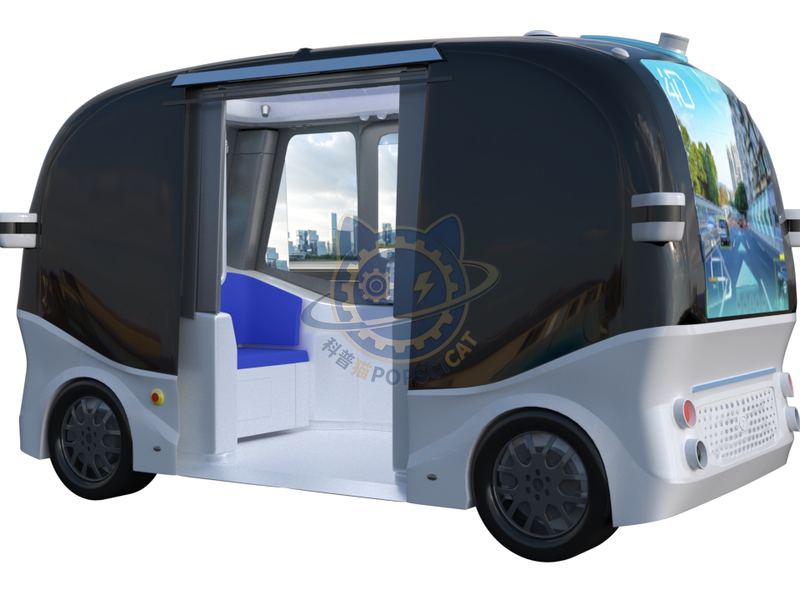
The overall appearance of the exhibit project is fully restored to the unmanned bus, with two rows of facing seats inside the cabin. The remaining windows are all LED screens, creating an immersive street view around them and creating a 5D immersive cinema, allowing visitors to experience the process of the unmanned bus passing through the "Guangming Street" station, "Guangming Metro Station" station, and "Shenzhen Science and Technology Museum" station. Unmanned buses embody technologies such as green wave guidance, passing, traffic light recognition, dark spot recognition, emergency obstacle avoidance, blind spot perception, and automatic parking during operation. The interior of the carriage adopts a visual immersive spatial environment, which truly reflects the ever-changing external environment and intuitively experiences how unmanned vehicles operate during driving and how to quickly and efficiently handle emergencies. The glass on both sides of the vehicle can provide supporting environmental information and real-time positioning images of the vehicle. visitors can experience the technology of autonomous buses and learn about the functions of autonomous driving by simulating passenger characters.
The unit is designed for unsupervised public use: controls are recessed or shielded, moving parts are enclosed, and the interface is operable by a child of about six with no instruction. Where a screen is used, the language can be switched without changing the hardware, and the content can be replaced on site.
Look, isn't this bus very special? It has no steering wheel and no driver's seat - because it is an intelligent bus that can "see the road and drive by itself". There is a small tower like LiDAR on the roof of the car, and sensors such as cameras and radars work together around the body of the car. They are like the "eyes" and "ears" of a bus, able to recognize surrounding vehicles, pedestrians, and traffic lights in real time, judge road conditions, and smoothly navigate around obstacles. It can safely and automatically travel along the set route regardless of day, night, sunny or rainy days. Come and get in the car, experience the future of travel!
Every unit leaves the factory after a running test: mechanisms cycled, electronics burned in, edges dressed, fixings torqued and marked. Wear parts — bearings, sliders, lamps, belts, touch panels — are modular and listed on the spare-part sheet, so a venue technician can replace them without returning the exhibit. Crating is plywood with foam blocking; the loading plan and packing list travel with the shipment.
Other models from the City & Society line, all held to the same specification and the same control package.

Blade pitch adjusted by hand with thrust read on a live gauge.

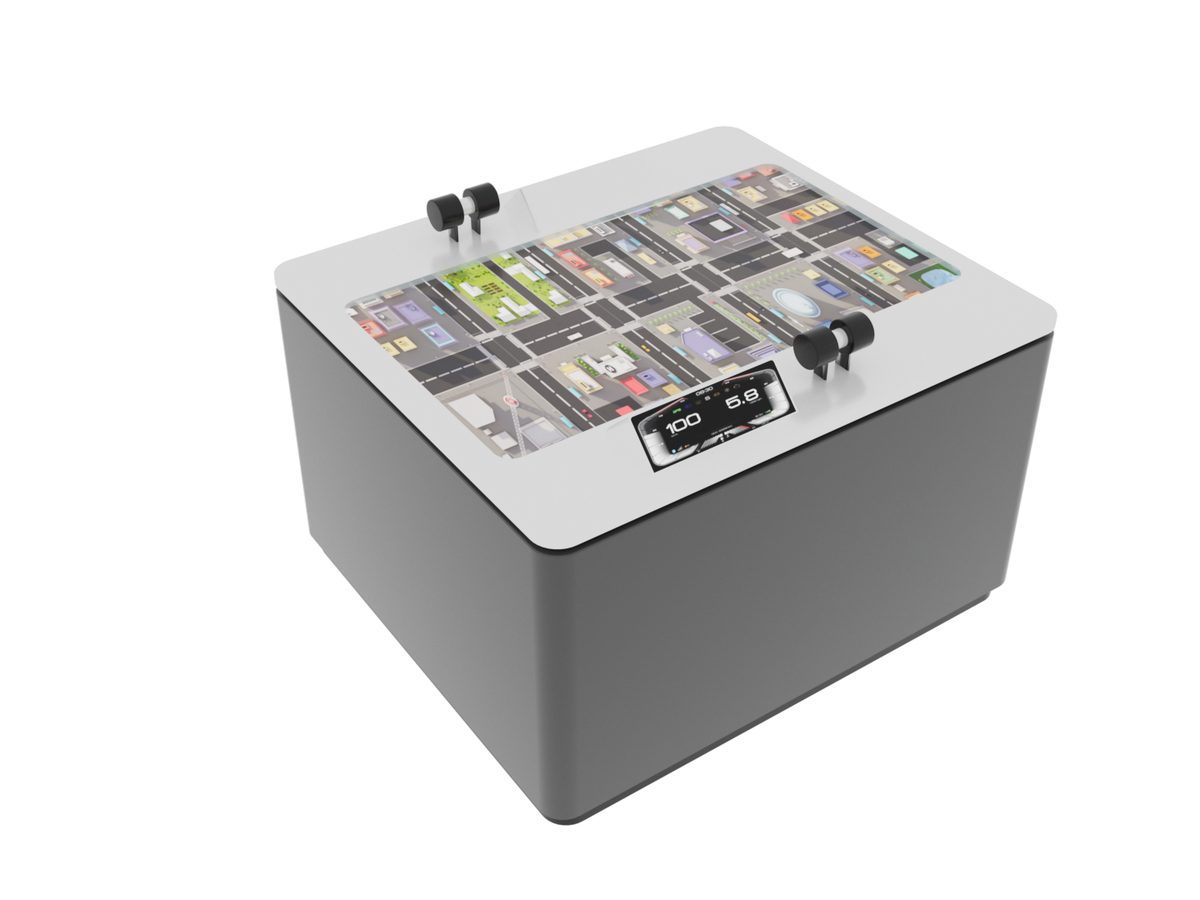
Time four signals so a bus crosses the city without stopping.

Load a hull until it floats and then until it does not.

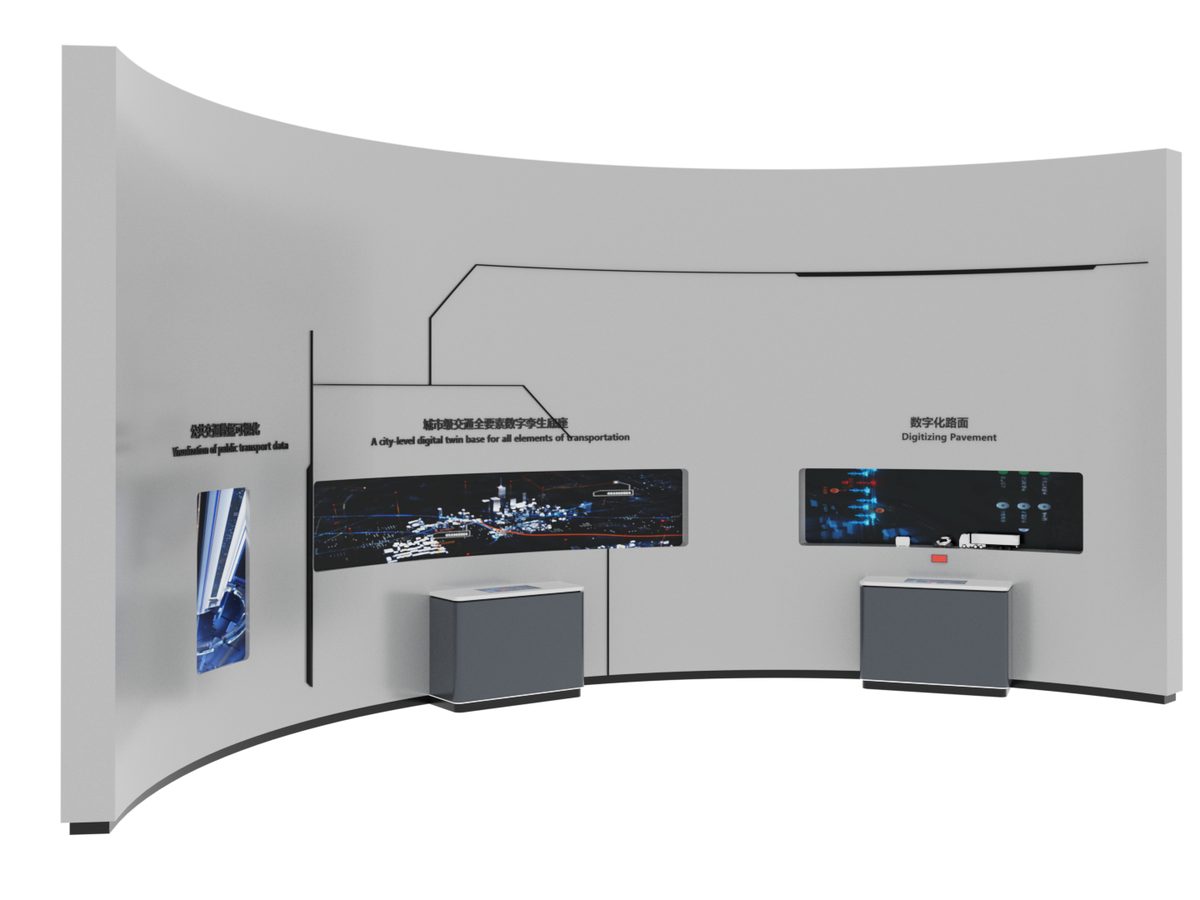
Road-side sensing, lane markings and vehicle communication in one model.
Attach a theme outline, a floor plan, or nothing at all — a photo of the space is enough to start. Quotations are issued against a real exhibit list, not per-square-metre guesses.
Scan to add us