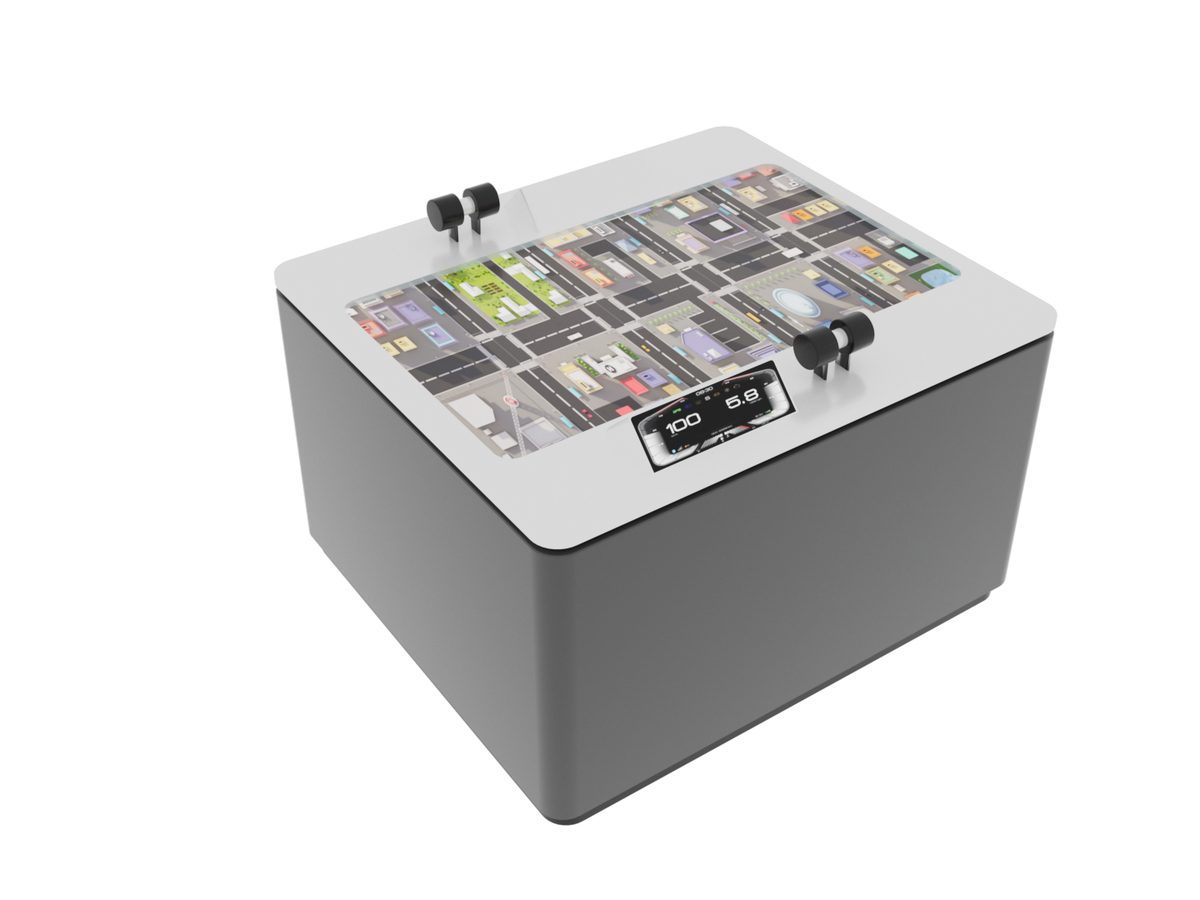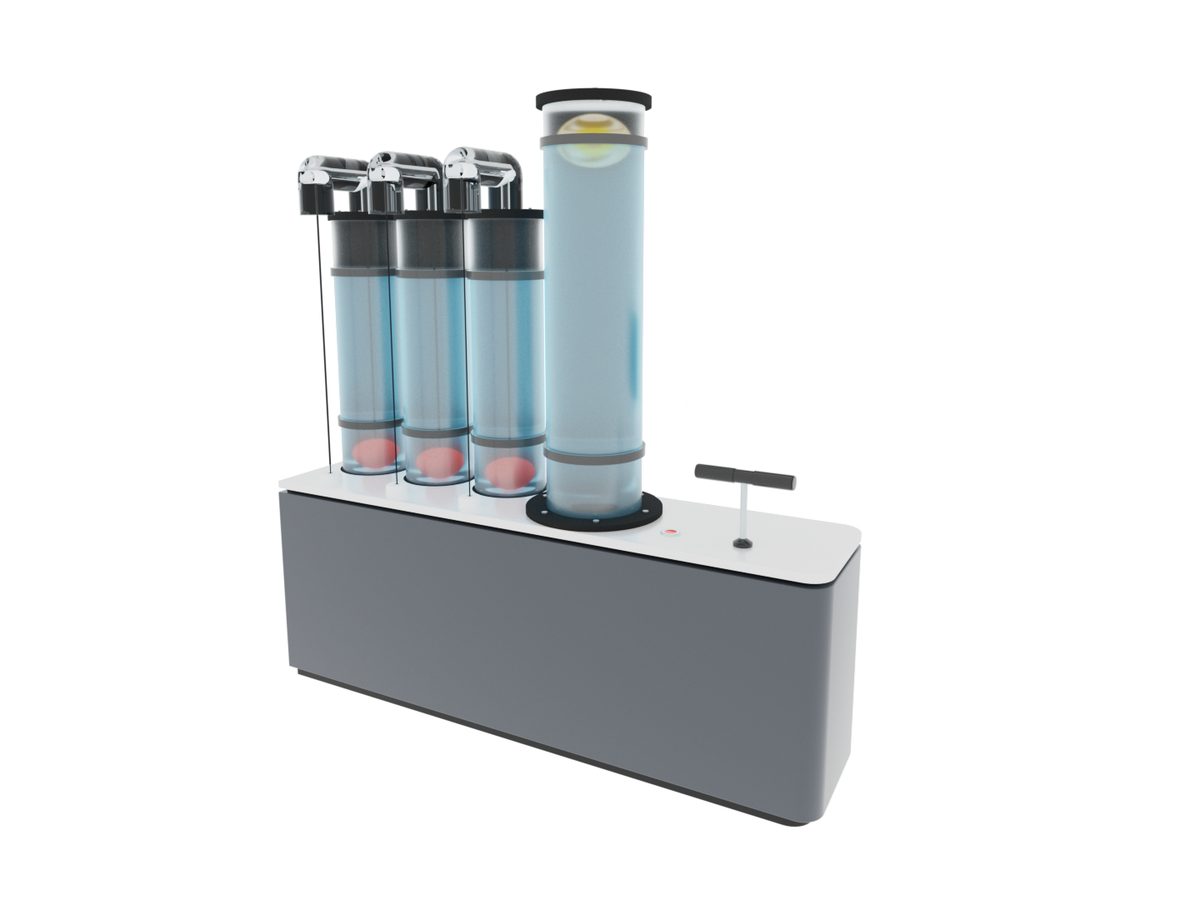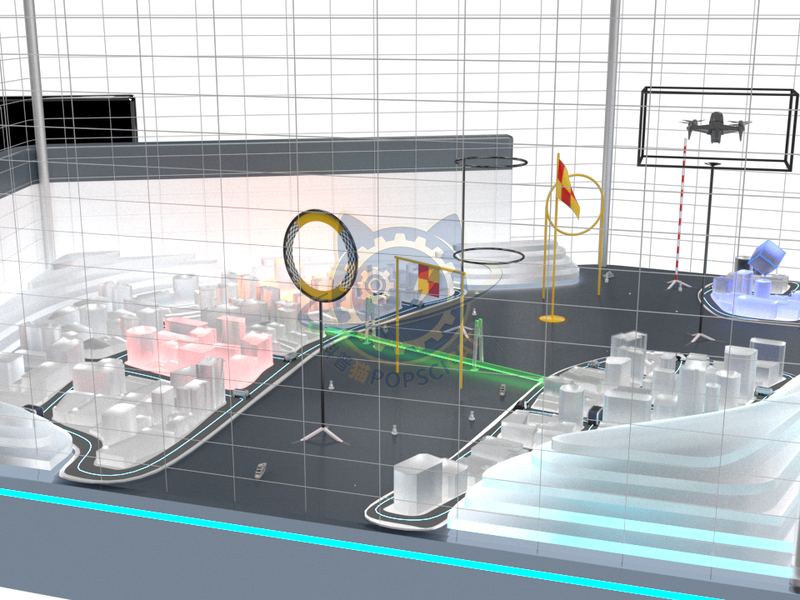
The exhibit consists of a micro drone, an operating controller, and a real drone flight experience area.
| Category | City & Society |
|---|---|
| Standard size | Custom size |
| Supply | Single unit or batch · OEM to your drawing |
| Lead time | Standard 4–8 weeks after deposit (confirmed per contract) |
| Warranty | 1 year, structure and control |
| Documents | Specification sheet · control diagram · spare-part list |
A standard catalogue model: the dimensions, control package and finish are fixed, which is what keeps the price and the lead time predictable. Size, colour and interface language can be adapted without a new design cycle.
Standard models from this range are also listed in our online store, priced in USD — see the price yourself ↗
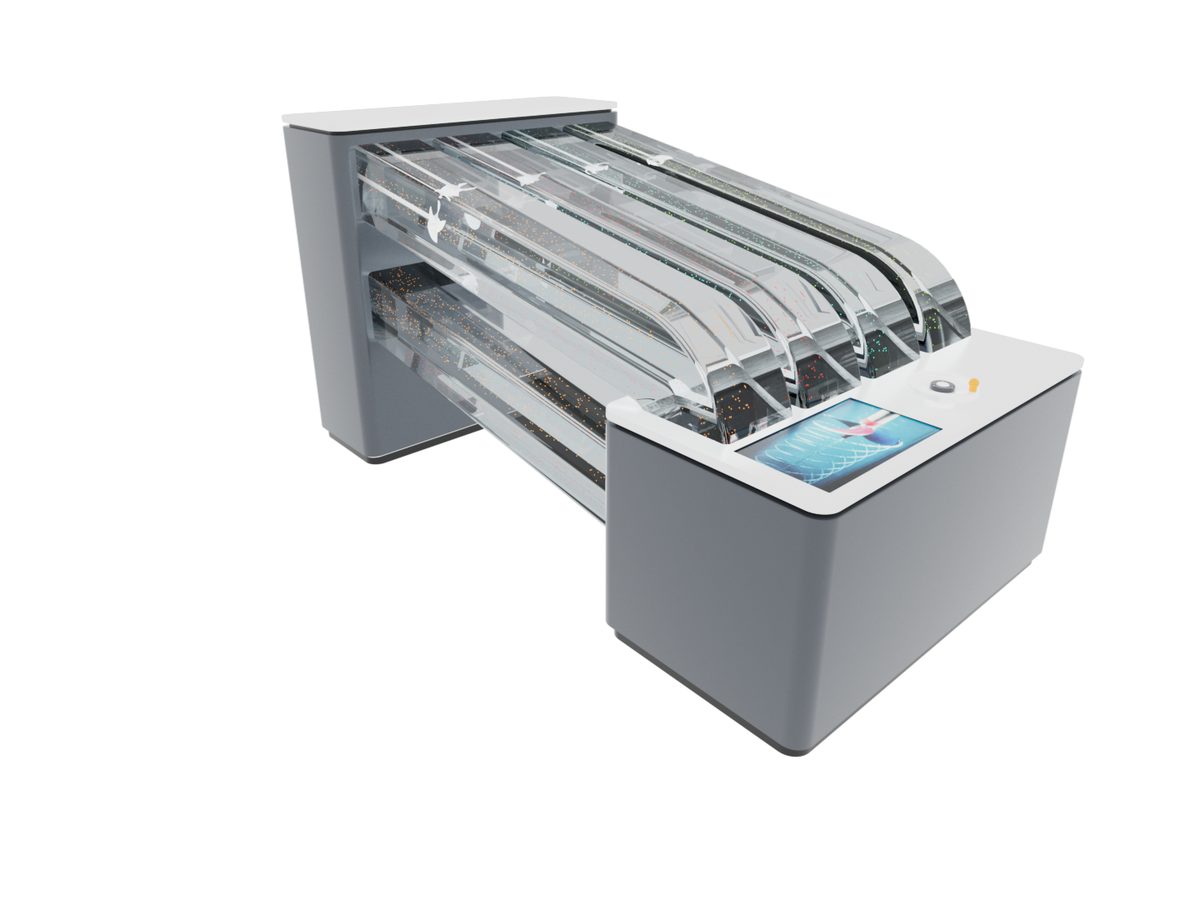
The exhibit consists of a micro drone, an operating controller, and a real drone flight experience area. Combining the basic principles of flight, it leads visitors to complete the process of drone flight from cognition to practice.
The unit is designed for unsupervised public use: controls are recessed or shielded, moving parts are enclosed, and the interface is operable by a child of about six with no instruction. Where a screen is used, the language can be switched without changing the hardware, and the content can be replaced on site.
Taking a quadcopter electric drone as an example, the layout of the four rotors is in an "X" shape, with adjacent rotors turning in opposite directions. When the lift generated by the two pairs of rotors turning in opposite directions is equal, the effect of the reverse torque is just offset, thereby preventing the drone from spinning. By controlling the rotational speed of two pairs of rotors, various motion postures of the drone can be controlled. Drones have 6 degrees of freedom, including forward and backward, up and down, left and right movement, roll, pitch, and yaw rotation. However, the control channels only include the thrust channel, roll control channel, pitch control channel, and yaw control channel. Therefore, drones are a nonlinear system with strong underactuated coupling.
Every unit leaves the factory after a running test: mechanisms cycled, electronics burned in, edges dressed, fixings torqued and marked. Wear parts — bearings, sliders, lamps, belts, touch panels — are modular and listed on the spare-part sheet, so a venue technician can replace them without returning the exhibit. Crating is plywood with foam blocking; the loading plan and packing list travel with the shipment.
Other models from the City & Society line, all held to the same specification and the same control package.

Blade pitch adjusted by hand with thrust read on a live gauge.

Time four signals so a bus crosses the city without stopping.

Load a hull until it floats and then until it does not.

Road-side sensing, lane markings and vehicle communication in one model.
Attach a theme outline, a floor plan, or nothing at all — a photo of the space is enough to start. Quotations are issued against a real exhibit list, not per-square-metre guesses.
Scan to add us