Home/Exhibits/City & Society/Sensor: You are my eyes

Sensor: You are my eyes

This exhibit is connected to M2-01/29.

Sensor: You are my eyes — City & Society exhibit for science museums
Studio rendering
CategoryCity & Society
Standard sizeCustom size
SupplySingle unit or batch · OEM to your drawing
Lead timeStandard 4–8 weeks after deposit (confirmed per contract)
Warranty1 year, structure and control
DocumentsSpecification sheet · control diagram · spare-part list

A standard catalogue model: the dimensions, control package and finish are fixed, which is what keeps the price and the lead time predictable. Size, colour and interface language can be adapted without a new design cycle.

Ask about this model → Email us

Standard models from this range are also listed in our online store, priced in USD — see the price yourself ↗
01 / Overview

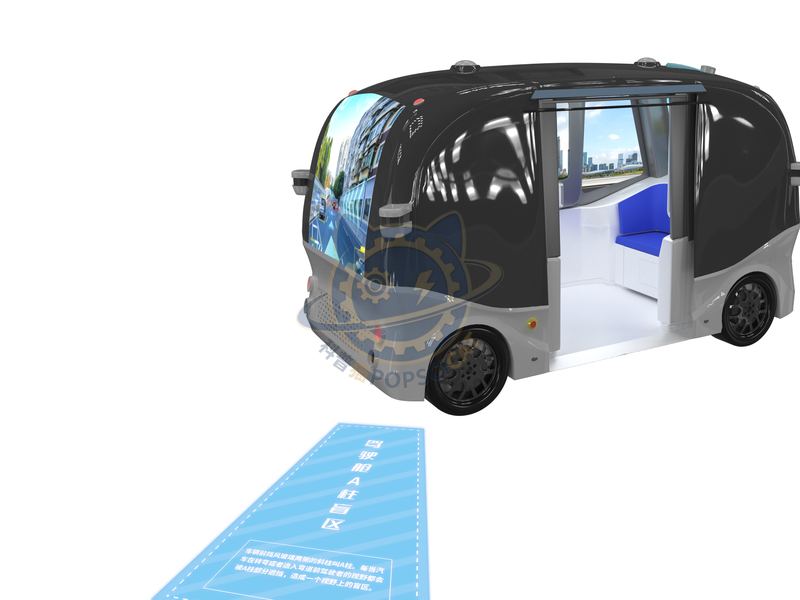
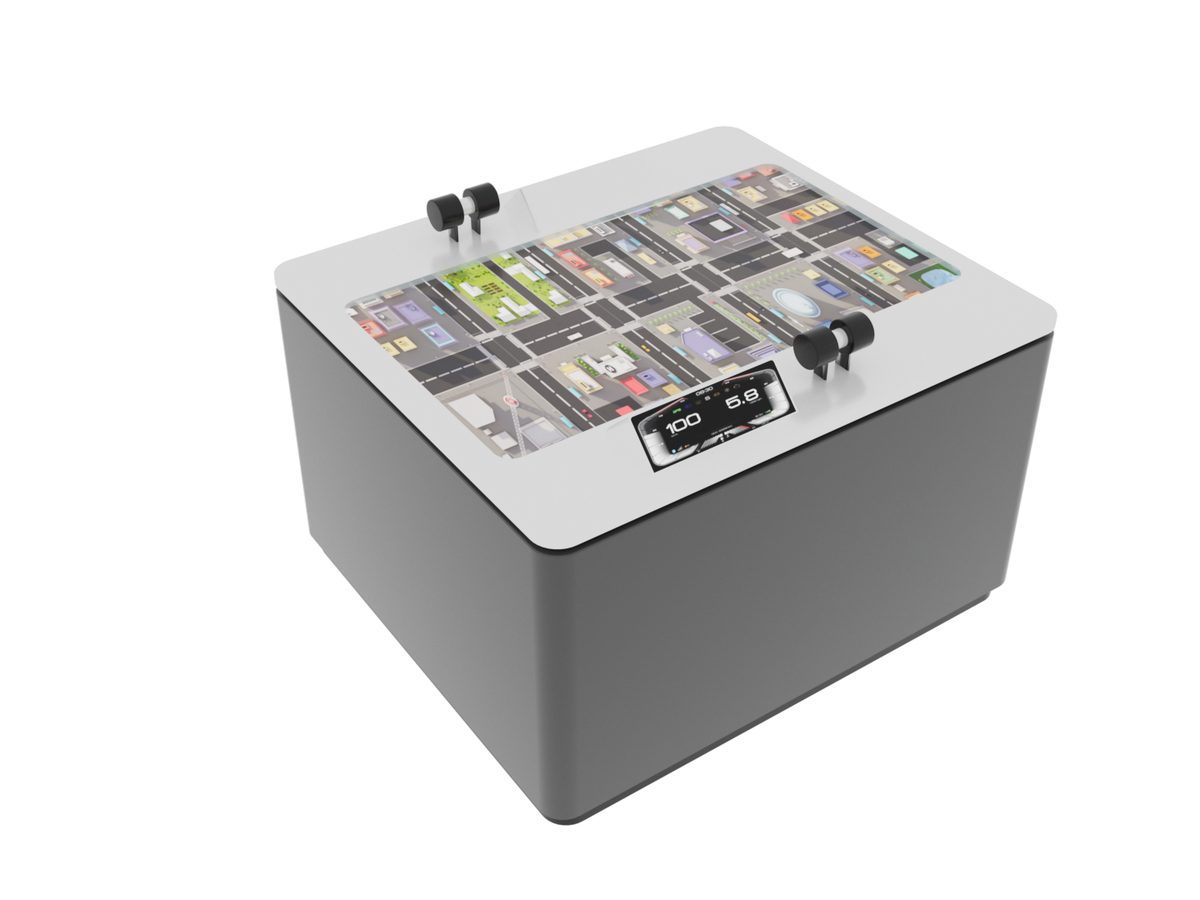
This exhibit is connected to M2-01/29. Let's go, get in the car! "Exhibits. It mainly consists of unmanned buses, front projection (playing popular science videos), ground projection (projecting the blind spot range of the vehicle's A-pillar), and camera sensors. Through multimedia imaging and A-pillar blind spot sensing interactive experience, it provides a comprehensive platform for visitors to understand the unmanned vehicle perception system, introducing various sensors used in unmanned vehicles, including laser radar, cameras, ultrasonic sensors, millimeter wave radar, etc., and their roles in the unmanned vehicle perception environment. The A-pillar blind spot sensing interactive experience in front of the car is a very practical functional display. When visitors walks past the front A-pillar of the unmanned vehicle, if they are in a blind spot, the sensor will sense their presence in real time and display the information on the central control screen in real time. This experience allows visitors to intuitively feel how autonomous vehicles monitor and avoid potential dangers in blind spots, enhancing their awareness of the safety of autonomous driving.

02 / How visitors use it

The unit is designed for unsupervised public use: controls are recessed or shielded, moving parts are enclosed, and the interface is operable by a child of about six with no instruction. Where a screen is used, the language can be switched without changing the hardware, and the content can be replaced on site.

03 / The science behind it

Intelligent cars can safely and autonomously drive without several pairs of eyes with different functions. They work together 24/7 to provide vehicles with a comprehensive "visual" perception: 1 Lidar: "Mapping Eye", through laser scanning, can real-time construct accurate three-dimensional maps around the vehicle body; two Camera: "Recognition Eye", capable of identifying traffic signals, lane markings, and pedestrians; three Millimeter wave radar: "see through eye", can penetrate interference and see distant obstacles even in severe weather conditions such as heavy rain and fog; four Ultrasonic radar: "macro eye", focusing on sensing objects very close to the vehicle, is a good helper for parking and passing through narrow roads. These 'eyes' work together to enable cars to perceive the environment 360 degrees without any blind spots. Only by "seeing everything and recognizing accurately" can vehicles make intelligent judgments and drive safely and reliably.

04 / Built for a public floor

Every unit leaves the factory after a running test: mechanisms cycled, electronics burned in, edges dressed, fixings torqued and marked. Wear parts — bearings, sliders, lamps, belts, touch panels — are modular and listed on the spare-part sheet, so a venue technician can replace them without returning the exhibit. Crating is plywood with foam blocking; the loading plan and packing list travel with the shipment.

Same category

More in City & Society

Other models from the City & Society line, all held to the same specification and the same control package.

Start a project

Send us your exhibit list.
We will come back with a price.

Attach a theme outline, a floor plan, or nothing at all — a photo of the space is enough to start. Quotations are issued against a real exhibit list, not per-square-metre guesses.

WeChat QR code — scan to message us Scan to add us
on WeChat