Electroencephalogram (EEG) signals are the comprehensive manifestation of the electrophysiological activity of brain…
| Category | Digital & AI |
|---|---|
| Standard size | Custom size |
| Supply | Single unit or batch · OEM to your drawing |
| Lead time | Standard 4–8 weeks after deposit (confirmed per contract) |
| Warranty | 1 year, structure and control |
| Documents | Specification sheet · control diagram · spare-part list |
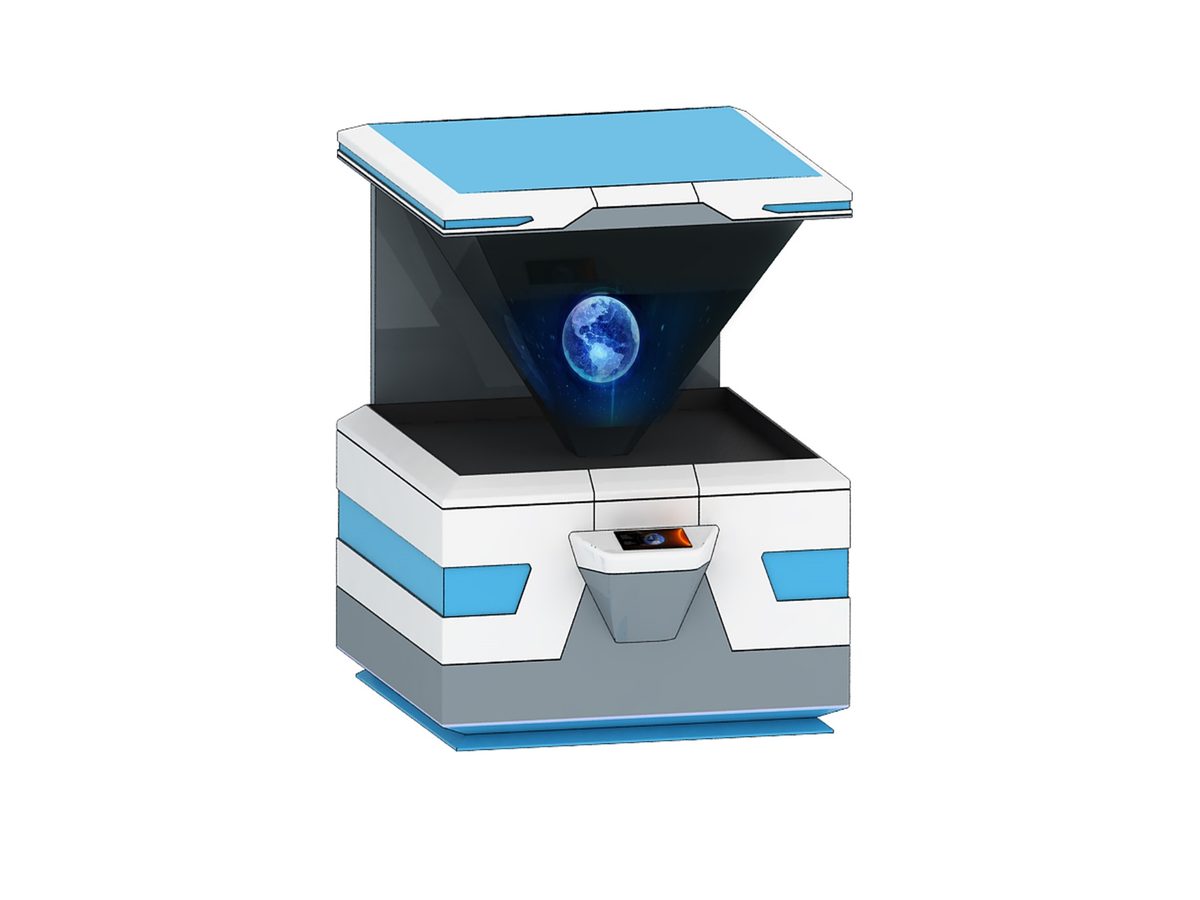
A standard catalogue model: the dimensions, control package and finish are fixed, which is what keeps the price and the lead time predictable. Size, colour and interface language can be adapted without a new design cycle.
Standard models from this range are also listed in our online store, priced in USD — see the price yourself ↗
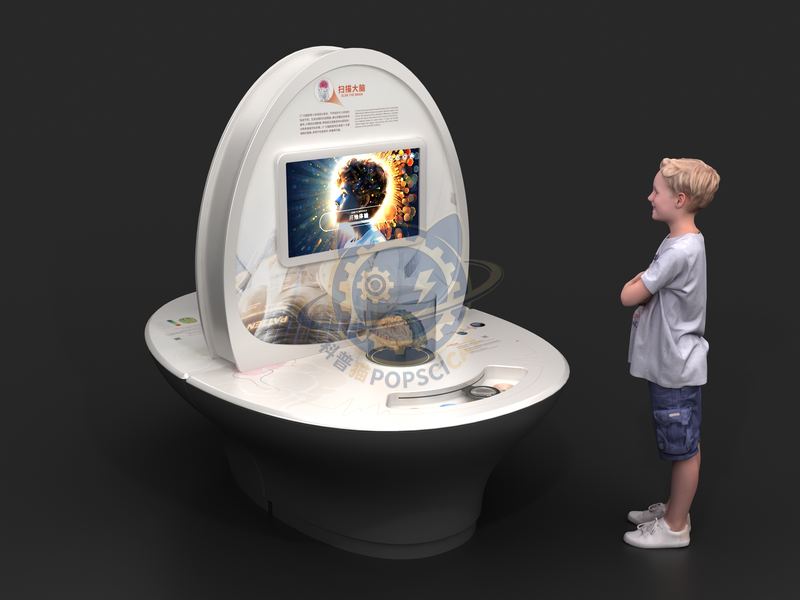
Electroencephalogram (EEG) signals are the comprehensive manifestation of the electrophysiological activity of brain nerve tissue on the surface of the cerebral cortex. The methods for recording EEG signals include scalp electroencephalography (EEG) and cortical electroencephalography (ECoG). The amplitude of EEG signals gradually increases as the sampling location approaches the cerebral cortex.
The unit is designed for unsupervised public use: controls are recessed or shielded, moving parts are enclosed, and the interface is operable by a child of about six with no instruction. Where a screen is used, the language can be switched without changing the hardware, and the content can be replaced on site.
EEG signals are formed by the sum of a large number of postsynaptic sites in the cortex, including excitatory salience potentials and inhibitory postsynaptic potentials, and are the result of the collective activity of many neurons. Electroencephalography records the electrical activity of the brain through electrodes, which are usually embedded in electrode caps. This electrode cap usually takes 5 minutes to install on the user and adjust the electrode to obtain a good signal. The electroencephalogram system is relatively inexpensive and portable, and is the most common neuroimaging method in BCI research.
Every unit leaves the factory after a running test: mechanisms cycled, electronics burned in, edges dressed, fixings torqued and marked. Wear parts — bearings, sliders, lamps, belts, touch panels — are modular and listed on the spare-part sheet, so a venue technician can replace them without returning the exhibit. Crating is plywood with foam blocking; the loading plan and packing list travel with the shipment.
Other models from the Digital & AI line, all held to the same specification and the same control package.

Hundreds of orbiting nodes light up to show global coverage.

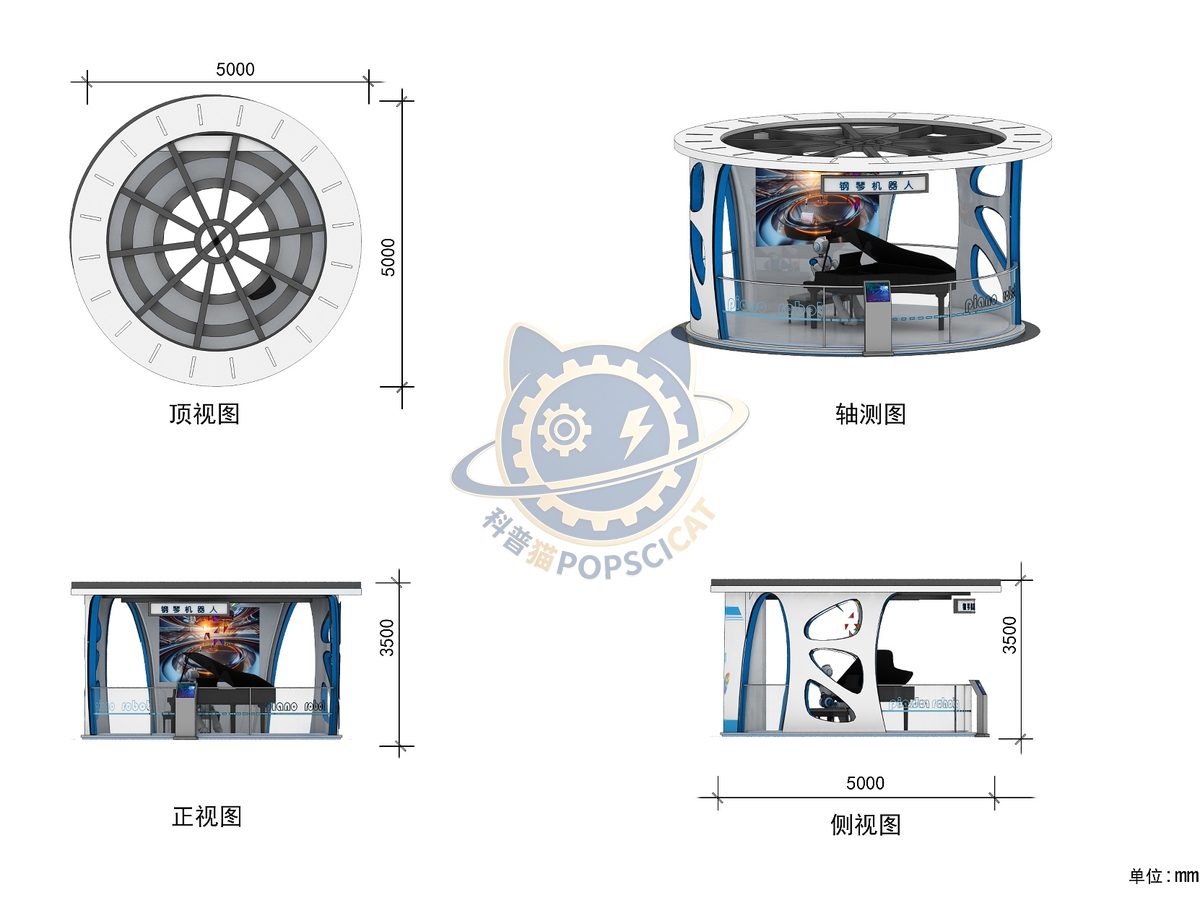
Mechanical fingers play a request chosen by the visitor.

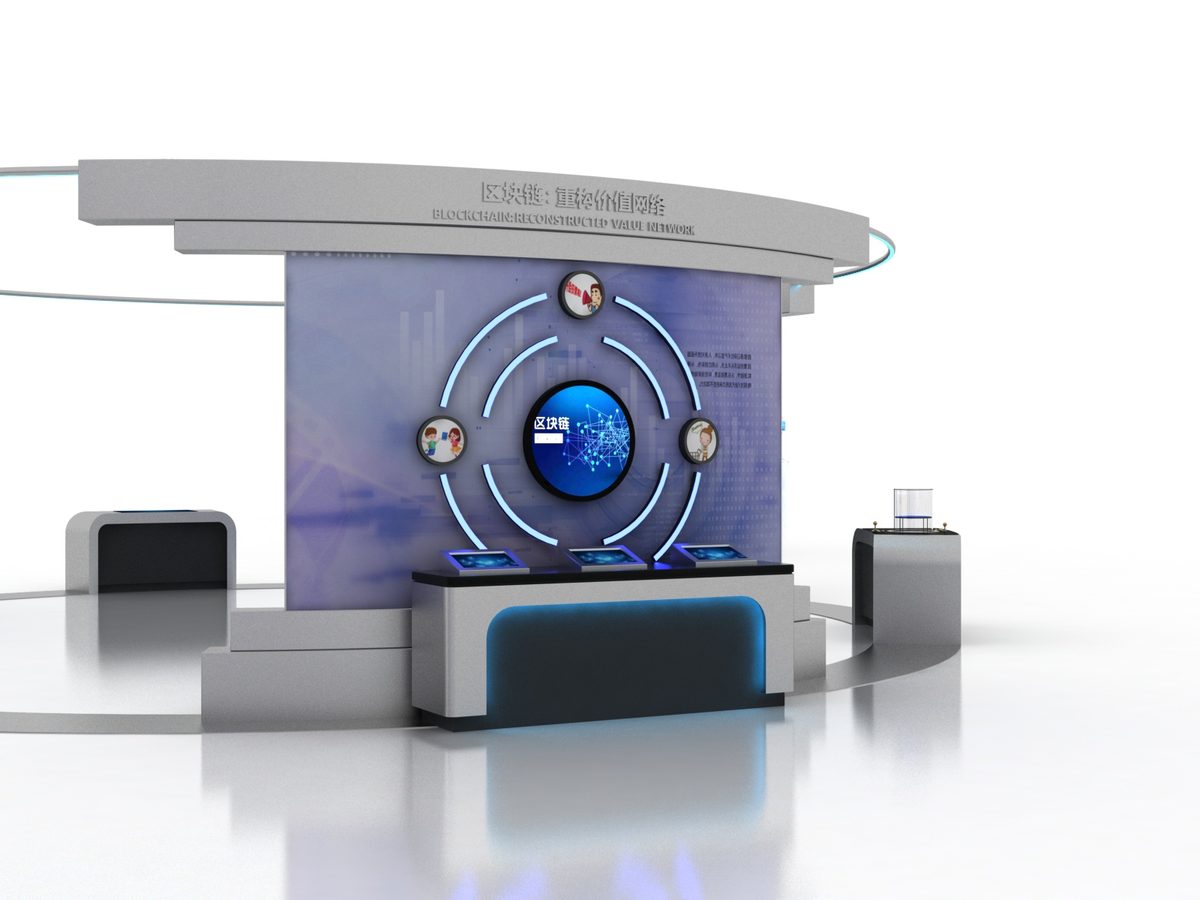
A chain of blocks that cannot be edited once the next one is added.

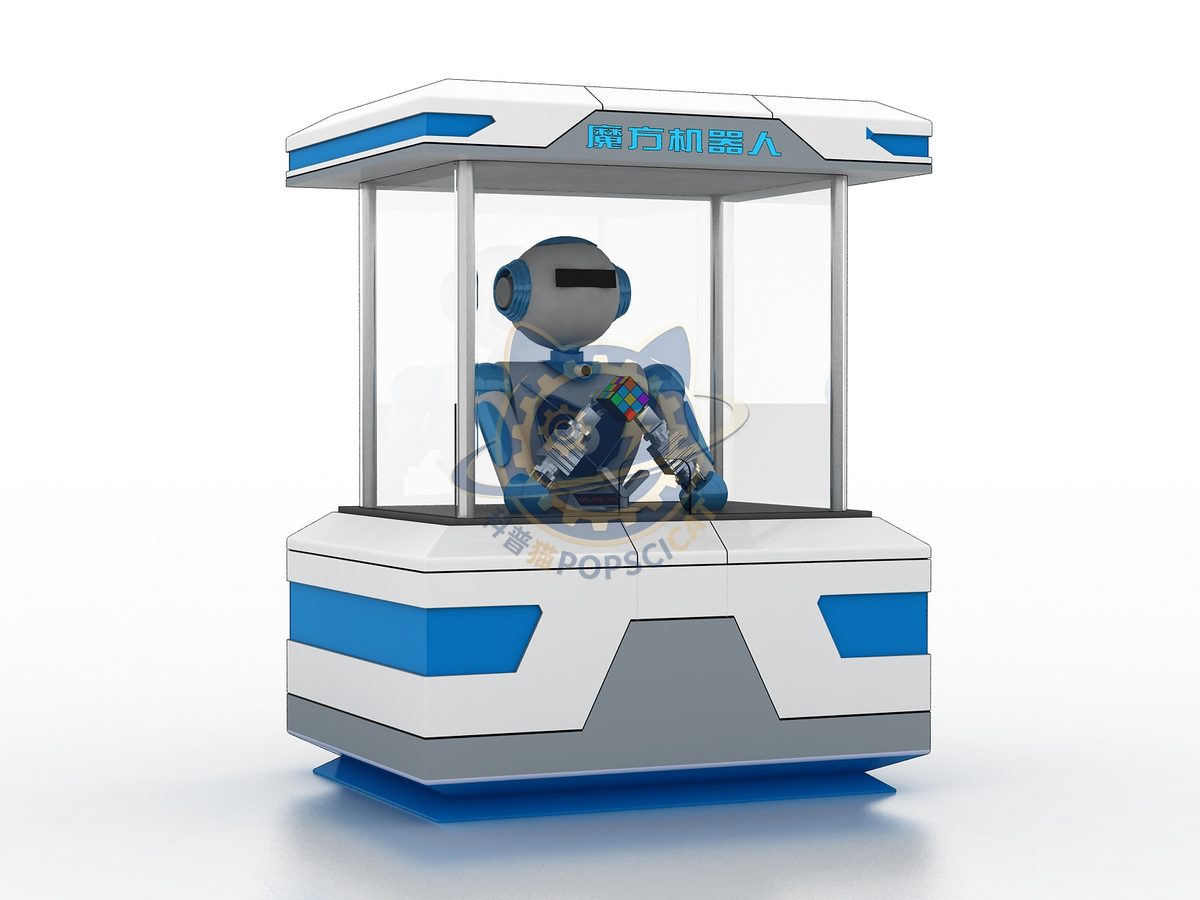
A camera reads a scrambled cube; the arm solves it in under a minute.
Attach a theme outline, a floor plan, or nothing at all — a photo of the space is enough to start. Quotations are issued against a real exhibit list, not per-square-metre guesses.
Scan to add us