In recent years, the rapidly developing brain computer interface has become a bridge connecting the brains of…
| Category | Digital & AI |
|---|---|
| Standard size | Custom size |
| Supply | Single unit or batch · OEM to your drawing |
| Lead time | Standard 4–8 weeks after deposit (confirmed per contract) |
| Warranty | 1 year, structure and control |
| Documents | Specification sheet · control diagram · spare-part list |
A standard catalogue model: the dimensions, control package and finish are fixed, which is what keeps the price and the lead time predictable. Size, colour and interface language can be adapted without a new design cycle.
Standard models from this range are also listed in our online store, priced in USD — see the price yourself ↗
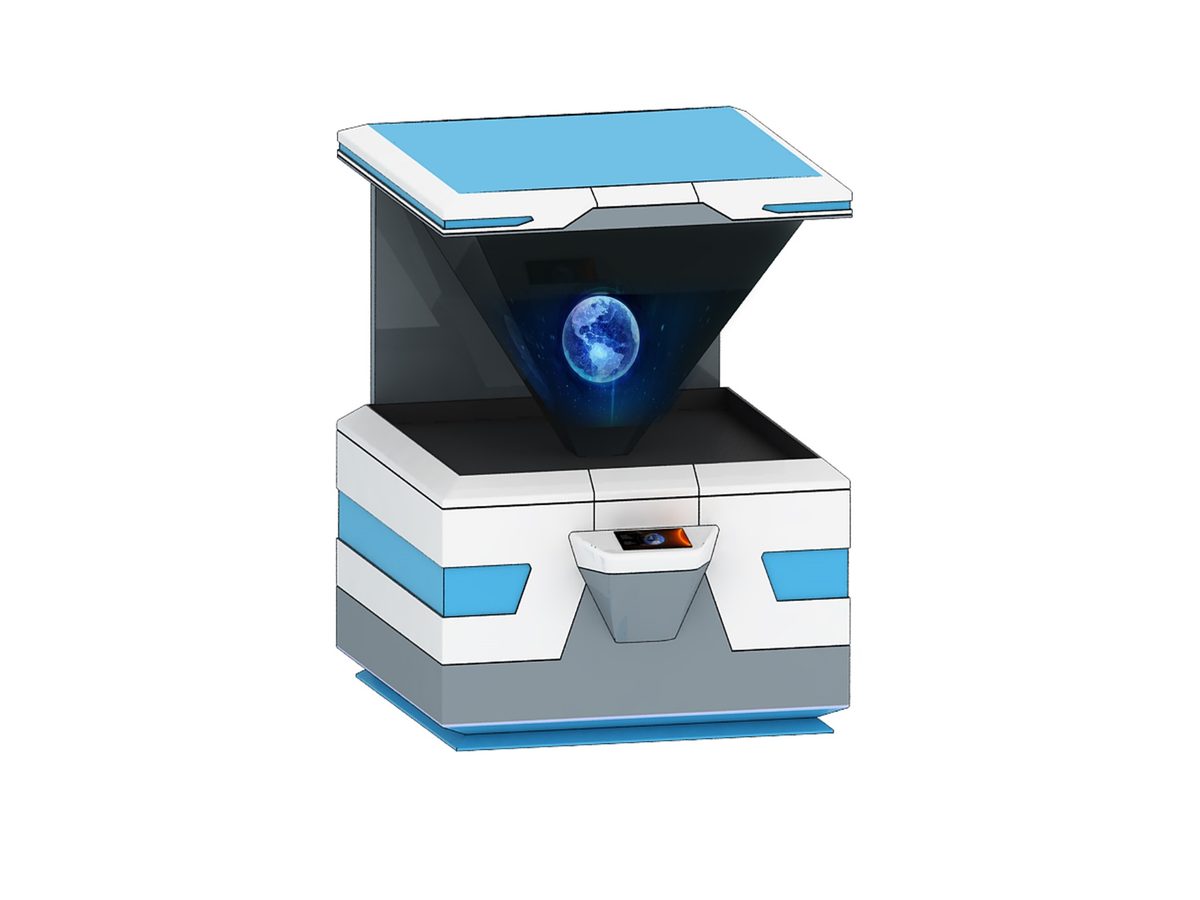
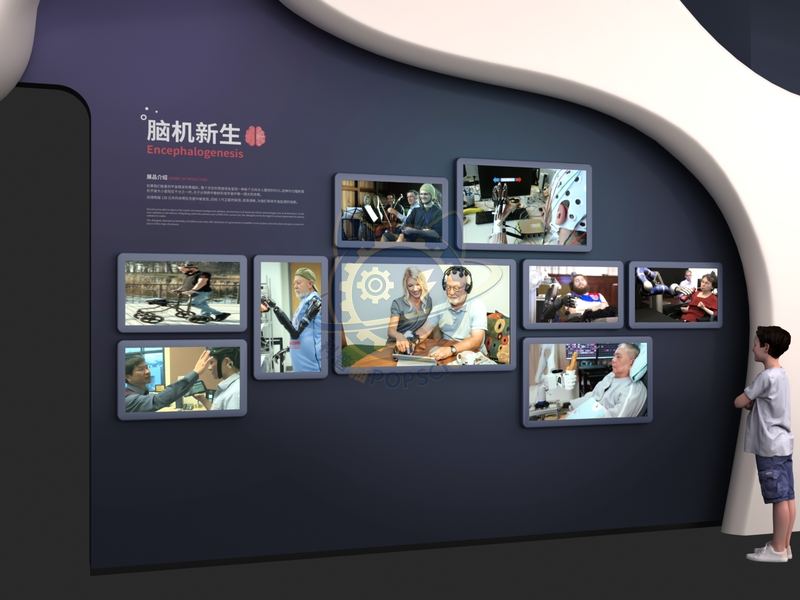
In recent years, the rapidly developing brain computer interface has become a bridge connecting the brains of paralyzed patients with their external "torso", helping them use their minds to control machinery and interact with the outside world.. Meanwhile, this technology can also enable disabled individuals' prosthetics to execute brain commands more accurately. Zhejiang University has reported that this technology has been used to help patients achieve "brain controlled eating".
The unit is designed for unsupervised public use: controls are recessed or shielded, moving parts are enclosed, and the interface is operable by a child of about six with no instruction. Where a screen is used, the language can be switched without changing the hardware, and the content can be replaced on site.
Brain computer interface (BCI) is a closed loop human-machine interaction system that creates an information channel between the brain/spinal cord and external devices. It collects and decodes central nervous system activity for intent recognition and output, controls external devices, and receives feedback information. Mainly used for compensating and repairing human functional disorders, as well as enhancing human behavioral abilities. Brain computer interface rehabilitation training can stimulate the coordinated work of brain regions such as sensation and movement. Scientifically applying motor and sensory tasks to the cortex and limbs can stimulate the central nervous system and effectors to generate electrical signals, and establish artificial auxiliary transmission pathways between the brain and limbs through brain computer interfaces, allowing the blocked information exchange between the two to continue. This can activate the remaining nerve fibers in the spinal cord, stimulate their "residual potential ability", and play a compensatory role in function, partially restoring the spinal cord's transmission of motor and sensory information.
Every unit leaves the factory after a running test: mechanisms cycled, electronics burned in, edges dressed, fixings torqued and marked. Wear parts — bearings, sliders, lamps, belts, touch panels — are modular and listed on the spare-part sheet, so a venue technician can replace them without returning the exhibit. Crating is plywood with foam blocking; the loading plan and packing list travel with the shipment.
Other models from the Digital & AI line, all held to the same specification and the same control package.

Hundreds of orbiting nodes light up to show global coverage.

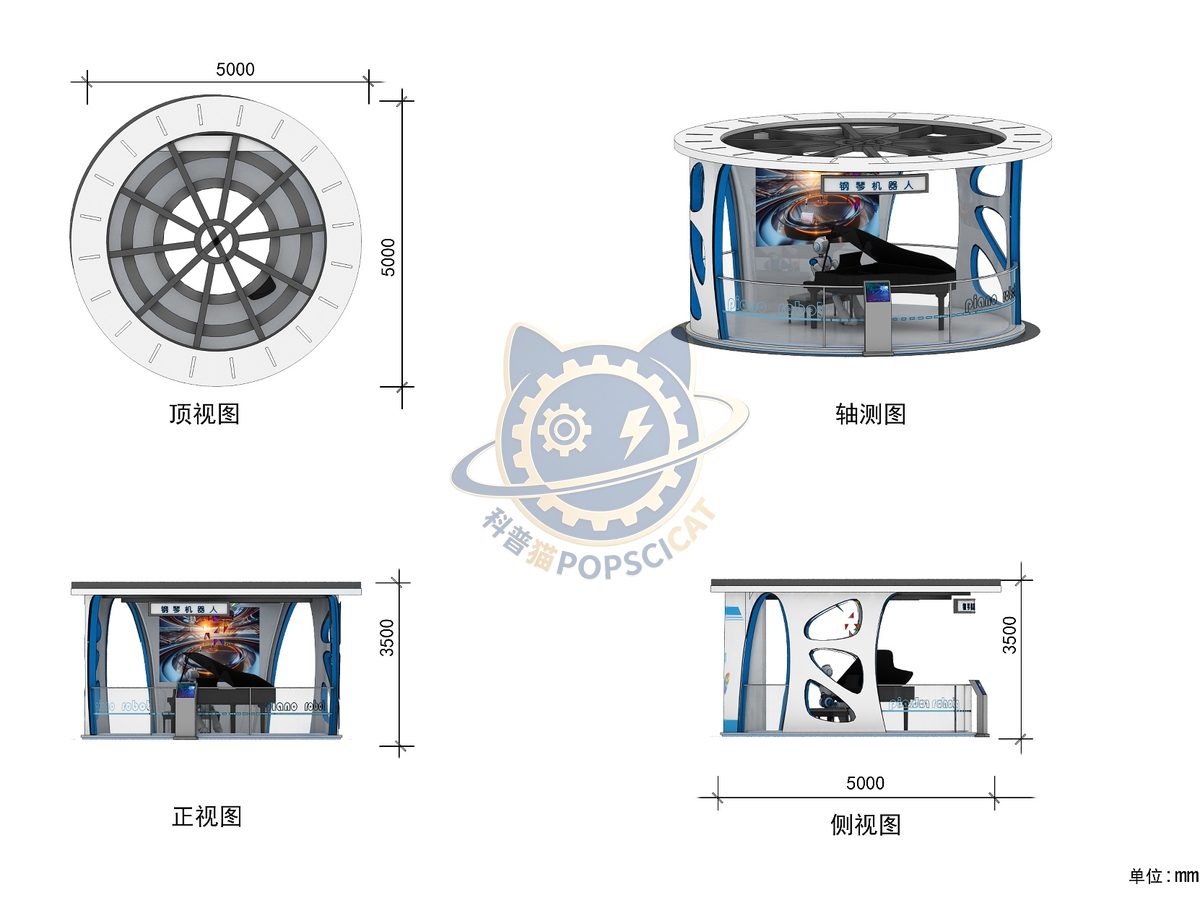
Mechanical fingers play a request chosen by the visitor.

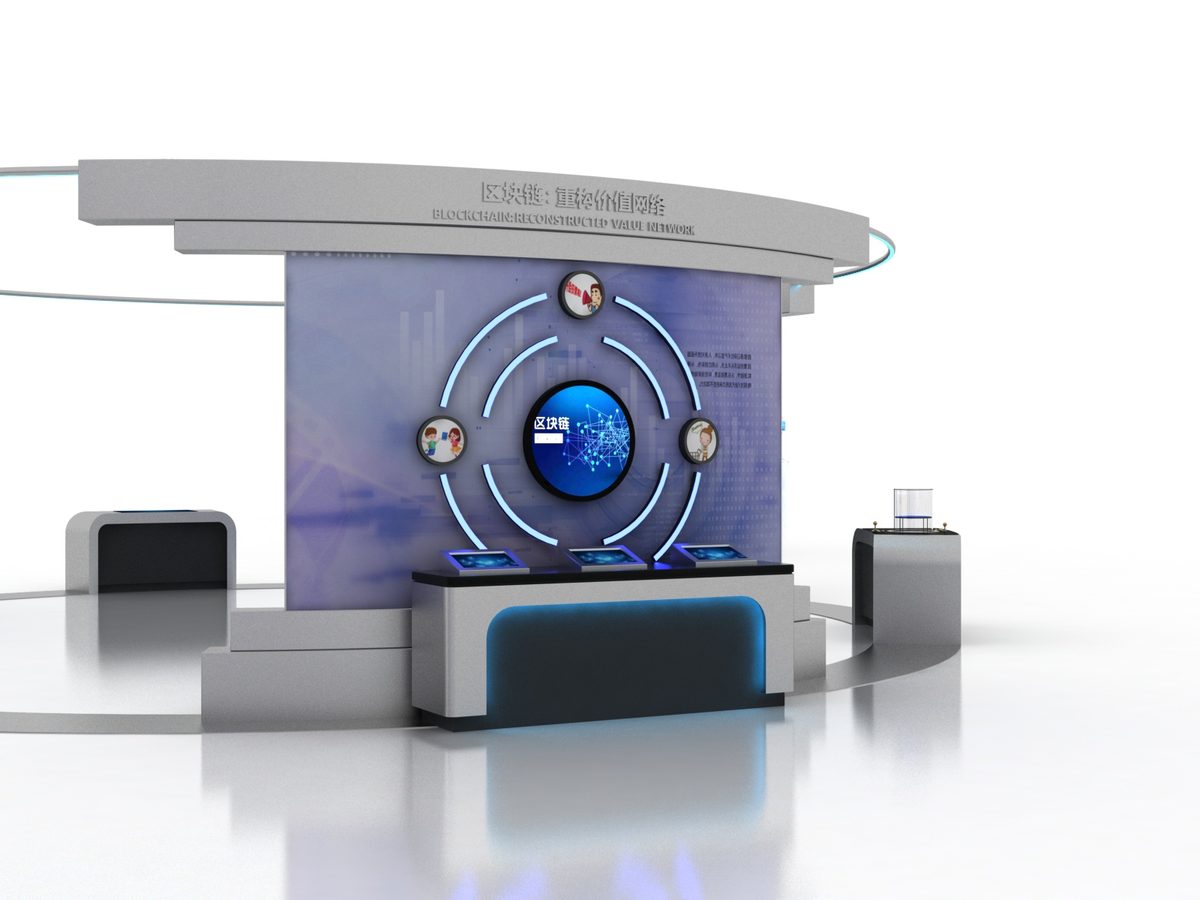
A chain of blocks that cannot be edited once the next one is added.

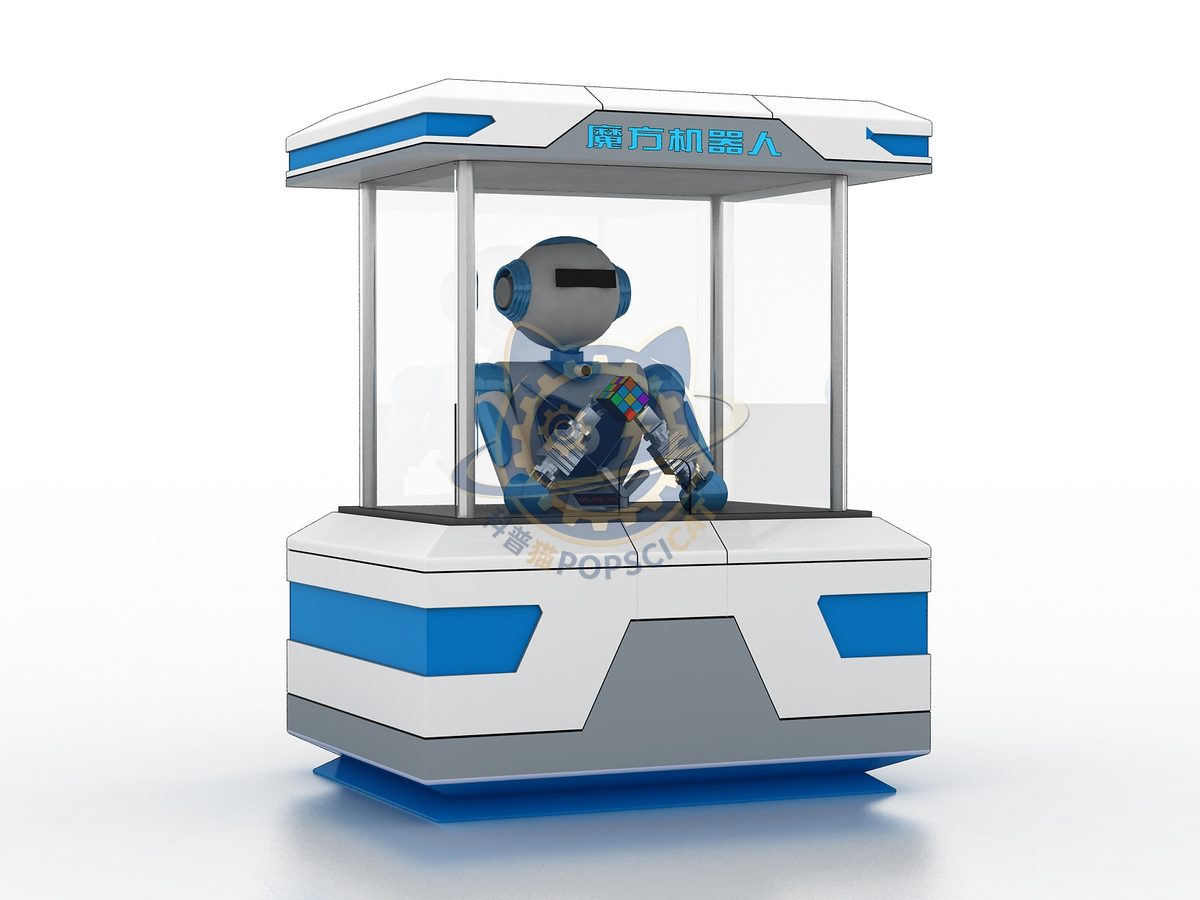
A camera reads a scrambled cube; the arm solves it in under a minute.
Attach a theme outline, a floor plan, or nothing at all — a photo of the space is enough to start. Quotations are issued against a real exhibit list, not per-square-metre guesses.
Scan to add us