In computer systems, the CPU (Central Processing Unit) and GPU (Graphics Processing Unit) play very important but…
| Category | Digital & AI |
|---|---|
| Standard size | Custom size |
| Supply | Single unit or batch · OEM to your drawing |
| Lead time | Standard 4–8 weeks after deposit (confirmed per contract) |
| Warranty | 1 year, structure and control |
| Documents | Specification sheet · control diagram · spare-part list |
A standard catalogue model: the dimensions, control package and finish are fixed, which is what keeps the price and the lead time predictable. Size, colour and interface language can be adapted without a new design cycle.
Standard models from this range are also listed in our online store, priced in USD — see the price yourself ↗
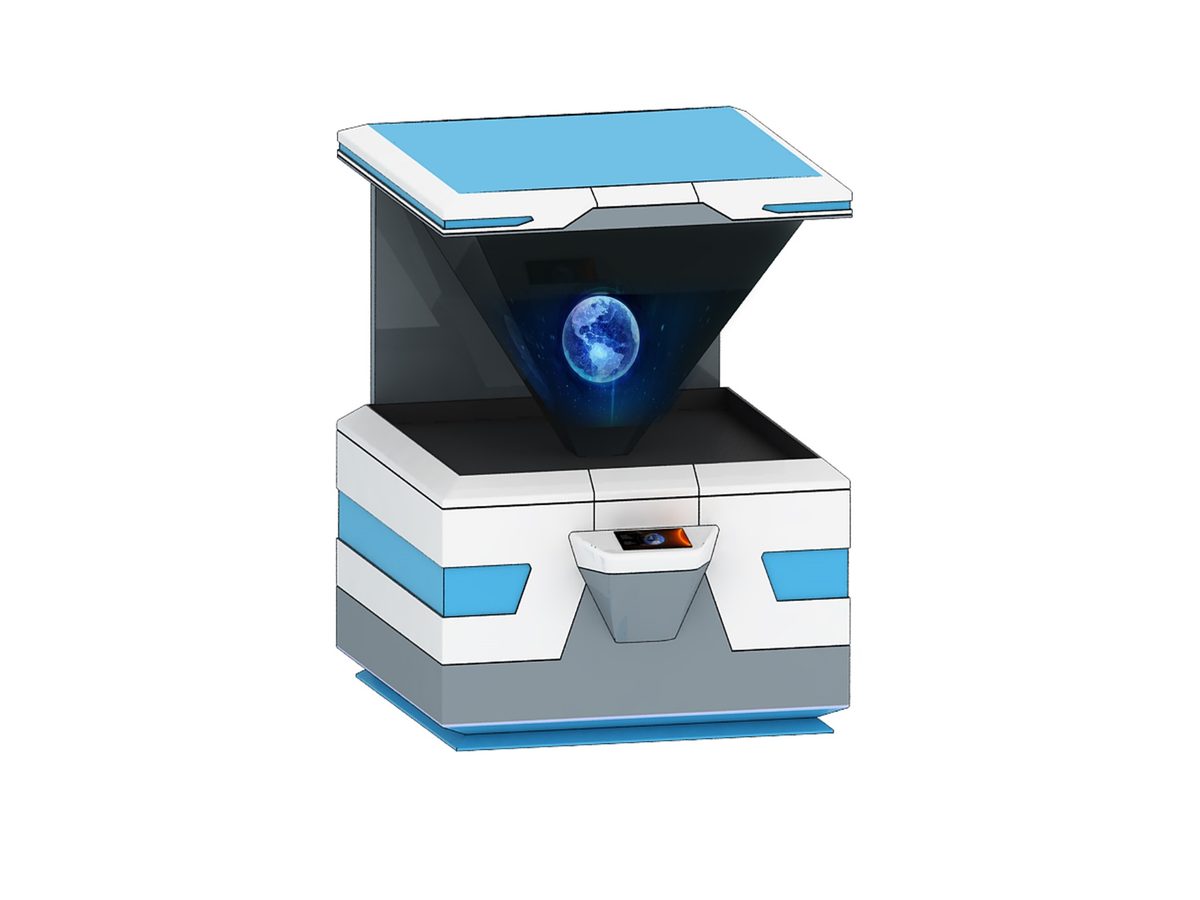
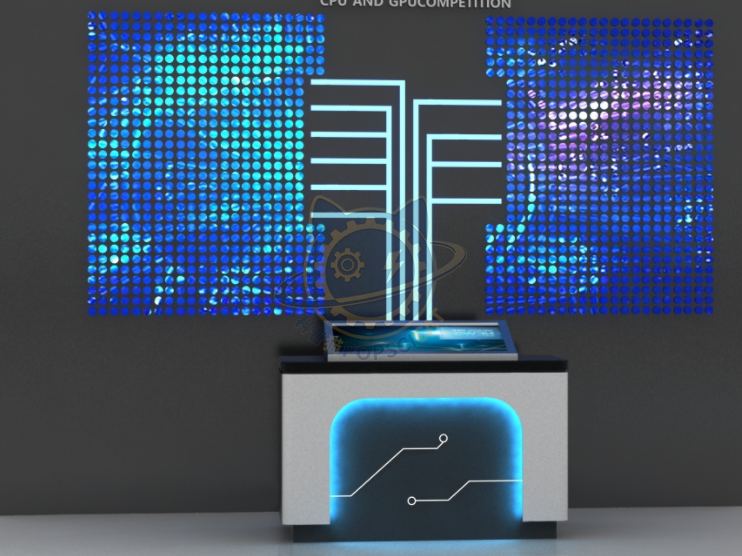
In computer systems, the CPU (Central Processing Unit) and GPU (Graphics Processing Unit) play very important but distinctly different roles. The CPU is the brain of a computer, which works together through multiple internal modules to execute various types of instructions, control computer operations, and enable the computer to perform complex tasks. GPU is a microprocessor specifically designed for processing images and graphics related operations. Its main function is to reduce the graphics card's dependence on the CPU and perform some of the tasks that were originally handled by the CPU.
The unit is designed for unsupervised public use: controls are recessed or shielded, moving parts are enclosed, and the interface is operable by a child of about six with no instruction. Where a screen is used, the language can be switched without changing the hardware, and the content can be replaced on site.
The CPU (Central Processing Unit) is mainly based on the principle of "stored program control" proposed by John von Neumann, and implements data processing and control functions through a series of complex circuits and logic units. The von Neumann architecture is the foundation of modern computer design, which defines the basic components and working principles of computers. This architecture mainly consists of five parts: input devices, output devices, memory, arithmetic units, and controllers. The CPU mainly corresponds to the arithmetic unit and controller parts. The working principle of a CPU can be roughly divided into four stages: instruction fetch, decoding, execution, and write back. Instruction retrieval: The CPU retrieves an instruction from memory through the program counter (PC) and stores it in the instruction register (IR). The program counter automatically increases after the instruction is retrieved, referring to.
Every unit leaves the factory after a running test: mechanisms cycled, electronics burned in, edges dressed, fixings torqued and marked. Wear parts — bearings, sliders, lamps, belts, touch panels — are modular and listed on the spare-part sheet, so a venue technician can replace them without returning the exhibit. Crating is plywood with foam blocking; the loading plan and packing list travel with the shipment.
Other models from the Digital & AI line, all held to the same specification and the same control package.

Hundreds of orbiting nodes light up to show global coverage.

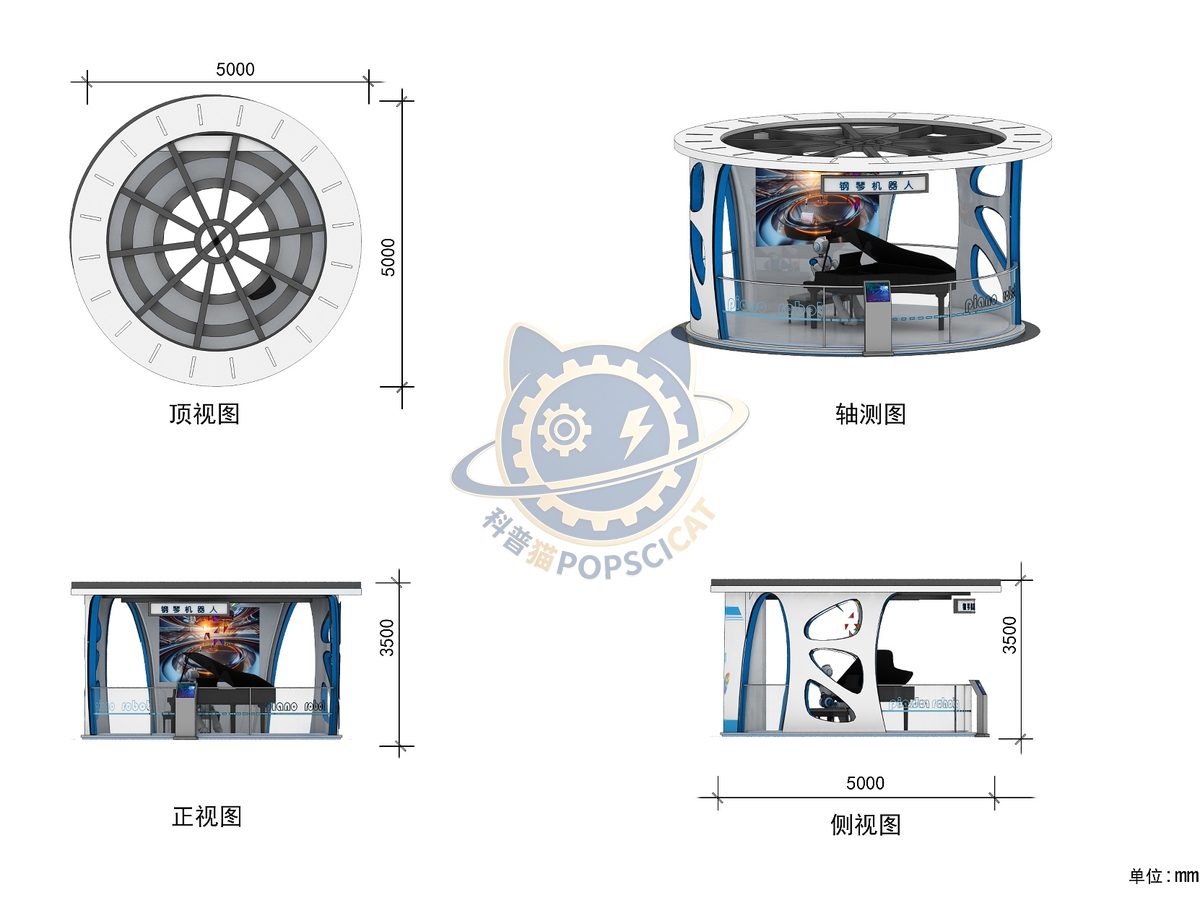
Mechanical fingers play a request chosen by the visitor.

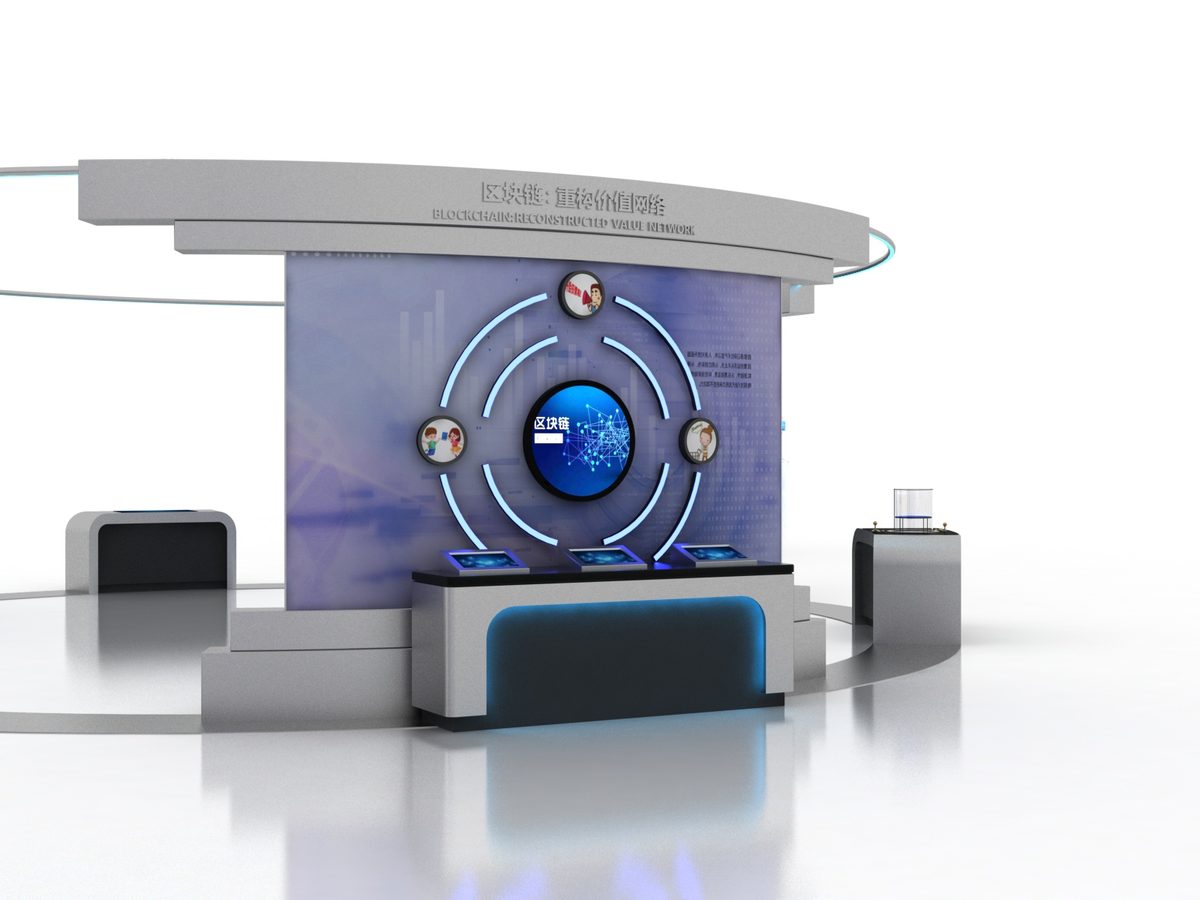
A chain of blocks that cannot be edited once the next one is added.

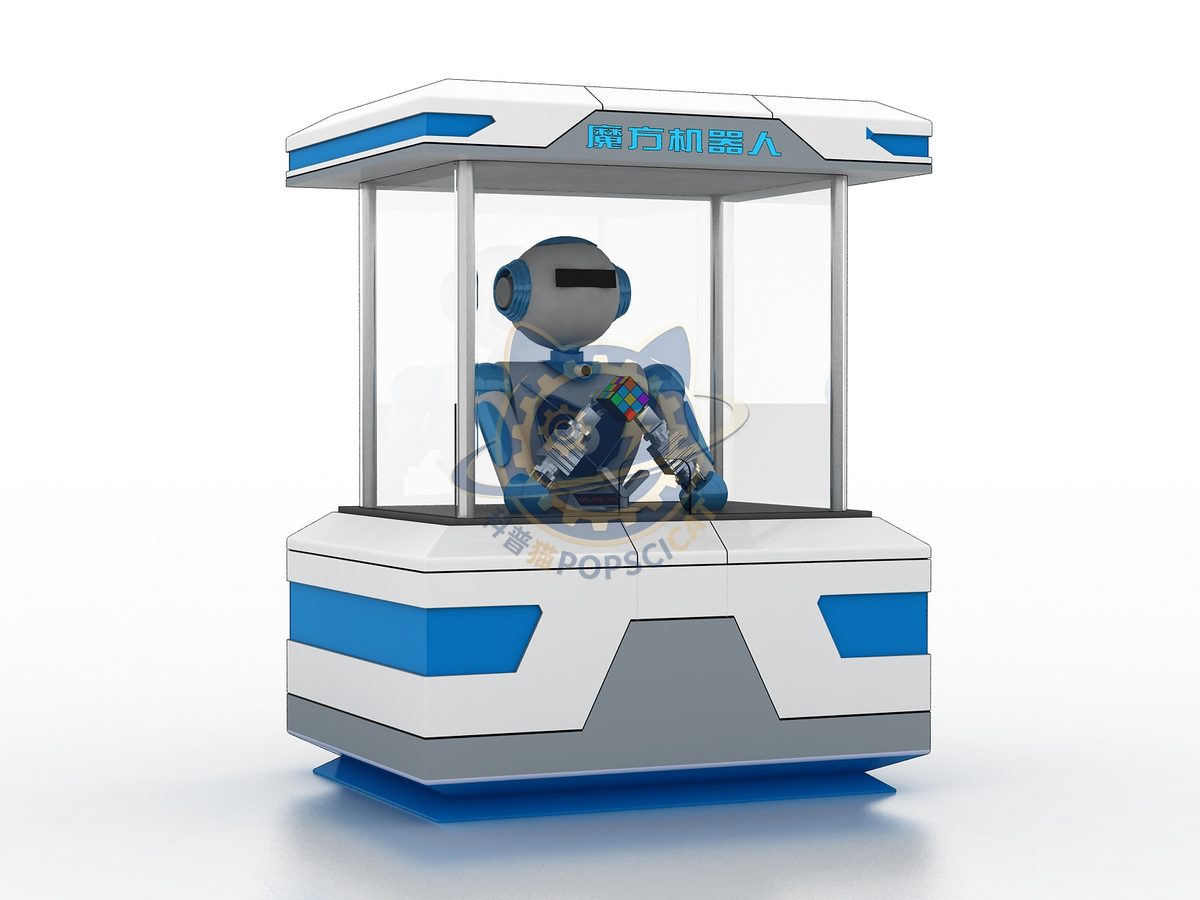
A camera reads a scrambled cube; the arm solves it in under a minute.
Attach a theme outline, a floor plan, or nothing at all — a photo of the space is enough to start. Quotations are issued against a real exhibit list, not per-square-metre guesses.
Scan to add us