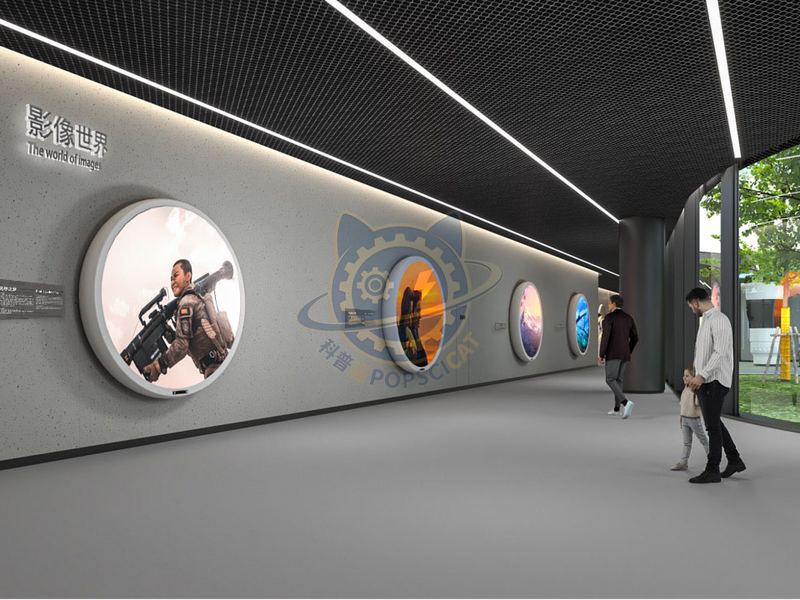
Image Vision - Resolution Movie screen resolution is an important indicator for measuring image quality.
| Category | Digital & AI |
|---|---|
| Standard size | Custom size |
| Supply | Single unit or batch · OEM to your drawing |
| Lead time | Standard 4–8 weeks after deposit (confirmed per contract) |
| Warranty | 1 year, structure and control |
| Documents | Specification sheet · control diagram · spare-part list |
A standard catalogue model: the dimensions, control package and finish are fixed, which is what keeps the price and the lead time predictable. Size, colour and interface language can be adapted without a new design cycle.
Standard models from this range are also listed in our online store, priced in USD — see the price yourself ↗

Image Vision - Resolution Movie screen resolution is an important indicator for measuring image quality. Early silent films had low resolution and were typically presented in blurry black and white images. In the 1950s, a wide range of screens were introduced, such as Cinerama and 70mm IMAX, which improved image resolution and immersion. Since 2000, with the production and screening of digital movies, the resolution of movies has been continuously improved, from 2K, 4K to 8K, bringing clearer images. Viewers can experience and compare the changes brought about by this technological advancement through sensory manipulation. Image perspective - Frame rate is the frequency at which a bitmap image appears continuously on a display in frames. Generally speaking, a high frame rate can result in smoother and more realistic dynamic images, which is an important indicator for measuring image quality. In the early era of silent films, the speed was usually between 16-24 frames per second.
The unit is designed for unsupervised public use: controls are recessed or shielded, moving parts are enclosed, and the interface is operable by a child of about six with no instruction. Where a screen is used, the language can be switched without changing the hardware, and the content can be replaced on site.
Movies were originally a form of pure visual art, where visuals play a crucial role and are one of the core components of film art. With the rapid development of communication technology and digital technology, the expressive power of visual effects in movies has been unprecedentedly enhanced. Nowadays, the three highs and one wide (high resolution, high frame rate, high dynamic range, and wide color gamut) have become the standards for people to pursue image quality. The implementation of these standards benefits from advanced digital image processing technology, high-definition display devices, and communication technology for high-speed data transmission. In the digital age, communication technology has not only changed the way movies are produced and watched, but also promoted the development of visual arts, creating a more diverse and colorful film world.
Every unit leaves the factory after a running test: mechanisms cycled, electronics burned in, edges dressed, fixings torqued and marked. Wear parts — bearings, sliders, lamps, belts, touch panels — are modular and listed on the spare-part sheet, so a venue technician can replace them without returning the exhibit. Crating is plywood with foam blocking; the loading plan and packing list travel with the shipment.
Other models from the Digital & AI line, all held to the same specification and the same control package.

Hundreds of orbiting nodes light up to show global coverage.

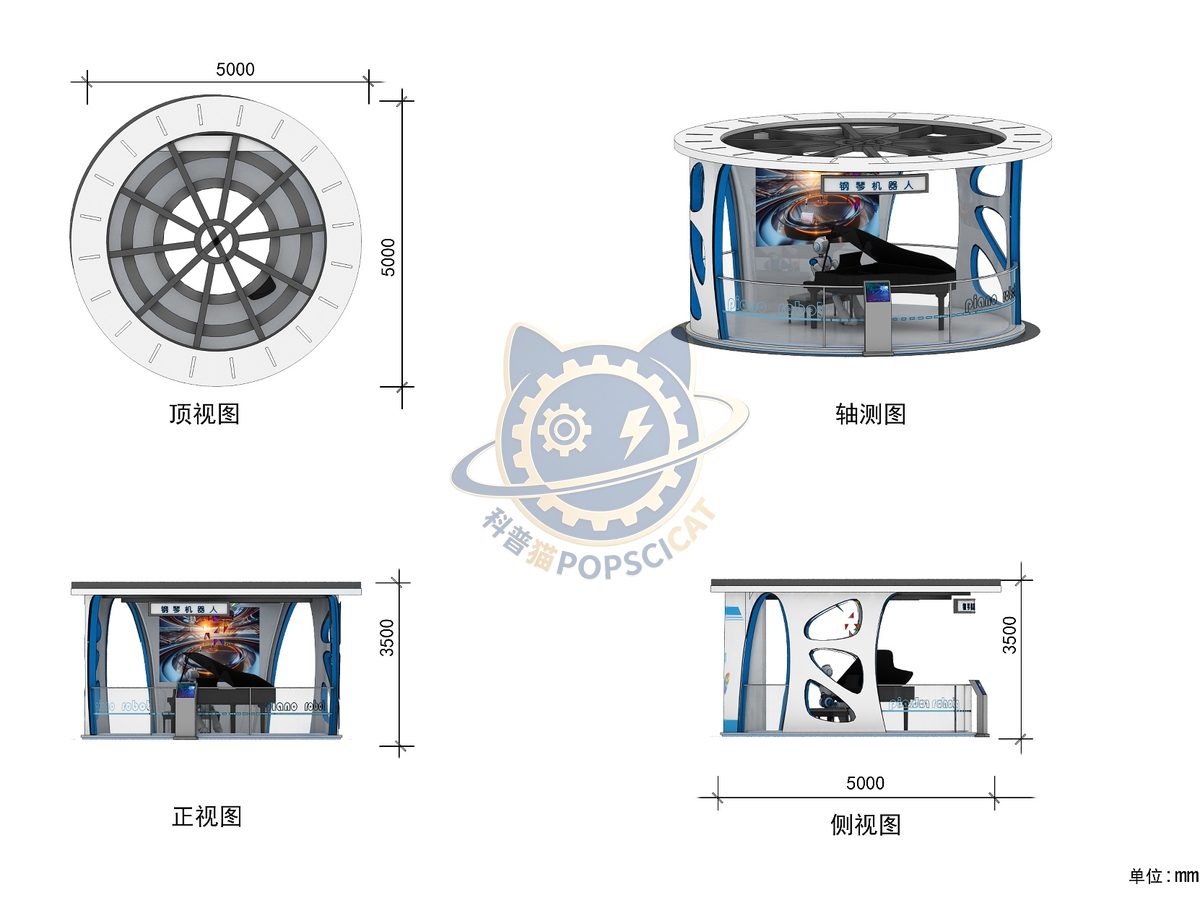
Mechanical fingers play a request chosen by the visitor.

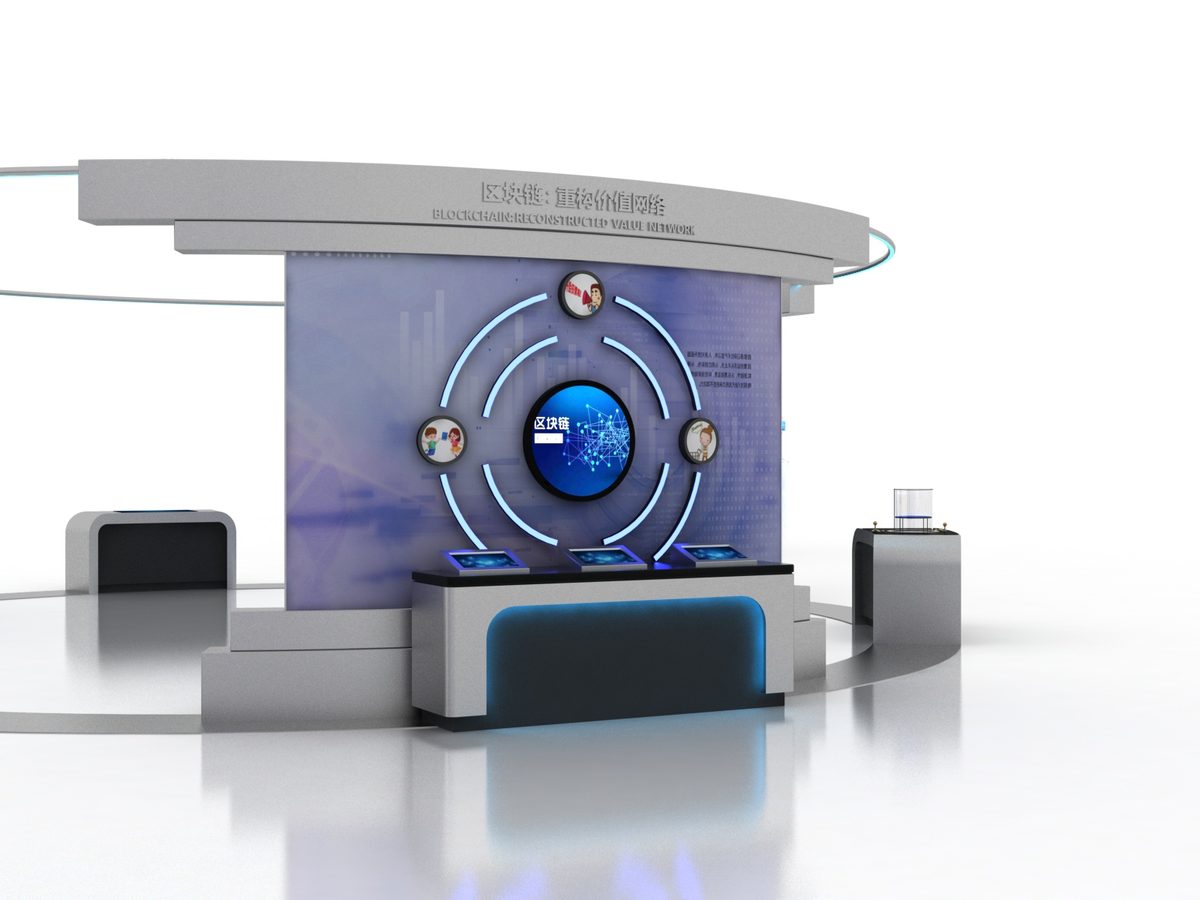
A chain of blocks that cannot be edited once the next one is added.

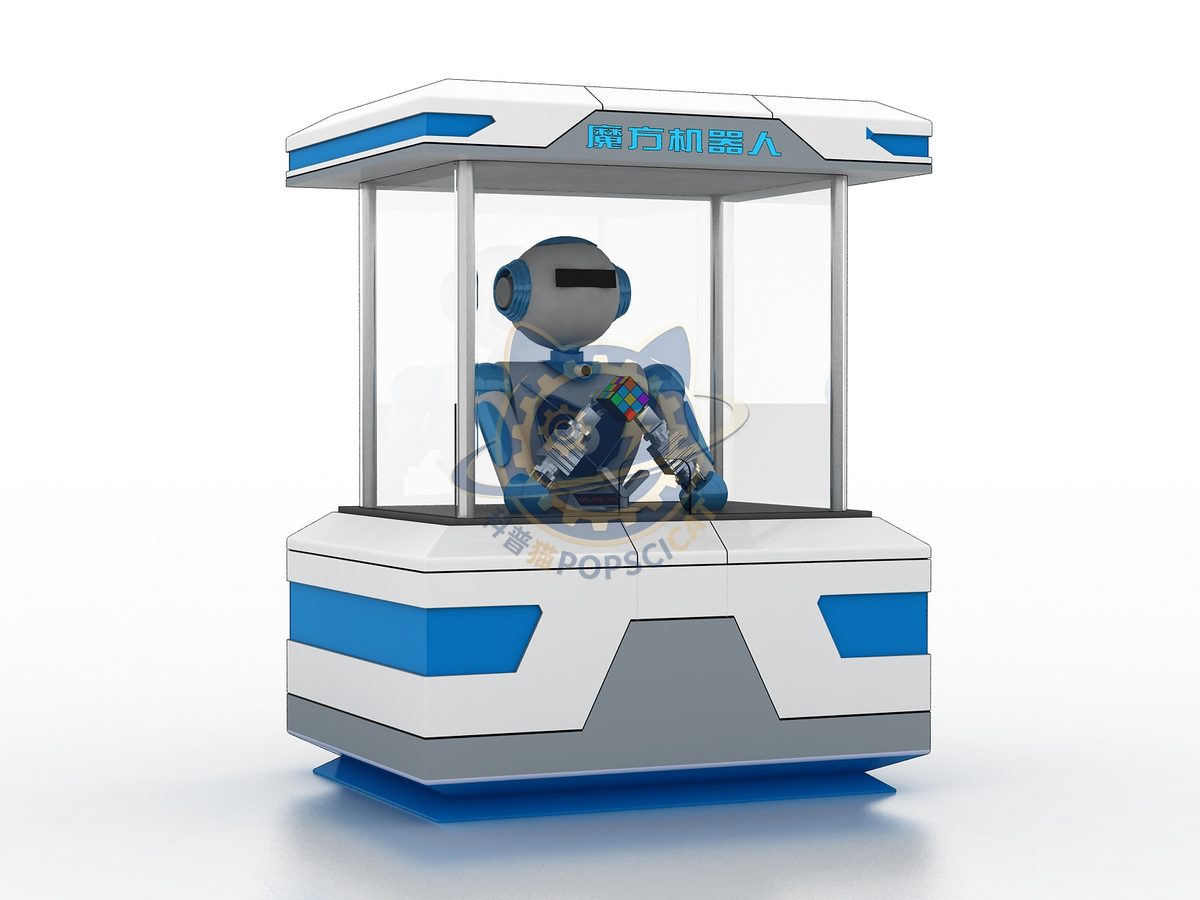
A camera reads a scrambled cube; the arm solves it in under a minute.
Attach a theme outline, a floor plan, or nothing at all — a photo of the space is enough to start. Quotations are issued against a real exhibit list, not per-square-metre guesses.
Scan to add us