There are two types of temperature sensing cells in your hands, one is sensitive to extreme heat or cold, and the…
| Category | Digital & AI |
|---|---|
| Standard size | Custom size |
| Supply | Single unit or batch · OEM to your drawing |
| Lead time | Standard 4–8 weeks after deposit (confirmed per contract) |
| Warranty | 1 year, structure and control |
| Documents | Specification sheet · control diagram · spare-part list |
A standard catalogue model: the dimensions, control package and finish are fixed, which is what keeps the price and the lead time predictable. Size, colour and interface language can be adapted without a new design cycle.
Standard models from this range are also listed in our online store, priced in USD — see the price yourself ↗
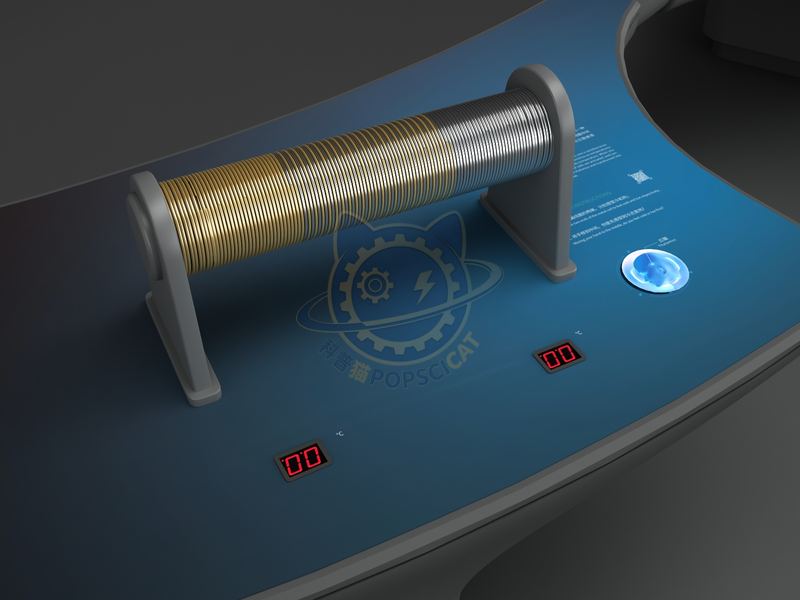
There are two types of temperature sensing cells in your hands, one is sensitive to extreme heat or cold, and the other is more sensitive to temperatures close to body temperature (within a range of 10 ℃). When your hand touches the middle of the coil, both types of cells are activated simultaneously, transmitting conflicting information to the brain, making you feel abnormally warm or cold.
The unit is designed for unsupervised public use: controls are recessed or shielded, moving parts are enclosed, and the interface is operable by a child of about six with no instruction. Where a screen is used, the language can be switched without changing the hardware, and the content can be replaced on site.
The thalamus is the advanced center of sensation and the most important relay station for sensory transmission. The transmission pathways of various sensations throughout the body (except for smell) replace neurons in the thalamus and project them to the cerebral cortex as the temperature regulation center. There are many thermosensitive and thermosensitive neurons in the hypothalamus that sense temperature changes, and they set the standard body temperature at 37 ℃. So, the body temperature of a normal person is between 36.2-37.2 ℃, and the temperature difference between day and night does not exceed 1 ℃. The circulating blood continuously transmits signals of temperature changes to temperature control neurons, which constantly monitor changes in body temperature. Once the deep body temperature deviates from the normal range, the hypothalamus immediately initiates programs for heat production, preservation, or dissipation.
Every unit leaves the factory after a running test: mechanisms cycled, electronics burned in, edges dressed, fixings torqued and marked. Wear parts — bearings, sliders, lamps, belts, touch panels — are modular and listed on the spare-part sheet, so a venue technician can replace them without returning the exhibit. Crating is plywood with foam blocking; the loading plan and packing list travel with the shipment.
Other models from the Digital & AI line, all held to the same specification and the same control package.

Hundreds of orbiting nodes light up to show global coverage.

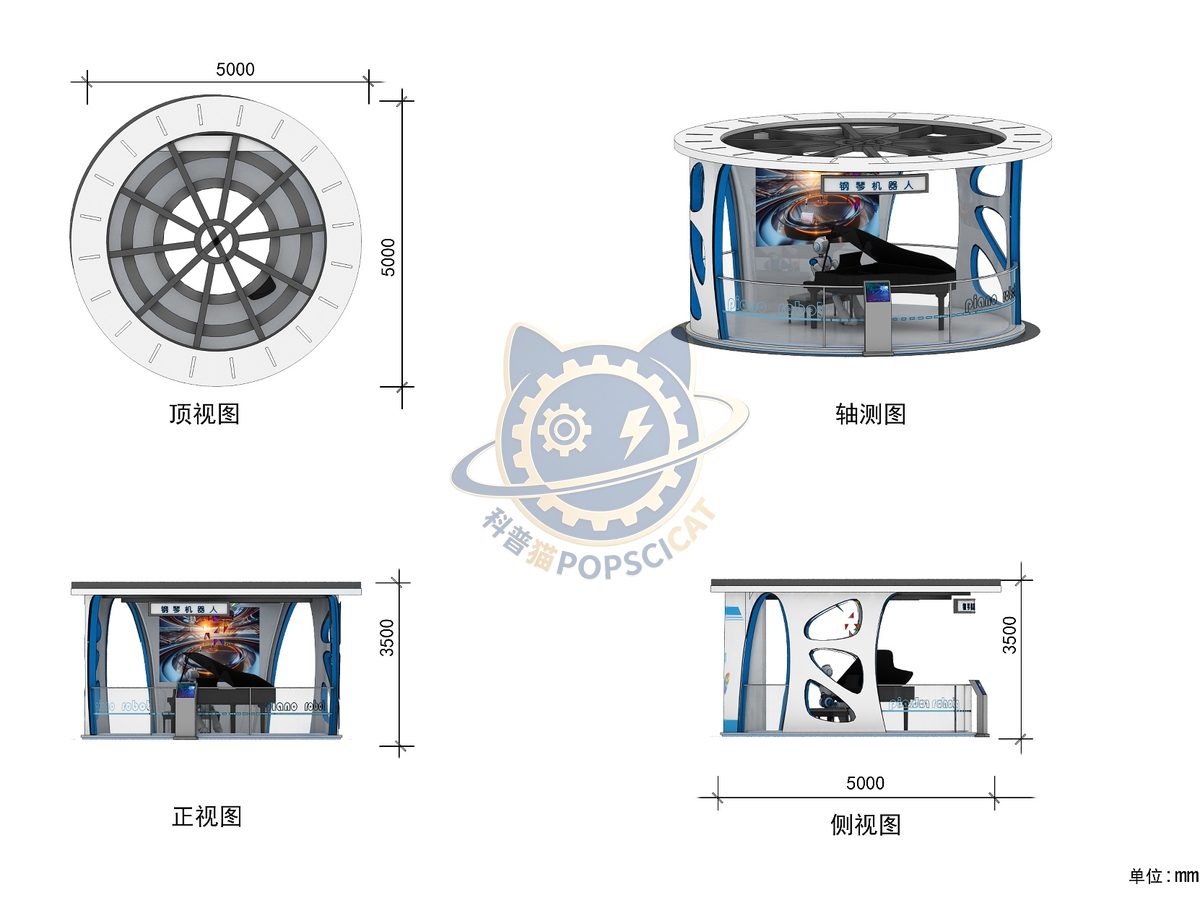
Mechanical fingers play a request chosen by the visitor.

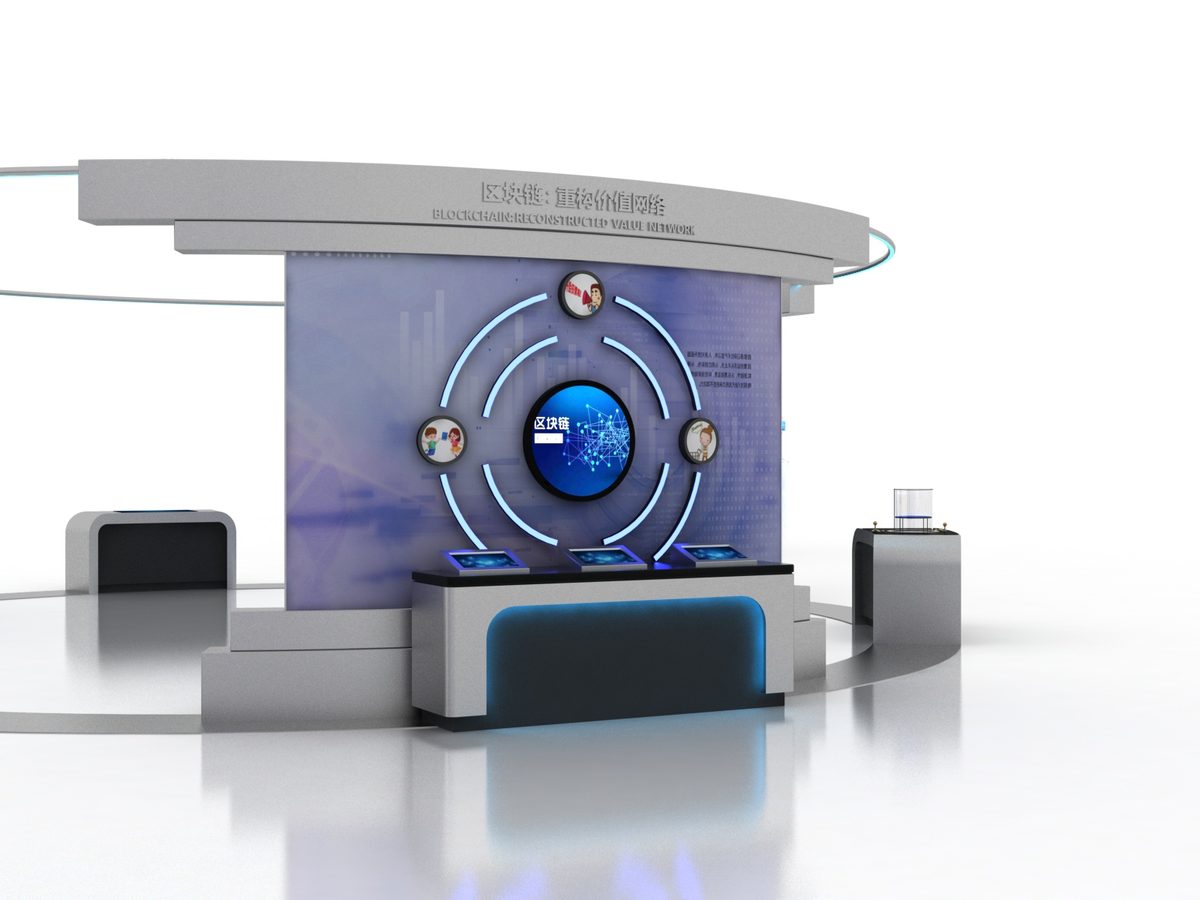
A chain of blocks that cannot be edited once the next one is added.

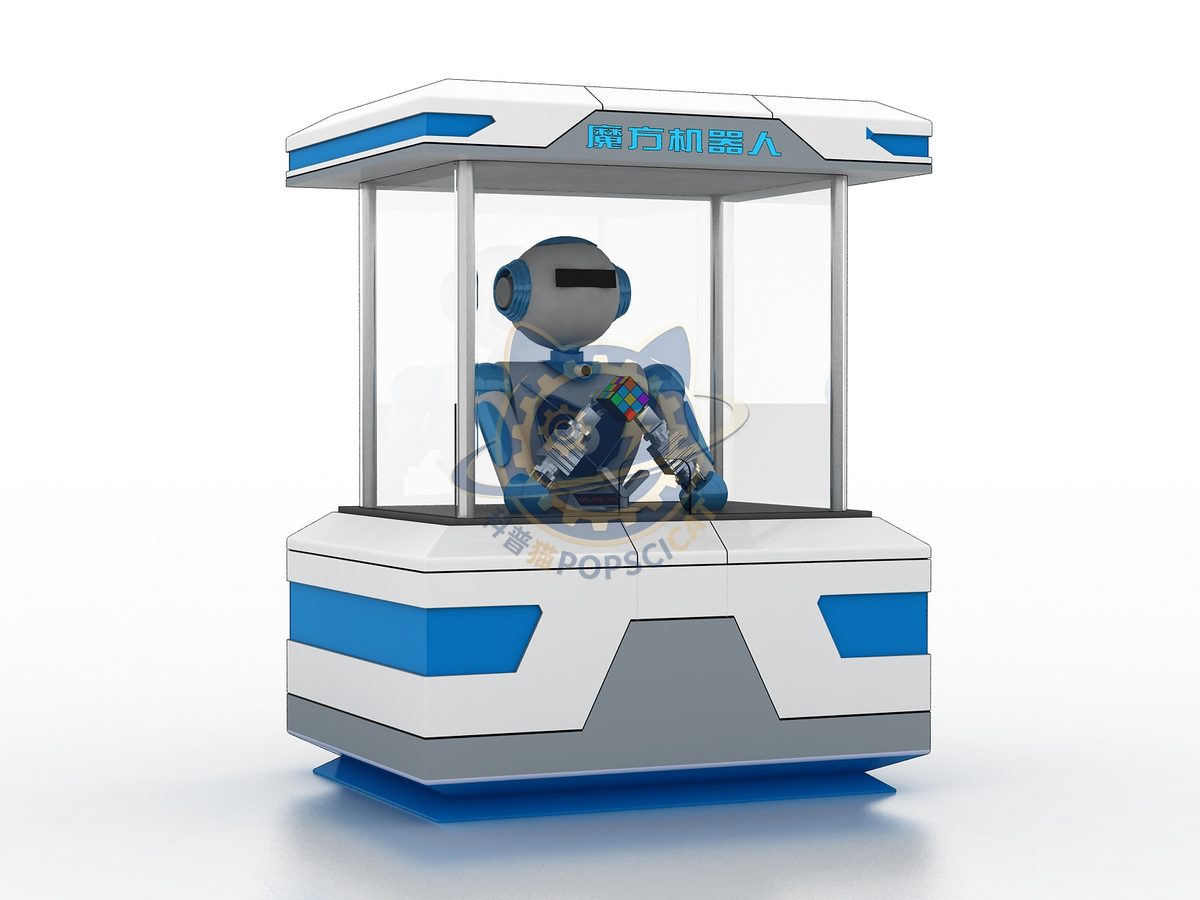
A camera reads a scrambled cube; the arm solves it in under a minute.
Attach a theme outline, a floor plan, or nothing at all — a photo of the space is enough to start. Quotations are issued against a real exhibit list, not per-square-metre guesses.
Scan to add us