The Turing test is a testing method proposed by digital computer pioneer Alan Turing in 1950, aimed at evaluating…
| Category | Digital & AI |
|---|---|
| Standard size | Custom size |
| Supply | Single unit or batch · OEM to your drawing |
| Lead time | Standard 4–8 weeks after deposit (confirmed per contract) |
| Warranty | 1 year, structure and control |
| Documents | Specification sheet · control diagram · spare-part list |
A standard catalogue model: the dimensions, control package and finish are fixed, which is what keeps the price and the lead time predictable. Size, colour and interface language can be adapted without a new design cycle.
Standard models from this range are also listed in our online store, priced in USD — see the price yourself ↗
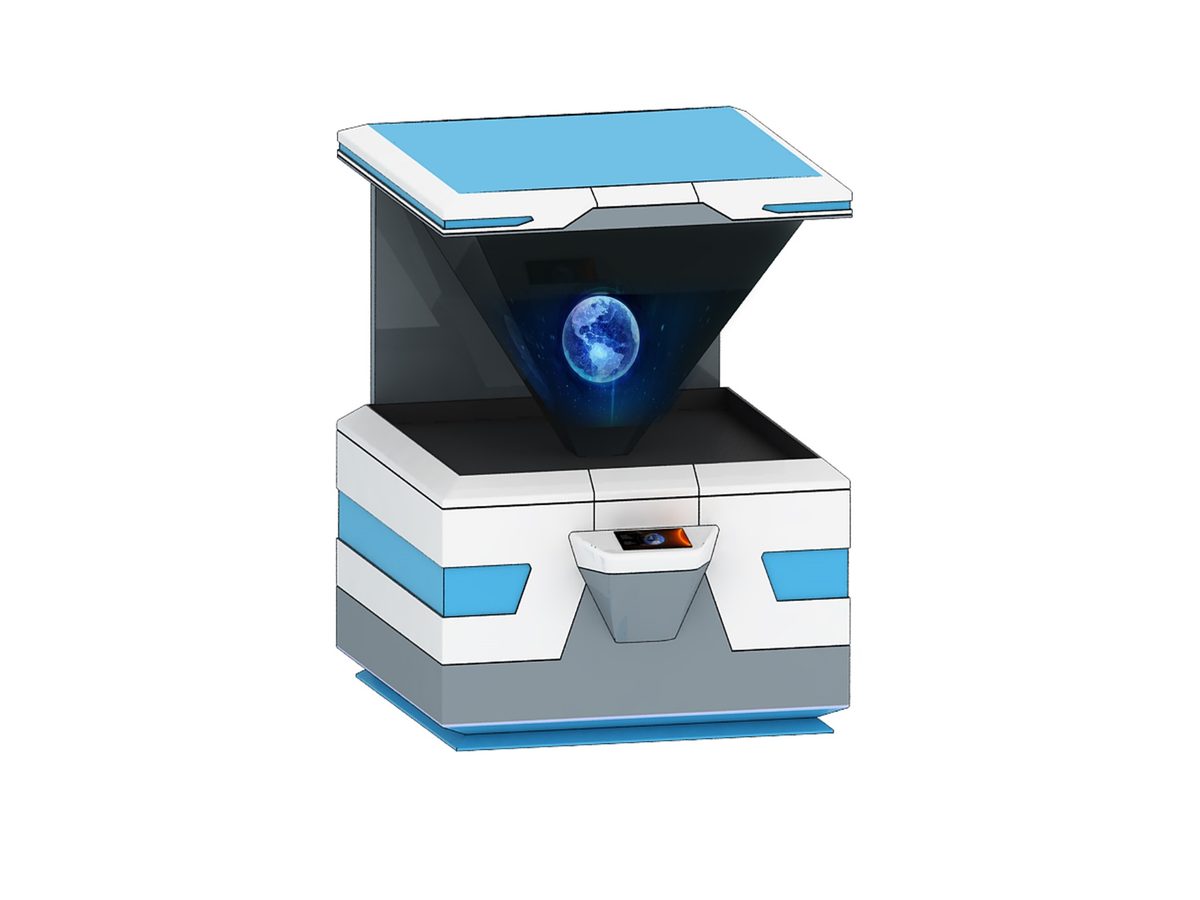
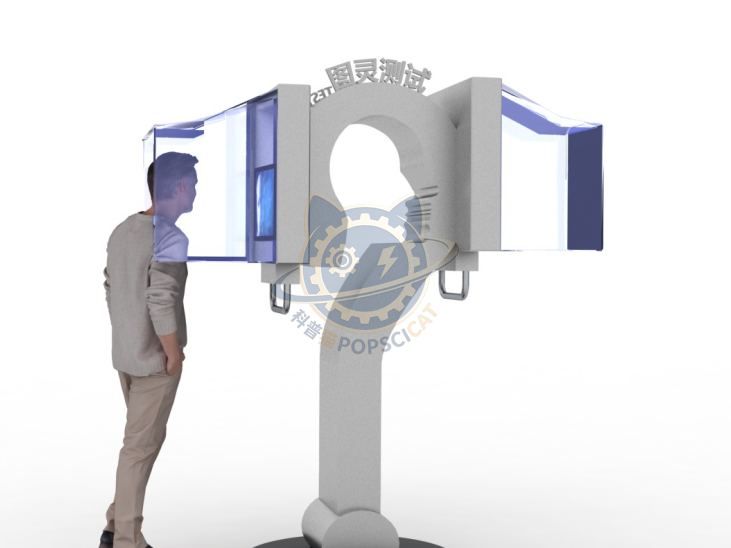
The Turing test is a testing method proposed by digital computer pioneer Alan Turing in 1950, aimed at evaluating whether machines possess human intelligence. The basic process of testing is that the tester communicates with two invisible responders through a keyboard and screen, one of whom is a human and the other is a machine. If the tester cannot reliably distinguish which respondent is a human and which is a machine, it is considered that the machine has passed the Turing test and demonstrated human level intelligence.
The unit is designed for unsupervised public use: controls are recessed or shielded, moving parts are enclosed, and the interface is operable by a child of about six with no instruction. Where a screen is used, the language can be switched without changing the hardware, and the content can be replaced on site.
The Turing test evaluates whether the test subject (machine or human) can perform sufficiently intelligently in a conversation by asking various questions, making it difficult for the questioner to distinguish whether they are human or machine. If the questioner is unable to accurately distinguish whether the respondent is a human or a machine, then the machine is considered to have passed the Turing test, indicating intelligence. Test environment: Testers and test subjects (one person and one machine) are separated and communicate through some devices (such as a keyboard). Questioning method: Testers can ask various questions to the subjects, which can be word games, answering questions, or any form of communication. Judgment criteria: If the tester cannot consistently distinguish between human participants and machine participants, then the machine can be said to have passed the Turing test. Usually, this standard is determined by calculating the false positive rate of testers, for example, if there are more than 30% of tests.
Every unit leaves the factory after a running test: mechanisms cycled, electronics burned in, edges dressed, fixings torqued and marked. Wear parts — bearings, sliders, lamps, belts, touch panels — are modular and listed on the spare-part sheet, so a venue technician can replace them without returning the exhibit. Crating is plywood with foam blocking; the loading plan and packing list travel with the shipment.
Other models from the Digital & AI line, all held to the same specification and the same control package.

Hundreds of orbiting nodes light up to show global coverage.

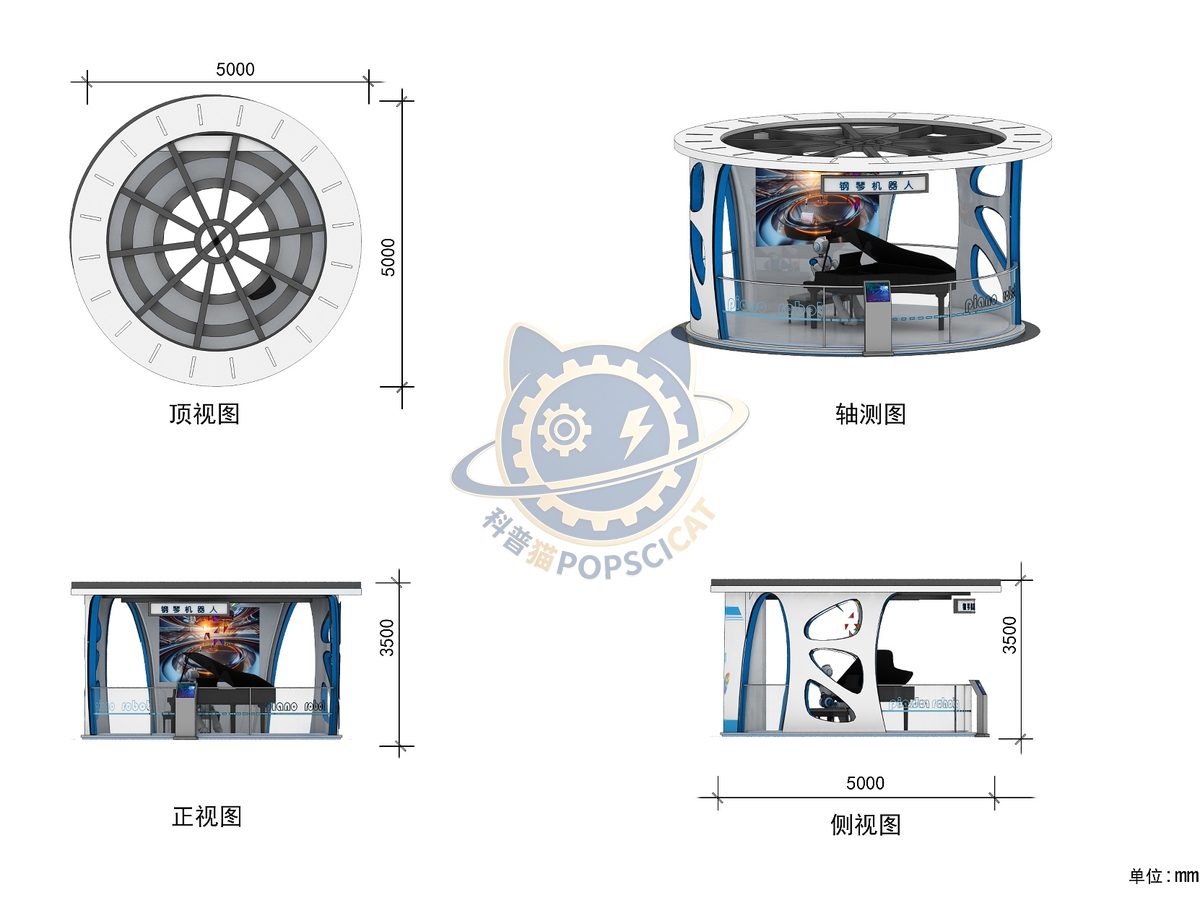
Mechanical fingers play a request chosen by the visitor.

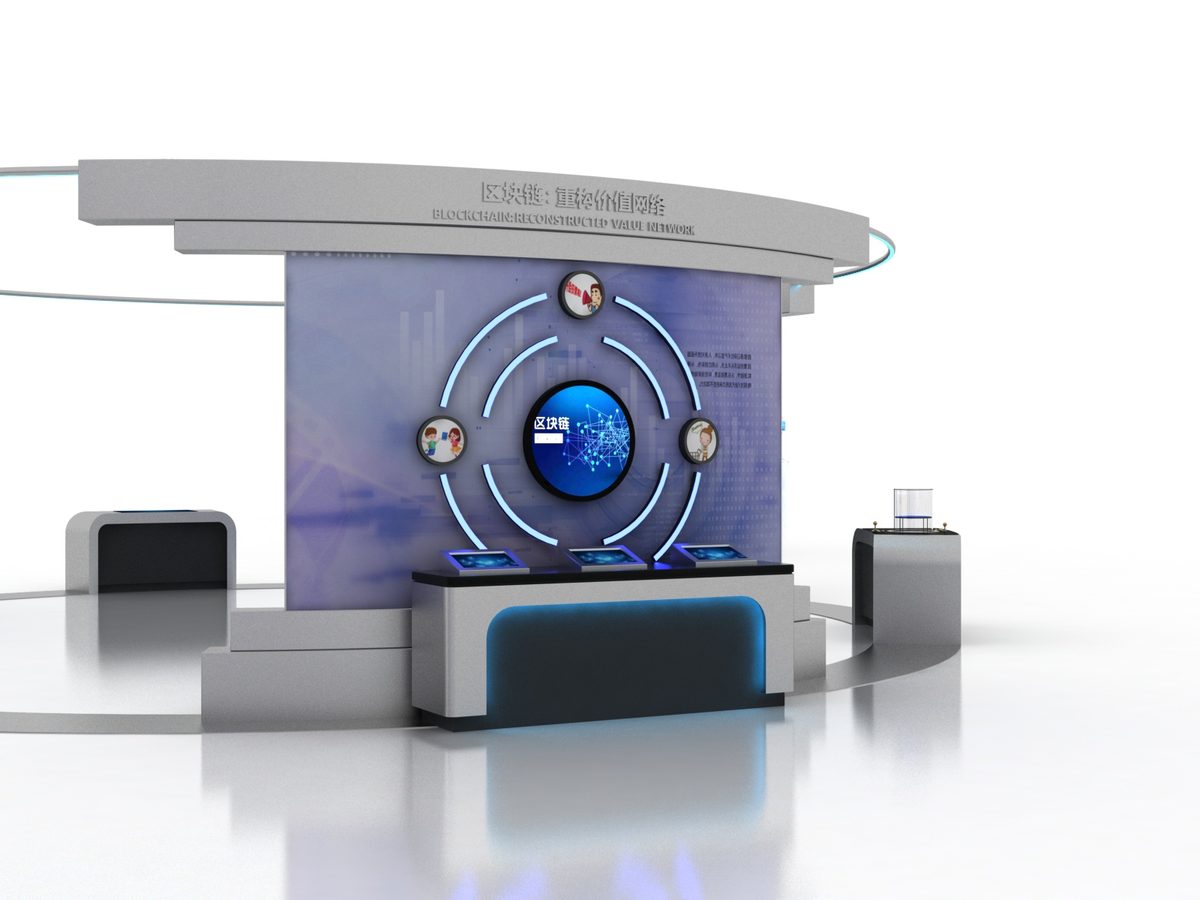
A chain of blocks that cannot be edited once the next one is added.

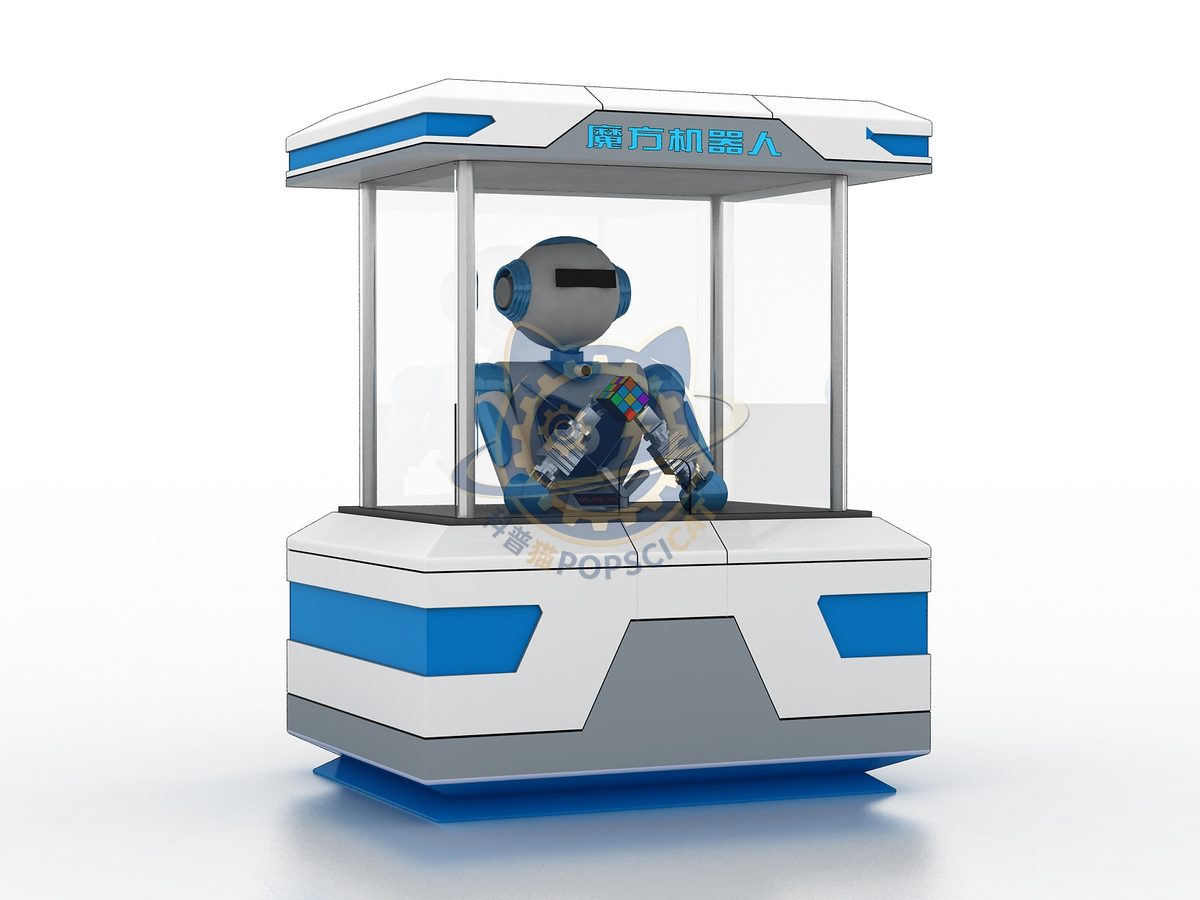
A camera reads a scrambled cube; the arm solves it in under a minute.
Attach a theme outline, a floor plan, or nothing at all — a photo of the space is enough to start. Quotations are issued against a real exhibit list, not per-square-metre guesses.
Scan to add us