The Bailey bridge is a truss bridge that was quickly assembled from pre-designed steel trusses by British engineer Donald Bailey during World War II…
| Category | Children's Discovery |
|---|---|
| Interaction | Open-ended, hands-on play |
| Standard size | Built to your floor plan |
| Power | 100–240 V AC, 50/60 Hz, single phase — universal input; no step-down transformer or motor re-tap |
| Supply | Single unit or batch · OEM to your drawing |
| Lead time | Standard 3–6 weeks after deposit (confirmed per contract) |
| Warranty | 1 year, structure and control |
| Documents | Specification sheet · control diagram · spare-part list |
A standard catalogue model: the dimensions, control package and finish are fixed, which is what keeps the price and the lead time predictable. Size, colour and interface language can be adapted without a new design cycle.
Standard models from this range are also listed in our online store, priced in USD — see the price yourself ↗
The Bailey bridge is a truss bridge that was quickly assembled from pre-designed steel trusses by British engineer Donald Bailey during World War II to solve the problem of troops crossing rivers. From a mechanical point of view, the upper longitudinal beam presses against the crossbeam, and the crossbeam presses against the opposite longitudinal beam. The upper and lower longitudinal beams sandwich a crossbeam, preventing it from moving, resulting in a simple and stable structure. Let children learn the principles of truss bridges during the construction process. It is built for unsupervised public use: surfaces are robust and wipe-clean, there are no loose parts, and the interface works without instruction, so a child of about six can operate it on a busy floor.
Interaction type: Open-ended, hands-on play. The unit is designed for unsupervised public use: controls are recessed or shielded, moving parts are enclosed, and the interface is operable by a child of about six with no instruction. Where a screen is used, the language can be switched without changing the hardware, and the content can be replaced on site.
Every unit leaves the factory after a running test: mechanisms cycled, electronics burned in, edges dressed, fixings torqued and marked. Wear parts — bearings, sliders, lamps, belts, touch panels — are modular and listed on the spare-part sheet, so a venue technician can replace them without returning the exhibit. Crating is plywood with foam blocking; the loading plan and packing list travel with the shipment.
Other models from the Children's Discovery line, all held to the same specification and the same control package.

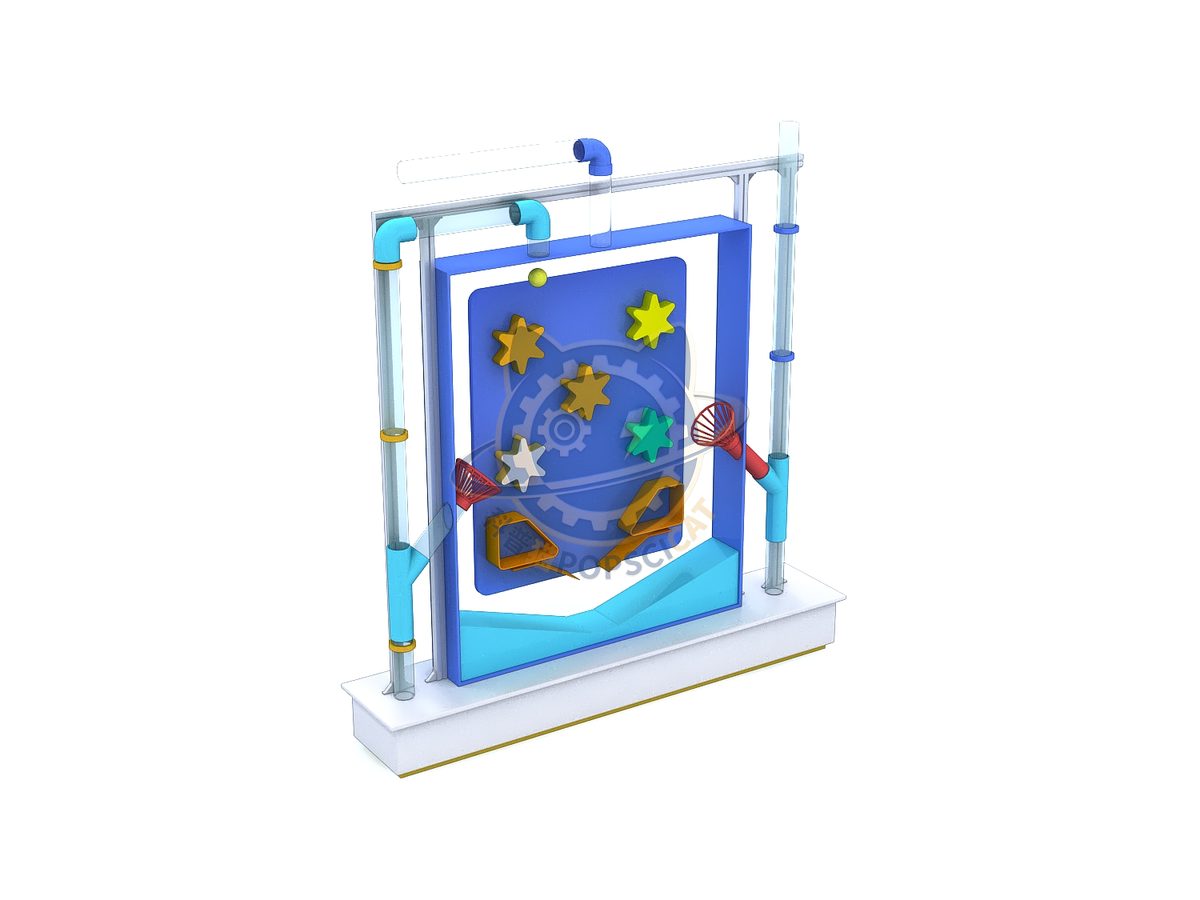
A wheel that lifts balls and returns them by gravity.

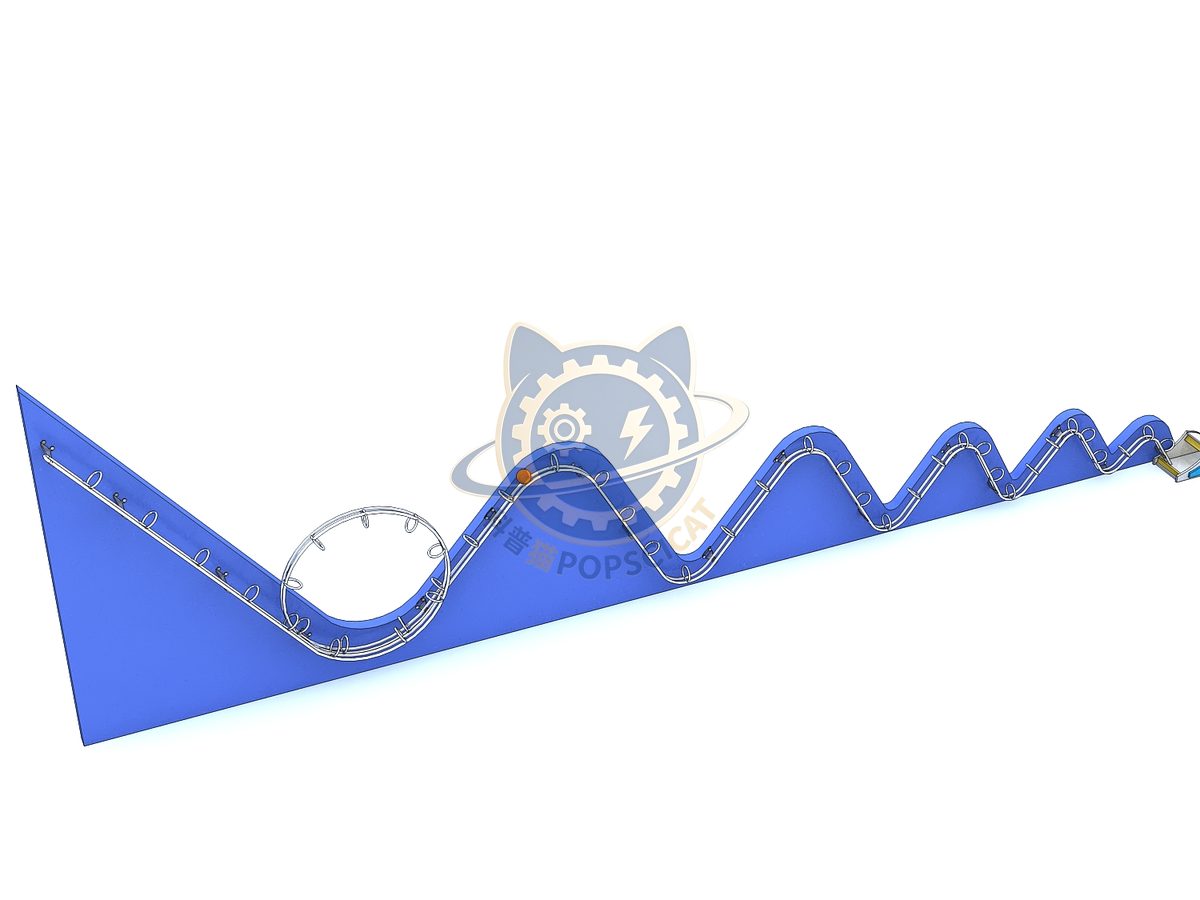
A steel track for steel balls with a hand-cranked lift hill.

A padded tunnel with peepholes and a sound at the far end.

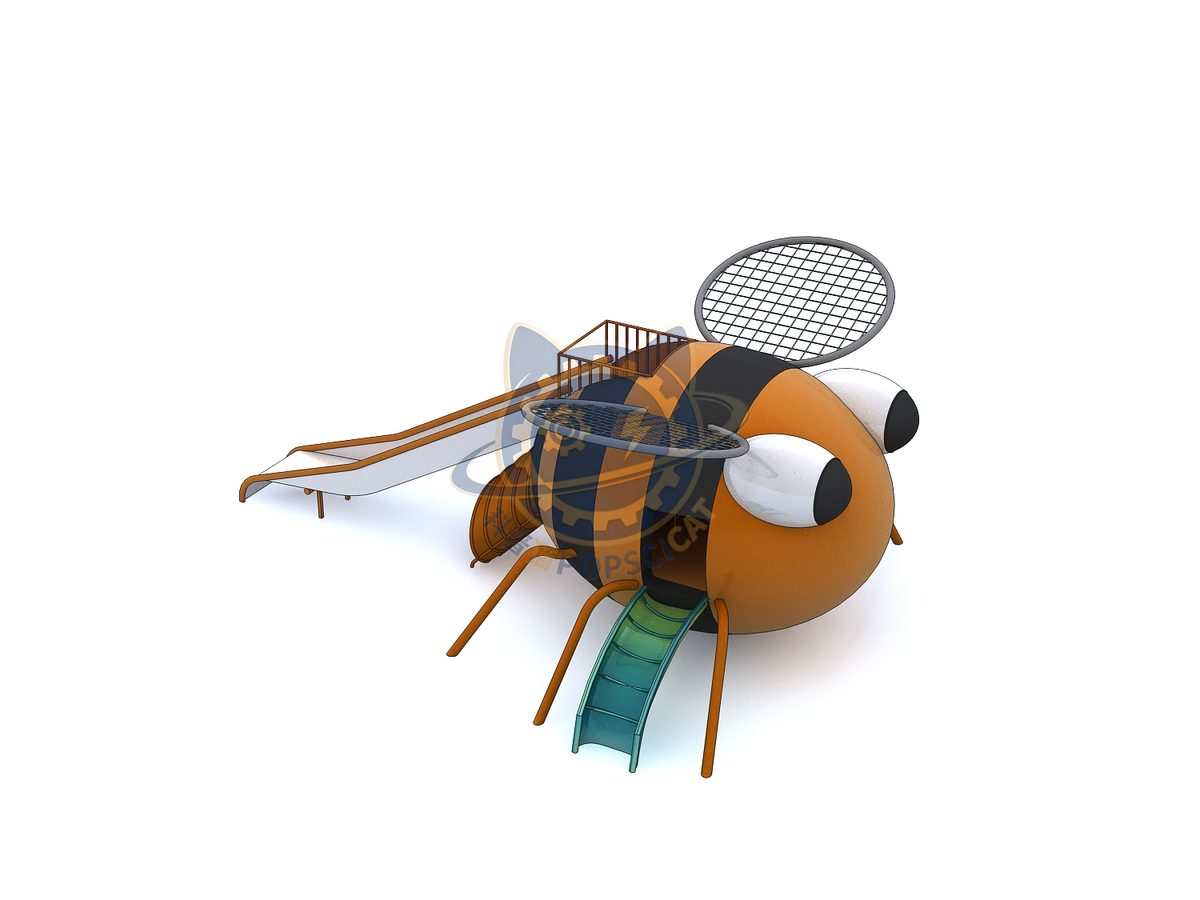
A soft-edged climbing frame with a slide and a lookout deck.
Attach a theme outline, a floor plan, or nothing at all — a photo of the space is enough to start. Quotations are issued against a real exhibit list, not per-square-metre guesses.
Prefer to see the floor before you commit? Factory visits and third-party inspections are welcome.