| Category | Children's Discovery |
|---|---|
| Interaction | Open-ended, hands-on play |
| Standard size | Built to your floor plan |
| Power | 100–240 V AC, 50/60 Hz, single phase — universal input; no step-down transformer or motor re-tap |
| Supply | Single unit or batch · OEM to your drawing |
| Lead time | Standard 3–6 weeks after deposit (confirmed per contract) |
| Warranty | 1 year, structure and control |
| Documents | Specification sheet · control diagram · spare-part list |
A standard catalogue model: the dimensions, control package and finish are fixed, which is what keeps the price and the lead time predictable. Size, colour and interface language can be adapted without a new design cycle.
Standard models from this range are also listed in our online store, priced in USD — see the price yourself ↗
I. Purpose of the Exhibit The exhibit features various curved pipes within the booth. By tapping the pipe openings, different tones are produced, allowing participants to understand the principles governing sound vibration frequencies. II. Scientific Principle Each pipe has a different length, and therefore a different natural frequency. When the mouth of the pipe is struck, sound waves are generated. Sound waves with the same natural frequency as the pipe will resonate inside the pipe, producing a clear sound. Sound waves with a different natural frequency from the pipe will quickly weaken and eventually disappear inside the pipe. The pitch of the tone depends on the natural frequency. The longer the pipe, the lower the natural frequency, and the lower the sound heard. The opposite is true for shorter pipes. Therefore, different pipes produce sounds of different pitches. III. Functional Description (Technical Plan) The exhibit consists of closed, curved pipes of varying lengths, a display stand, beaters, and other components. The stand is not enclosed, allowing for a clear view of the pipe shapes. The pipe openings that protrude from the platform correspond one-to-one with the musical notes affixed to the platform. The beaters are secured to the platform with elastic cords to prevent them from falling or getting lost. When participating, visitors pick up the mallet and tap on different pipe openings to hear sounds of different pitches. They can freely tap on the pipe openings to create a melody, or they can play a piece of music according to the score on the table. 4. Operating Instructions Pick up the mallet and tap on each of the pipes on the stand. Try to tap rhythmically to play a melody. It is built for unsupervised public use: surfaces are robust and wipe-clean, there are no loose parts, and the interface works without instruction, so a child of about six can operate it on a busy floor.
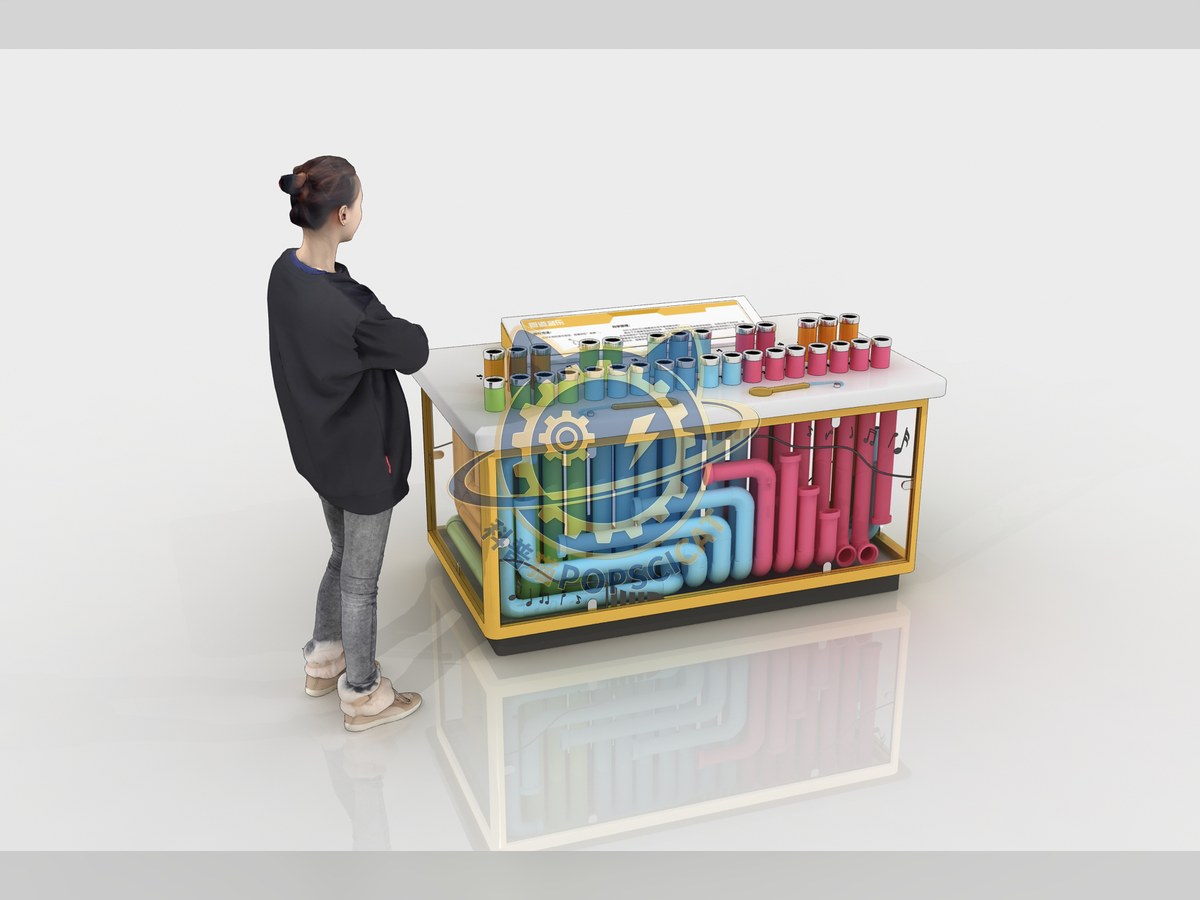
Interaction type: Open-ended, hands-on play. The unit is designed for unsupervised public use: controls are recessed or shielded, moving parts are enclosed, and the interface is operable by a child of about six with no instruction. Where a screen is used, the language can be switched without changing the hardware, and the content can be replaced on site.
Every unit leaves the factory after a running test: mechanisms cycled, electronics burned in, edges dressed, fixings torqued and marked. Wear parts — bearings, sliders, lamps, belts, touch panels — are modular and listed on the spare-part sheet, so a venue technician can replace them without returning the exhibit. Crating is plywood with foam blocking; the loading plan and packing list travel with the shipment.
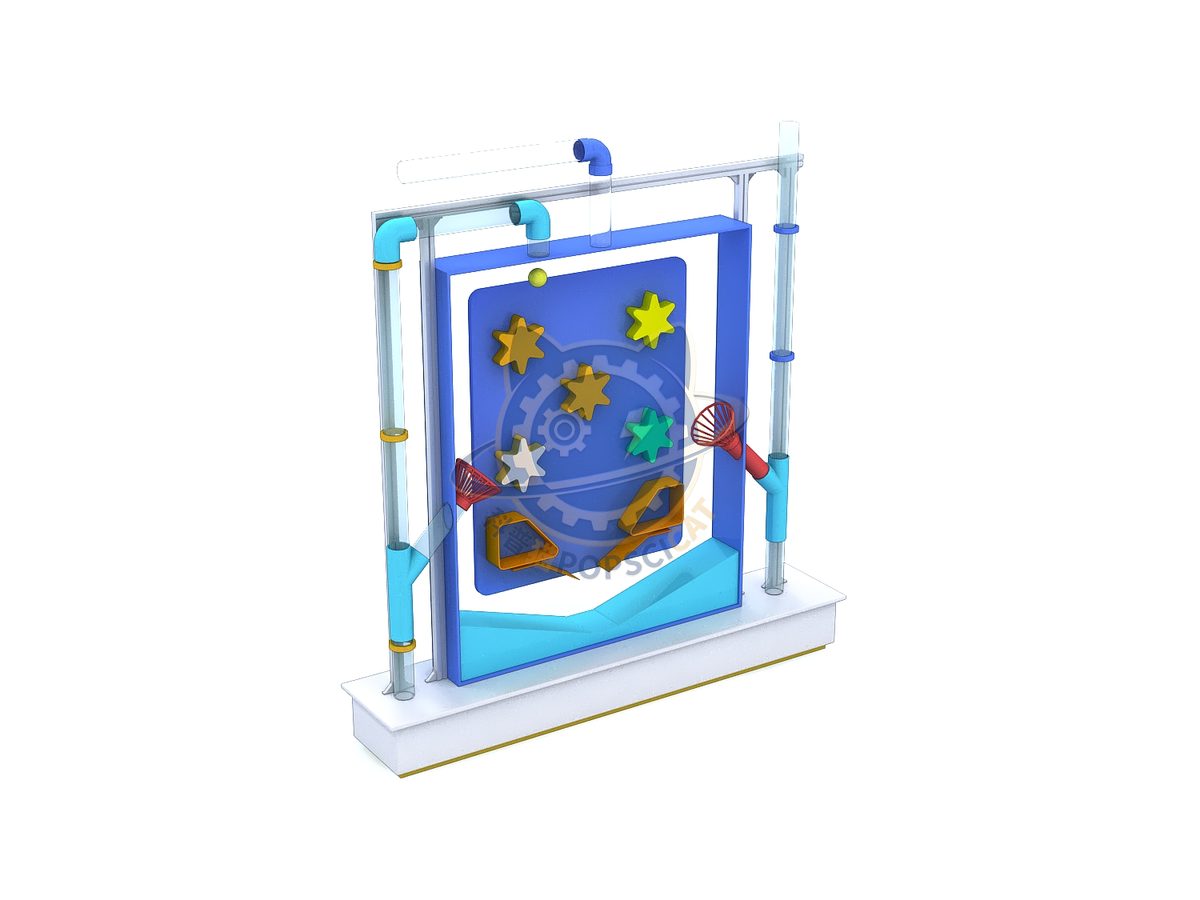
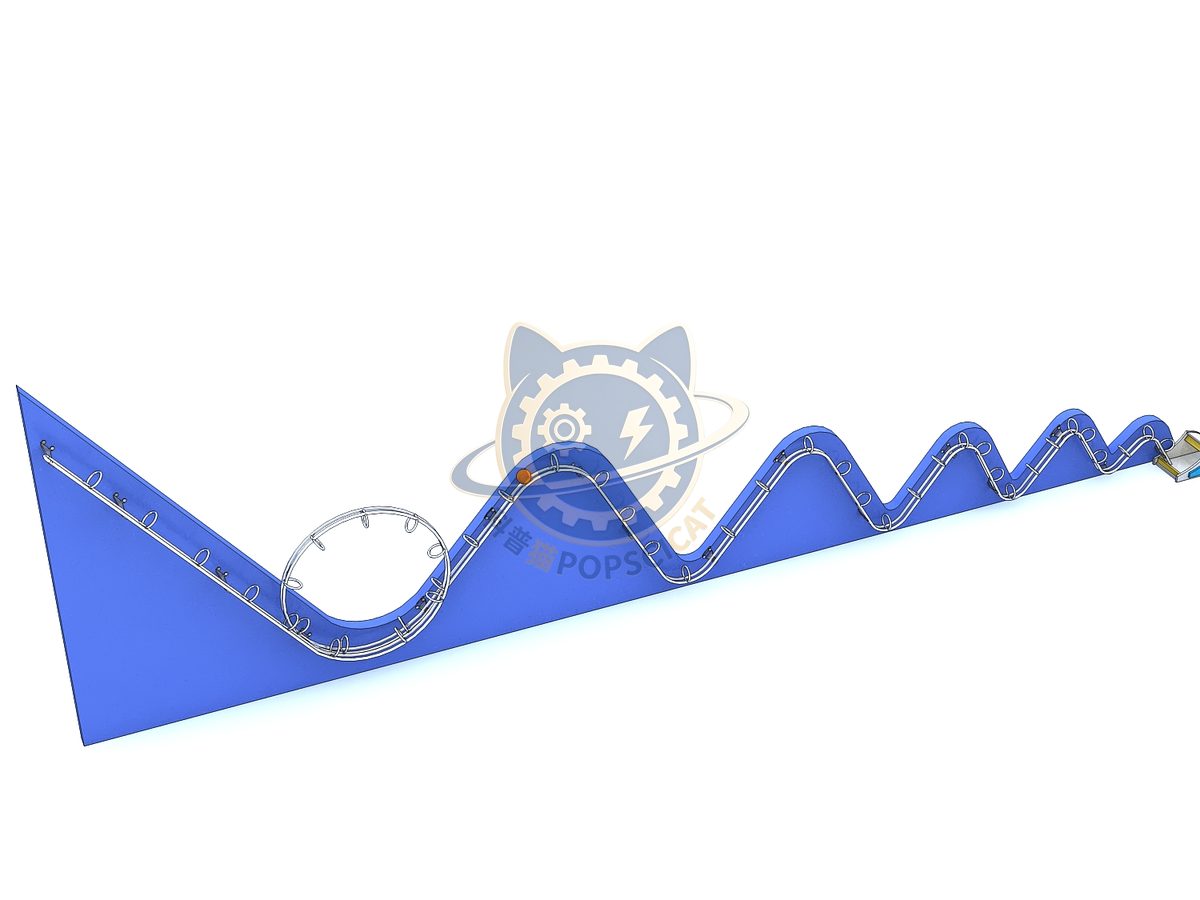
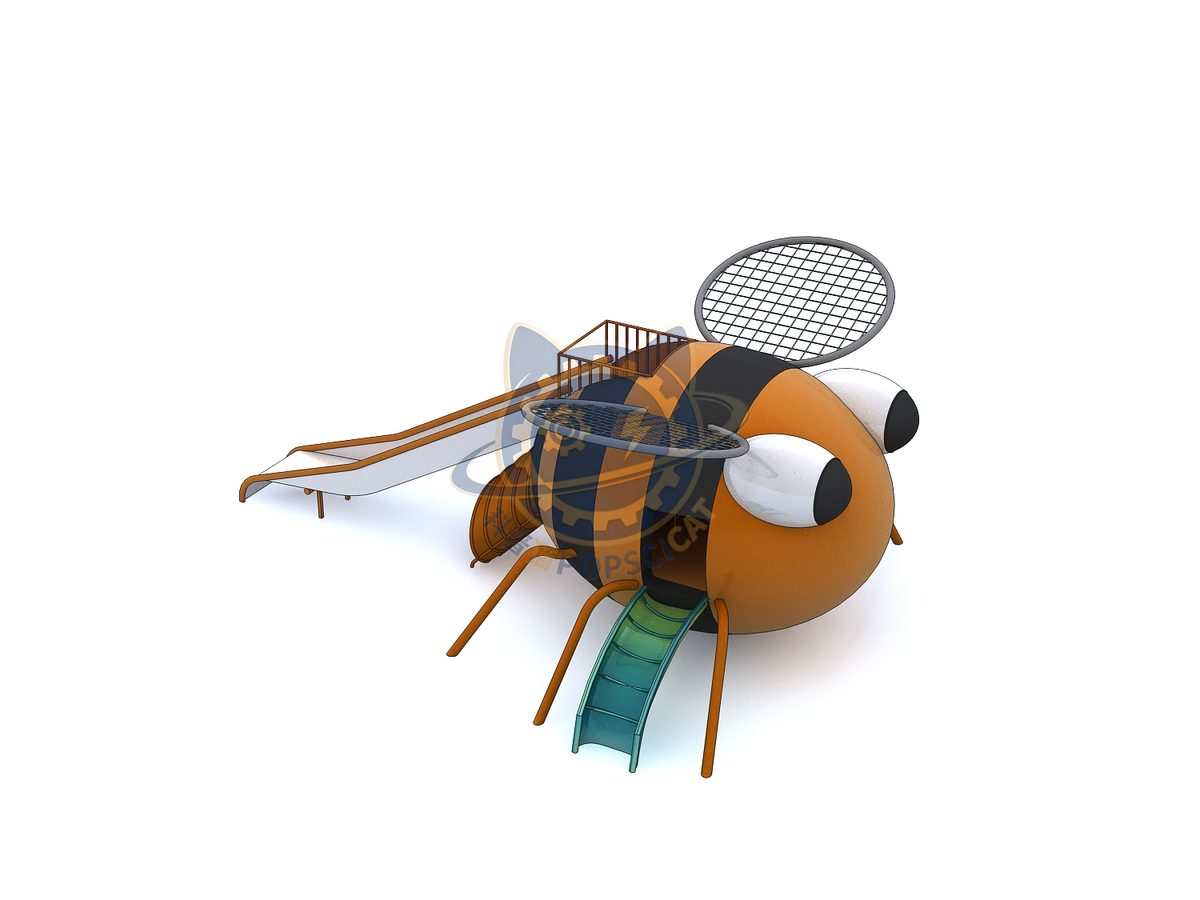
Other models from the Children's Discovery line, all held to the same specification and the same control package.

A wheel that lifts balls and returns them by gravity.

A steel track for steel balls with a hand-cranked lift hill.

A padded tunnel with peepholes and a sound at the far end.

A soft-edged climbing frame with a slide and a lookout deck.
Attach a theme outline, a floor plan, or nothing at all — a photo of the space is enough to start. Quotations are issued against a real exhibit list, not per-square-metre guesses.
Prefer to see the floor before you commit? Factory visits and third-party inspections are welcome.