Insulating glass is a type of performance glass, also known as energy-saving glass.
| Category | Technology & Everyday Life |
|---|---|
| Interaction | Hands-on, visitor-operated exhibit |
| Standard size | Built to your floor plan |
| Power | 100–240 V AC, 50/60 Hz, single phase — universal input; no step-down transformer or motor re-tap |
| Supply | Single unit or batch · OEM to your drawing |
| Lead time | Standard 3–6 weeks after deposit (confirmed per contract) |
| Warranty | 1 year, structure and control |
| Documents | Specification sheet · control diagram · spare-part list |
A standard catalogue model: the dimensions, control package and finish are fixed, which is what keeps the price and the lead time predictable. Size, colour and interface language can be adapted without a new design cycle.
Standard models from this range are also listed in our online store, priced in USD — see the price yourself ↗
Insulating glass is a type of performance glass, also known as energy-saving glass. Compared with ordinary glass, insulated glass has excellent thermal insulation properties and good light transmittance. Press this button to experience the magic of insulating glass. When the button is pressed, the heat source in the display case will automatically heat the four panes of glass in front of you. You can step closer to experience the thermal insulation performance of different types of glass up close. Do you see it? Insulated glass is clearly cooler than other types of glass. Why is that? The secret lies in the surface coating of the insulating glass. On its surface, there are multiple layers of film composed of metals or other compounds. This coating layer can significantly block heat and maintain temperature. It is built for unsupervised public use: surfaces are robust and wipe-clean, there are no loose parts, and the interface works without instruction, so a child of about six can operate it on a busy floor.
Interaction type: Hands-on, visitor-operated exhibit. The unit is designed for unsupervised public use: controls are recessed or shielded, moving parts are enclosed, and the interface is operable by a child of about six with no instruction. Where a screen is used, the language can be switched without changing the hardware, and the content can be replaced on site.
Every unit leaves the factory after a running test: mechanisms cycled, electronics burned in, edges dressed, fixings torqued and marked. Wear parts — bearings, sliders, lamps, belts, touch panels — are modular and listed on the spare-part sheet, so a venue technician can replace them without returning the exhibit. Crating is plywood with foam blocking; the loading plan and packing list travel with the shipment.
Other models from the Technology & Everyday Life line, all held to the same specification and the same control package.

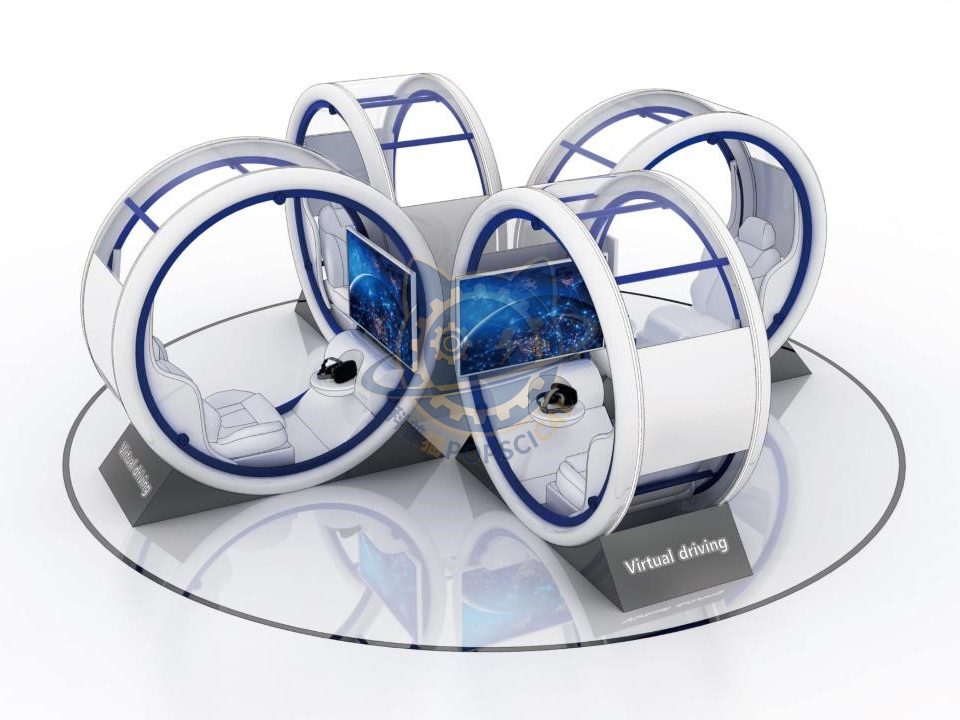
A fixed-base cockpit with a city route and a reaction-time score.

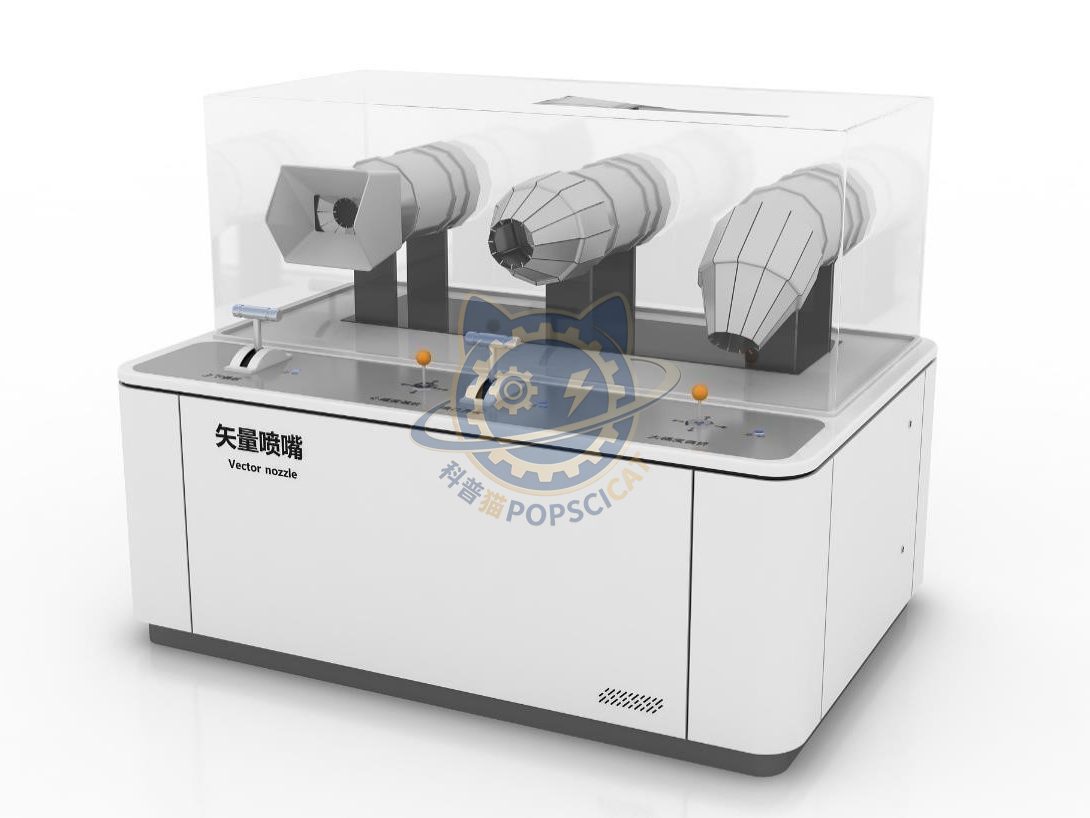
Tilt the nozzle and watch the thrust vector swing.

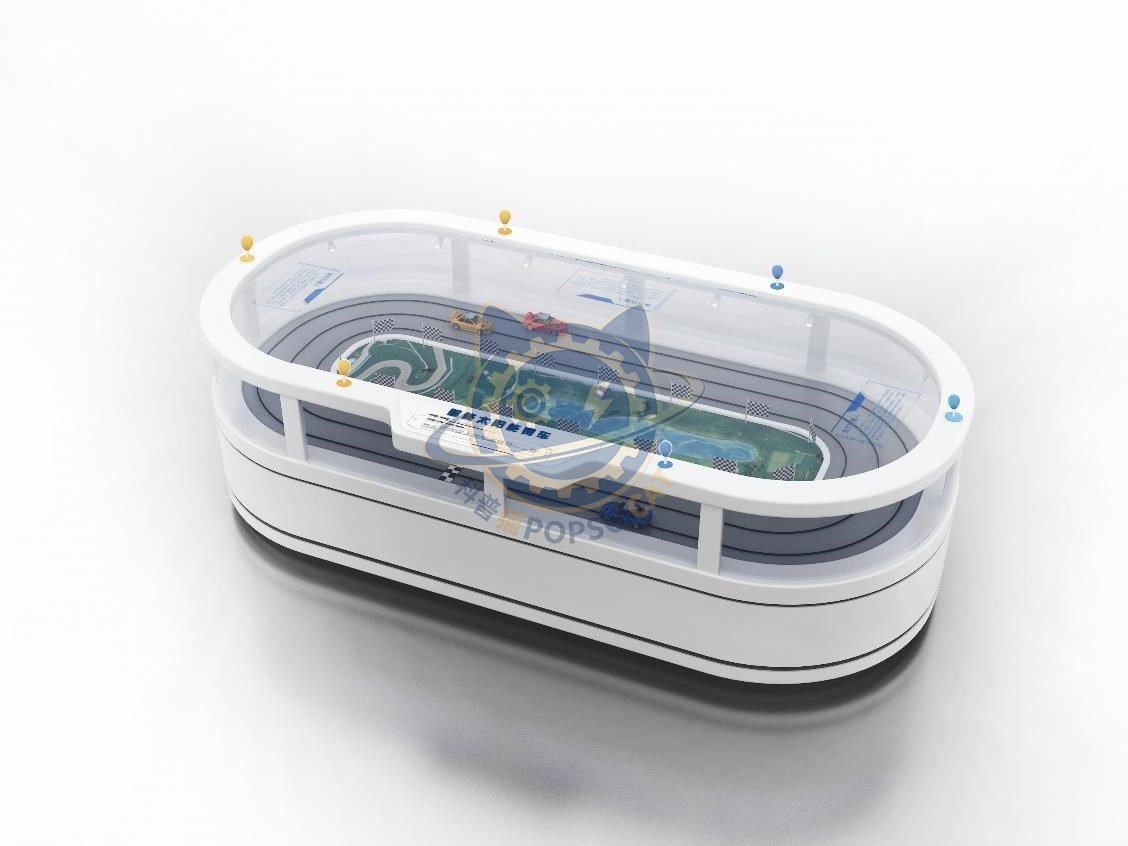
Angle the panel, watch the current and race the model.

Forty movements from water clock to quartz all reading the same second.
Attach a theme outline, a floor plan, or nothing at all — a photo of the space is enough to start. Quotations are issued against a real exhibit list, not per-square-metre guesses.
Prefer to see the floor before you commit? Factory visits and third-party inspections are welcome.