Set up queries for information related to cutting-edge biotechnology, including but not limited to the following topics: Protein engineering: A…
| Category | Life Science & Health |
|---|---|
| Interaction | Hands-on, body-and-mind interaction |
| Standard size | Built to your floor plan |
| Power | 100–240 V AC, 50/60 Hz, single phase — universal input; no step-down transformer or motor re-tap |
| Supply | Single unit or batch · OEM to your drawing |
| Lead time | Standard 3–6 weeks after deposit (confirmed per contract) |
| Warranty | 1 year, structure and control |
| Documents | Specification sheet · control diagram · spare-part list |
A standard catalogue model: the dimensions, control package and finish are fixed, which is what keeps the price and the lead time predictable. Size, colour and interface language can be adapted without a new design cycle.
Standard models from this range are also listed in our online store, priced in USD — see the price yourself ↗
Set up queries for information related to cutting-edge biotechnology, including but not limited to the following topics: Protein engineering: A technology that designs new or improved proteins by altering their structure and function. Applications: Used to produce proteins with specific functions, such as drugs, enzymes, biosensors, etc. Brain-computer interface: Allows the human brain to be directly connected to and communicate with external devices, such as computers or mechanical devices. Applications: Used to help people with disabilities regain motor function, in brain science research, and in virtual reality and augmented reality technologies. Genetic testing: A technology that analyzes an individual's genome to detect specific genetic variants or assess genetic risk. Applications: Used to diagnose genetic diseases, assess cancer risk, develop personalized treatment plans, etc. Gene-editing technology: Achieves precise control and improvement of genes by accurately modifying specific genes in the genome. Applications: Used for treating genetic diseases, agricultural genetic improvement, laboratory research, etc. Stem cell therapy: Utilizes the differentiation potential of stem cells to treat or repair damaged tissues or organs. Applications: Used to treat heart disease, neurological disorders, traumatic injuries, etc. 3D bioprinting: A technology that creates three-dimensional biological structures by layering biomaterials. Applications: Used in biological tissue engineering, organ transplantation, drug testing, etc. Nanomedicine: The application of nanotechnology in the medical field, including the preparation and use of nanomaterials for prevention, diagnosis, and treatment. Applications: Used for precise drug delivery, biological imaging, diagnosis, treatment, etc. 5G Healthcare: The use of 5G mobile communication technology to provide faster, more stable, and higher-capacity wireless communication in the healthcare sector. Applications: Used for telemedicine services, medical data transmission, real-time medical image transmission, etc., to improve the efficiency and accessibility of medical services. It is built for unsupervised public use: surfaces are robust and wipe-clean, there are no loose parts, and the interface works without instruction, so a child of about six can operate it on a busy floor.
Interaction type: Hands-on, body-and-mind interaction. The unit is designed for unsupervised public use: controls are recessed or shielded, moving parts are enclosed, and the interface is operable by a child of about six with no instruction. Where a screen is used, the language can be switched without changing the hardware, and the content can be replaced on site.
By showcasing the latest research findings, technological advancements, and industry trends, this exhibit not only provides a window into the cutting edge of biotechnology but also encourages students, researchers, and entrepreneurs to actively engage in innovation within this field. At the same time, by disseminating the positive impact of biotechnology on society, healthcare, agriculture, and other fields, it promotes public awareness of biotechnology development and encourages societal attention to and participation in science and technology. This platform can also serve as a showcase for third-party collaborations, providing opportunities for exchange and cooperation among professionals and organizations in the field of biotechnology.
Every unit leaves the factory after a running test: mechanisms cycled, electronics burned in, edges dressed, fixings torqued and marked. Wear parts — bearings, sliders, lamps, belts, touch panels — are modular and listed on the spare-part sheet, so a venue technician can replace them without returning the exhibit. Crating is plywood with foam blocking; the loading plan and packing list travel with the shipment.
Other models from the Life Science & Health line, all held to the same specification and the same control package.

Sound reaches two ears at different times; visitors point to the source.

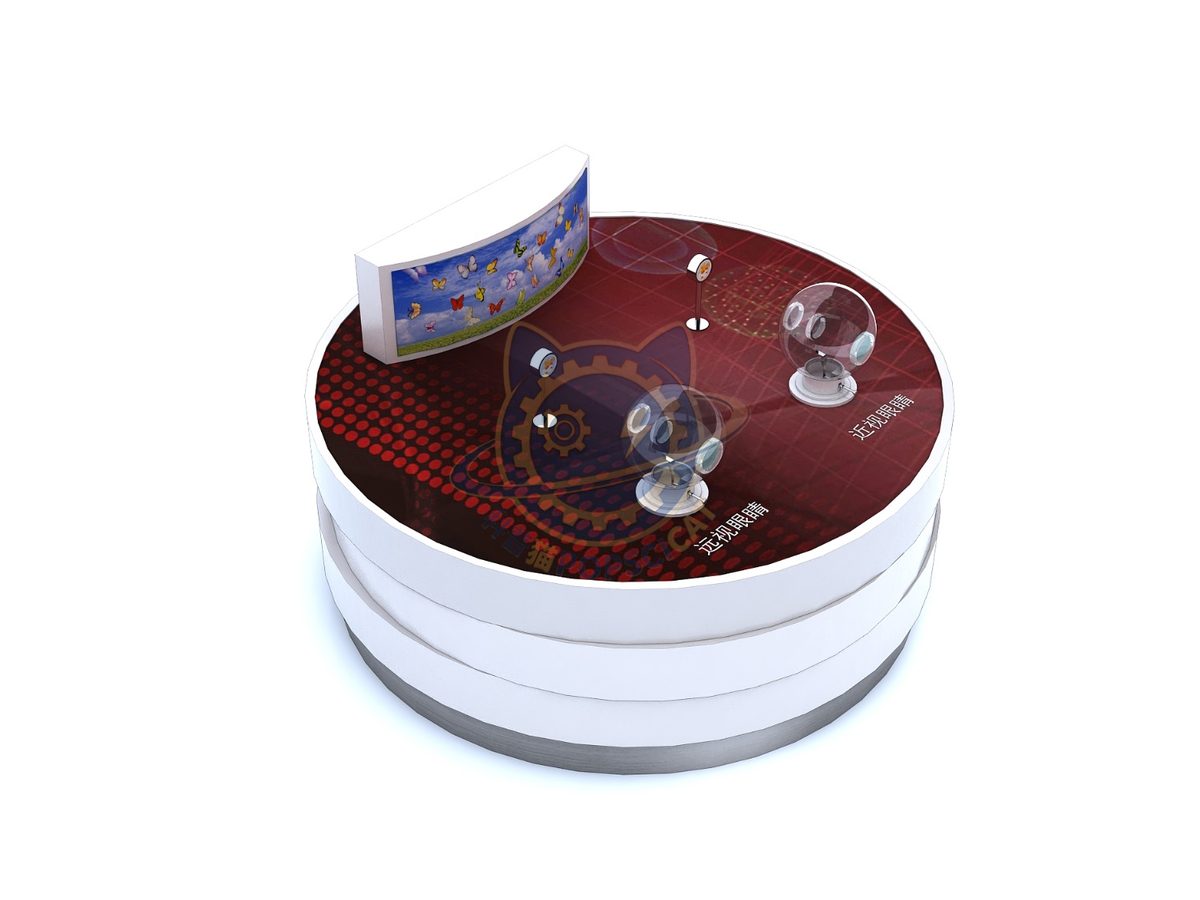
An adjustable lens projects a real image onto a retina screen.

Contract a model biceps and watch the tendon pull the forearm.

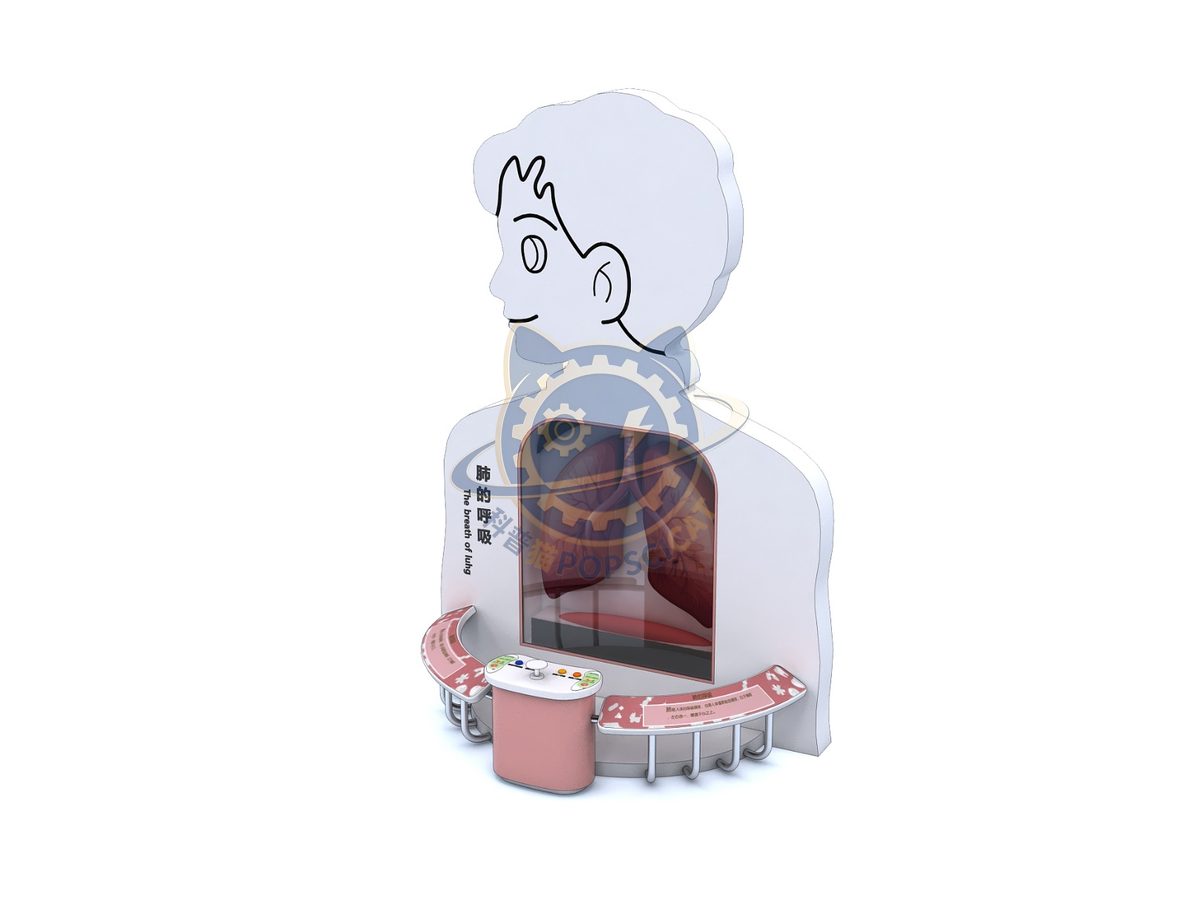
Two model lungs inflate with a diaphragm the visitor operates.
Attach a theme outline, a floor plan, or nothing at all — a photo of the space is enough to start. Quotations are issued against a real exhibit list, not per-square-metre guesses.
Prefer to see the floor before you commit? Factory visits and third-party inspections are welcome.