Invertebrates first appeared in the Cambrian period 530 million years ago.
| Category | Life Science & Health |
|---|---|
| Interaction | Multimedia and scale-model exhibit |
| Standard size | Built to your floor plan |
| Power | 100–240 V AC, 50/60 Hz, single phase — universal input; no step-down transformer or motor re-tap |
| Supply | Single unit or batch · OEM to your drawing |
| Lead time | Standard 3–6 weeks after deposit (confirmed per contract) |
| Warranty | 1 year, structure and control |
| Documents | Specification sheet · control diagram · spare-part list |
A standard catalogue model: the dimensions, control package and finish are fixed, which is what keeps the price and the lead time predictable. Size, colour and interface language can be adapted without a new design cycle.
Standard models from this range are also listed in our online store, priced in USD — see the price yourself ↗
Invertebrates first appeared in the Cambrian period 530 million years ago. They constitute the majority of the animal kingdom and are characterized by the absence of a backbone or spine. They include echinoderms, mollusks, cnidarians, arthropods, sponges, nematodes, and chordates, among others. Invertebrates are highly diverse and include a wide variety of organisms such as insects, spiders, crabs, mollusks, sponges, jellyfish, flatworms, annelids, mollusks, and so on. They account for 95% of all animal species and exhibit significant differences in morphology, ecological niches, and lifestyles.
Interaction type: Multimedia and scale-model exhibit. The unit is designed for unsupervised public use: controls are recessed or shielded, moving parts are enclosed, and the interface is operable by a child of about six with no instruction. Where a screen is used, the language can be switched without changing the hardware, and the content can be replaced on site.
It showcases the various stages of life's evolution, aiming to evoke in viewers a sense of awe for the miracle of life and to help them feel the boundless power inherent in evolution.
Every unit leaves the factory after a running test: mechanisms cycled, electronics burned in, edges dressed, fixings torqued and marked. Wear parts — bearings, sliders, lamps, belts, touch panels — are modular and listed on the spare-part sheet, so a venue technician can replace them without returning the exhibit. Crating is plywood with foam blocking; the loading plan and packing list travel with the shipment.
Other models from the Life Science & Health line, all held to the same specification and the same control package.

Sound reaches two ears at different times; visitors point to the source.

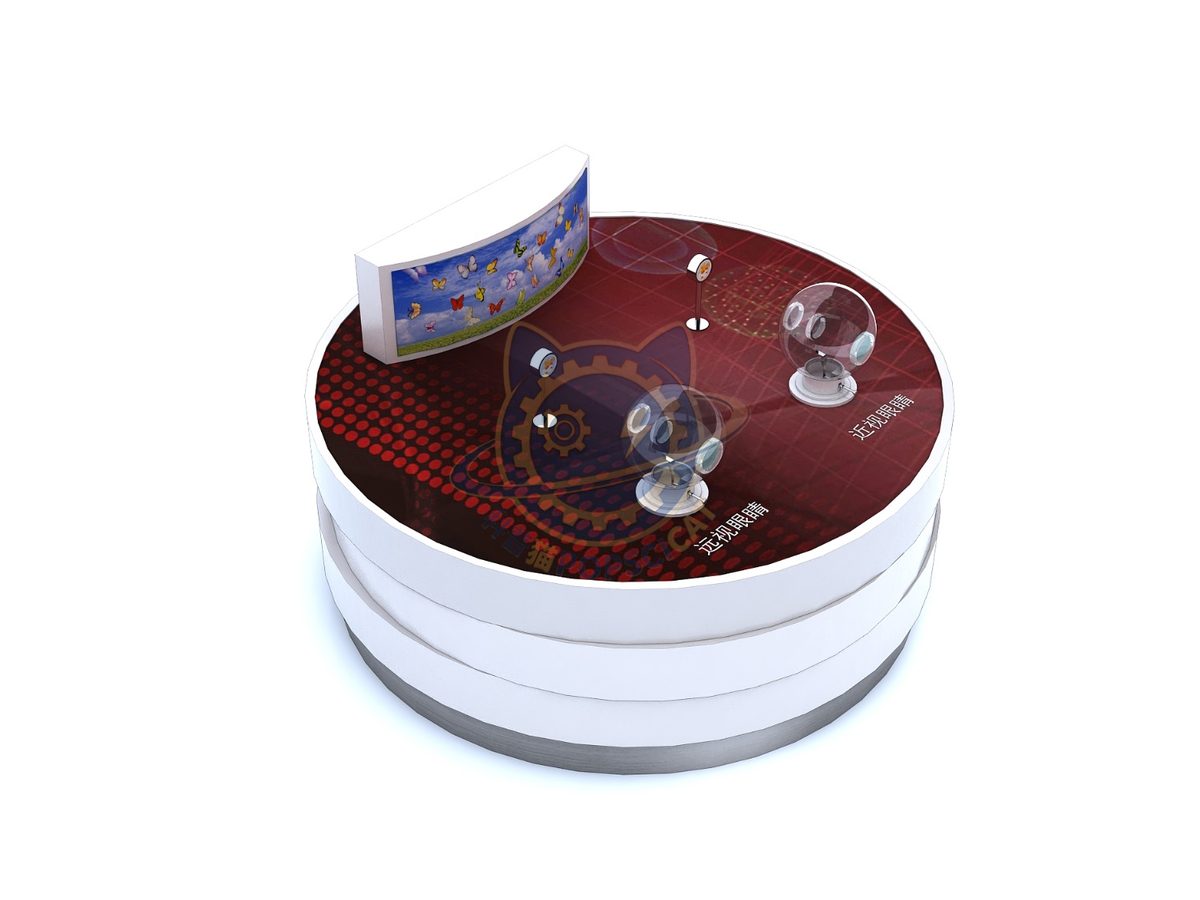
An adjustable lens projects a real image onto a retina screen.

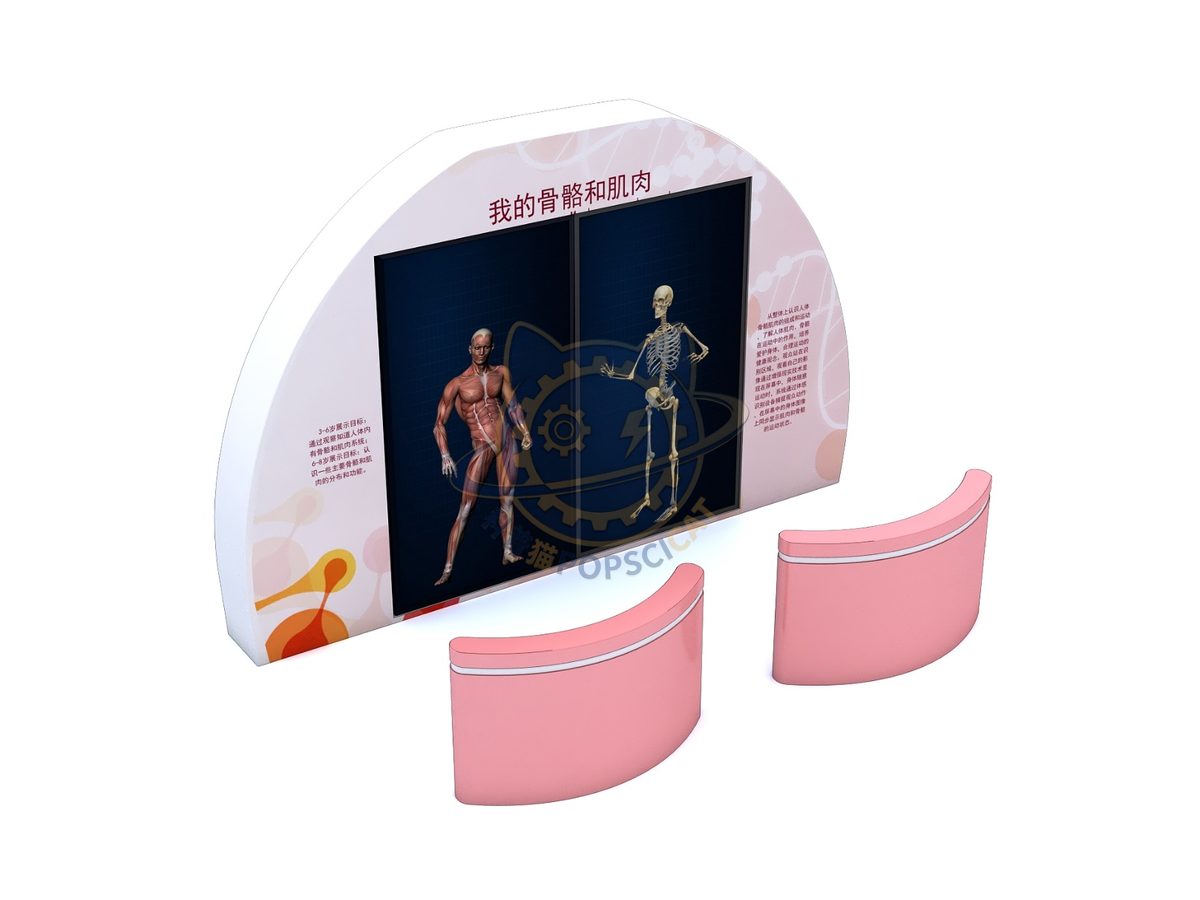
Contract a model biceps and watch the tendon pull the forearm.

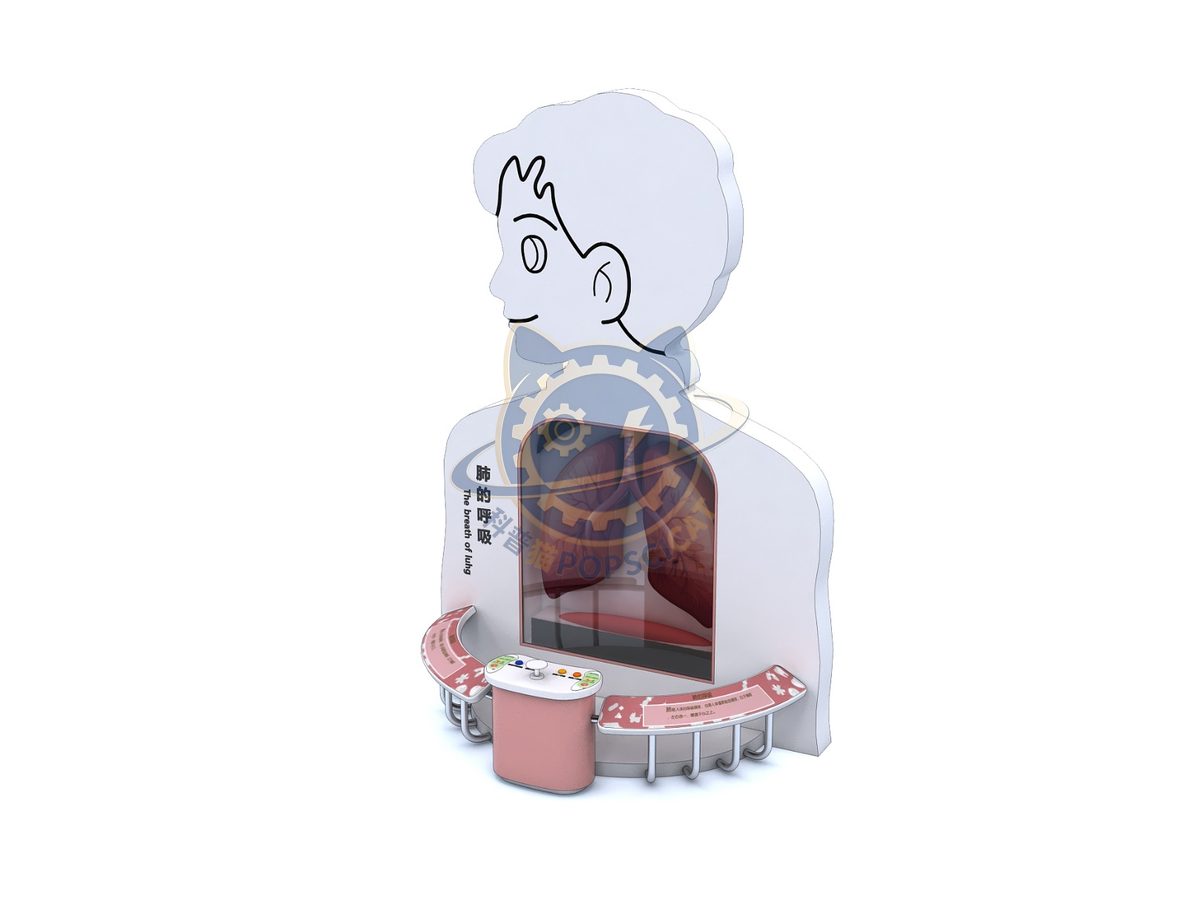
Two model lungs inflate with a diaphragm the visitor operates.
Attach a theme outline, a floor plan, or nothing at all — a photo of the space is enough to start. Quotations are issued against a real exhibit list, not per-square-metre guesses.
Prefer to see the floor before you commit? Factory visits and third-party inspections are welcome.