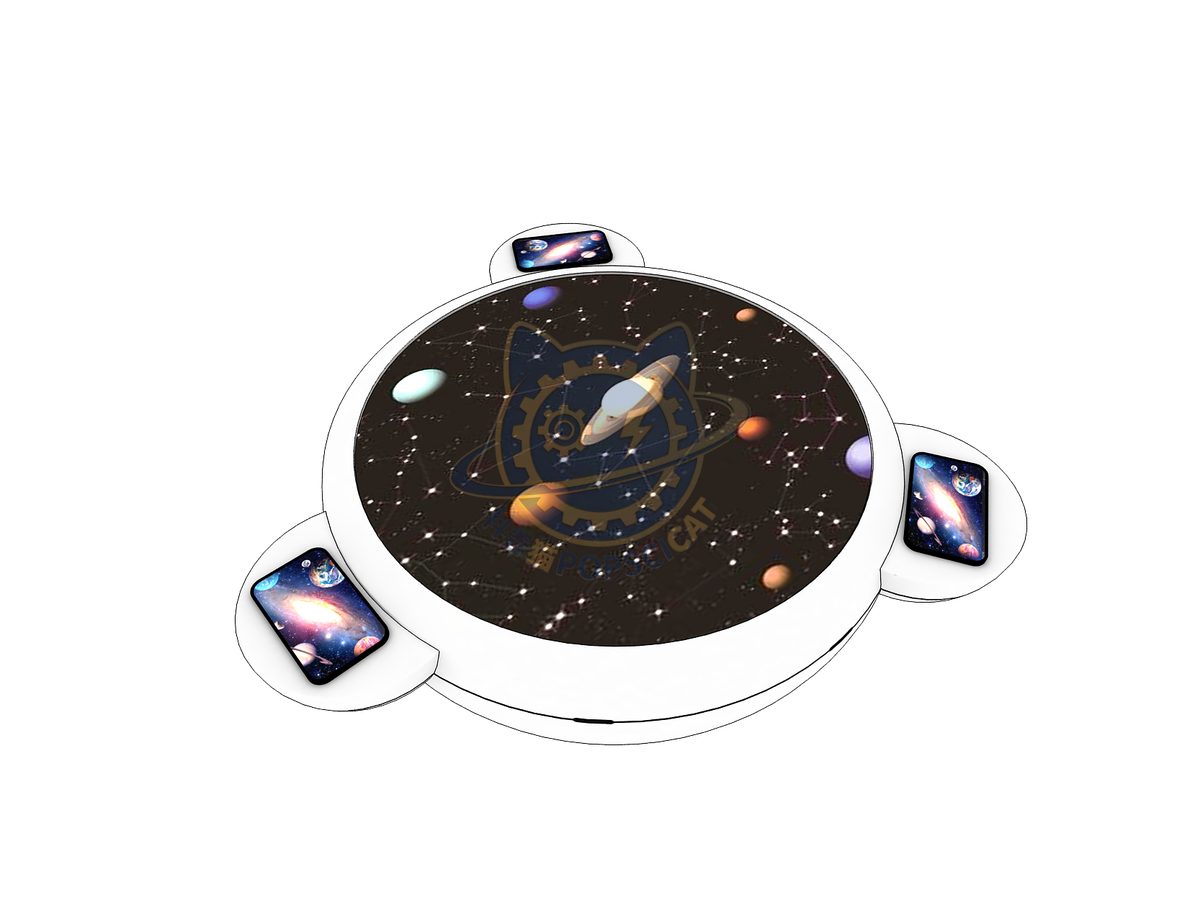
Present to the audience scientific information about the size, composition, and related knowledge of the Milky Way galaxy.
| Category | Aerospace & Astronomy |
|---|---|
| Interaction | Hands-on, visitor-operated exhibit |
| Standard size | Built to your floor plan |
| Power | 100–240 V AC, 50/60 Hz, single phase — universal input; no step-down transformer or motor re-tap |
| Supply | Single unit or batch · OEM to your drawing |
| Lead time | Standard 3–6 weeks after deposit (confirmed per contract) |
| Warranty | 1 year, structure and control |
| Documents | Specification sheet · control diagram · spare-part list |
A standard catalogue model: the dimensions, control package and finish are fixed, which is what keeps the price and the lead time predictable. Size, colour and interface language can be adapted without a new design cycle.
Standard models from this range are also listed in our online store, priced in USD — see the price yourself ↗
Present to the audience scientific information about the size, composition, and related knowledge of the Milky Way galaxy. The Milky Way is the barred spiral galaxy to which the Solar System belongs. It contains 100–400 billion stars and a wealth of star clusters, nebulae, and interstellar matter. From Earth, it appears as a band of silvery-white light encircling the sky. It has a mass 210 billion times that of the Sun, belongs to the Local Group, and is 42,000 light-years away from the nearest extragalactic galaxy. The Milky Way has a flattened spherical structure, dominated by a supermassive black hole at its core. The Sun is located in the Orion Arm, 26,000 light-years from the center. The Milky Way continues to expand by absorbing dwarf galaxies. Its known volume is now 50% larger than previously estimated, and it is accompanied by dozens of satellite galaxies, such as the Large and Small Magellanic Clouds. It is built for unsupervised public use: surfaces are robust and wipe-clean, there are no loose parts, and the interface works without instruction, so a child of about six can operate it on a busy floor.
Interaction type: Hands-on, visitor-operated exhibit. The unit is designed for unsupervised public use: controls are recessed or shielded, moving parts are enclosed, and the interface is operable by a child of about six with no instruction. Where a screen is used, the language can be switched without changing the hardware, and the content can be replaced on site.
Using innovative air imaging technology, this exhibit presents the vast Milky Way to the audience in a visually engaging way. It aims to explain the Milky Way's immense scale, complex structure, and mysterious phenomena in an accessible manner, sparking public curiosity and a desire to explore astronomy. The goal is to enhance scientific literacy, promote societal understanding of the universe, and foster the continuation of space exploration dreams.
Every unit leaves the factory after a running test: mechanisms cycled, electronics burned in, edges dressed, fixings torqued and marked. Wear parts — bearings, sliders, lamps, belts, touch panels — are modular and listed on the spare-part sheet, so a venue technician can replace them without returning the exhibit. Crating is plywood with foam blocking; the loading plan and packing list travel with the shipment.
Other models from the Aerospace & Astronomy line, all held to the same specification and the same control package.

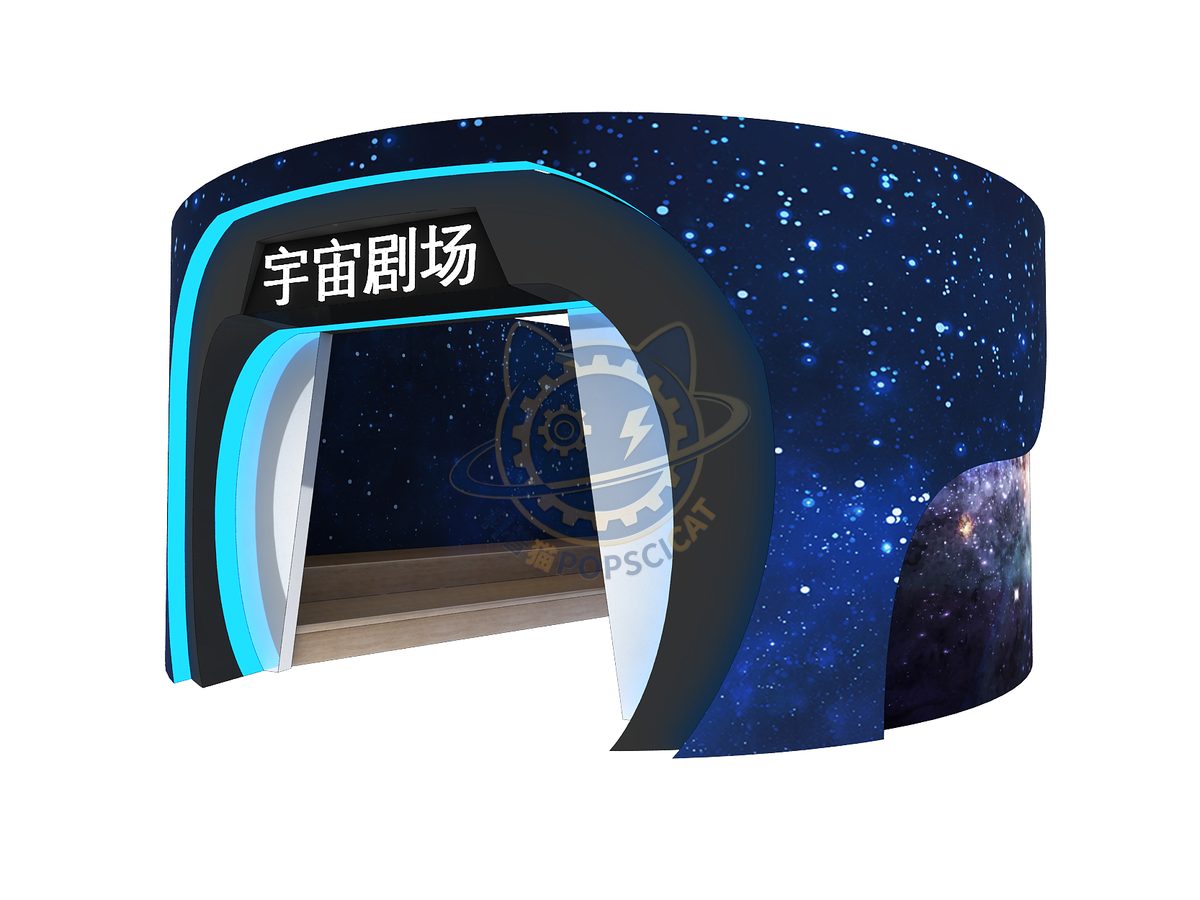
A curved screen and twelve seats for a six-minute flight.

Move a planet across the band and watch liquid water survive or boil.

A comet model whose tail always points away from the light source.

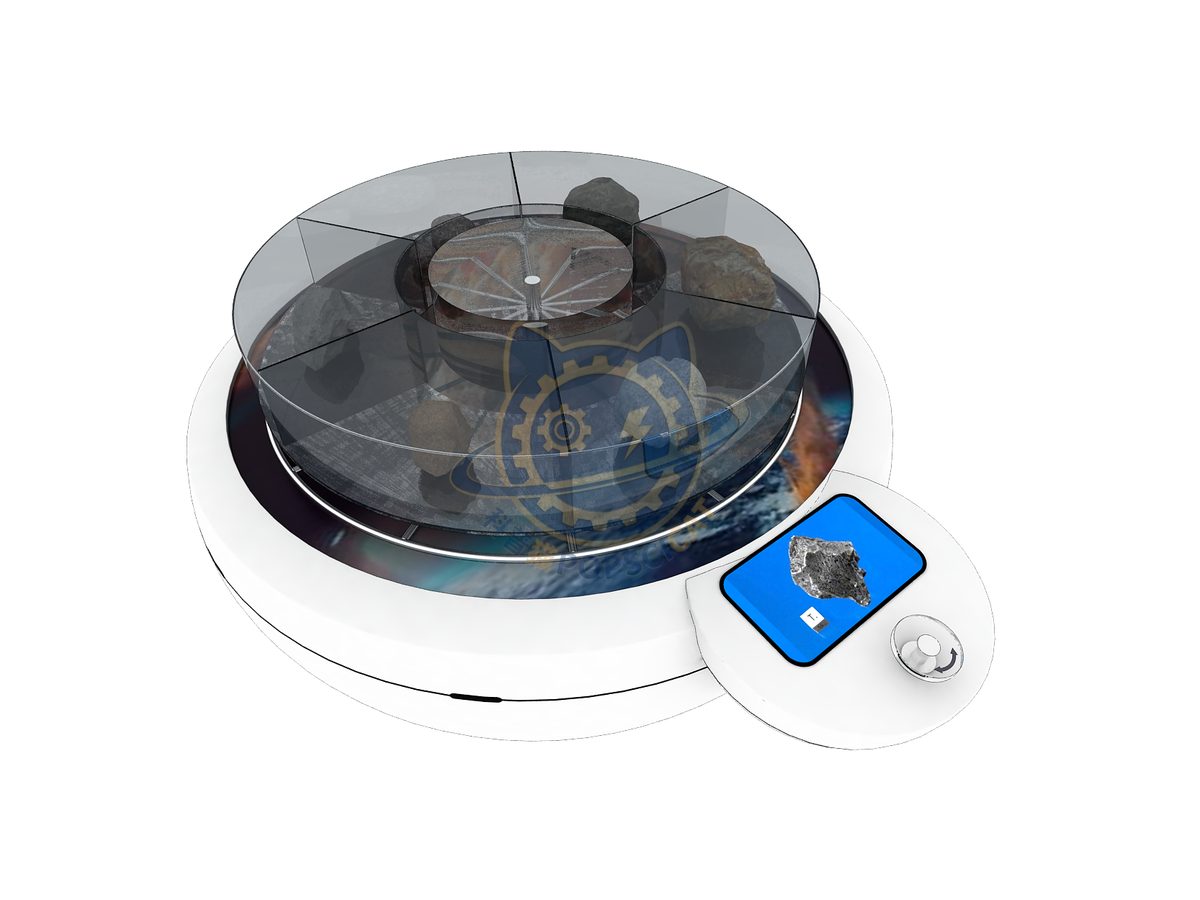
Real meteorite samples beside a simulated entry trail.
Attach a theme outline, a floor plan, or nothing at all — a photo of the space is enough to start. Quotations are issued against a real exhibit list, not per-square-metre guesses.
Prefer to see the floor before you commit? Factory visits and third-party inspections are welcome.